



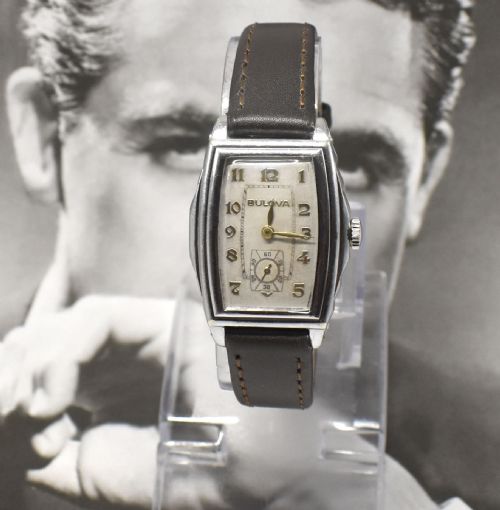

Silver Art Deco Wristwatch
A silver art deco wristwatch offers geometric form and mechanical craft, bringing period style straight to the wrist.
Silver Art Deco Wristwatch
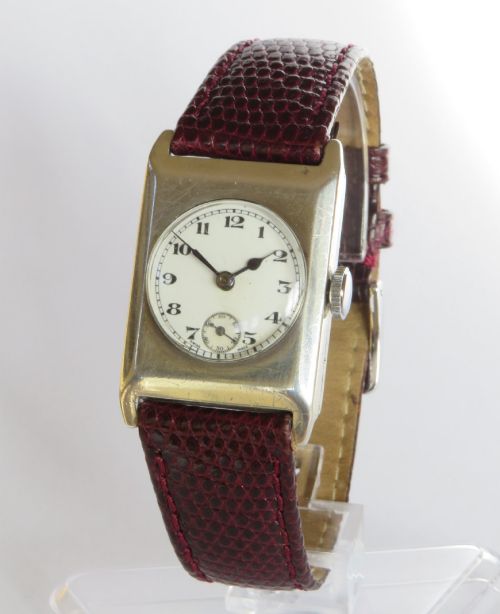
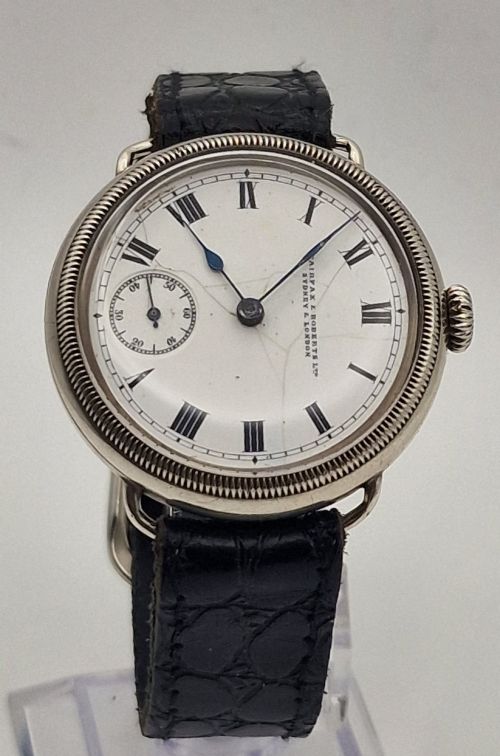
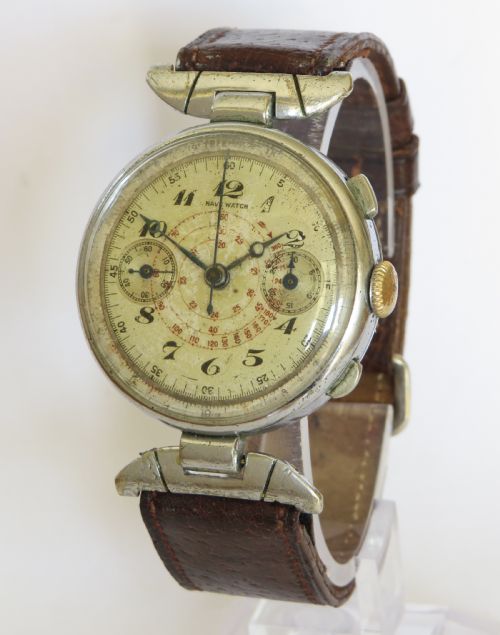
A silver art deco wristwatch captures the architectural lines and linear precision of the 1920s and 1930s. These pieces include gents manual wristwatches, aviator chronographs, and tank style ladies bracelet watches.
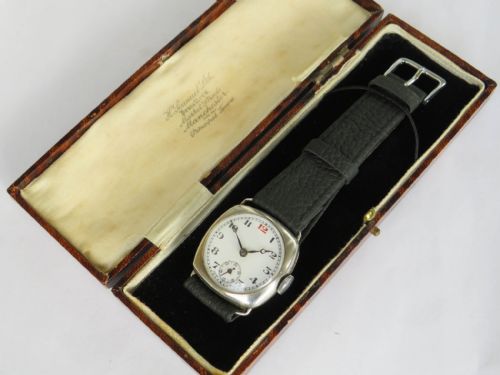
Most examples originate from the 1930s, featuring square dials and curved cases designed to hug the wrist. Buyers encounter French manual pieces alongside works by makers such as Omega, Movado, and Bulova.
The aesthetic relies on restrained ornamentation, contrasting stark metallic finishes with clear numerals. Such watches bridge the gap between daily utility and refined dress accessories.
Materials and construction methods
Cases combine sterling silver, stainless steel, and white gold fill, housing manual movement mechanisms. Glass protects the dial face while leather straps secure the watch to the wrist.
Manufacturers utilised specialised diamond settings for cocktail watches, integrating precious stones alongside platinum or white gold. Movement engineering focused on reliability, leading to seventeen jewel configurations and chronograph complications.
Silver Art Deco Wristwatch Retail Price Guide 2026
Typical asking prices for silver art deco wristwatch among the pieces listed under this phrase on Sellingantiques today, from the lower quarter to the upper quarter. They describe what is for sale here now, not the wider market.
One exceptional wristwatch survives in completely unworn condition, preserving its crisp mechanical integrity across nearly a century.
Distinguishing quality across pieces
Superior examples demonstrate crisp case geometry and unpolished hallmarks that preserve original lines. Movement sophistication, such as specialised chronograph functions or high jewel counts, elevates a piece.
The preservation of the dial and glass significantly influences overall execution. Original enamel work and clean hands separate standard utility watches from exceptional cocktail and pilot pieces.
Omega·Hahn Landeron·Zenith·Asprey·Elgin·Movado·Bulova
The Silver Art Deco Wristwatch Glossary
- Tank style
- A rectangular watch case inspired by military tanks, featuring parallel vertical bars that incorporate the strap lugs. This form defined much of the aesthetic during the 1930s.
- Chronograph
- A watch with a display function used for measuring elapsed time alongside standard timekeeping. Aviator and pilot models frequently integrated this complication.
- Manual wind
- A mechanical movement powered by manually turning the crown rather than through automatic rotor weight or battery power. Most period wristwatches rely on this winding method.
- Curvex
- A trademarked curved wristwatch design that conforms to the shape of the wrist. This technique allowed manufacturers to fit larger mechanical movements inside contoured cases.
- Cocktail watch
- A small, highly decorative timepiece worn primarily at social events. These often feature precious metals and diamond embellishments.
Silver Art Deco Wristwatch: Frequently Asked Questions
How do I wind a manual watch?
Gently rotate the crown clockwise until you feel light resistance. Stop immediately to avoid damaging the mainspring.
Perform this action at the same time each day for steady timekeeping.
Are these watches waterproof?
Period watches lack modern rubber gaskets and modern sealing technology. Keep them far away from water, swimming pools, and heavy rain.
Accidental moisture will rust the internal steel components and ruin the dial.
How accurate are vintage movements?
Mechanical movements from the early twentieth century tolerate minor time variations of a few minutes per day. Regular servicing by a specialist helps maintain better precision.
Treat them as daily companions rather than exact atomic timekeepers.
Can I replace the leather strap?
Straps deteriorate over decades, and replacing them is standard practice for preservation and wear. Choose a leather band that matches the lug width of the specific case.
Keep the original strap if it holds historical significance.