



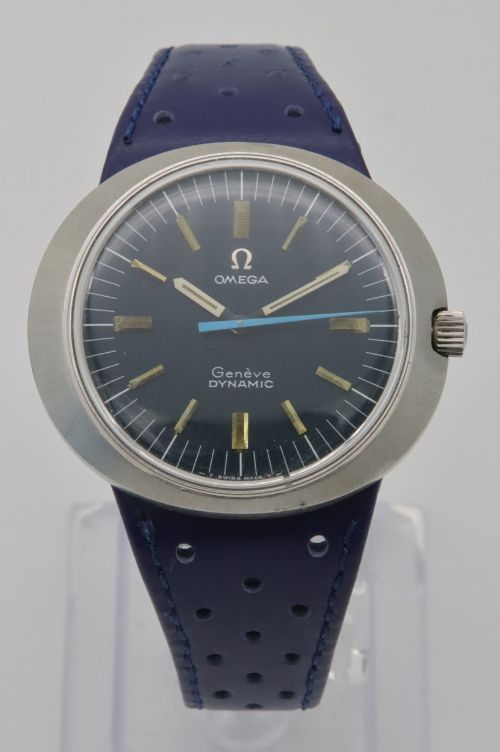
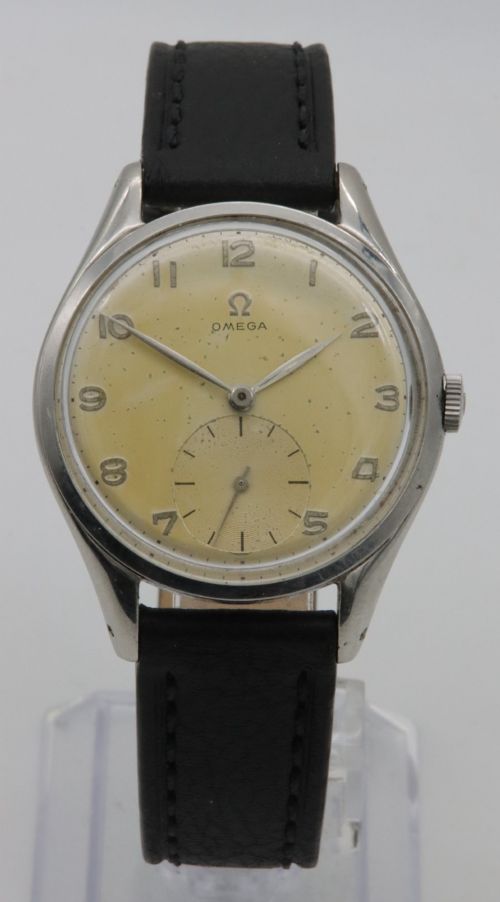
Antique Silver Wristwatch
An antique silver wristwatch brings together early twentieth-century engineering and wearable history, offering mechanical charm for the wrist.
Antique Silver Wristwatch
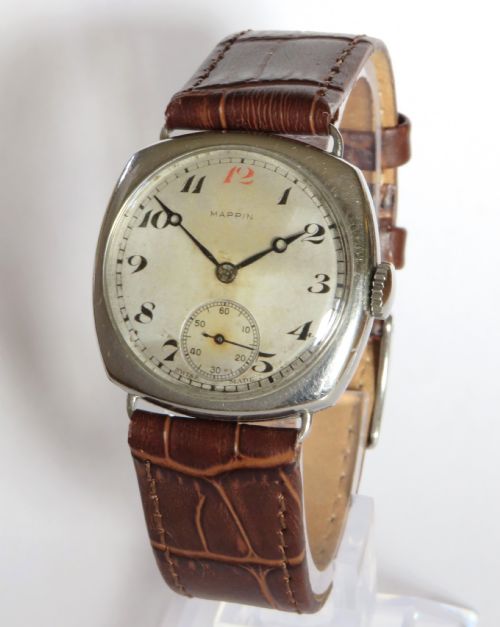
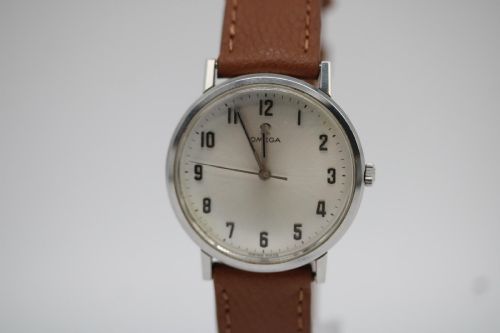
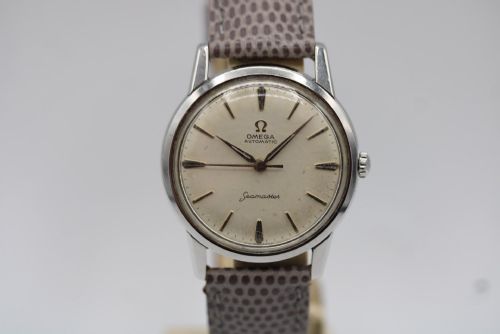
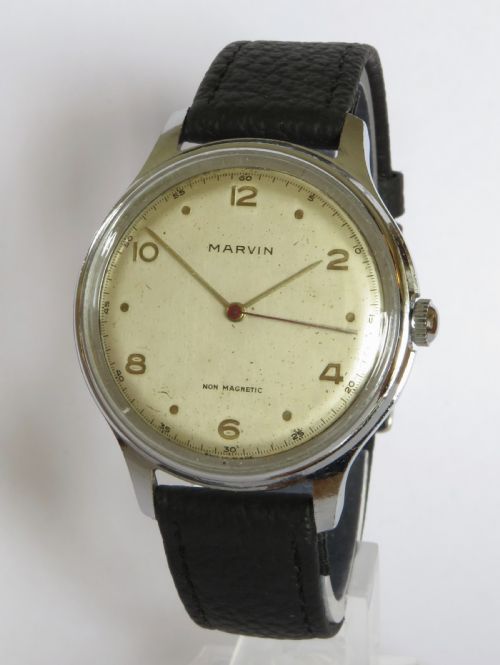
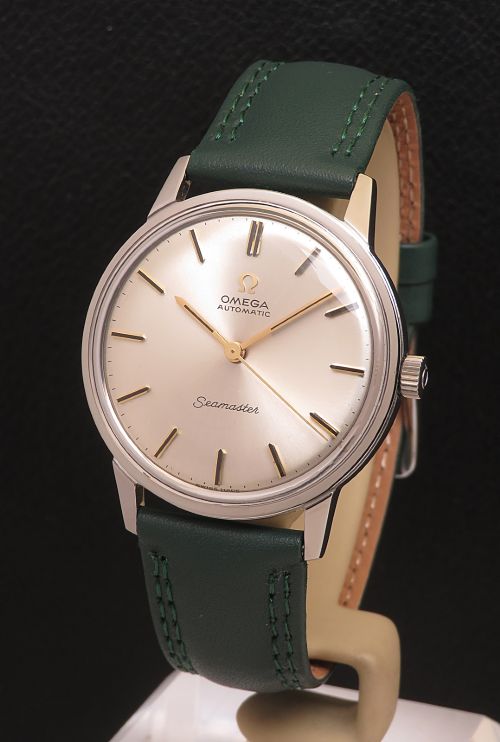
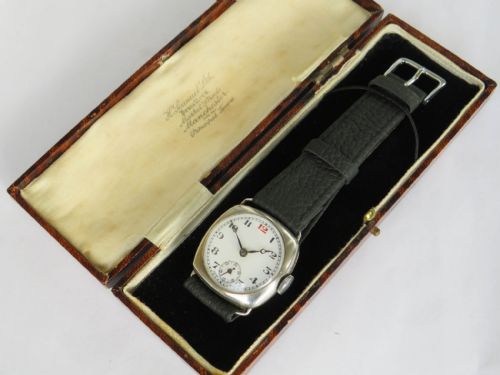
An antique silver wristwatch represents a fascinating crossover from pocket timepieces to personal wristwear, spanning decades of functional design and ornamental craft. Collectors encountering these pieces will discover forms ranging from robust military trench watches to refined dress models.
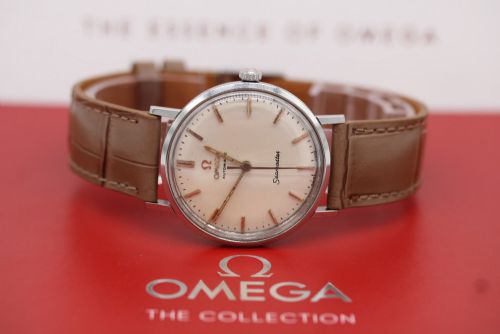
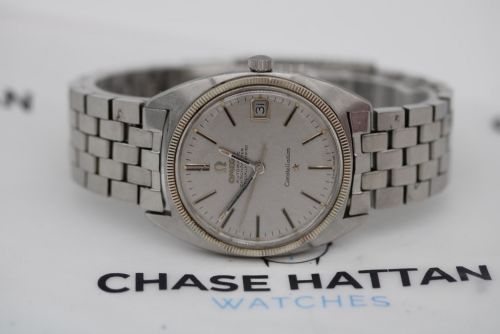
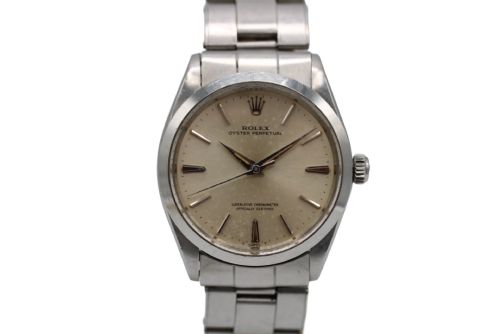
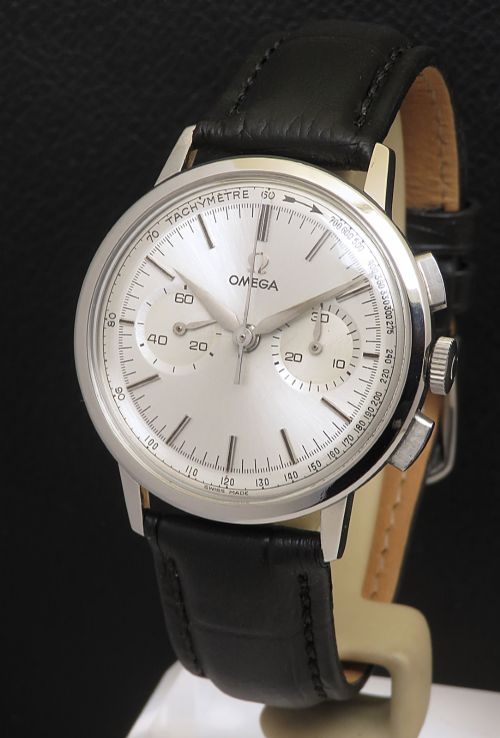
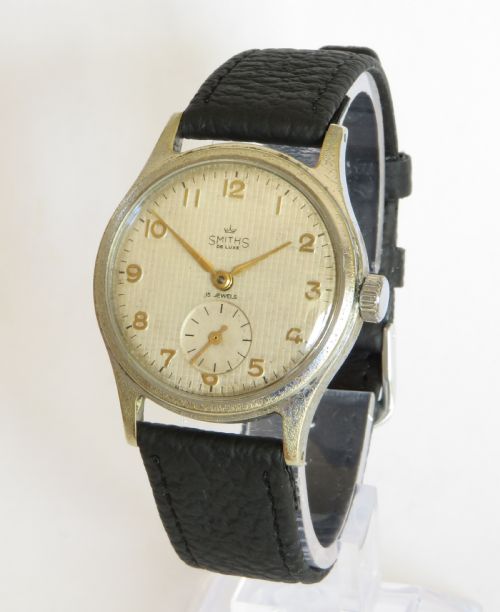
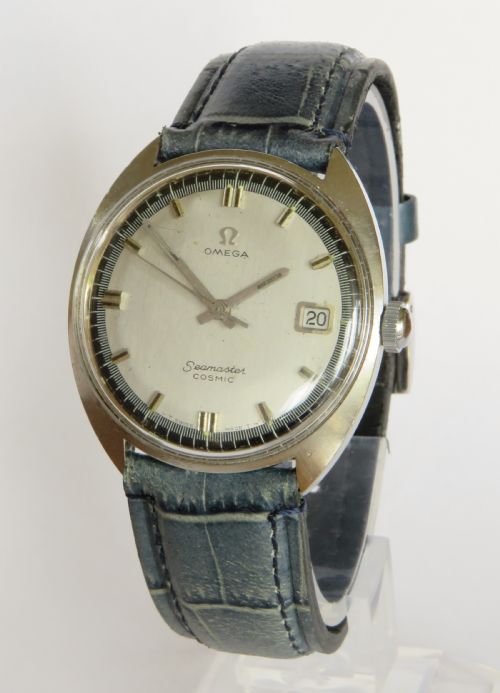
The selection here encompasses various styles from the early decades of the twentieth century through the mid-century period. Examples include utilitarian pieces issued for military service alongside civilian watches shaped by Art Deco aesthetics.
Materials and construction
Makers utilised silver alongside stainless steel, chrome, and gold for casings, often pairing them with leather straps. Dials were protected by glass or acrylic, while select decorative ladies' cocktail pieces incorporated platinum and diamonds.
Movements relied on manual wind mechanisms, chronographs, and specialised calibres housed within durable metal cases. Military variations frequently featured enamel dials and protective guards.
Antique Silver Wristwatch Retail Price Guide 2026
Typical asking prices for silver wristwatch among the pieces listed under this phrase on Sellingantiques today, from the lower quarter to the upper quarter. They describe what is for sale here now, not the wider market.
Some early trench watches came equipped with detachable shrapnel guards, acting as tiny medieval helmets for glass dials.
Assessing craftsmanship and condition
The degree of preservation in the dial, case markings, and movement integrity distinguishes individual pieces. Original military issue marks or specialised chronograph complications add notable distinction to a timepiece.
Fine execution is evident in the clarity of the dial typography, the precision of the case shaping, and the integration of precious stones where diamonds and platinum are present.
Omega·Longines·Eterna·Bulova·Tissot·J.W. Benson
The Antique Silver Wristwatch Glossary
- Trench watch
- A transitional timepiece developed during the First World War to allow soldiers to tell time on the wrist. These rugged designs often feature wire lugs and luminous numerals.
- Chronograph
- A watch equipped with a stopwatch function alongside standard timekeeping. This mechanical complication requires intricate gearing within the movement.
- Calibre
- The specific internal movement design and manufacturer designation of a watch. Collectors reference this number to identify the exact mechanical engine inside the case.
- Hermetic
- A water-resistant or dust-proof case design intended to protect the internal movement from environmental elements. These cases use specialised sealing methods.
- Manual wind
- A mechanical watch movement that requires regular hand-winding via the crown to store power in the mainspring. It contrasts with automatic self-winding systems.
Antique Silver Wristwatch: Frequently Asked Questions
What is a trench watch?
A trench watch is an early wristwatch adapted from pocket watch designs for military use during the First World War. They typically feature secure wire lugs soldered to the case and luminous dials for night visibility.
These pieces marked the pivotal shift when men transitioned from pocket timepieces to wearing watches on the wrist during active service.
How do I wind a manual watch?
You wind a manual watch by gently rotating the crown clockwise until you feel slight resistance. Care should be taken not to force it past the stopping point.
Doing this daily powers the mainspring and keeps the mechanical movement running accurately throughout the day.
Are these watches waterproof?
Most antique timepieces lack modern rubber gaskets and modern waterproofing technology. Exposure to moisture can damage the delicate internal steel components and ruin paper or painted dials.
It is best to keep these vintage items away from water entirely, even if historical terms like hermetic suggest dust resistance.
How do I identify the decade?
The decade can often be identified through stylistic cues such as Art Deco geometric numerals, case shapes, and movement serial numbers. Military pieces often bear broad arrow marks or specific contract dates.
Examining the internal calibre and the exterior case design provides reliable clues to the exact manufacturing era.