



Silver Animal Shakers
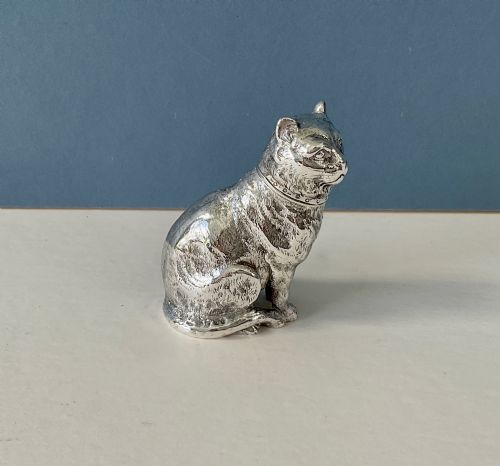
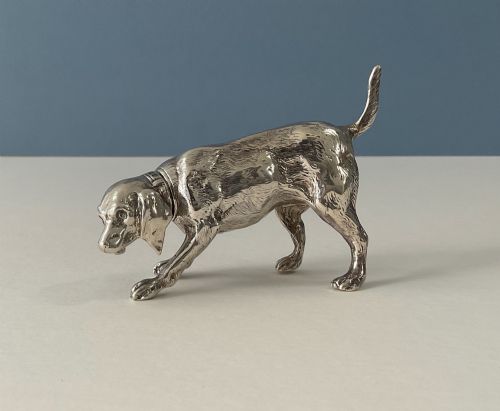
Silver animal shakers bring domestic humour to the dining table, taking the form of birds, cats and hounds in solid metal.
Silver Animal Shakers
Silver animal shakers are playful tabletop vessels designed to hold and dispense seasoning through perforated heads or bodies. When collectors search for silver animal shakers, they encounter functional novelties shaped as owls, cats, dogs, foxes and birds. The pieces on this page span the Victorian, Edwardian and Art Deco periods, created in Britain and abroad.
The common forms include individual pepper pots and matched pairs of pheasants or owls. Most examples stand independently on a table, modelled with hinged heads, threaded bases or simple stoppers for filling. Victorian specimens share space with later George V items and twentieth-century Continental novelties.
How they were made
Silversmiths constructed these creatures primarily from sterling silver, solid silver and occasional silver gilt, sometimes combining the metal with glass inserts, leather elements or ebonised wood stands. The method relied on casting, chasing and hand-engraving to define feathers, fur, scales and facial expressions. Pewter also appears in nineteenth-century examples for a heavier, duller finish.
Perforations for the seasoning were hand-drilled into the beak, head or upper back of the animal, often following natural contours so the holes remained visually discreet. Hinges and screw-fittings allowed access to the interior cavity, requiring precise metalwork to ensure secure closure during use.
Silver Animal Shakers Retail Price Guide 2026
Typical asking prices for silver animal shakers among the pieces listed under this phrase on Sellingantiques today, from the lower quarter to the upper quarter. They describe what is for sale here now, not the wider market.
Object forms range from single pepperettes and condiment sets to life-size bird chick pots.
What varies in quality
Quality rests upon the anatomical fidelity of the model and the crispness of the chasing. Finer specimens capture the alertness of a fox or the distinct plumage of a cockatoo with deep, clean hammer work rather than soft, smoothed casting. The articulation of hinged parts and the weight of the metal distinguish superior work from mass-produced novelties.
Proportion and stance dictate the visual success of the piece. Well-balanced shakers stand firmly without rocking, and the placement of the pepper holes does not compromise the naturalistic silhouette of the animal.
The Silver Animal Shakers Glossary
- Pepperette
- A small vessel designed specifically for dispensing ground pepper at the table. These often take slender vertical forms in novelty designs.
- Sterling silver
- A silver alloy containing ninety-two point five percent silver by mass, with the remainder composed of other metals for durability. This standard appears frequently across Victorian and Edwardian examples.
- Silver gilt
- Silver that has been coated with a thin layer of gold on its surface. This technique adds warmth and protects the interior from corrosive spices.
- Novelty pepper
- A condiment container shaped to resemble an animal, human figure or inanimate object rather than a traditional urn or pot. These pieces became immensely popular during the nineteenth century.
- Condiment set
- A matched group of tableware vessels holding various seasonings such as salt, pepper and mustard. They often share a uniform sculptural theme.
Silver Animal Shakers: Frequently Asked Questions
What are silver animal shakers?
Silver animal shakers are small tableware containers shaped as creatures like owls, dogs and pheasants, used for dispensing pepper or other ground spices.
They combine functional dining utility with sculptural novelty, reflecting the Victorian and Edwardian taste for whimsical domestic objects.
How do you fill a novelty pepper pot?
Most pieces feature a removable base plug, a threaded section, or a hinged head that opens to reveal the internal cavity for refilling.
Care must be taken with older hinges and screw threads to avoid straining the silver during the process.
What periods do these shakers come from?
The available selection spans the nineteenth century through the early twentieth century, including Victorian, Edwardian and Art Deco eras.
Maker styles range from English country house aesthetics to Continental novelty casting from the nineteen-thirties.
Are pairs common for animal peppers?
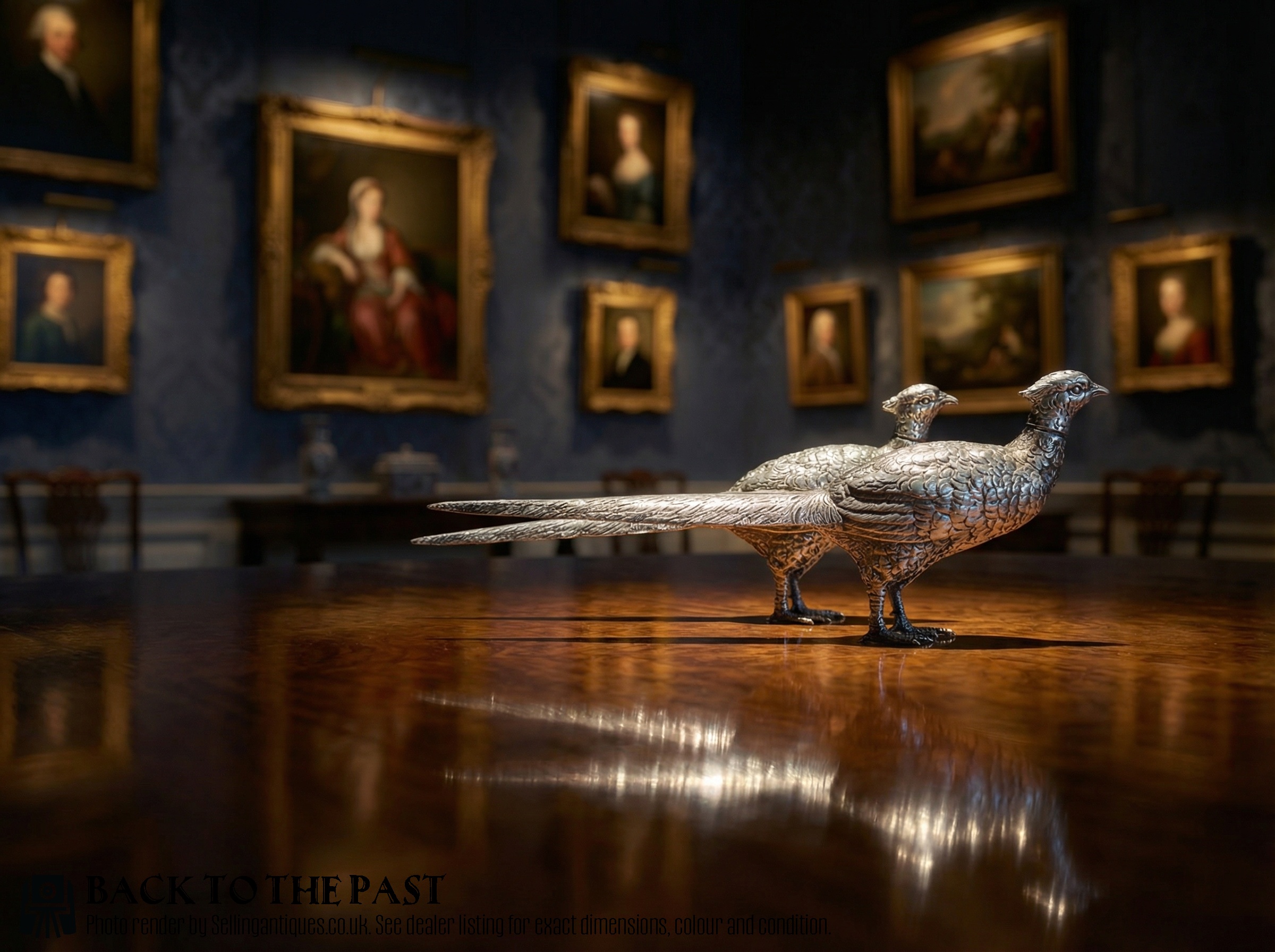
While many animals appear as single figures, certain species like pheasants and owls are frequently found as matching pairs for opposite ends of the table.
Pairs usually mirror each other in posture and orientation.