



Silver and Blue Glass
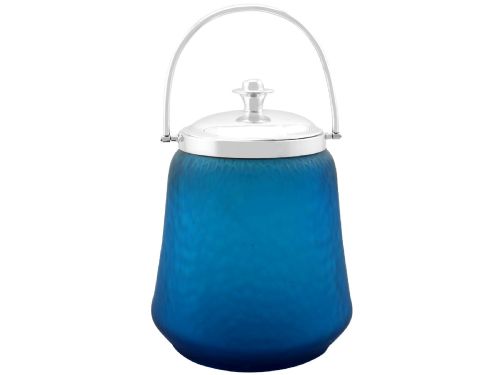
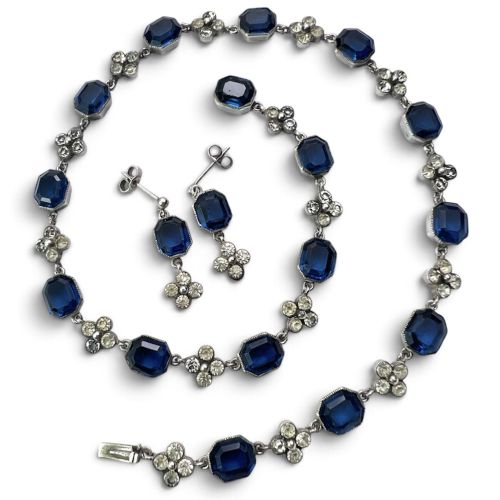
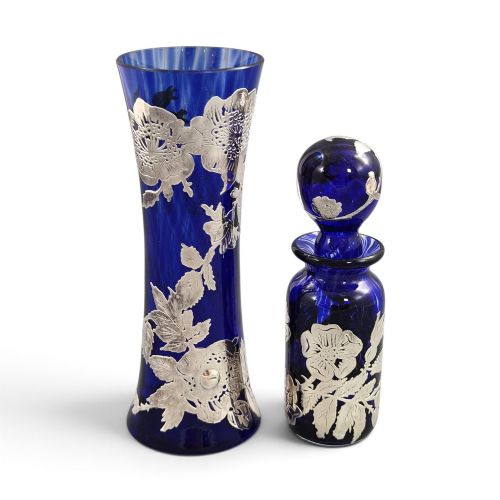
Silver and blue glass brings together cool metal and vibrant cobalt, teal, or opaline shades in small domestic vessels and decorative objects.
Silver and Blue Glass
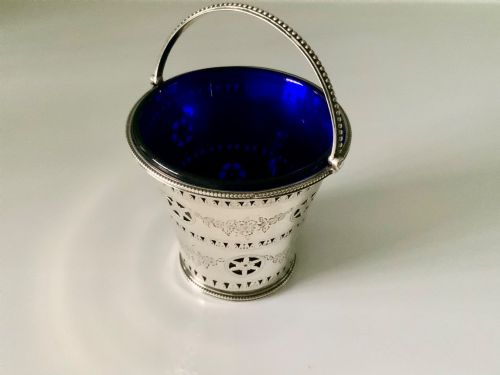
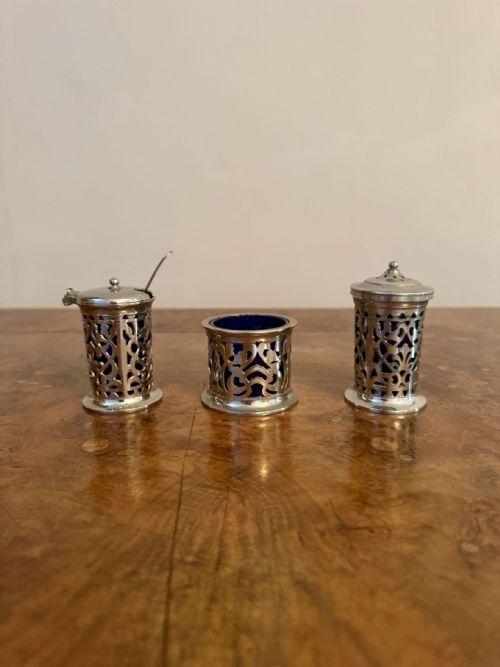
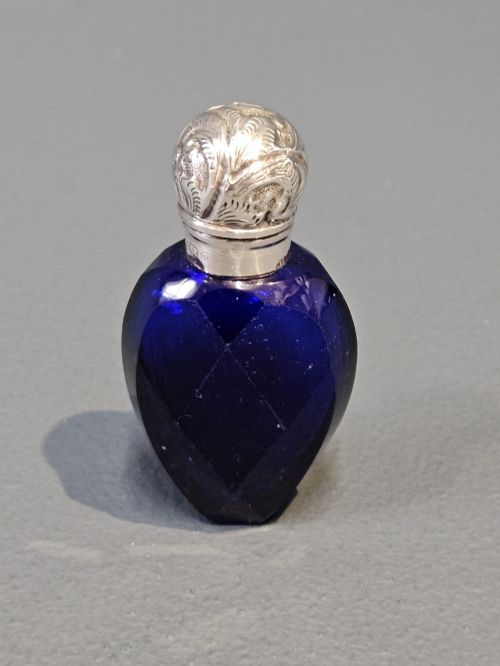
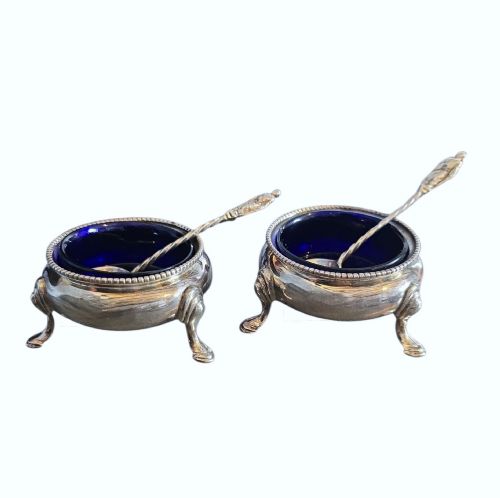
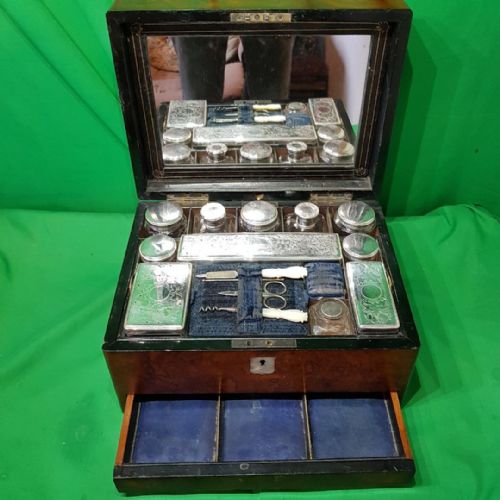
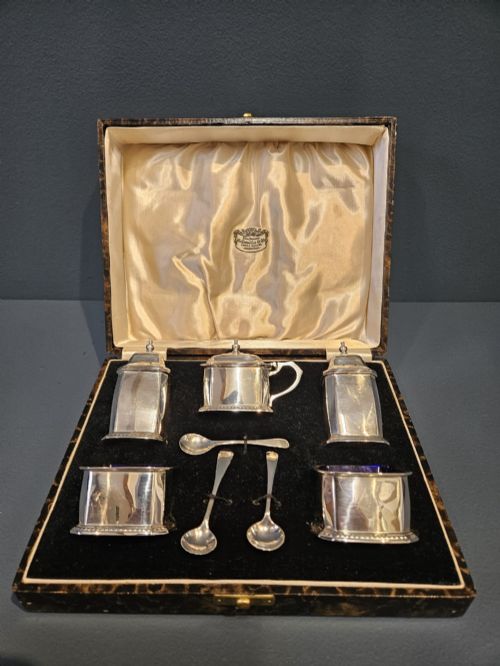
Silver and blue glass predominantly comprises small functional vessels and dressing table accessories produced during the Victorian, Edwardian, and Art Deco periods. Mustard pots, salt cellars, sugar bowls, and scent bottles form the core of what collectors encounter.
How they were made
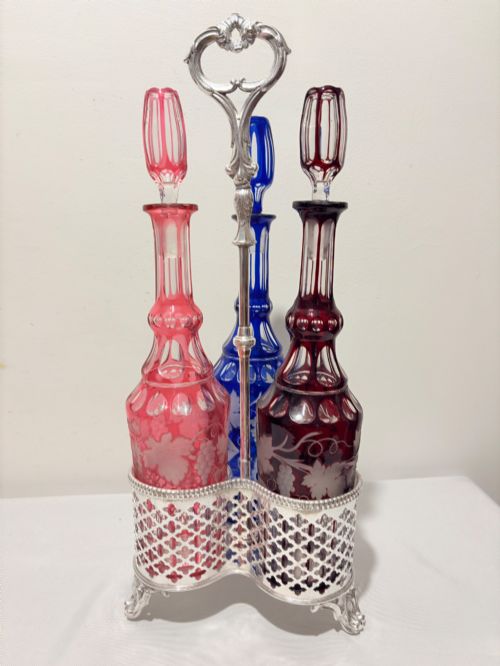
Makers combined sterling silver or silver plate with blown, cut, and overlaid glass, frequently utilising cobalt or Bristol blue hues. Metal mounts were cast, pierced, and engraved before being fitted to glass bodies shaped by hand or mould.
Enamel work appears across dressing table jars and magnifying glasses, where guilloche techniques laid translucent coloured enamel over engine-turned metal grounds.
Silver and Blue Glass Retail Price Guide 2026
Typical asking prices for silver and blue glass among the pieces listed under this phrase on Sellingantiques today, from the lower quarter to the upper quarter. They describe what is for sale here now, not the wider market.
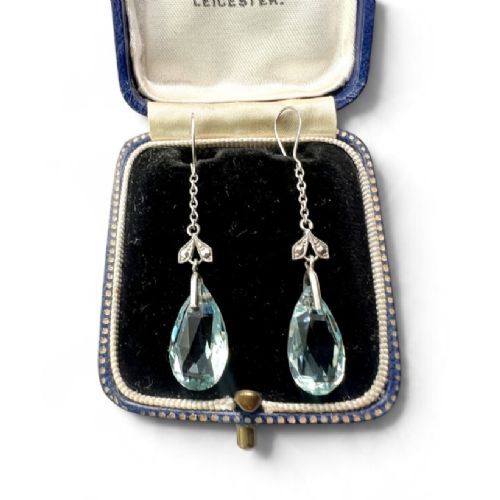
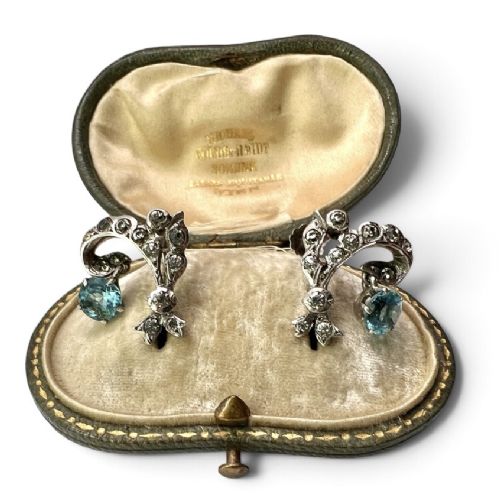
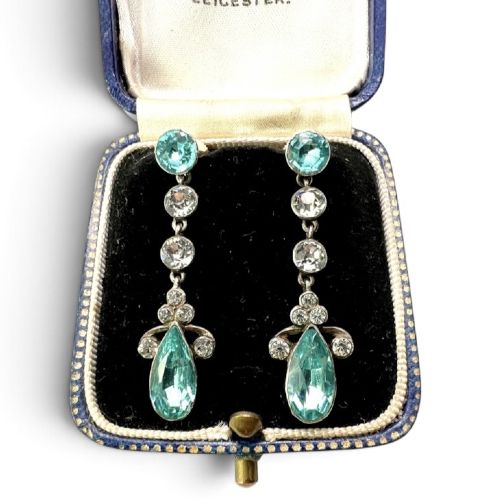
Listings feature items spanning the Georgian period through to the 1930s, combining sterling silver, silver plate, enamel, and cut glass.
What varies in quality
Quality rests on the crispness of the silver piercing, the weight and clarity of the glass, and the precision with which the metal mount fits the vessel. Finer examples display heavier gauge silver and deep, uniform colour within the glass without internal bubbling.
Makers' marks and assay office stamps provide an indication of origin and standard, while delicate hand-applied enamel work elevates dressing table items above standard production.
Henry Clifford Davis·Nathan and Hayes·Aldridge and Green·Loetz Witwe·William Neale·Sampson Mordan·Charles May
The Silver and Blue Glass Glossary
- Cobalt glass
- A deep blue glass coloured by the addition of cobalt oxide during manufacture. It remains one of the most frequent shades found in Victorian and Edwardian condiment liners.
- Guilloche enamel
- A decorative technique where translucent enamel is layered over a metal surface that has been mechanically engraved with a repetitive pattern. It appears commonly on Art Deco dressing table sets.
- Pierced silver
- Metalwork cut through to create openwork decorative patterns, frequently utilised on mustard pots and sugar baskets. This technique allowed the underlying blue glass liner to remain visible.
- Opaline glass
- An opaque or translucent pale glass developed in the nineteenth century, often seen in delicate scent bottles mounted with silver.
- Silver plate
- A base metal coated with a thin layer of sterling silver, widely utilised for condiment frames and carafes from the Victorian era onward.
Silver and Blue Glass: Frequently Asked Questions
What are silver and blue glass mustard pots?
These small condiment containers consist of an outer cage of pierced or solid sterling silver fitted with a removable blue glass liner. They sat on dining tables during the Victorian and Edwardian periods to hold prepared mustard.
The contrasting blue glass showed brightly through the decorative openwork of the silver mount, adding colour to formal table settings.
How do I date a silver and blue glass scent bottle?
Dating relies heavily on the hallmarking stamped onto the silver collar or lid, which indicates the assay office and year of manufacture. Stylistic markers such as faceted cutting or overlay work also point towards Victorian or Edwardian production.
Unmarked pieces require closer inspection of the glass forming techniques and the shape of the silver mount to establish an approximate period.
Were blue glass liners made to fit existing silver?
Liners were produced specifically to fit their corresponding silver frames during initial manufacture, particularly for salt cellars and sugar baskets. Because glass is fragile, replacement liners often appeared later when original components broke.
A correct original fit sits flush within the silver mount without excessive movement or gaps.
What is Bristol blue glass?
Bristol blue is a deep, rich cobalt shade historically associated with glasshouses operating in the Bristol area during the eighteenth and nineteenth centuries. The colour is achieved through specific mineral composition during the melting process.
Victorian makers revived the style extensively for scent bottles, finger bowls, and overlay decanters.