





Signed Wooden Sculptures
Signed wooden sculptures bring together individual artistic hands and organic material, offering collectors unique carvings that carry distinct signatures of their makers.
Signed Wooden Sculptures
Signed wooden sculptures encompass a diverse array of figural carvings, trade signs, and models originating from the eighteenth century through the early decades of the twentieth century. These pieces bridge the gap between traditional folk art, commercial advertising, and academic portraiture.
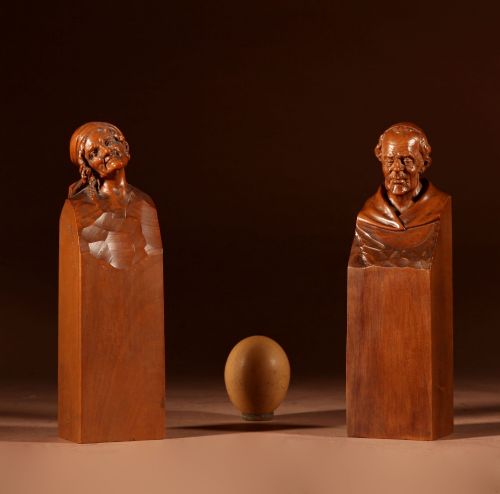
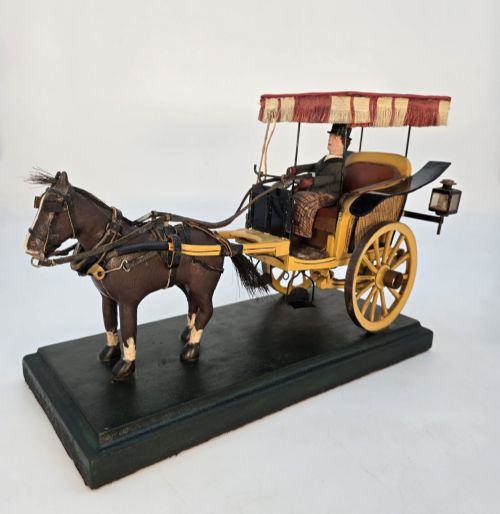
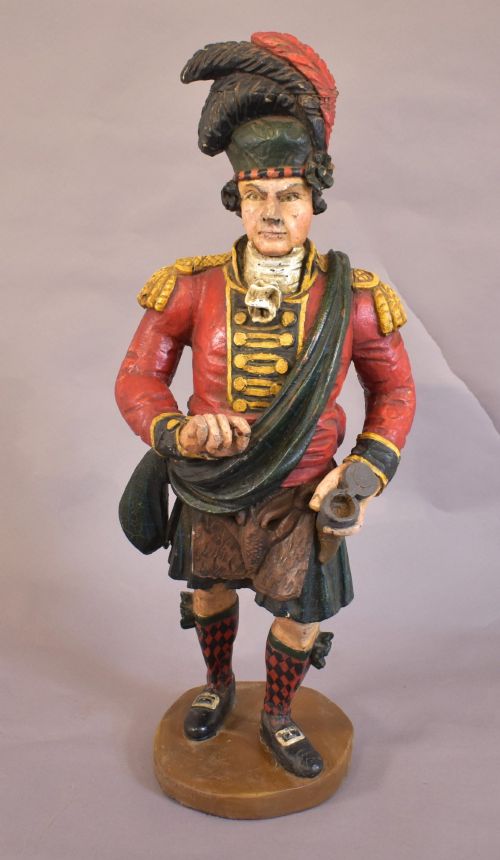
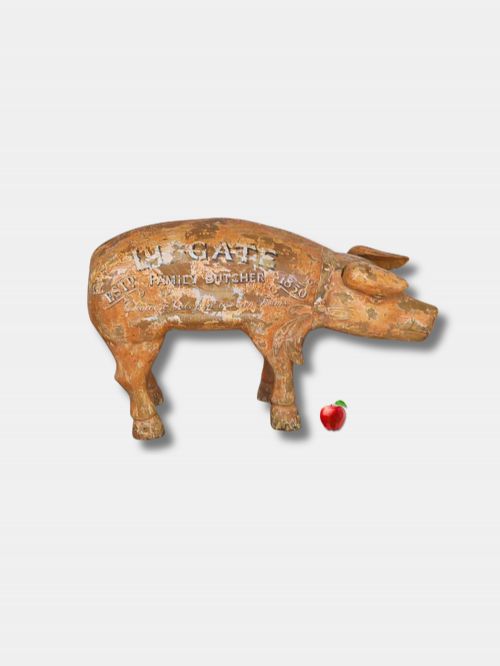
The objects take many forms, from intricate pearwood portrait heads and Black Forest animal pairs to large trade signs and detailed folk art carriages. Buyers encountering this selection will find domestic ornaments alongside robust commercial pieces carrying signatures or initials.
Origins span across Europe and America, including specific regional works such as Tyrolean wood carvings, Italian studies, and Bolivian hardwood bookends. Each piece demonstrates how makers marked their creations to claim authorship over their craftsmanship.
Materials and construction
Surface finishes frequently incorporate polychrome paint, gesso, and metal details to enhance the visual impact of the carved forms. Paint applied to trade signs and tobacco figures protected the wood whilst providing bold colours for commercial visibility.
Signed Wooden Sculptures Retail Price Guide 2026
Typical asking prices for signed wooden sculptures among the pieces listed under this phrase on Sellingantiques today, from the lower quarter to the upper quarter. They describe what is for sale here now, not the wider market.
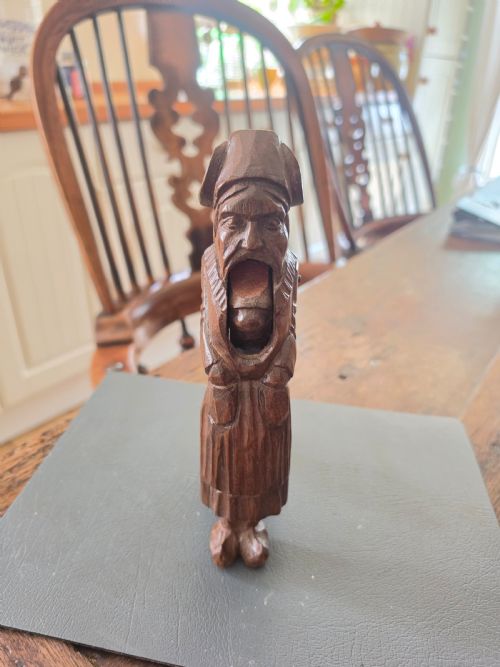
The selection includes functional objects such as nutcrackers alongside pure sculptures, trade signs, and scratch-built models.
Evaluating quality and execution
Quality rests primarily in the anatomical precision and expressive depth of the carving, distinguishing master carvers from commercial workshop output. Finer pieces demonstrate careful attention to grain and proportion, whether capturing human emotion or animal form.
The clarity and permanence of the signature or maker's mark add significant weight to a piece, validating its attribution and historical context. Legible signatures transform anonymous folk art into documented works of individual artistry.
V Ramirez Bolivia·Boudewijn Tuerlinckx
The Signed Wooden Sculptures Glossary
- Pearwood
- A fine-grained hardwood favoured by European carvers for intricate miniature work and detailed portrait heads. Its uniform texture allows for sharp, precise cuts.
- Black Forest
- A designation for carved wooden figures and animal groups originating from the Swiss and German mountain regions. These pieces often depict native wildlife with realistic glass eyes and textured fur.
- Écorché
- An anatomical study showing a human or animal figure with the skin removed to display the musculature underneath. Artists utilised these carved models for academic reference.
- Trade Sign
- A large wooden or painted sculpture commissioned by businesses to advertise their services to the street. Examples include butcher signs, tobacco figures, and fish shop displays.
- Netsuke
- A small carved toggle traditionally used in Japanese costume to secure a pouch or container. Western makers occasionally adopted this miniature format for signed wooden works.
Signed Wooden Sculptures: Frequently Asked Questions
What periods do these sculptures cover?
The pieces span from the eighteenth century through the Edwardian era and into the Art Deco period of the nineteen twenties and thirties.
This broad timeline incorporates nineteenth-century folk art alongside early twentieth-century academic and commercial carvings.
How do I identify a trade sign?
Trade signs were constructed on a larger scale to attract custom for specific trades such as butchers, tobacconists, and fishmongers.
They frequently feature robust pine or oak construction coated in painted finishes designed to withstand outdoor placement.
Where were these signed carvings made?
Origins are geographically diverse, ranging from English and French workshops to Italian studios, Tyrolean valleys, and Bolivia.
Regional traditions heavily influenced the choice of timber and the specific subject matter favoured by the carver.
How should I display wooden sculptures?
These sculptures require stable indoor environments away from direct sunlight and extreme humidity fluctuations to protect the wood and paint.
Placing them on secure surfaces allows the carved details and maker signatures to be examined closely.