


Carved Wood Busts
Carved wood busts bring sculptural presence into a room, capturing historical figures, saints and literary icons in solid timber.
Carved Wood Busts
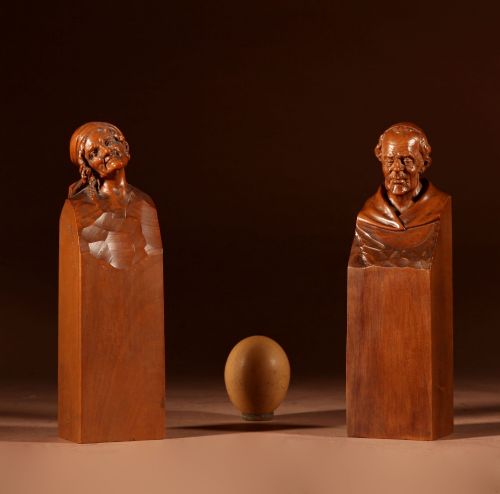
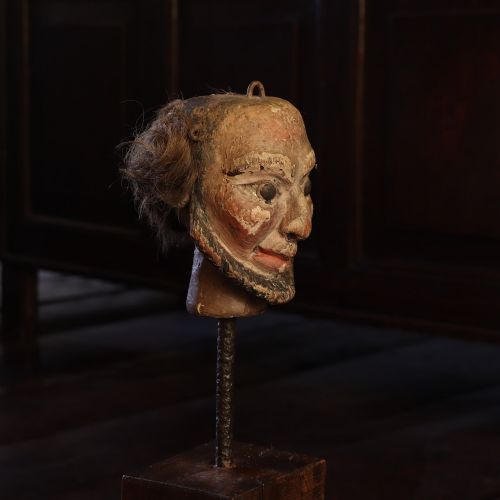
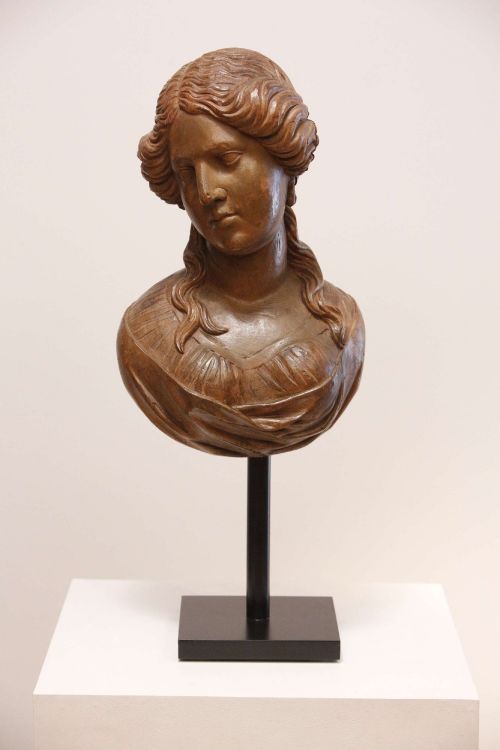
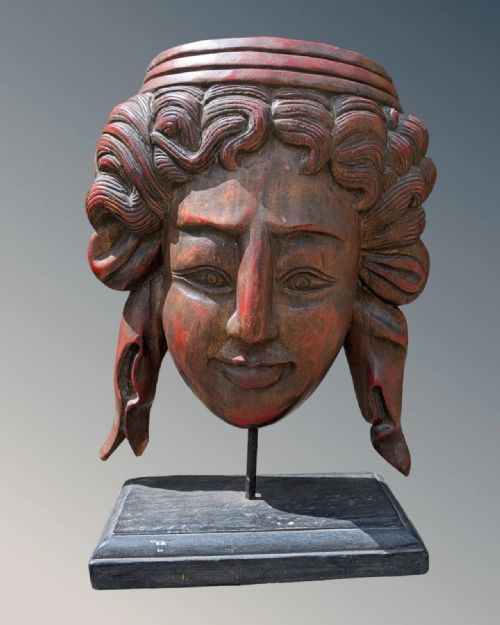
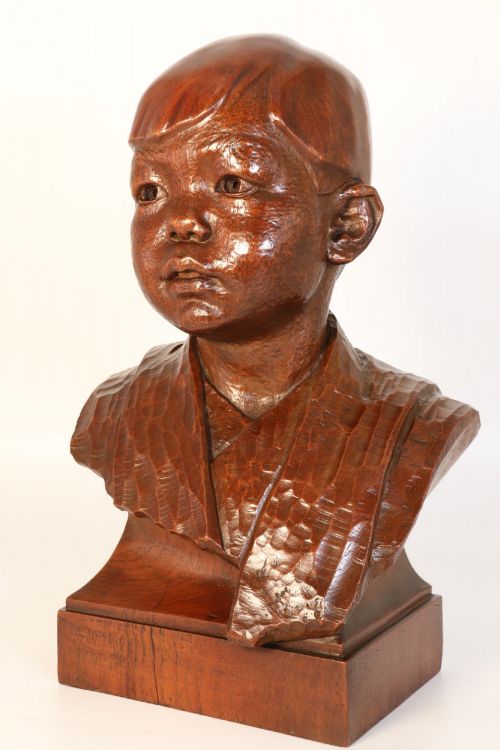
When you search for carved wood busts, you encounter portrait sculptures and character heads spanning several centuries of craftsmanship. The selection ranges from devotional figures and classical subjects to folk art pieces and literary portraits.
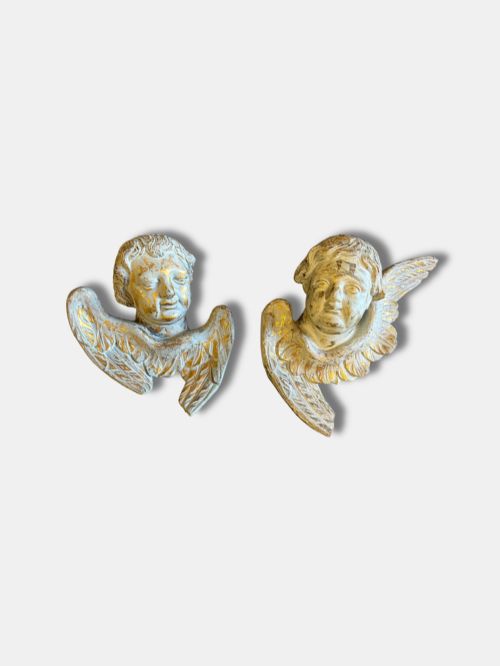
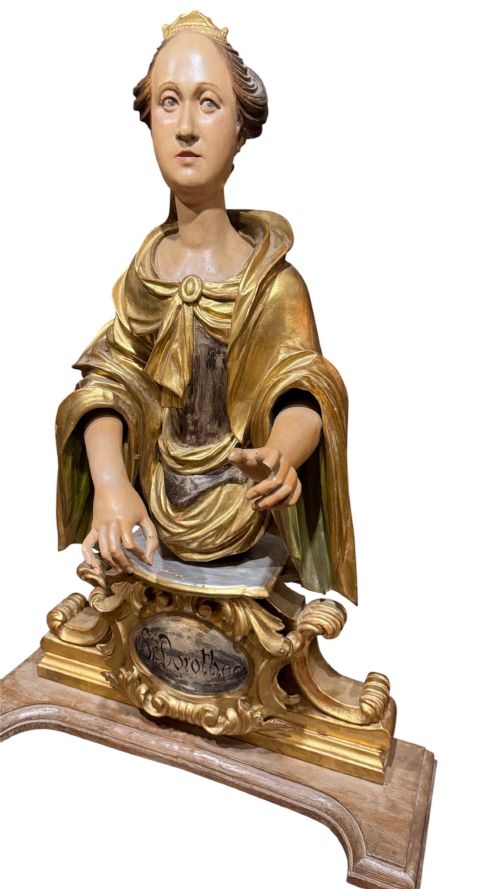
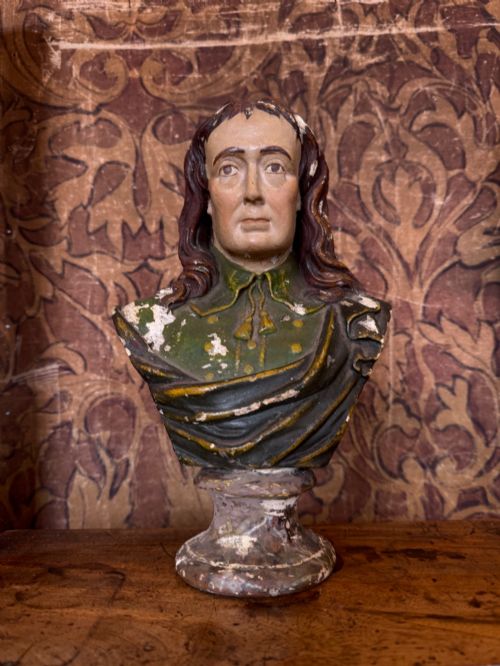
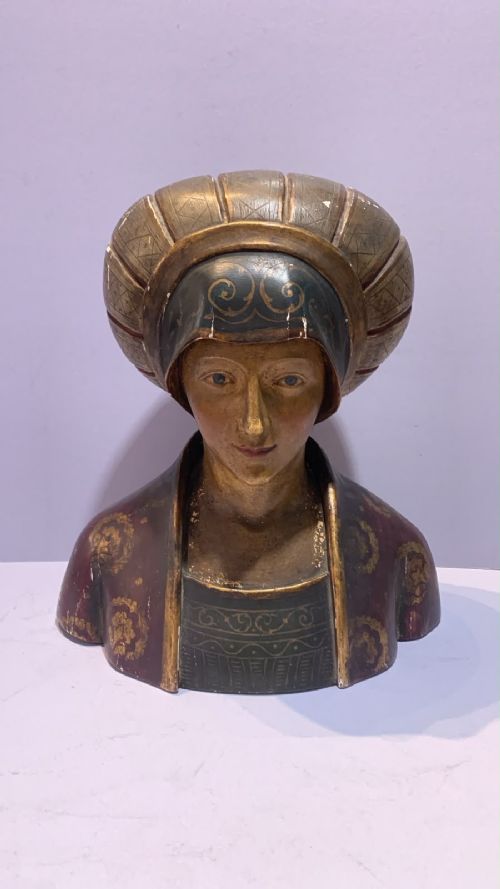
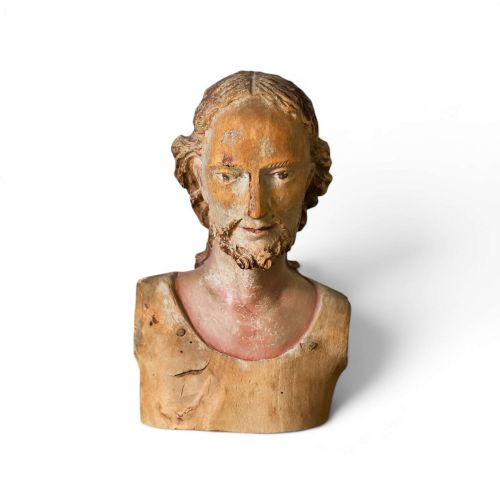
The most common examples on this page date from the eighteenth and nineteenth centuries, reflecting both grand ecclesiastical workshops and vernacular folk traditions. Pieces appear in various timber types, occasionally retaining their original polychrome paint or giltwood finishes.
Materials and carving techniques
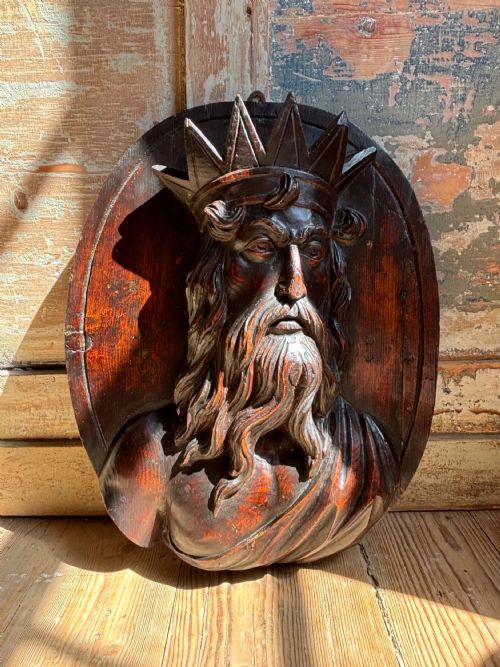
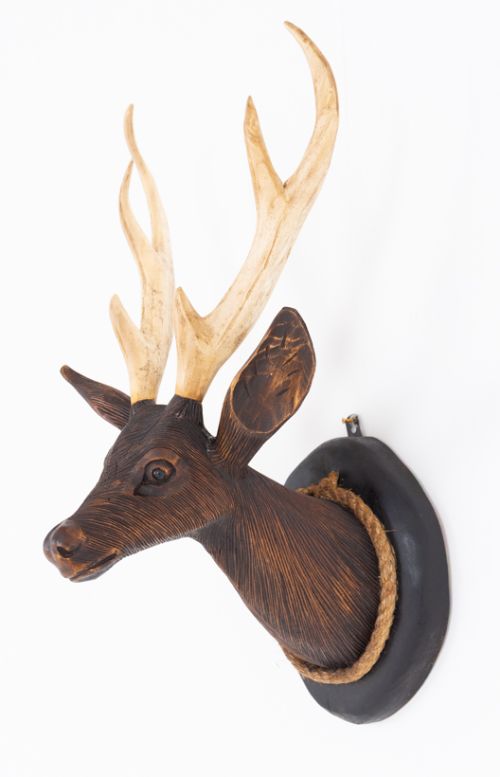
Carvers utilised regional hardwoods such as oak, walnut, mahogany, pear wood and olive wood to shape these three-dimensional portraits. Grain patterns and natural density dictated the depth of detail achievable in hair, drapery and facial expressions.
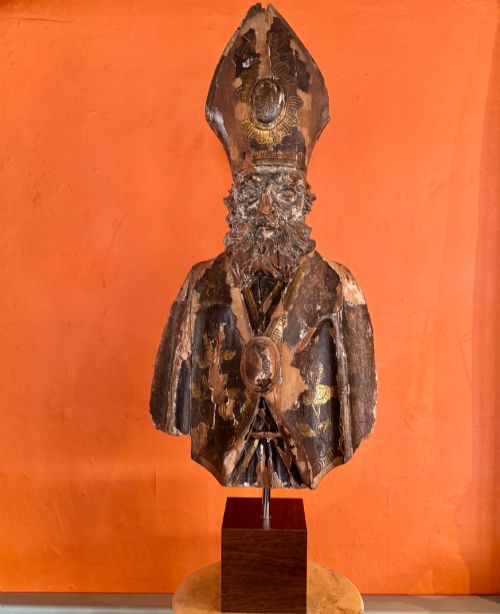
Many historical examples received supplementary treatments such as gesso application, gold leaf gilding or polychrome paint layers to enhance realism and devotional impact. Tool marks left by gouges and chisels remain visible on the reverse or interior of many traditional works.
Carved Wood Busts Retail Price Guide 2026
Typical asking prices for carved wood busts among the pieces listed under this phrase on Sellingantiques today, from the lower quarter to the upper quarter. They describe what is for sale here now, not the wider market.
Listings feature works carved from walnut, oak, mahogany, pear wood, yew burr and olive wood across the seventeenth, eighteenth and nineteenth centuries.
What separates the finest examples
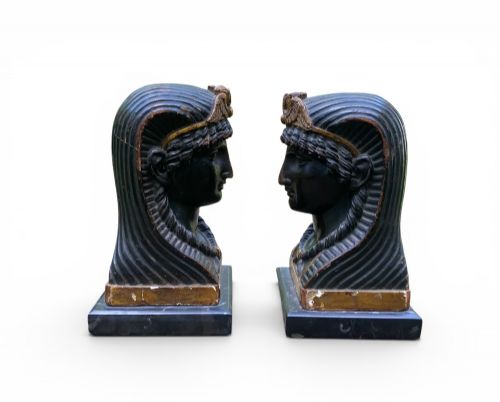
Quality rests upon the naturalism of the facial expression, the precision of the carving in complex areas such as hair and lace, and the integrity of the timber. Master carvers captured psychological depth and anatomical proportion rather than relying on stiff symmetry.
The survival of original surface treatments, whether polychrome pigment, subtle gilding or aged wax polish, preserves the intended aesthetic of the maker. Later overpainting or structural splitting diminishes the integrity of an antique sculpture.
George Henry Paulin·Boudewijn Tuerlinckx·Laszlo Hoenig
The Carved Wood Busts Glossary
- Polychrome paint
- Decoration utilising multiple colours applied to the surface of timber or gesso. This technique brought devotional sculptures and character heads closer to life.
- Giltwood
- Timber treated with a thin layer of gold leaf over a prepared ground. It added luminance to ecclesiastical figures and decorative wall sconces.
- Gesso
- A plaster-like mixture applied to wood as a smooth base for gilding or painting. It allowed carvers to refine fine details before adding colour.
- Ecclesiastical
- Pertaining to the Christian church and clergy. These items frequently depicted saints, bishops and biblical figures for religious settings.
- Folk art
- Utilitarian or decorative objects created by self-taught or provincial makers outside academic traditions. These pieces prioritise expressive character over strict classical proportion.
Carved Wood Busts: Frequently Asked Questions
How do I date a carved wood bust?
Dating relies upon tool marks, timber species, costume details and the wear patterns visible across the unsealed areas of the wood. Stylistic cues often align with the prevailing artistic movements of a specific century.
Secondary indicators include the presence of original gesso, historical pigments, or shrinkage cracks that confirm considerable age and natural drying over generations.
Where should I display a wooden bust?
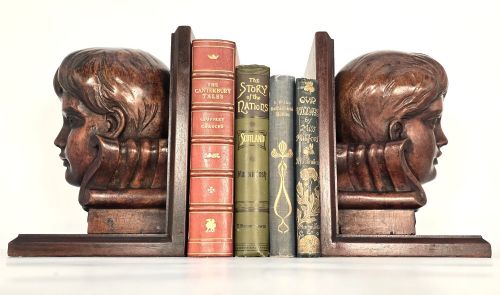
These sculptures suit placement on sturdy bookshelves, side tables, or dedicated pedestals where lighting highlights the contours of the carving. Avoid positioning them in direct sunlight or near heat sources.
Stable room humidity prevents the timber from drying out too rapidly, which protects against splitting and joint movement in older pieces.
What is the difference between ecclesiastical and secular busts?
Ecclesiastical pieces typically represent saints, bishops or biblical figures intended for religious devotions or architectural settings. They frequently feature polychrome paint or giltwood finishes.
Secular examples depict literary figures, historical personages, or character studies created for domestic libraries, studies and grand tour collections.