

Signed Victorian Watercolour Art
Signed victorian watercolour art brings direct brushwork from the nineteenth century into the room, offering framed landscapes and portraits bearing the personal mark of the painter.
Signed Victorian Watercolour Art
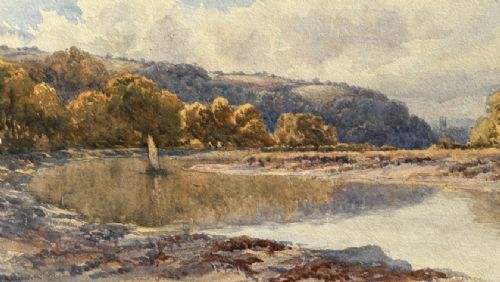
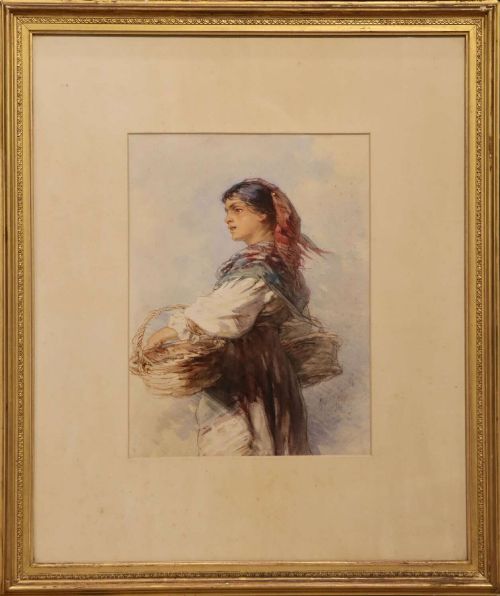
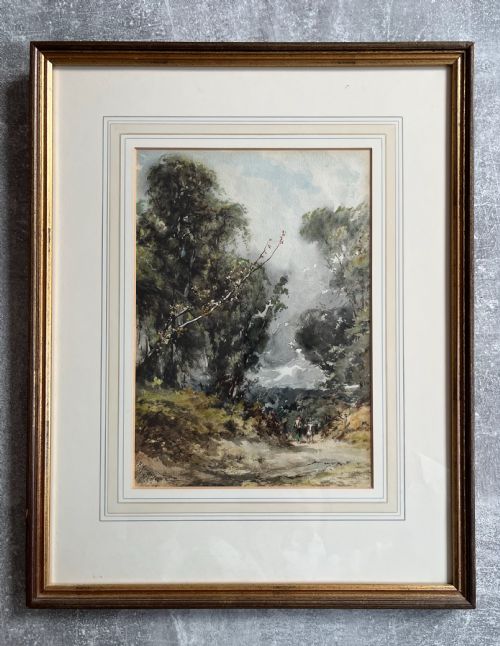
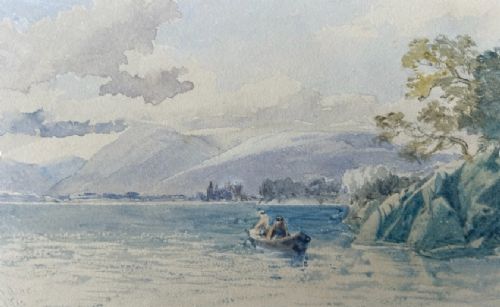
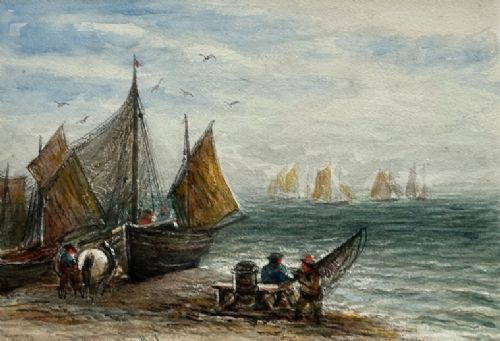
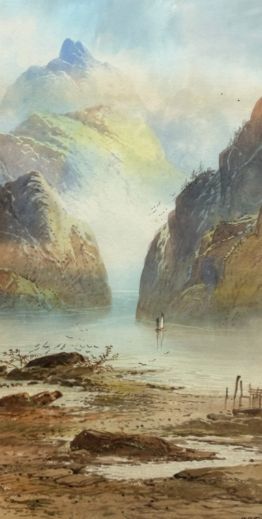
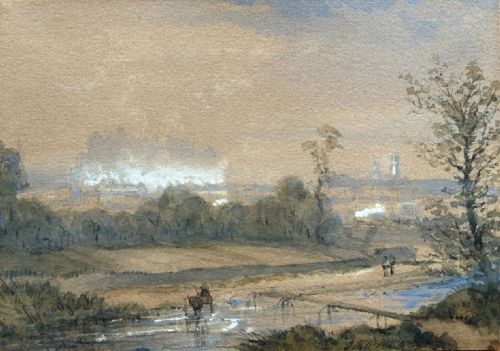
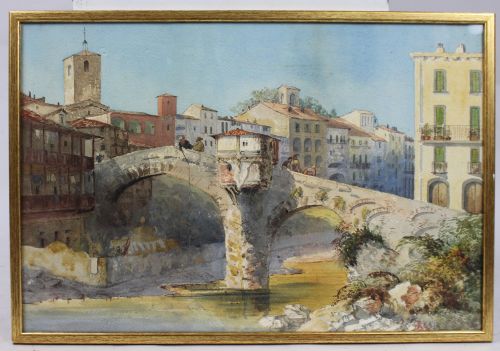
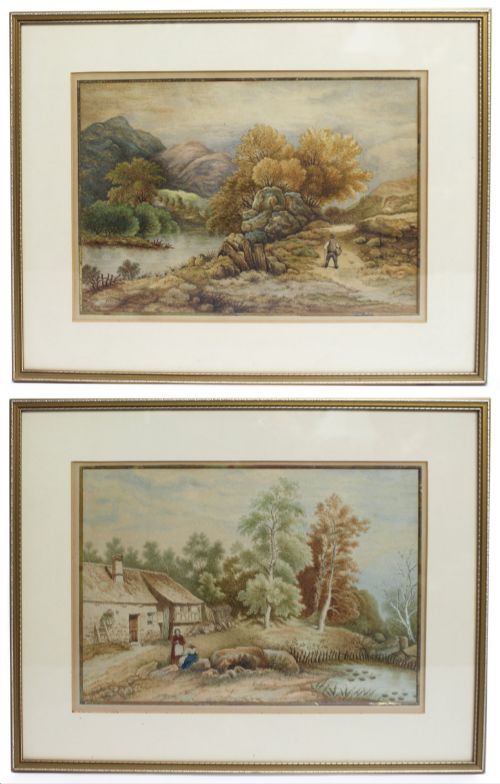
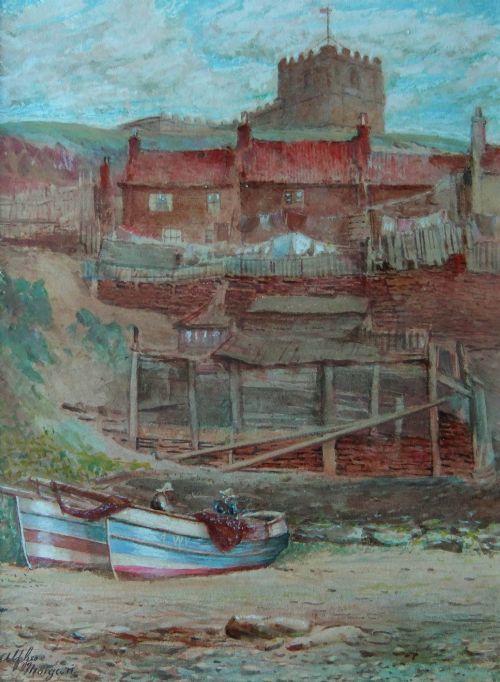
When you search for signed victorian watercolour art, you encounter original paintings executed on paper during the nineteenth and early twentieth centuries. These works span subjects ranging from Scottish and Welsh landscapes to coastal scenes in Yorkshire and Cornwall, alongside botanical studies and figurative portraits.
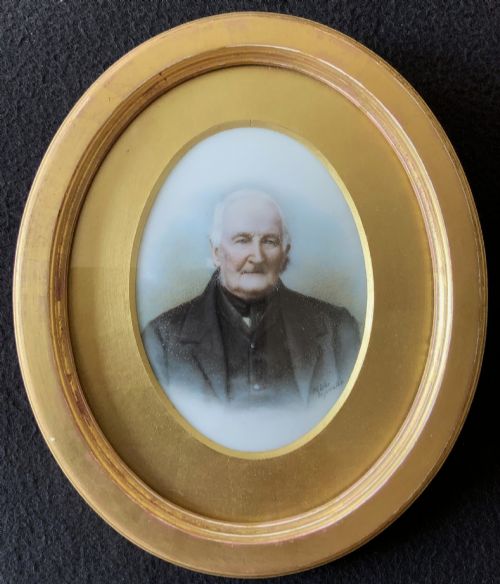
Most examples found here date from the mid to late nineteenth century up to nineteen-ten, capturing the shift towards British Impressionism and naturalism. The surviving pieces appear in varied formats, including single framed paintings, pairs, and miniature portraits under glass.
Materials and construction
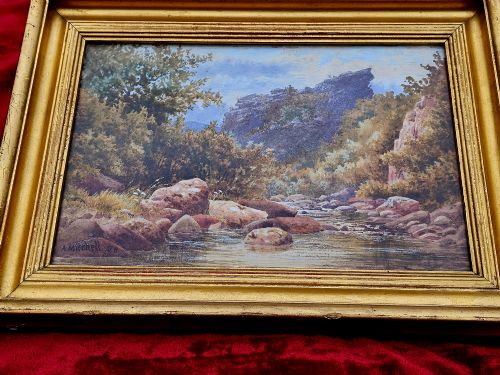
The works rely upon watercolour pigment applied to paper sheets, often mounted behind protective glass within period wooden frames. Many of these frames feature gilt wood mouldings that complement the delicate tones of the pigment.
Artists utilised varied brush techniques to build translucent washes and opaque highlights, allowing the white of the paper to provide luminosity. Signatures and monograms appear in ink or pencil, frequently accompanied by dates that anchor the execution of the painting.
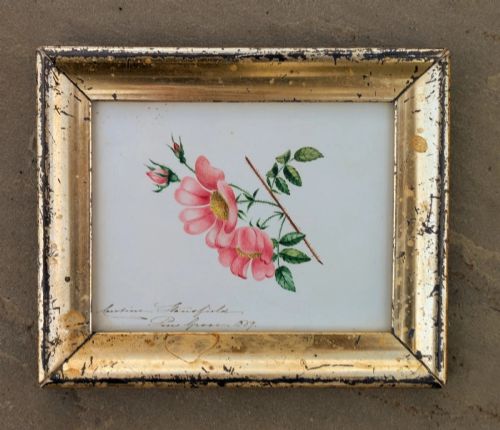
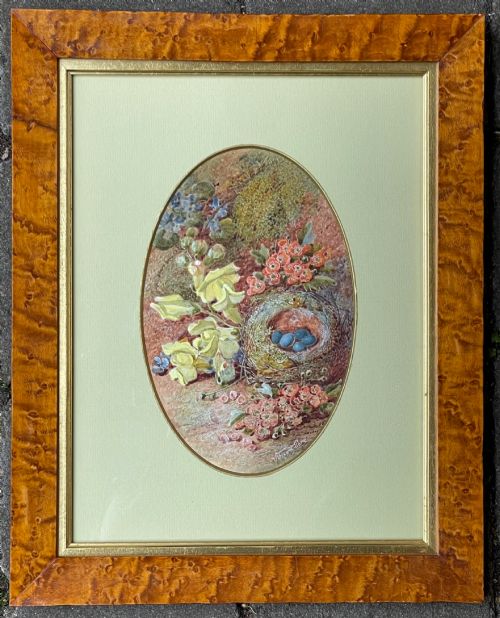
Subject matter across the inventory includes Scottish landscapes, Yorkshire coastal scenes, botanical studies of wild roses and pansies, and portrait miniatures.
Distinctions in quality
Quality rests upon the confidence of the brushwork and the precision of the composition, distinguishing accomplished academic output from amateur sketching. Stronger works display deliberate control of light and atmosphere, particularly in coastal seascapes and expansive landscapes.
The preservation of the pigment also dictates merit, as exposure to light can diminish delicate hues over decades. Original framing and clear signatures enhance the documentary value of the piece.
David Law·Guido Bach·Thomas Miles Richardson Jnr·James Orrock·William Henry Earp·John R Prentice·William Banks Fortescue·Vincent Clare·R Hurst·Th Thibault·Alfred G Morgan·Thomas Bush Hardy·F J Aldridge·Colin H Greenwood·Henry Bailey·Lester Sutcliffe·John Syer·William Joseph Boyes·Robert Buchan Nisbet·Frederick William Booty·Kate E Booth·William Stephen Coleman·Edmund Morris Wimperis·Grace Hastie
The Signed Victorian Watercolour Art Glossary
- Monogram
- A cipher or set of initials combined into a single mark by the artist, often used in place of a full signature.
- Gilt wood
- Wood coated with a thin layer of gold leaf or metallic gilt, commonly used for nineteenth-century picture frames.
- Diptych
- A painting comprising two separate hinged or matched panels displayed as a single artwork.
- Watercolour pigment
- Finely ground colour particles mixed with a water-soluble binder, applied to paper support.
- Miniature painting
- A portrait or detailed scene executed on a very small scale, frequently housed under protective glass.
Signed Victorian Watercolour Art: Frequently Asked Questions
How should these watercolours be hung?
Display paintings away from direct sunlight to prevent the watercolour pigments from fading over time.
Ensure they hang in rooms with stable humidity levels to protect both the paper and the wooden frame.
Are all pieces dated?
Many examples bear handwritten dates alongside the artist signature, often added at the time of completion.
Unsigned or undated works can still be attributed through stylistic markers and period framing materials.
What subjects are most common?
British landscapes featuring rivers, mountains, and coastal harbours dominate the selection from this period.
Still life studies of flowers and botanical specimens also appear frequently alongside figurative compositions.
How do I identify a Victorian frame?
Period frames typically utilise moulded wood finished with gilt leaf or composition ornamentation suited to the nineteenth century.
Original backing boards and old paper labels often provide further clues to the framing history.