


19th Century Rose Painting
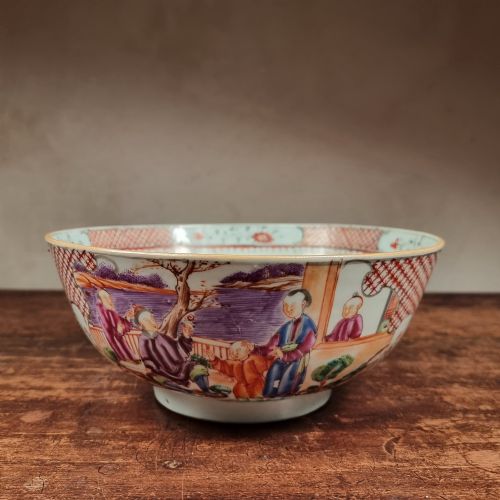
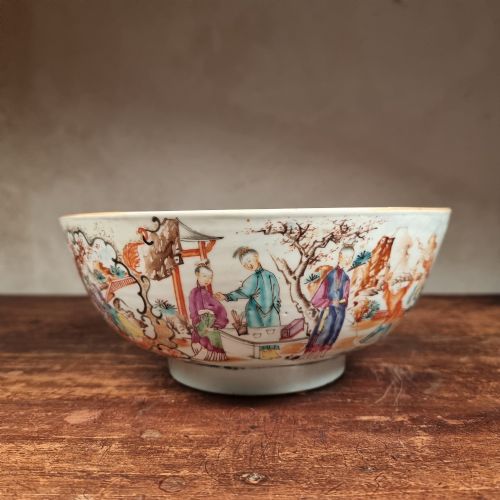
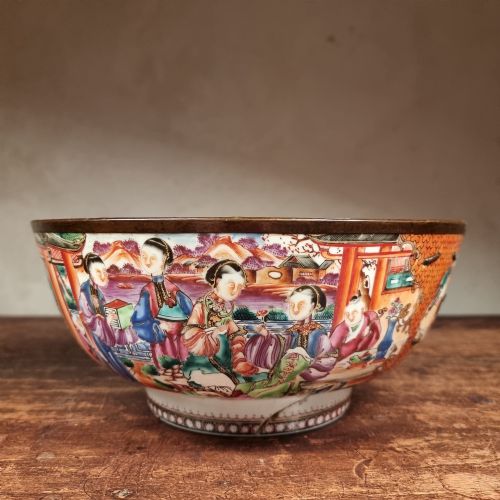
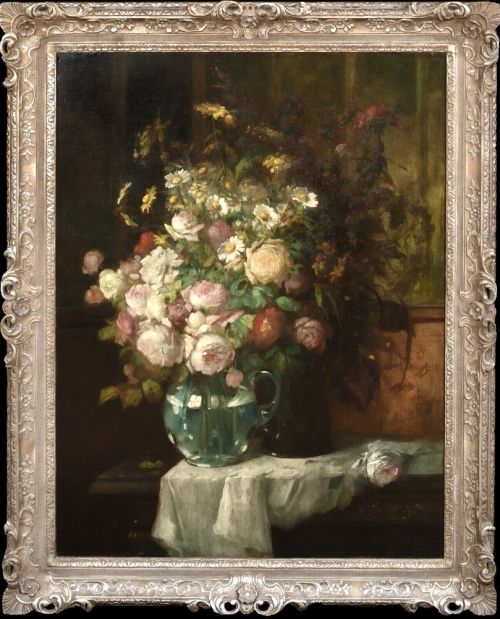
When you examine 19th century rose painting, you encounter delicate botanical studies and robust export porcelain decorated with floral motifs.
19th Century Rose Painting
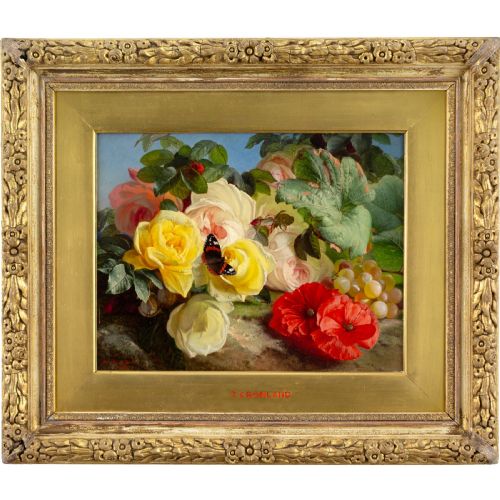
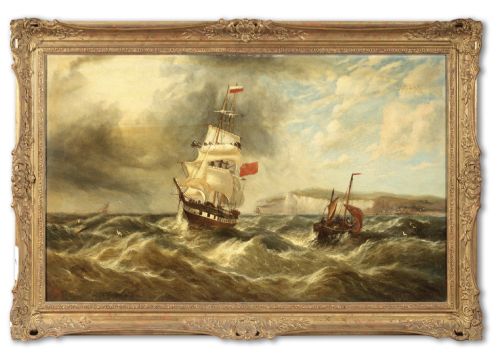
Buyers exploring 19th century rose painting encounter a diverse selection of fine art and decorative objects spanning multiple continents. The offerings include oil paintings on canvas and wood panel, alongside intricate works on paper and watercolour.
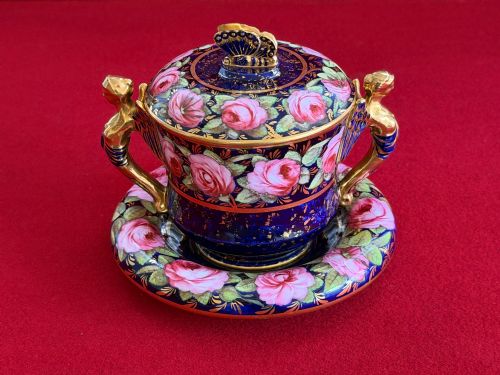
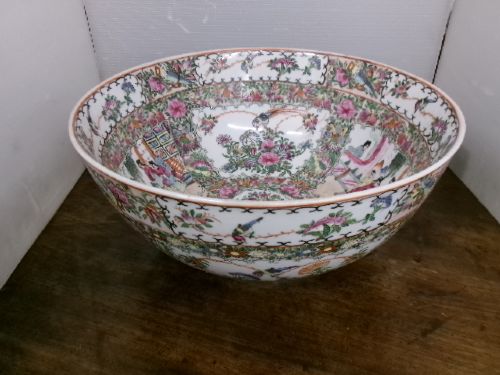
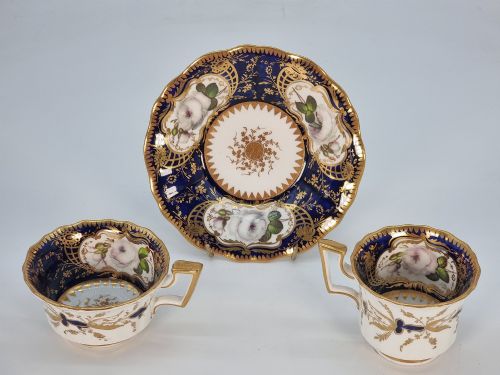
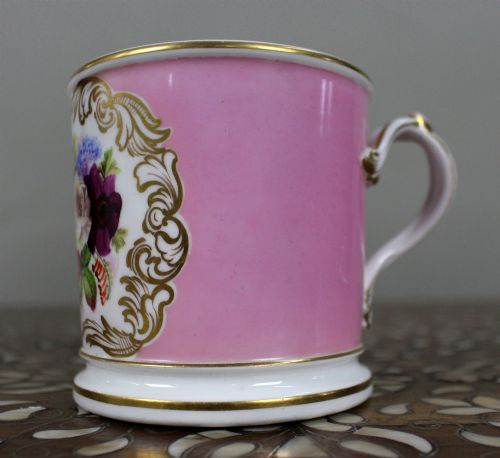
Beyond flat artwork, the category heavily encompasses Chinese export porcelain such as Canton vessels, punch bowls, and famille rose vases. English and European factories also contributed significantly with porcelain tankards, chocolate cups, and cabinet trios.
The objects frequently date from the Regency era through the late Victorian period, reflecting both Eastern trade traditions and Western academic still-life painting. Collectors will find everything from monumental floor vases to intimate snuff bottles within this grouping.
Materials and Construction Methods
Ceramic pieces rely on porcelain bodies decorated with overglaze enamel, gold leaf, and intricate gilding techniques. Chinese export wares utilise vibrant polychrome enamel palettes, often paired with hand-painted figural and botanical motifs.
Assessing Visual and Material Excellence
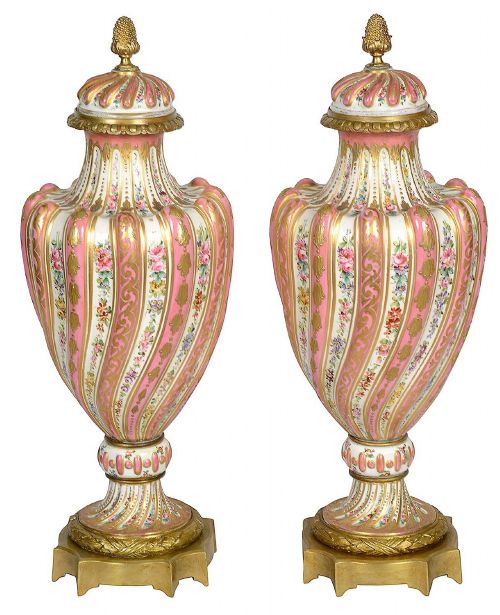
Quality in ceramic pieces manifests through the precision of the hand-painted enamel work and the crispness of the gilt detailing on the porcelain ground. Superior examples display dense, well-balanced compositions that cover large vase surfaces or deep punch bowls without crowding.
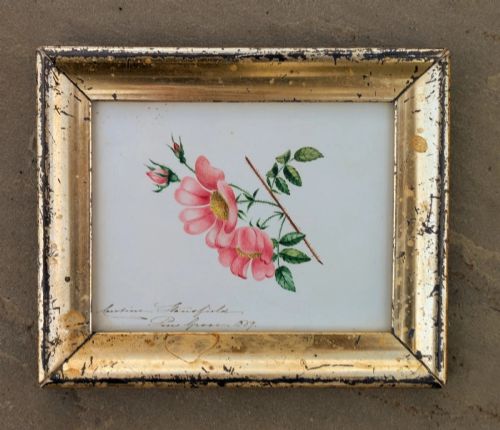
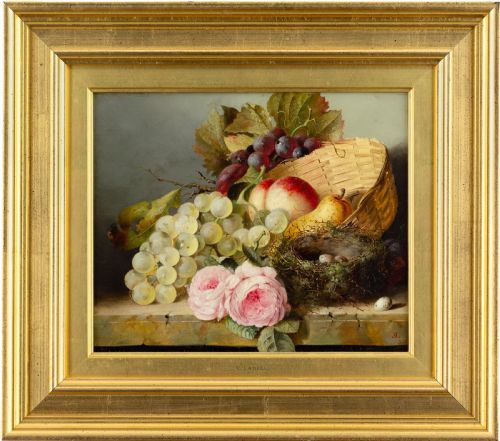
In painted works, the finesse of the brushwork and the naturalism of the floral arrangements distinguish finer items from standard decorative studies. The survival of an original signed attribution or an intact period frame adds distinct archival weight to canvas and panel works.
Theude Grönland·John Rose Miles·Carron Foundry·Grainger Worcester·Konstantin Stoitzner·Edward Ladell·Samson of Paris·Flight Barr And Barr
The 19th Century Rose Painting Glossary
- Famille Rose
- A major palette of Chinese ceramic glazes introduced in the Qing dynasty, distinguished by opaque pink or rose enamel colours derived from colloidal gold.
- Canton Porcelain
- Export porcelain decorated in Guangzhou, China, typically characterised by dense panels of figures, birds, butterflies, and flowers.
- Cabinet Trio
- A matching porcelain set comprising a teacup, coffee cup, and saucer, intended for display in a cabinet rather than regular dining use.
- Overglaze Enamel
- Coloured glass decoration applied to a previously fired and glazed ceramic surface, then fixed with a second, lower-temperature firing.
- Rose Pompadour
- A distinctive pink ceramic ground colour associated with mid-19th-century Worcester porcelain production.
19th Century Rose Painting: Frequently Asked Questions
What defines a famille rose bowl?
Famille rose bowls are Chinese export ceramics decorated with an opaque pink enamel derived from gold. They frequently feature detailed floral and figural scenes.
These pieces were produced in large quantities during the Qing dynasty for international trade markets.
How are nineteenth century watercolours preserved?
Nineteenth century watercolours require protection from direct sunlight to prevent the pigments from fading over time. Acid-free mounting helps preserve the integrity of the paper support.
Displaying them in dim environments ensures the delicate rose tones remain vibrant.
Where were canton vases made?
Canton vases were produced in the Guangdong province of China specifically for export to Western markets. They are easily recognised by their hand-painted panels of flowers and birds.
These large vessels arrived in European ports via maritime trade during the nineteenth century.
What is a porcelain punch bowl?
A porcelain punch bowl is a large vessel utilised historically for mixing and serving communal drinks at gatherings. They feature wide rims and deep basins decorated inside and out.
Many surviving examples from the nineteenth century originate from Chinese export workshops.