
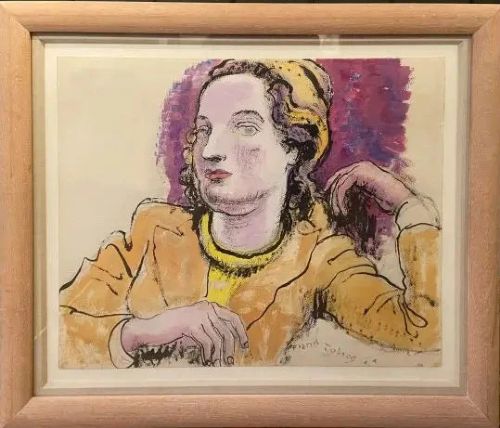
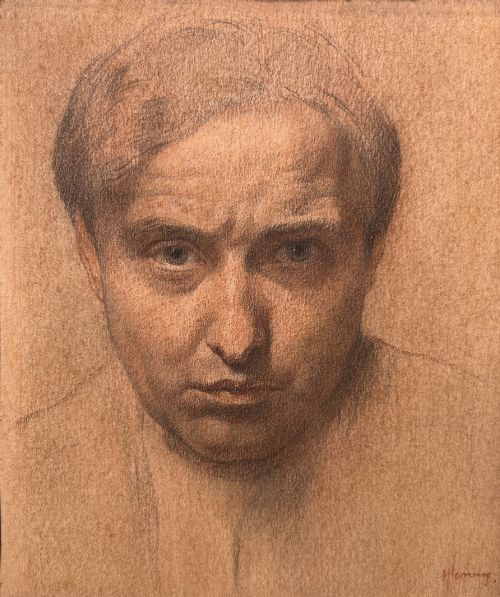
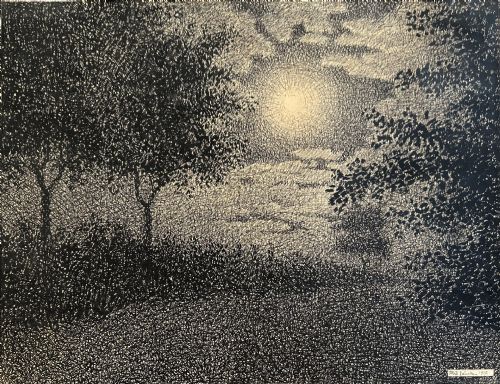
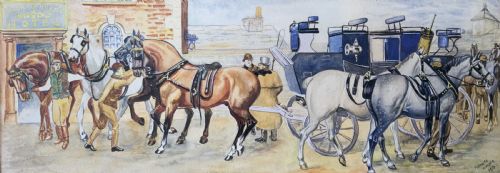


Signed Original Drawing
A signed original drawing brings immediate intimacy and the direct touch of the artist's hand into any room.
Signed Original Drawing
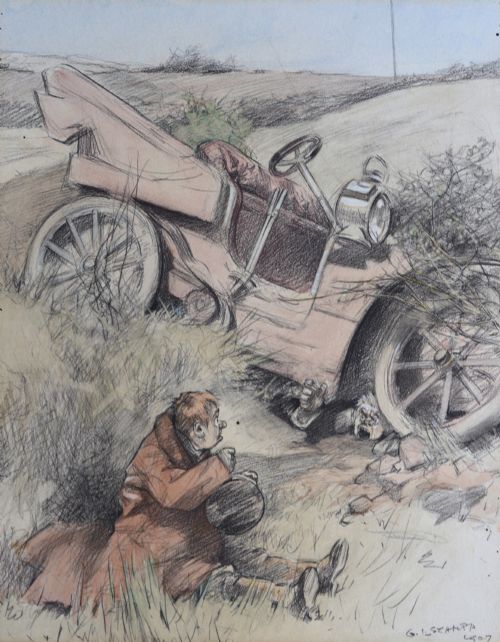
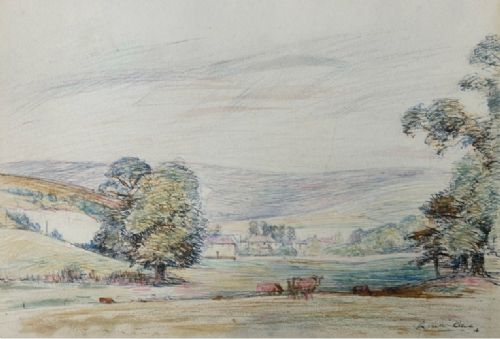
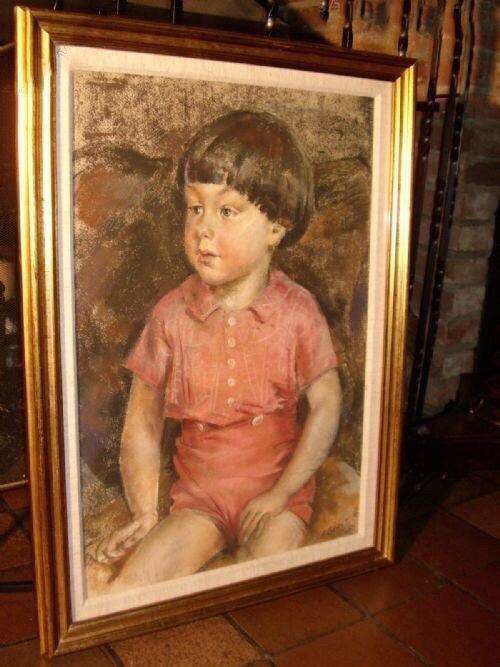
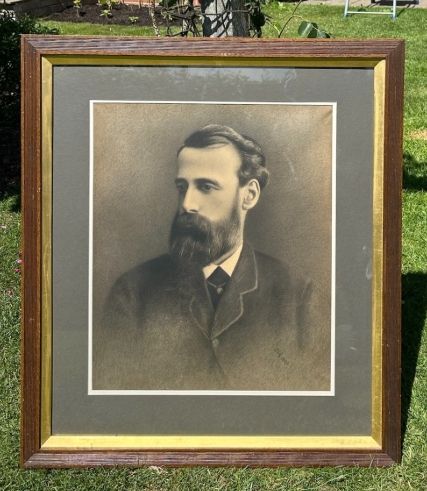
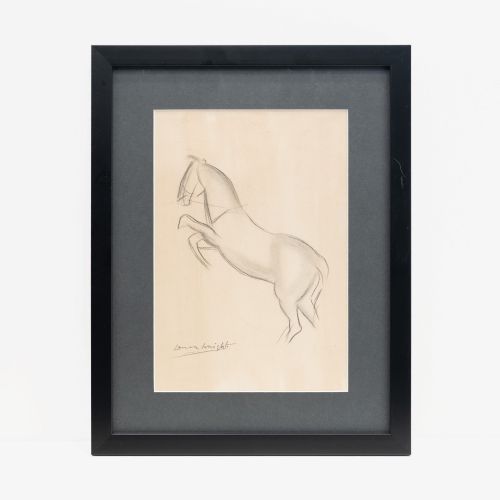
When searching for a signed original drawing, collectors encounter works on paper spanning from the Victorian era through the mid-20th century. These pieces include rapid preparatory sketches, finished landscape studies, and detailed portraiture.
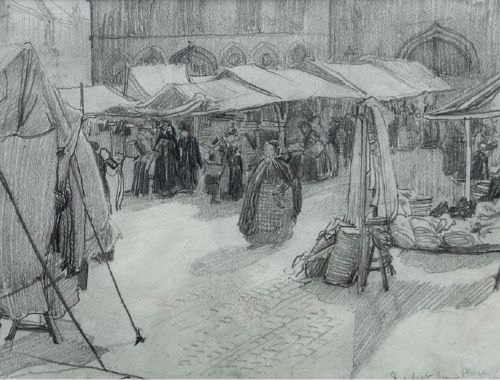
The selections available range from 19th-century architectural studies and maritime views to mid-century modern British abstractions and character portraits. Each piece provides a direct record of the creator's hand at a specific moment in time.
The physical forms include unframed works on paper alongside oak-framed and glazed drawings ready for immediate display. Buyers find both anonymous school pieces and firmly attributed works by noted artists.
How They Were Made
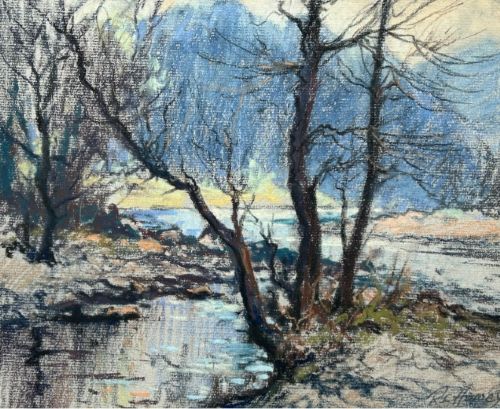
Artists utilised dry media such as graphite, charcoal, chalk, and pastel directly onto paper surfaces to capture immediate tone and texture. These materials allowed for rapid gestural marks as well as finely cross-hatched details.
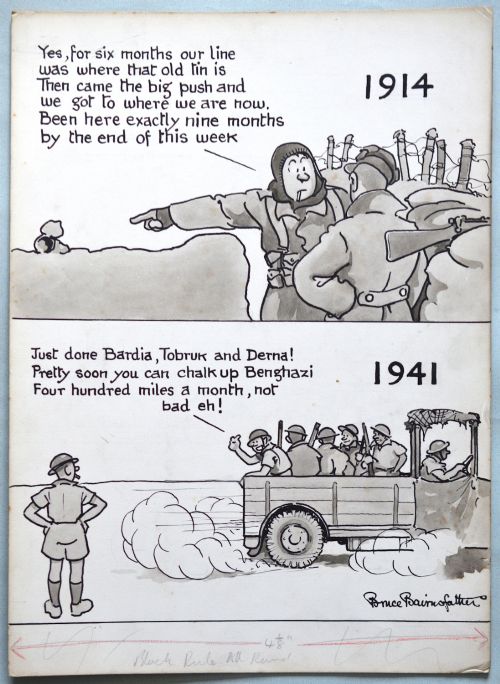
Wet media employed across the selections include traditional watercolour, gouache, pen and ink, and grisaille washes. These liquid applications provided makers with fluid lines and tonal depth, often combined over an underlying pencil framework.
The listings span works executed in graphite, ink, watercolour, pastel, and gouache on varied paper supports.
What Varies in Quality
The strength of the draftsmanship dictates the visual impact of the work, separating hesitant student exercises from confident master execution. Confident linework and deliberate economy of mark denote superior capability.
Preservation of the paper support and the vibrancy of the applied media govern the overall condition grade. Stable media adhering firmly to original sheets without heavy foxing represent the higher tiers of surviving examples.
George Lorain Stampa·Bruce Bairnsfather·Frank Dobson·Dame Laura Knight·John Rattenbury Skeaping·Dame Elisabeth Frink·William Frederick Settle·Stanley Orchart·Michael Lyne·Raoul Millais·Adrian Heath·Lucien Freud·Lawrence Stephen Lowry·Jennifer Toombs·Harry Epworth Allen·Marjorie Christine Bates·Charles Walter Simpson·Leonard Richmond·Bert Thomas·Paul Koehler·Alfred Wainwright·Angus Rands·Fred Lawson·Donald Curley·William Moore
The Signed Original Drawing Glossary
- Graphite
- A form of crystalline carbon used as a drawing medium in pencils. It produces grey or black marks that range from hard silver lines to deep velvety blacks.
- Gouache
- An opaque watercolour paint consisting of pigment mixed with water and a binding agent such as gum. It dries to a flat, matte finish that allows for bright highlights over darker washes.
- Grisaille
- A painting or drawing executed entirely in shades of grey or neutral monochrome. This technique often served as a monochromatic study for a finished oil painting.
- Pastel
- A dry painting medium in the form of a stick, consisting of powdered pigment and a binder. It creates velvety colours that blend directly on the paper surface.
- Provenance
- The chronological history of the ownership of a piece. A documented paper trail confirms the authenticity and past collection history of an artwork.
Signed Original Drawing: Frequently Asked Questions
Can I tell the date of a drawing from the paper?
Paper characteristics often provide reliable clues to a drawing's era through watermarks, weight, and general manufacturing texture. Nineteenth-century sheets frequently display heavier pulps and distinct chain lines from mould-made production.
Later 20th-century works typically utilise machine-made wove papers with uniform surfaces. Comparing these physical traits with the artist's active working period confirms the chronology.
What is the difference between a sketch and a study?
A sketch is generally a rapid, spontaneous recording of an idea or scene made to capture initial movement and composition. These informal pieces highlight the artist's immediate thought process without aiming for a finished appearance.
A study is a more deliberate, focused examination of a specific element, such as a hand, a horse, or drapery. Artists create these preparatory works to solve technical problems before beginning a major painting.
How do I care for works on paper at home?
Display drawings in rooms with stable humidity and temperature away from damp exterior walls or direct heat sources. Fluctuating conditions cause paper fibres to expand and contract, leading to warping and structural stress.
Routine checks for insect activity and moisture spots help maintain the integrity of the collection. Professional conservators should handle any cleaning or flattening procedures required over the lifespan of the piece.