


Signed English Landscape Painting
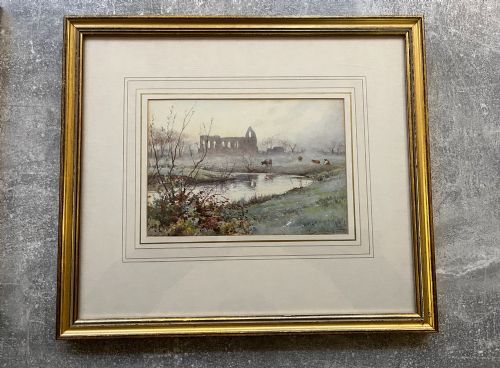
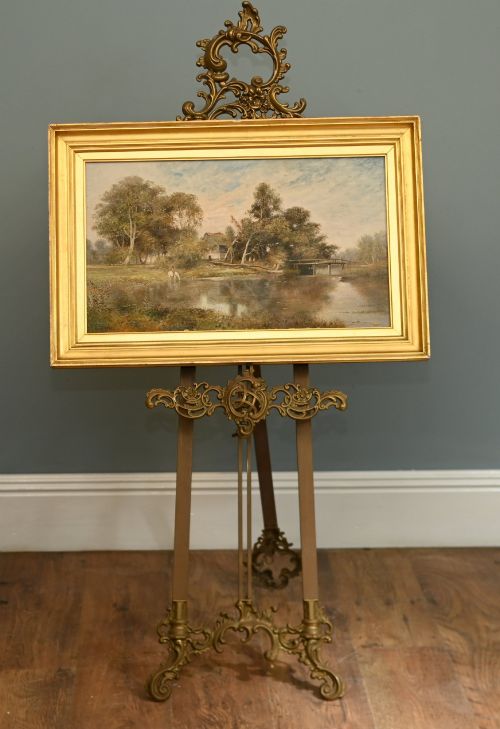
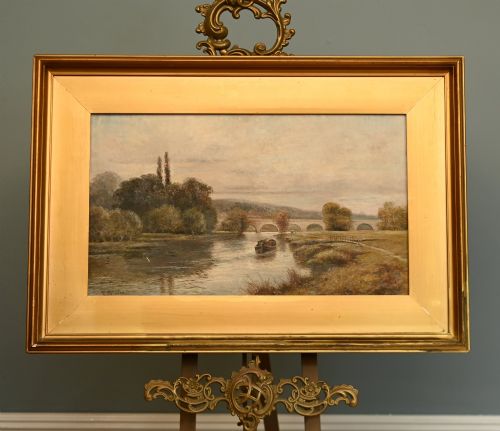
When you search for a signed english landscape painting, you are looking at original works on paper and canvas capturing rural scenes by named hands.
Signed English Landscape Painting
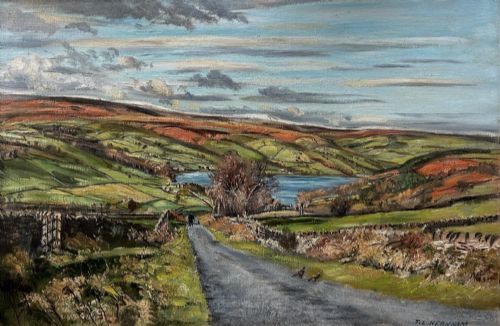
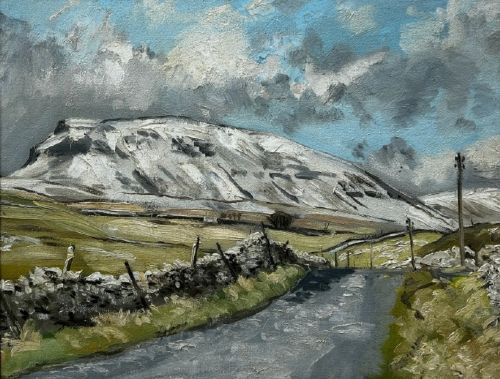
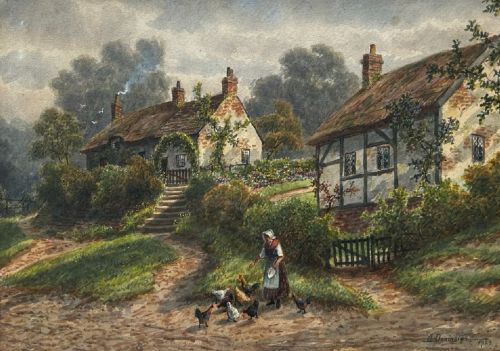
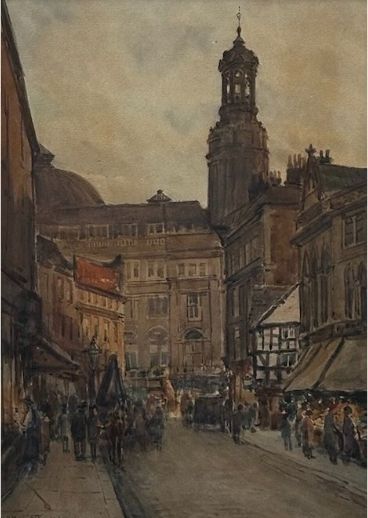
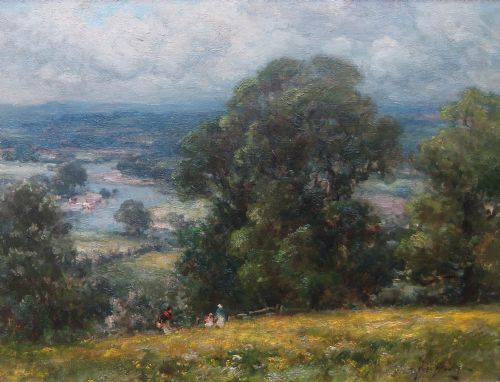
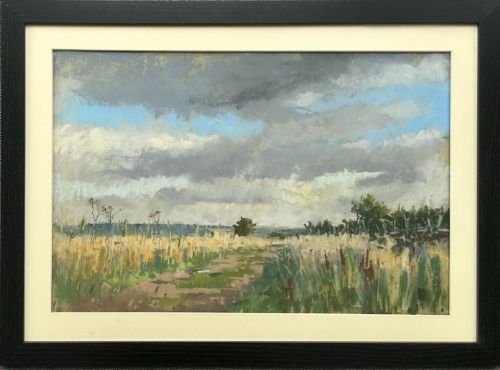
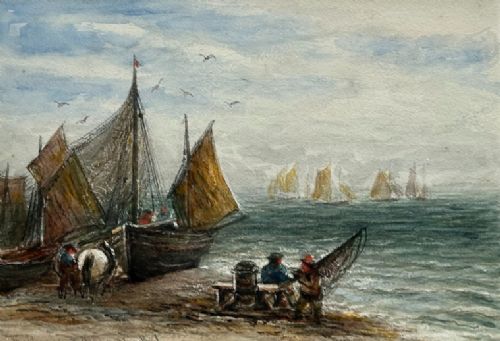
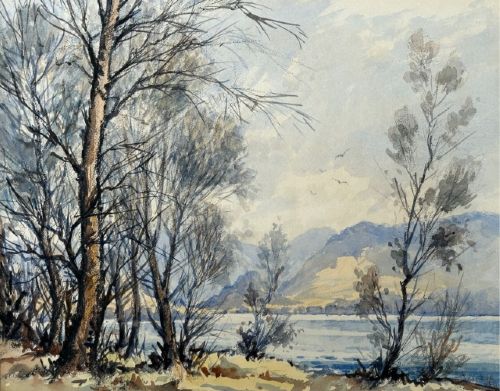
A signed english landscape painting captures the topography, coastlines and pastoral views of Britain through the eyes of artists working from the nineteenth century into the mid-twentieth century. The works on this page span styles from Victorian academic realism to early twentieth-century British impressionism and mid-century modern art.
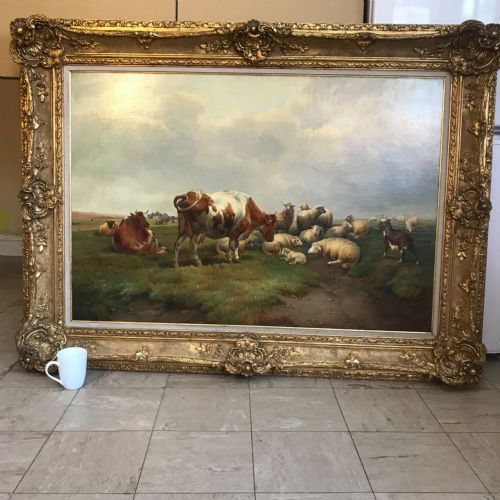
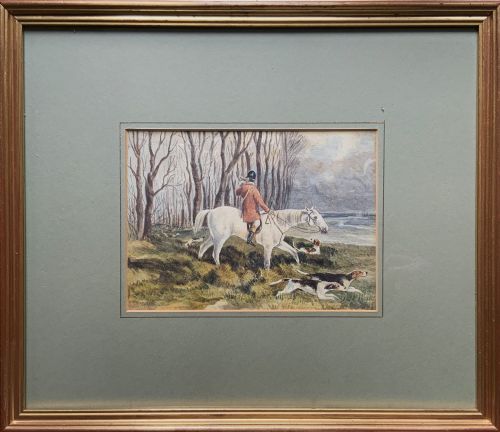
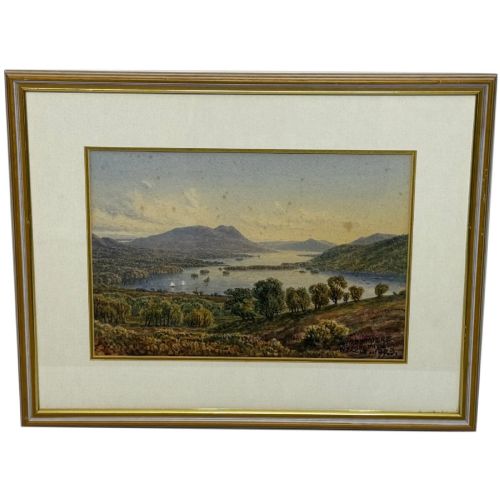
You will most frequently encounter watercolours on paper and oil paintings on canvas or wood panel bearing the signatures of regional British artists. These pieces range from intimate depictions of Yorkshire dales and Cumbrian lakes to coastal harbours in Cornwall and Essex.
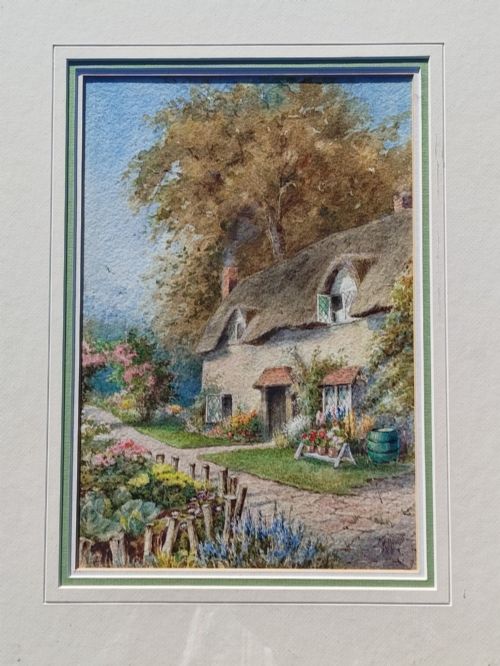
The subjects reflect the changing rural life of Britain across decades, featuring cottages, rivers, haymaking and livestock. Each signed piece connects the viewer directly to a specific place and time recorded by the artist's hand.
Materials and techniques
Artists painted these landscapes using oil paint or watercolour pigment applied to canvas, wood panels, paper or pastel boards. Canvases and wooden panels supported heavier oils, while watercolours and pastels utilised paper to capture lighter, more translucent atmospheric effects.
Framed artworks often incorporated glass to protect delicate works on paper from moisture and light damage over the decades. Pigments were brushed, layered or worked with pastel strokes to build texture and depth in depictions of skies, foliage and water.
Signed English Landscape Painting Retail Price Guide 2026
Typical asking prices for signed english landscape painting among the pieces listed under this phrase on Sellingantiques today, from the lower quarter to the upper quarter. They describe what is for sale here now, not the wider market.
The inventory records subjects ranging from Yorkshire dales and Cumbrian lakes to Cornish harbours and Essex hayfields.
Distinctions in quality
The measure of quality in these landscapes lies in the confidence of the brushwork and the artist's command of light and atmospheric depth. Superior works demonstrate a assured handling of tone that brings movement to water and air, rather than stiff or overly laboured replication.
The strength of composition and the fidelity of the regional setting also divide works, with master painters achieving a distinct sense of place and mood. Condition of the underlying paper or canvas and the preservation of original pigments further influence the standing of each piece.
Thomas Sidney Cooper·Muriel Metcalfe·James Orrock·Arthur Wardle·Sir David Murray
The Signed English Landscape Painting Glossary
- Watercolour painting
- A work created using water-soluble pigments on paper. This medium allows for transparent washes that capture shifting light and weather in British landscapes.
- Oil painting
- A picture executed with pigments bound in a drying oil, typically applied to canvas or wood panel. It offers rich colour depth and visible texture.
- Pastel drawing
- An artwork made using powdered pigment sticks shaped into crayons. Artists blend these dry strokes on paper to achieve soft textures and hazy atmospheric effects.
- Panel painting
- A flat piece of wood used as a rigid support for oil paint instead of stretched canvas. Panels were favoured for smaller, portable landscape studies.
- British Impressionism
- An artistic style focusing on natural light, loose brushwork and everyday rural subjects. It emerged in the late nineteenth and early twentieth centuries as painters moved outdoors.
Signed English Landscape Painting: Frequently Asked Questions
How do I identify the artist's signature?
Signatures typically appear in the lower corners of the painting, written in paint, ink or pencil. Comparing the handwriting and style to known works helps confirm attribution.
Some signatures are indistinct or accompanied by dates that provide clues to the active period of the painter.
What is the difference between oil and watercolour landscapes?
Oils are painted on canvas or wood and offer rich, thick textures that endure with deep colour saturation. Watercolours use pigment on paper under glass, producing luminous, transparent effects.
Both mediums were popular in British landscape art but served different aesthetic goals for the artist.
How should I frame and display these paintings?
Works on paper require framing behind glass with acid-free mounts to prevent humidity damage and fading. Oil paintings on canvas benefit from stable indoor environments away from direct sunlight and extreme temperature shifts.
Proper framing preserves the structural integrity of both the support and the original pigment.
Can I date a painting without a visible year?
Stylistic elements, framing materials and the type of canvas or paper often point to a specific decade. Costume, architecture and transport depicted in the scene also offer historical markers.
Comparing the artist's recorded working years narrows down the probable date of creation.