


Blue Sky Watercolour Artwork
These pieces of blue sky watercolour artwork capture atmospheric expanses through fluid pigment on paper, offering collectors a delicate window into historical landscapes.
Blue Sky Watercolour Artwork
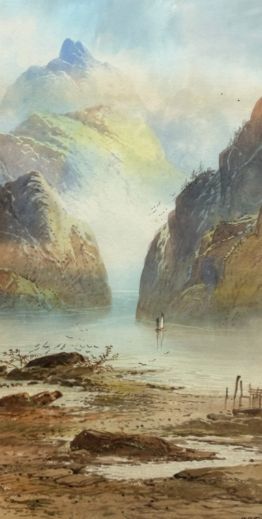
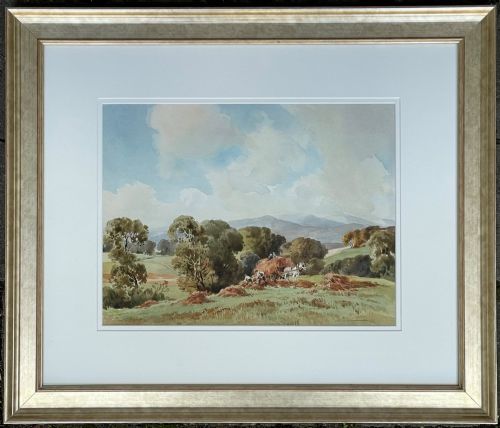
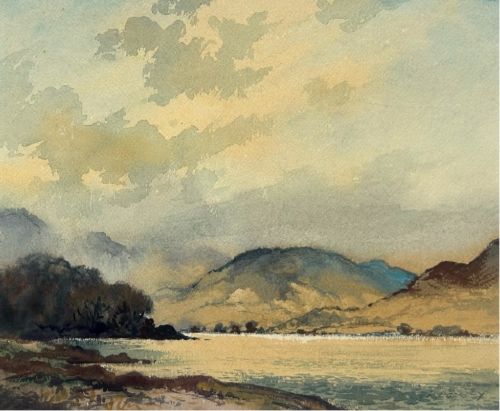
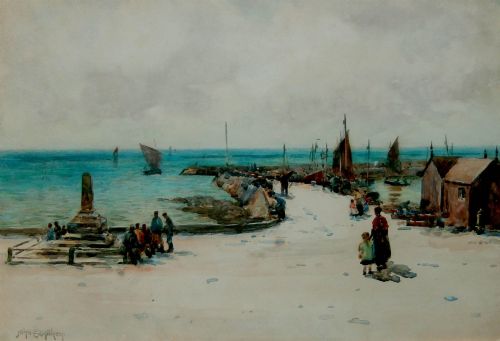
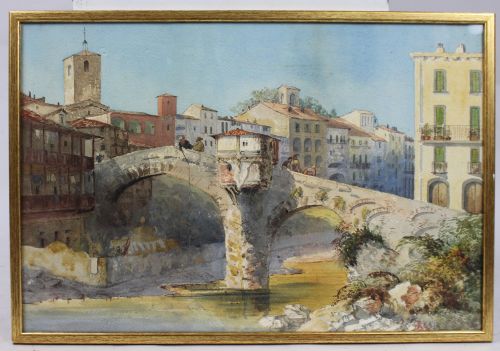
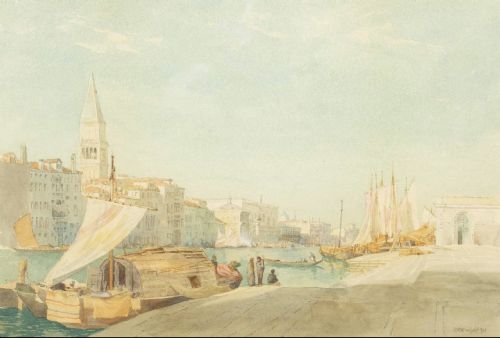
Collectors seeking blue sky watercolour artwork encounter traditional British and European paintings spanning the nineteenth and twentieth centuries. These pieces predominantly depict open landscapes, coastal scenes, and architectural views where atmospheric skies form the central focus of the composition.
The selection ranges from Victorian maritime and fine art watercolours to Edwardian and British Impressionist interpretations. Works frequently capture specific locations across Britain, Europe, and the Middle East, presented in framed formats ready for display.
Materials and technique
Artists executed these works using watercolour pigment and occasionally gouache applied to paper supports, sometimes mounted on card. Ink was also utilised for finer delineation beneath or alongside the washes of paint.
The physical presentation typically includes wood framing and glass protection to preserve the delicate pigment surfaces from moisture and atmospheric degradation over time.
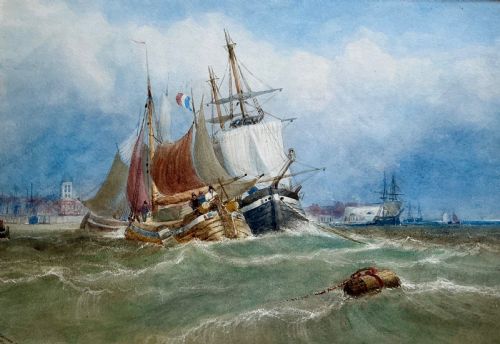
Several artists clearly braved damp British weather to paint stormy coastal skies over active fishing boats and rolling waves.
Distinctions in quality
Quality rests upon the artist's handling of pigment transparency and the successful conveyance of light within the open sky passages. Superior examples demonstrate confident brushwork and precise tonal gradation that give depth to atmospheric conditions.
Condition plays a significant role in evaluation, distinguishing works with vibrant, unfaded pigments and original card mounts from those affected by discolouration or environmental damage.
William Henry Earp·Percy Lancaster·John Hassall·Robert Leslie Howey·John E Aitken·Richard Henry Wright·Henry Barlow Carter·William Frederick Settle·Philip Richard Morris·Cornelius Pearson·Charles William Adderton·Sir Thomas Newenham Dean·Henry John Kinnaird·James William Booth·Thomas Bush Hardy·James Orrock·George Hamilton Constantine·William Joseph Boyes·Nora Cundell·AG Hayward·RP Noble·Bernard Walter Evans·Will Anderson·Basil Bradley·Thomas Sydney Cooper
The Blue Sky Watercolour Artwork Glossary
- Watercolour
- A paint consisting of pigment suspended in a water-soluble vehicle, used to create transparent washes of colour on paper. This medium allows light to reflect from the white paper beneath the pigment layers.
- Gouache
- An opaque water-based paint that includes added white pigment to create solid, light-reflecting passages. It frequently appears alongside transparent watercolour in these works to highlight cloud formations and bright skies.
- Card Mount
- A protective paperboard border placed around a painting inside the frame to separate the paper surface from the glass. It provides a visual transition and prevents moisture accumulation against the artwork.
- British Impressionism
- A late nineteenth and early twentieth century painting movement focusing on natural light, outdoor settings, and spontaneous brushwork. Practitioners often recorded changing weather and atmospheric sky effects.
- Victorian Fine Art
- Works produced during the reign of Queen Victoria characterised by academic training, meticulous detail, and narrative depth. These paintings often adhered to formal compositional standards established by artistic institutions.
Blue Sky Watercolour Artwork: Frequently Asked Questions
What periods do these watercolours date from?
The available pieces span from the late nineteenth century through the Edwardian era and into the mid twentieth century. This timeline covers various traditional and impressionistic movements in British art.
Creators working during these decades recorded changing landscapes and coastal views using traditional paper and pigment techniques.
How should I frame and display watercolour paintings?
Watercolours require framing behind glass to protect the paper and water-soluble pigments from airborne dust and moisture. Archival mounting materials prevent acid transfer from card mounts to the artwork.
Display these pieces away from direct sunlight to minimise the fading of delicate blue pigments in the sky passages.
What subjects appear alongside the skies?
Landscapes, coastal havens, river estuaries, and architectural scenes frequently accompany the expansive skies in these compositions. Locations range from British rivers and Scottish highlands to Venetian canals and Middle Eastern views.
Artists used the open sky to establish the mood, weather, and time of day for each specific geographic setting.
How do I identify different artistic styles?
Styles range from the detailed realism of Victorian marine art to the looser brushwork associated with British Impressionism. Examining the handling of light and pigment transparency helps differentiate traditional academic approaches from modernist interpretations.
Signatures, dates, and framing often provide additional context regarding the specific period and movement of a work.