
Rural Country Landscape Art
Rural country landscape art captures the quiet rhythms of fields, cottages, and farmyard life through traditional painting and watercolour.
Rural Country Landscape Art
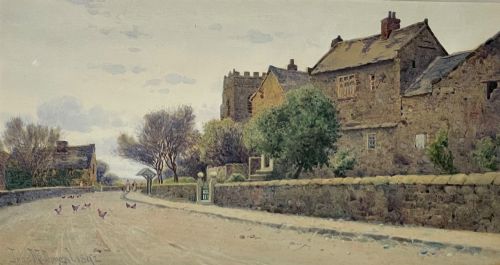
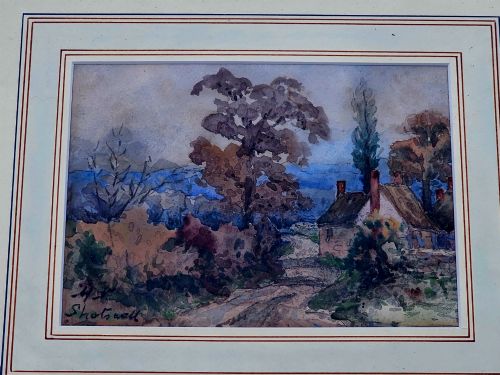
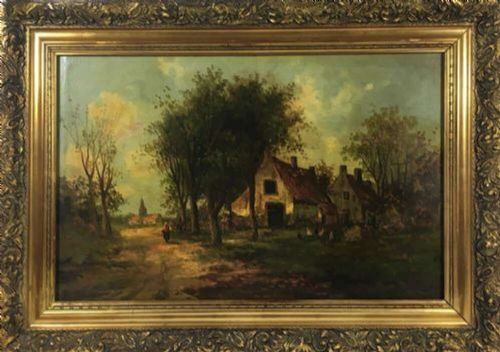
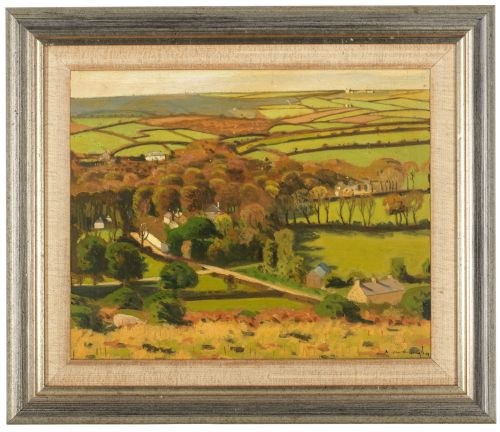
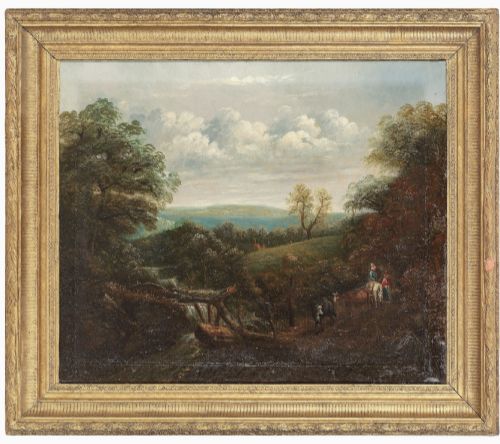
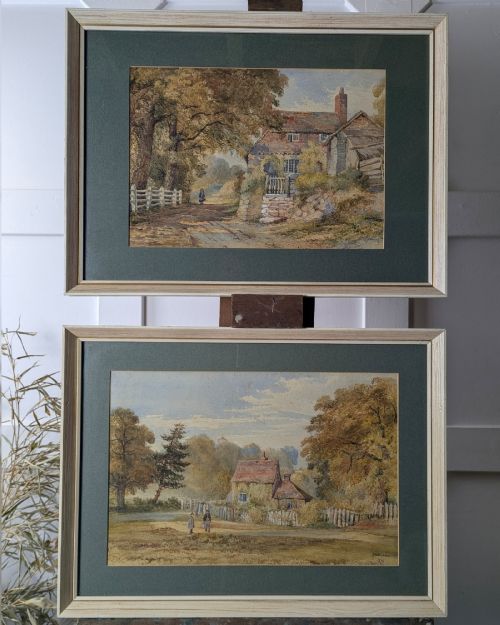
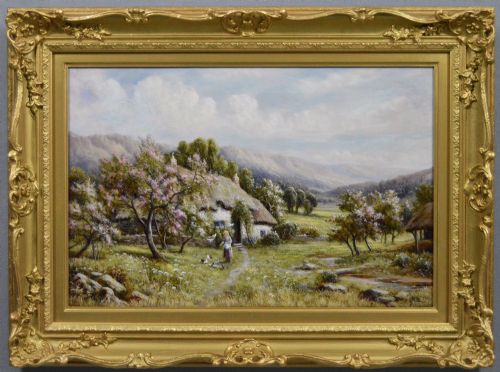
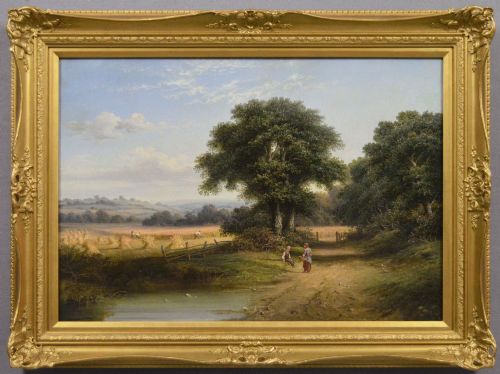
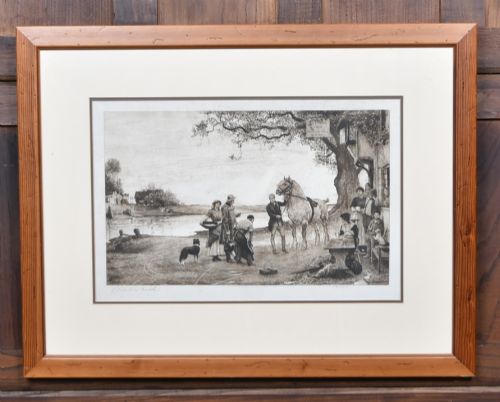
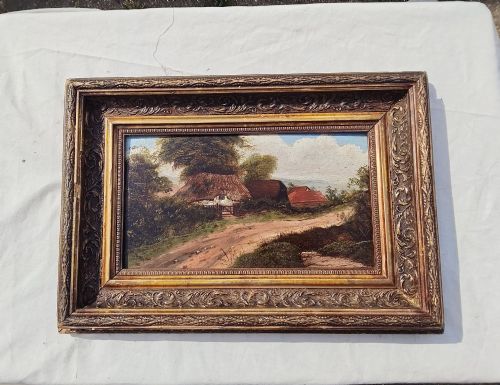
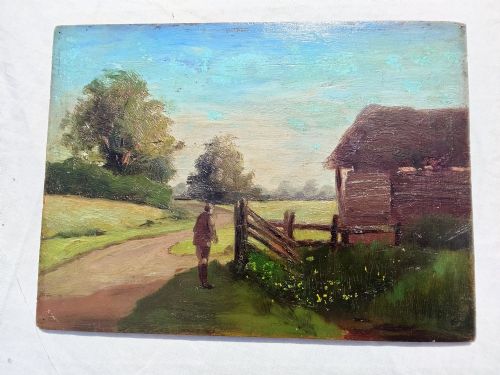
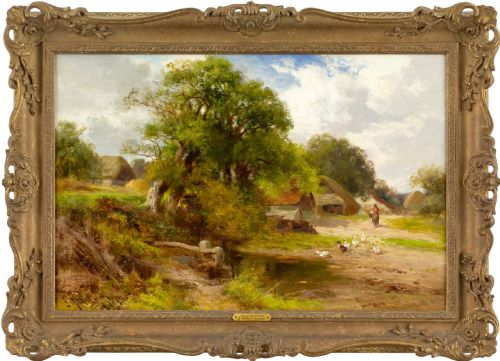
Rural country landscape art encompasses framed oil paintings, watercolours, and etchings depicting the British and European countryside. Buyers searching for rural country landscape art will encounter works spanning the Victorian era through the mid twentieth century. These pieces record agricultural scenes, pastoral rivers, and village life executed by regional and impressionist artists.
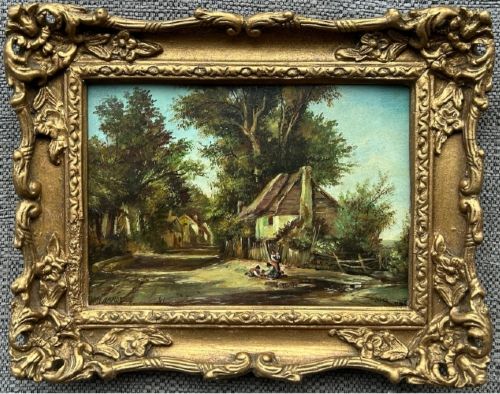
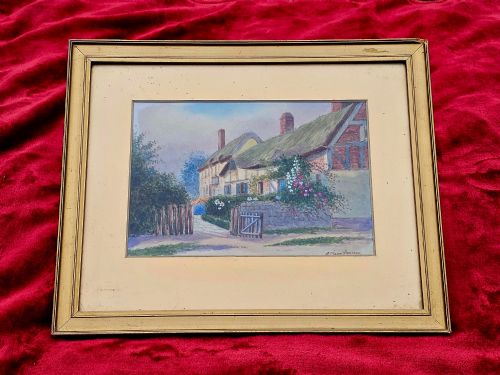
The selections on this page concentrate heavily on nineteenth and early twentieth century creations. Common subjects include thatched cottages, harvest fields, and livestock grazing near familiar rivers and country paths. Many examples arrive framed in period gilt wood ready for display.
Materials and construction
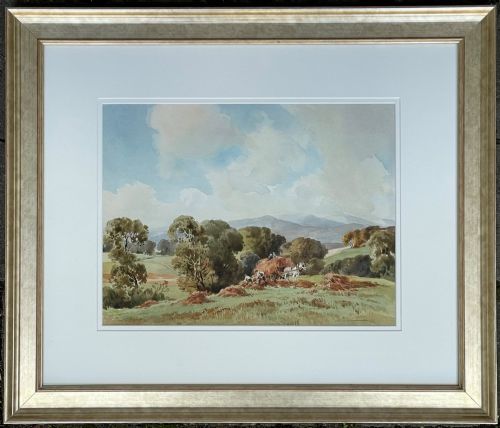
These works rely on traditional media including oil paint applied to canvas, wooden panels, board, or card, alongside delicate watercolours on paper. Painters utilised brushes and palette knives to build texture, capturing natural light across fields and farmyards. Many pieces retain their original glass protection and gilt wood framing.
Support materials vary by period, with nineteenth-century works frequently utilising heavy canvas or prepared wooden boards, while later watercolours employ quality artist paper. Pigments were hand-mixed by artists or studio assistants to achieve earthy tones suited to pastoral scenes.
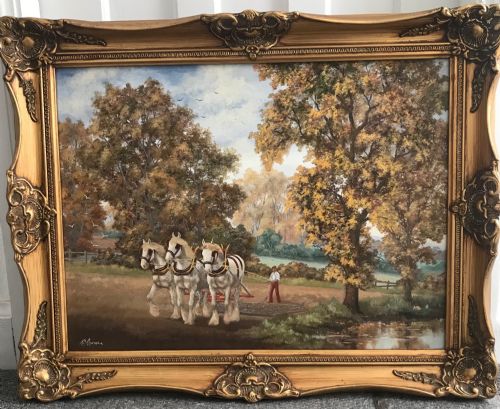
Several canvases faithfully record the distinct expressions of working shire horses and childhood ponies standing patiently in stableyards.
Judging the work
Quality in these rural scenes rests upon the artist's handling of light, atmosphere, and spatial depth. Stronger examples demonstrate confident brushwork and precise tonal control rather than stiff mechanical reproduction of foliage and architecture. Compositional balance between figures, animals, and the surrounding terrain dictates the visual weight of each painting.
The integrity of the surface medium also separates standard decorative pieces from accomplished fine art. Well-preserved works maintain vibrant pigment without excessive cracking or fading, housed within period frames that complement the scale and palette of the artwork.
Percy Lancaster·William Howard Hardy·John McDougal·Robert Morson Hughes·Robert John Hammond·Walter Heath Williams·John Horace Hooper·Frederick James Kerr·Miles Birkett Foster·Sydney Yates Johnson·Owen Bowen·Edgar Woollatt·Harry Freckleton·Thomas Sidney Cooper·Ernest Higgins Rigg
The Rural Country Landscape Art Glossary
- Oil on canvas
- A painting technique using pigments bound in a drying oil, typically applied to stretched woven fabric. This medium allows for rich texture and deep colour layering.
- Watercolour
- A painting method where water-soluble pigments are suspended in a water-based solution on paper. It produces transparent washes of colour ideal for atmospheric skies and water.
- Gilt wood
- Timber frames finished with a thin layer of gold leaf or metallic gilt paint. These frames enhance the visual prominence of antique paintings.
- Pastoral
- A genre of art idealising rural life and agricultural scenes, particularly those involving shepherds, cattle, and tranquil farmyards.
- Impressionism
- An artistic style focusing on accurate depiction of light and its shifting qualities, often applied outdoors to natural country landscapes.
Rural Country Landscape Art: Frequently Asked Questions
What periods do these paintings cover?
The listings span from the late eighteenth century through the Victorian period and into the mid twentieth century. Works from the nineteen-twenties and thirties sit alongside nineteenth-century pastoral pieces.
Collectors can trace changing artistic movements from traditional academic realism towards early British impressionism across these decades.
How should I hang a rural landscape?
These artworks pair naturally with traditional interiors, cottage walls, and period reception rooms. Consider eye-level placement where natural light illuminates the oil or watercolour surface without causing glare on the glass.
Ensure the weight of the gilt wooden frame is supported securely by appropriate wall fixings suited to the plaster or brick.
What subjects appear most frequently?
Common subjects include harvest fields, shire horses ploughing, thatched cottages, and livestock grazing near streams. Artists frequently recorded daily rural labour and village pathways.
Human figures and farm animals are often integrated into the wider countryside topography to provide a sense of scale and narrative.
How do I care for antique watercolours?
Watercolours require protection from direct sunlight to prevent fading of the delicate pigments on paper. Keep them in rooms with stable humidity levels to avoid warping the paper or damaging the mount.
Glazing should remain intact to shield the artwork from airborne dust and moisture.