




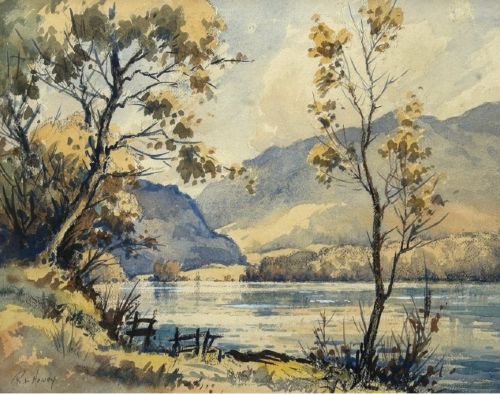
Signed British Painting
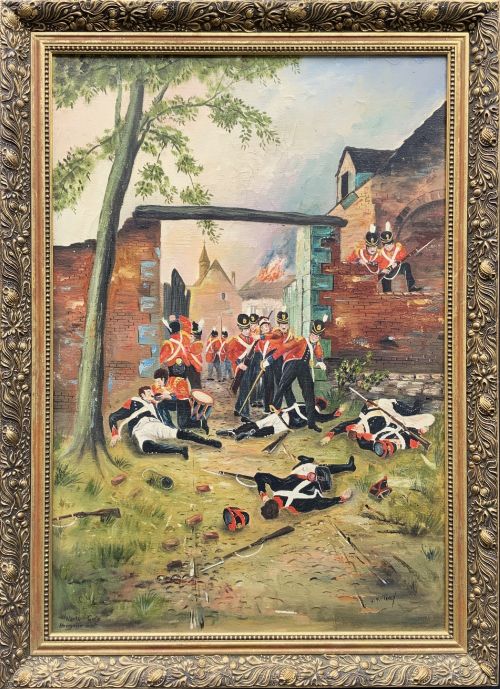
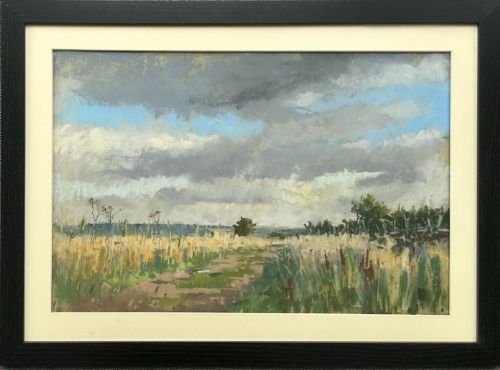
Signed british painting brings together works on canvas, paper and wood spanning the nineteenth century through to the mid twentieth century.
Signed British Painting
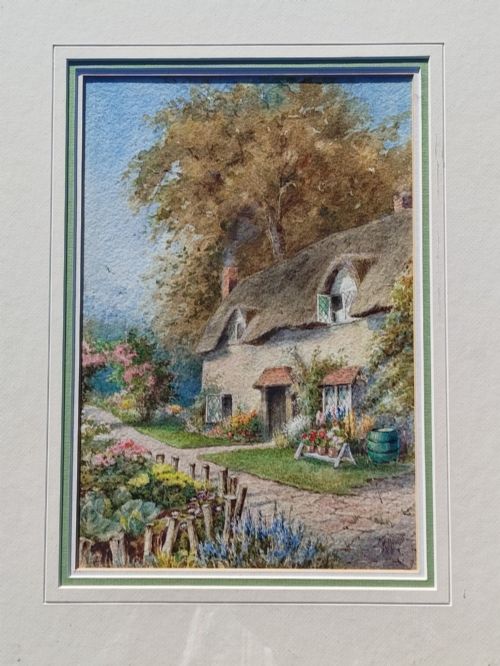
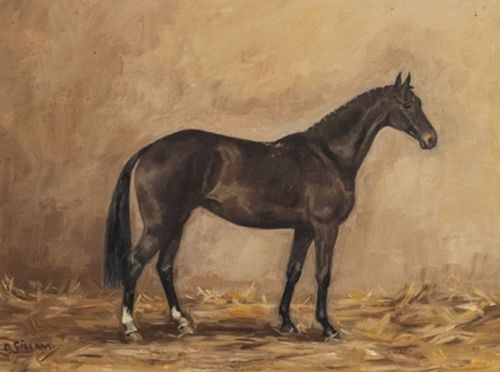
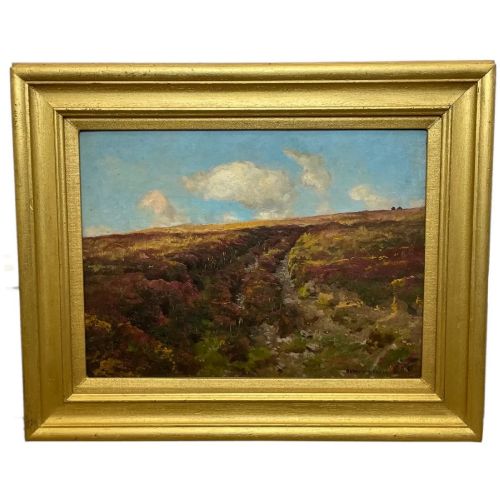
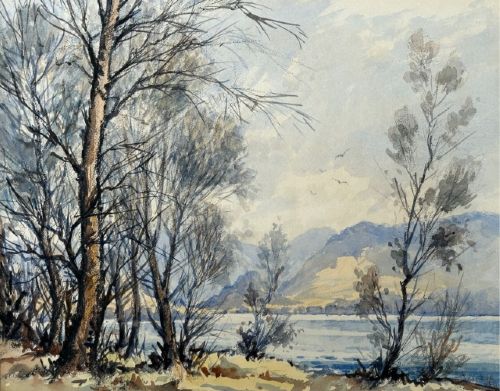
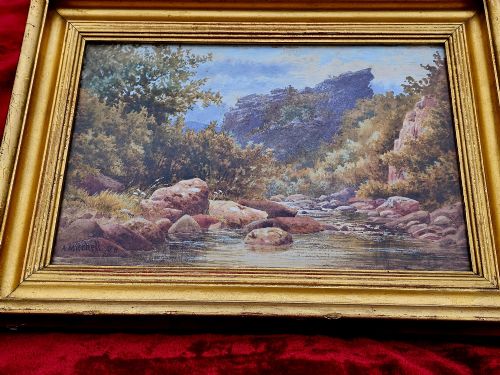
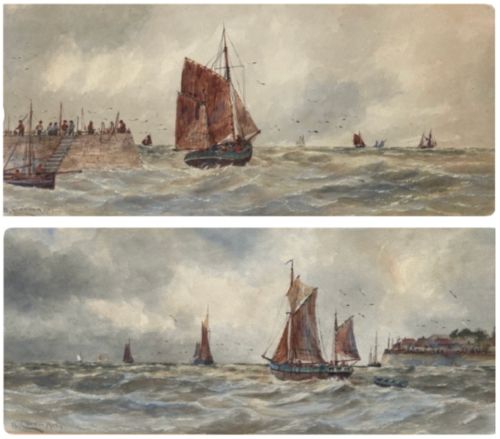
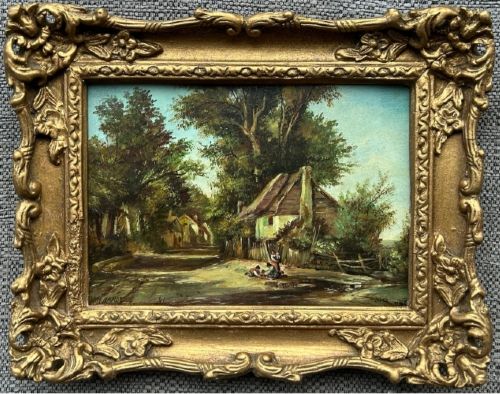
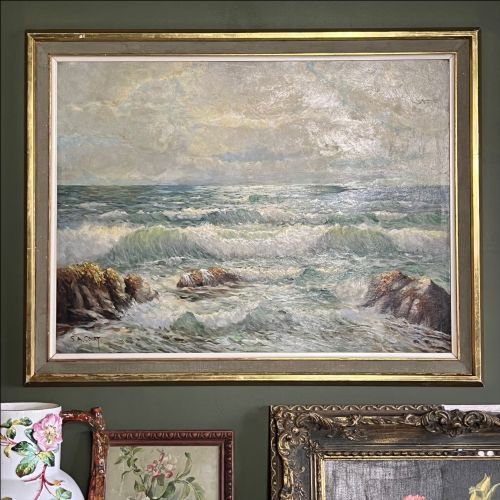
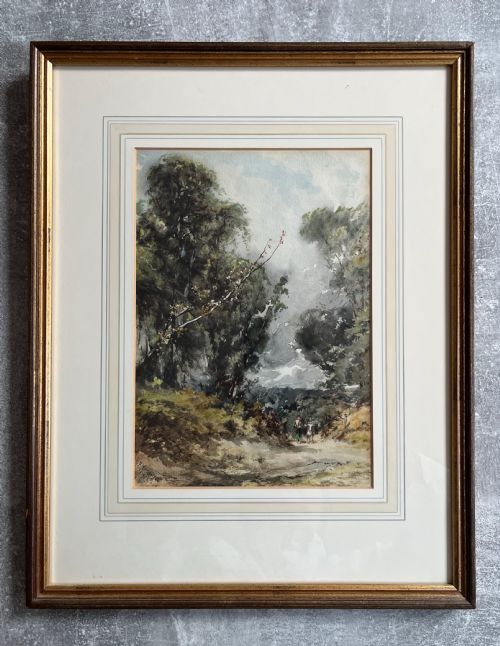
A signed british painting comprises framed artwork created across multiple periods including the Victorian era, Edwardian period, and mid-century modern movements. These works capture subjects ranging from Scottish Highland landscapes and Cornish coastal scenes to rural cottages and intimate portraits.
Buyers encountering this selection will find oil paintings on canvas and wood panel alongside delicate watercolour paintings on paper. Most examples date from the late nineteenth century through to the nineteen-fifties, reflecting traditional British Realism, Impressionism and early modern styles.
How They Were Made
Artists utilised traditional methods, applying oil pigments onto stretched canvas or wooden panels, or laying watercolour pigment onto heavy paper. Many landscape and marine works were painted en plein air to capture natural light accurately.
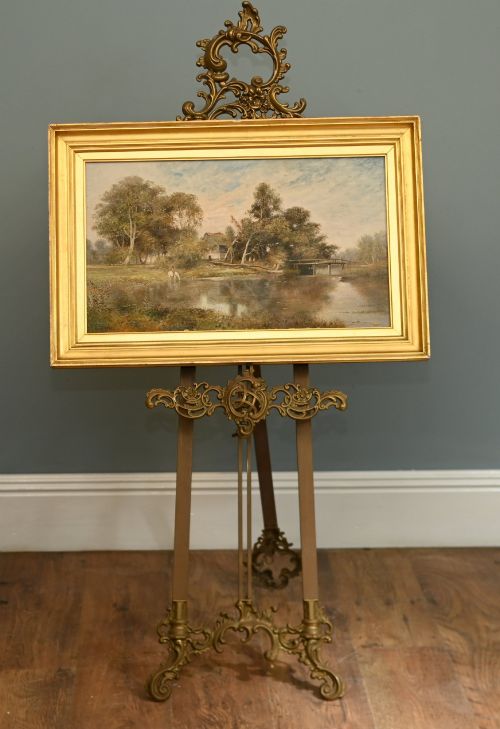
Finished pieces are typically housed in period frames, often constructed from wood and finished with giltwood mouldings to complement the aesthetic of the artwork.
Signed British Painting Retail Price Guide 2026
Typical asking prices for signed british painting among the pieces listed under this phrase on Sellingantiques today, from the lower quarter to the upper quarter. They describe what is for sale here now, not the wider market.
Several coastal scenes capture stubborn British weather, proving that artists have braved sea breezes and rain for generations.
What Varies in Quality
Quality rests upon the artist's ability to handle light, depth and proportion, distinguishing a masterfully observed scene from a generic composition. The confidence of the brushwork and the clarity of the signature also indicate the standing of the work within an artist's output.
The preservation of the medium plays a role, as stable oil surfaces and clean watercolour sheets without discoloration maintain the visual integrity intended by the creator. Original period framing that suits the scale and era of the piece adds further cohesion.
William Taylor Longmire·Kenneth Cozens·George Lorain Stampa·James Orrock·Stephen Samuel Lewin·Frank Dobson·Vernon DeBeauvoir Ward
The Signed British Painting Glossary
- Watercolour pigment
- A water-soluble colorant used on paper to create translucent washes and fine details.
- Giltwood
- Wood carved and coated with gold leaf or gold paint, commonly used for traditional picture frames.
- En plein air
- A French term describing the practice of painting outdoors to directly observe landscape subjects.
- Wood panel
- A rigid wooden support used by artists as an alternative to stretched canvas.
Signed British Painting: Frequently Asked Questions
How do I identify the period of a painting?
Dating relies on stylistic clues, framing methods, and the specific materials used by the artist. Signatures can often be cross-referenced against historical artist directories.
Changes in palette and subject matter across the nineteenth and twentieth centuries also help narrow down the decade of creation.
Where should I hang an oil painting?
Oil paintings on canvas or wood should be placed away from direct sunlight and damp environments to protect the pigments and support structure. Stable indoor temperatures prevent warping in wooden panels and cracking in older oil layers.
Choose a wall with even, indirect lighting to appreciate the texture of the brushwork without causing glare on the varnished surface.
What is the difference between oil and watercolour?
Oil paintings utilise slow-drying pigmented oils applied to canvas or wood, allowing for rich textures and deep colour layering. Watercolours employ water-soluble pigments on paper, resulting in lighter, translucent compositions.
Because of their delicate paper supports, watercolours typically require glass framing for protection, whereas oil works on canvas remain open to the air.
How do I care for antique frames?
Giltwood and wooden frames require gentle dusting with a soft, dry brush to prevent dirt buildup in the carved recesses. Avoid using liquid cleaners or polishes, which can strip the delicate metallic leaf or damage the underlying wood.
Keep the hanging wire and structural fixings secure to ensure the combined weight of the painting and frame remains safely supported on the wall.