



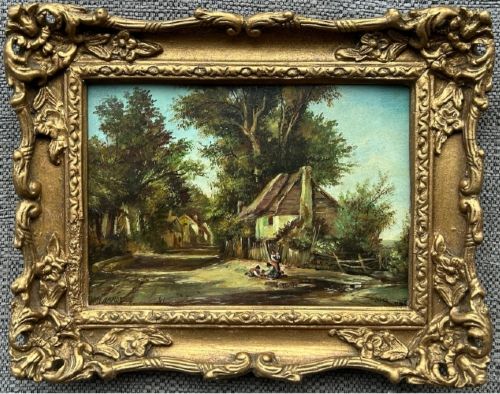
Signed British Art
Signed British art encompasses centuries of authenticated paintings, watercolours and drawings carrying the personal mark of domestic makers.
Signed British Art
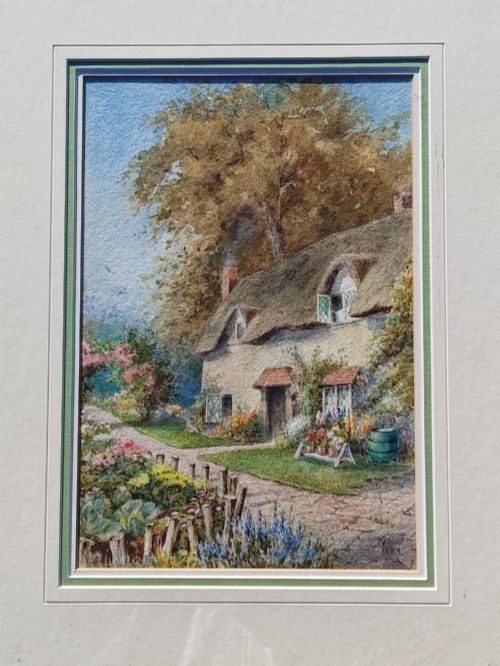
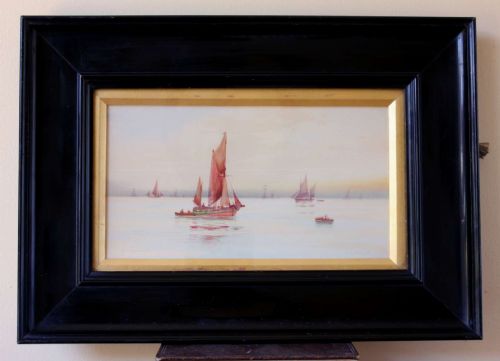
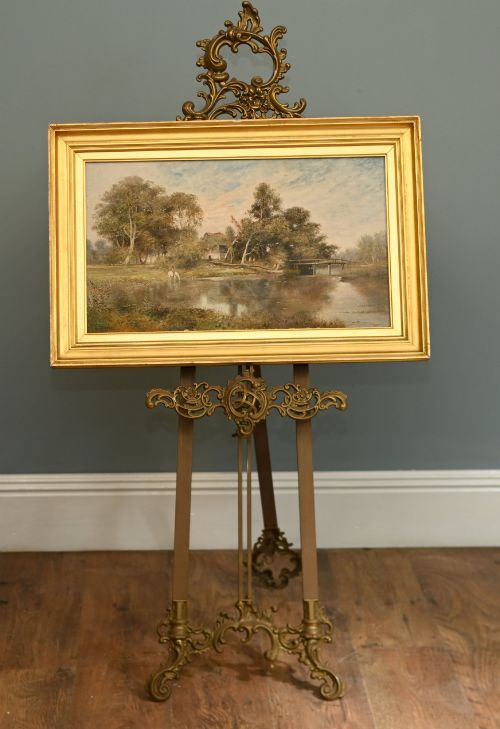
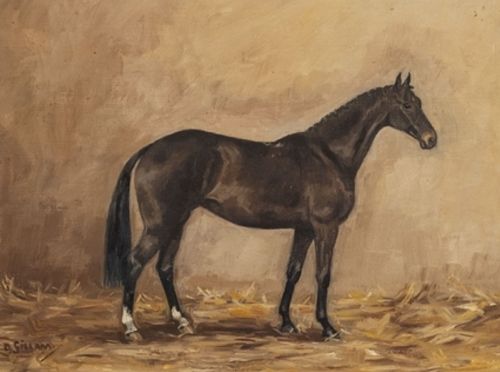
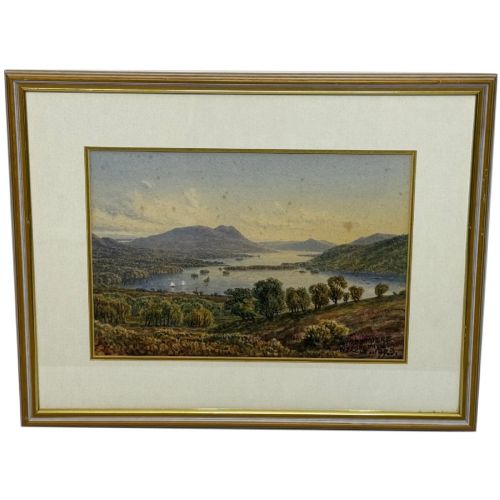
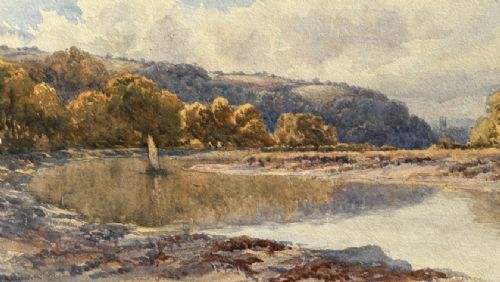
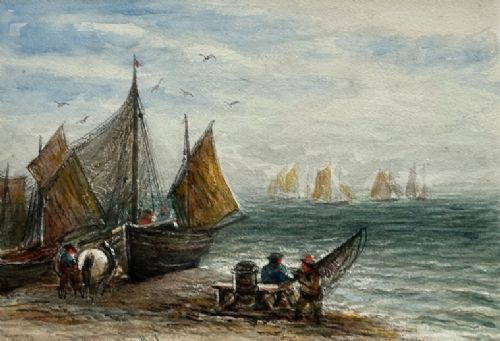
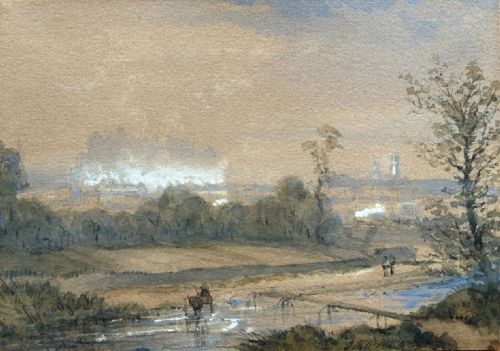
Signed British art comprises original paintings, watercolours, drawings and framed lithographs produced across the nineteenth and twentieth centuries. These works document landscapes, coastal scenes, townscapes and portraits bearing the verifiable signature of the hand that made them.
The selection ranges from Victorian oils on canvas and Edwardian watercolours to mid-century modern compositions and northern industrial street scenes. Buyers encounter framed original works on paper, canvas and wood panel created by named domestic artists working within distinct regional traditions.
Materials and Construction
Works in this category utilise traditional supports including stretched canvas, primed wood panels, heavy art paper and board. Painters applied oil and watercolour pigments, sometimes building thick impasto layers to capture texture, light and atmosphere.
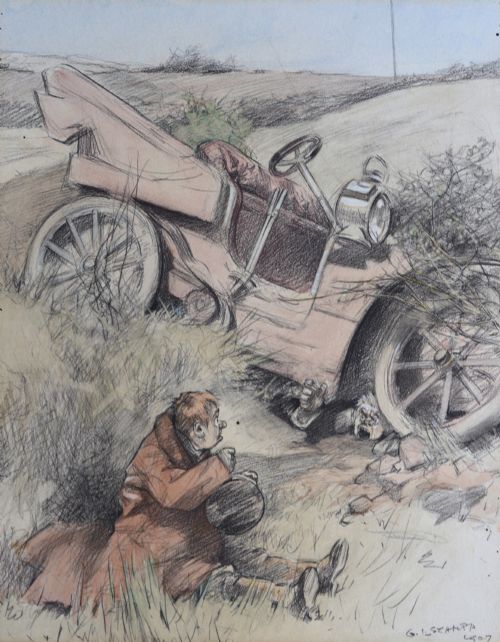
Works on paper incorporate pencil, ink and gouache media alongside original lithography techniques. Framing typically involves period giltwood or wood mouldings that protect the fragile paper and canvas surfaces.
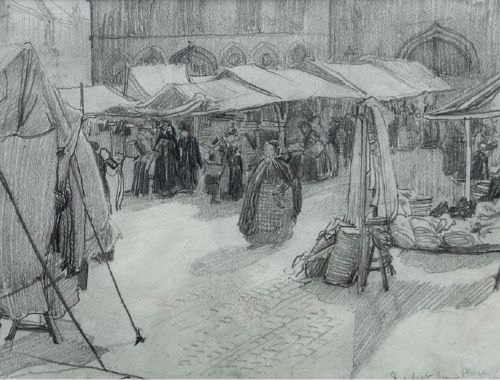
Several artists captured quirky details of everyday life, including traditional clown costume designs and bustling market scenes.
Evaluating Quality
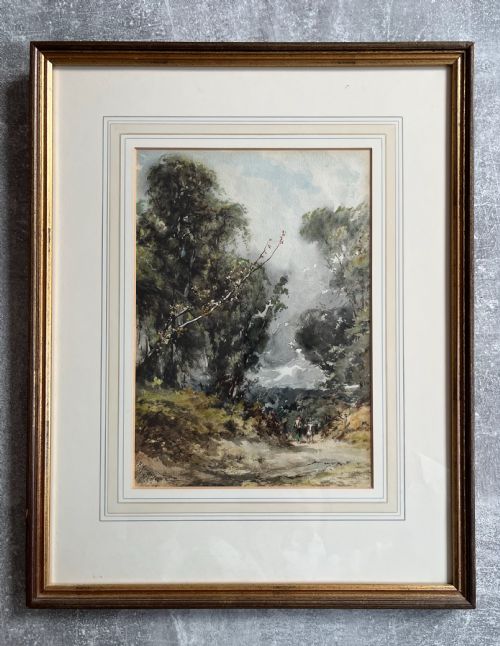
Quality rests upon the confidence of the brushwork, the handling of light and the clarity of composition within the picture space. Stronger examples demonstrate a distinctive personal style rather than formulaic execution, whether depicting a rugged northern seascape or a quiet woodland interior.
The prominence of the signature and the preservation of the original medium influence the desirability of a piece. Works retaining their period frames and clear documentary provenance command greater appreciation among collectors.
Kenneth Cozens·George Lorain Stampa·James Orrock·William Cannon·Arthur Wardle·Sir William Nicholson·Edgar Hunt
The Signed British Art Glossary
- Impasto
- Paint applied thickly to a canvas or board so that it stands out from the surface. This technique creates physical texture and catches natural light.
- En plein air
- Painting outdoors to capture direct observations of natural light and weather. Artists working this way often complete their compositions in a single session.
- Giltwood
- Wood carved and covered with a thin layer of gold leaf or gold paint. This material forms the decorative frames surrounding many traditional paintings.
- Lithograph
- A print made from a flat stone or metal plate treated to retain ink only in desired areas. Artists sign these limited editions to confirm their personal oversight of the printing.
Signed British Art: Frequently Asked Questions
How do I verify a signature?
Compare the written name against documented examples of the artist's hand from exhibition catalogues or biographical records. Signatures should integrate naturally into the wet paint or ink layer rather than appearing as a later addition.
Examine the style, period materials and framing context to ensure consistency with the artist's known working methods. Consulting gallery labels or verso inscriptions often provides supporting evidence of authenticity.
What subjects are most common?
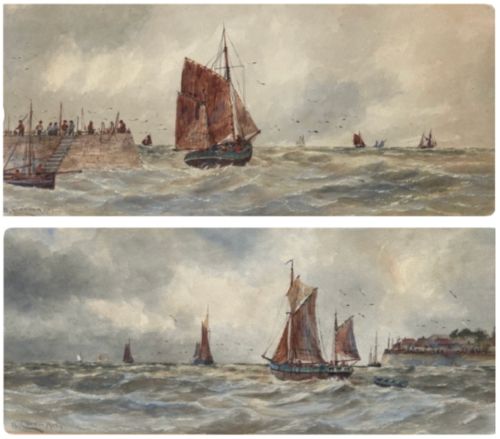
Domestic landscapes and coastal scenes dominate the selection, featuring regional views from Scotland, Wales, Cornwall and the Lake District. Marine paintings and rural agricultural settings also appear frequently across the Victorian and Edwardian periods.
Twentieth-century examples expand into northern industrial street scenes and mid-century modern compositions. Portraiture and domestic interior studies represent a smaller proportion of the available works.
How should I care for these works?
Protect watercolours, drawings and lithographs from direct sunlight to prevent the paper from yellowing and the pigments from fading. Maintain stable room temperatures to avoid humidity changes that warp wooden panels and stretch canvas fabrics.
Display paintings away from direct heat sources such as radiators and fireplaces. Dust frames and glass surfaces gently with a dry cloth without applying liquid cleaners directly to the artwork.
What is the difference between an oil and a watercolour?
Oils use pigment suspended in drying oils applied to canvas, panel or board, allowing for rich textures, thick impasto and subsequent colour adjustments. Watercolours employ water-soluble pigments on paper, creating translucent washes and luminous paper highlights.
Watercolours require protective glass framing to prevent moisture damage, whereas oil paintings on canvas remain open to the air behind decorative wooden frames.