
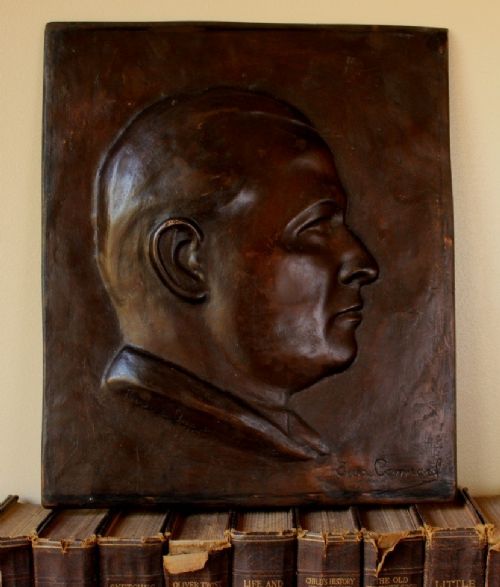
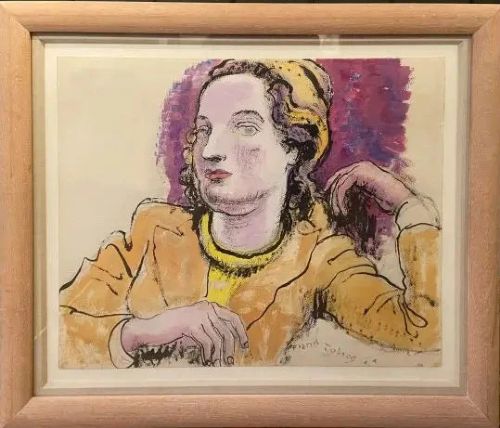
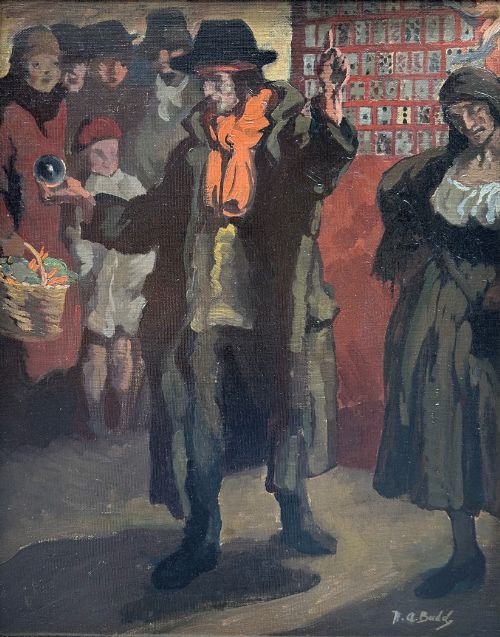
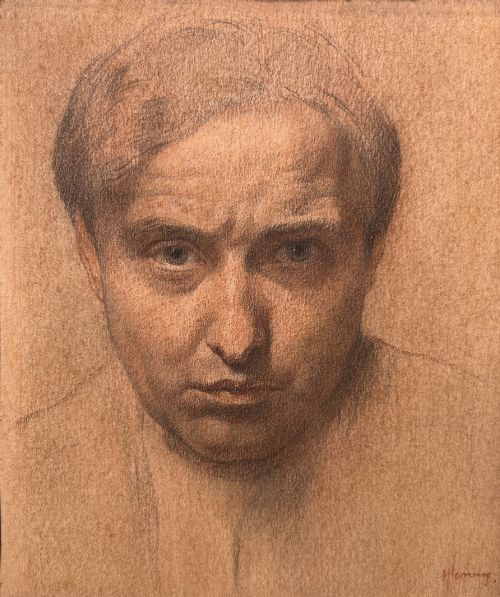
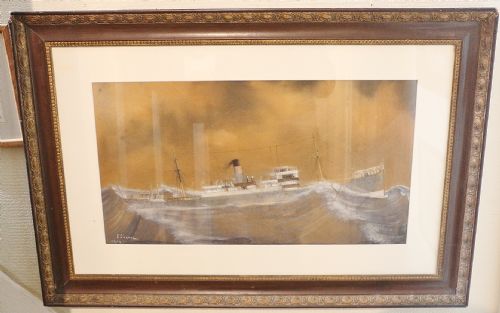

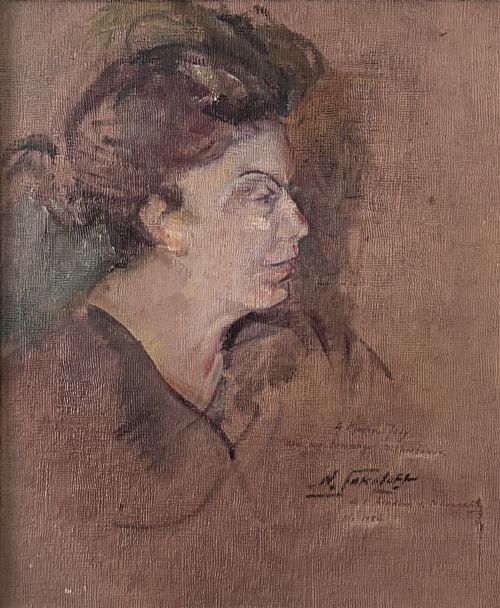
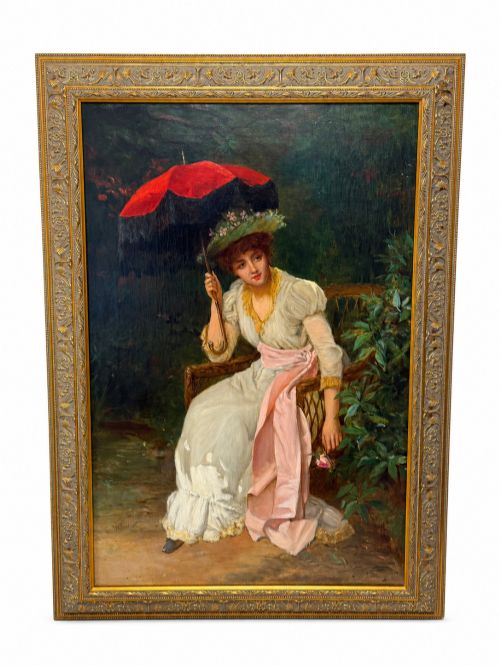
Signed Portrait
A signed antique portrait brings immediate personality to a room, offering a direct, hand-rendered link to historical sitters and named artists.
Signed Portrait
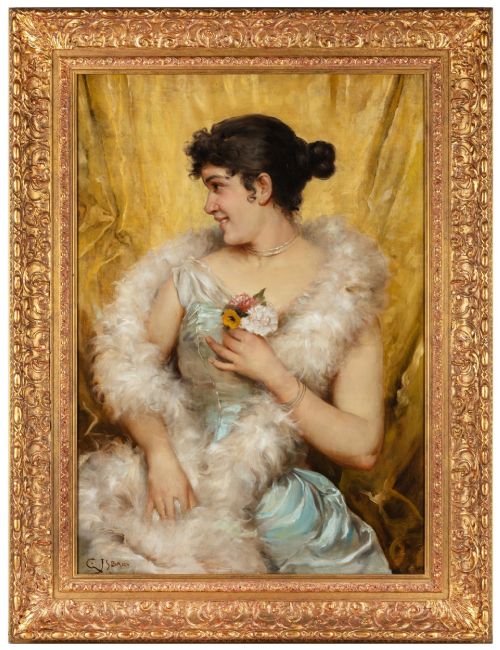
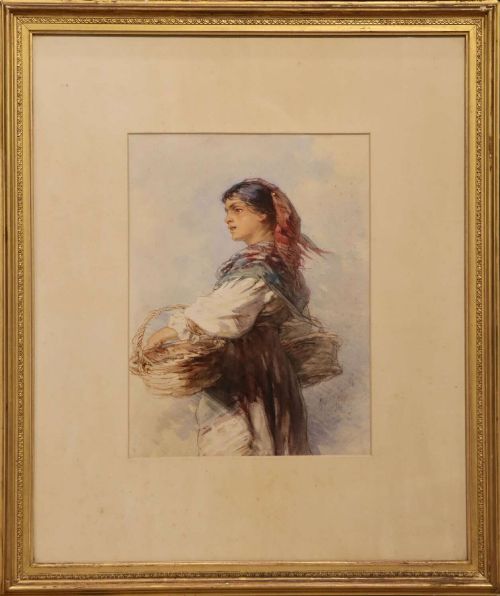
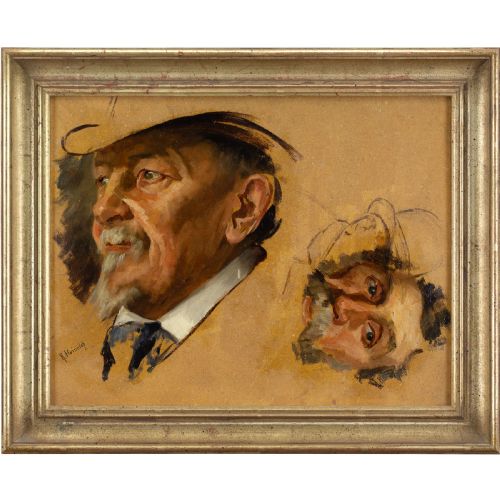
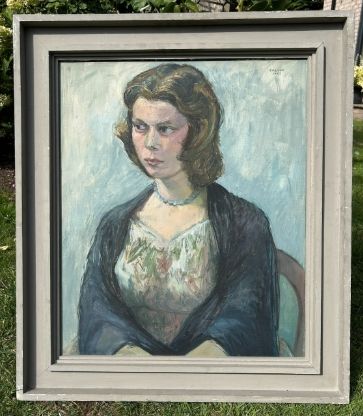
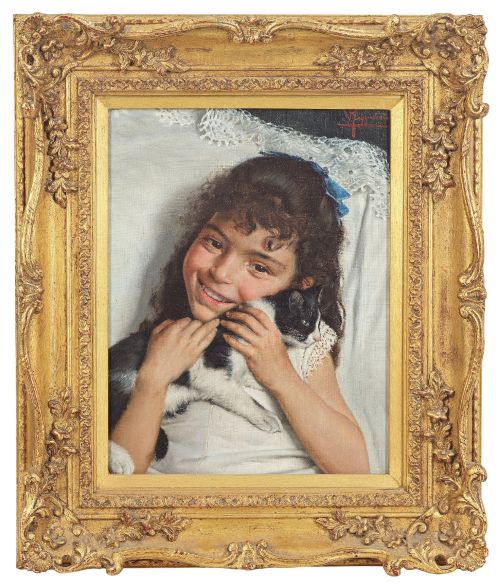
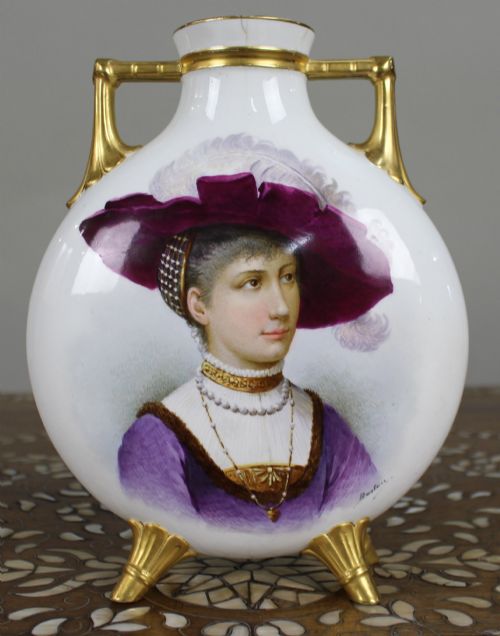
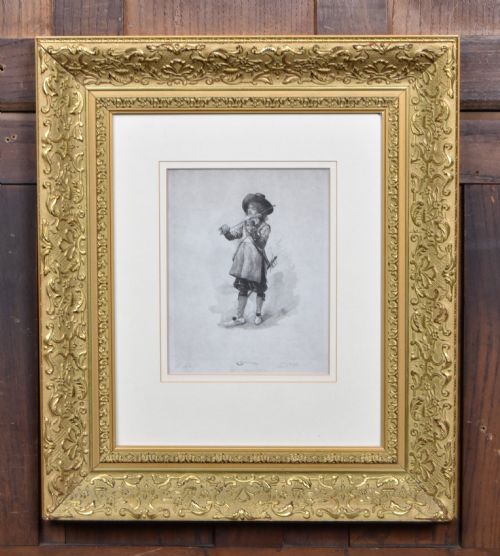
A signed antique portrait captures individual likenesses through diverse media, ranging from intimate pencil sketches and watercolours to grand oil paintings on canvas.
Buyers browsing this selection encounter numerous Victorian and Edwardian works alongside pieces stretching back to the eighteenth century, encompassing both human subjects and animal studies.
Materials and Techniques
Painters utilised oil and watercolour on stretched canvas, wooden panels, or heavy paper, often applying fine glazes to build depth in clothing and flesh tones.
Sculptors carved Carrara marble and alabaster or cast bronze into detailed portrait plaques and freestanding busts, securing permanence through durable media.
Draftsmen employed charcoal, pastel, chalk, and ink to achieve rapid, expressive character studies with immediate visual impact.
Listings feature works spanning from the seventeenth century through the mid-twentieth century, executed in oil, watercolour, bronze, marble, and carved silhouette.
Evaluating Execution
Superior examples display confident brushwork or carving that imparts psychological depth and convincing anatomical structure to the subject.
The crispness of the artist signature or dry stamp confirms the direct involvement of the named hand rather than a later studio copy.
The preservation of the original medium, whether unblemished canvas or stable wood panel, determines the long-term visual integrity of the piece.
G. J. S. Bary·Guido Bach·Vittorio Reggianini·Herbert Ashwin Budd·Herbert Johnson Harvey·Trajan Hughes·William Oliver·Edgar Hunt·Charles James McCall·Auguste Henri Carli·Sydney Wilson·E. Villanis·John Emms·Nicolaes Maes·Thomas Sidney Cooper·Septimus Scott
The Signed Portrait Glossary
- Artist proof
- A trial print pulled off the plate before the main edition, typically signed directly by the printmaker.
- Silhouette
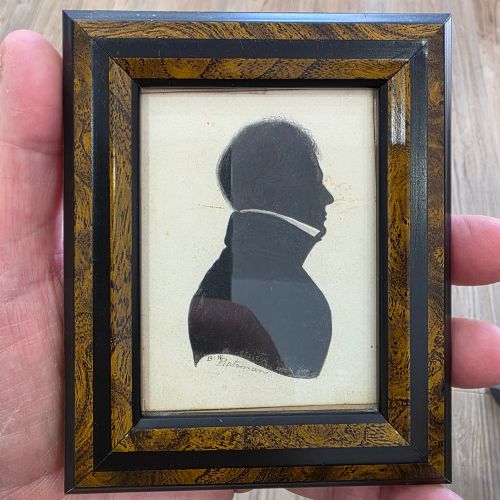
- A profile portrait cut from black paper or painted onto card, popularised in the Georgian era for rapid likenesses.
- Giltwood
- Timber carved and coated with gold leaf or metallic paint, frequently seen on period frames surrounding these paintings.
- Miniature
- A highly detailed, small-scale painting executed on ivory, vellum, or glass, often housed in a locket or framed brooch.
- Mezzotint
- A printmaking process where the copper plate is roughened to achieve rich tonal gradations, used here for reproductive portraits.
Signed Portrait: Frequently Asked Questions
How do I identify the artist signature?
Signatures typically appear discreetly in the lower corners of painted canvases or etched onto the base of bronze and marble sculptures. Comparing the handwriting style against known examples helps confirm authenticity.
Faint signatures sometimes require raking light or magnification to read properly beneath layers of historic varnish or protective glass.
Were these portraits always painted from life?
Most formal commissions required numerous sittings where the subject posed directly for the artist over several weeks. Some nineteenth-century works relied partially on early photographic references as technology advanced.
Posthumous portraits or copies after earlier masters were also commissioned by families to preserve the likeness of ancestors.
How should I frame and hang them?
Oil paintings and watercolours require stable indoor environments away from direct sunlight and excessive humidity to prevent canvas slackening or paper foxing. Period gilt frames complement the traditional aesthetic but must be checked for structural stability.
Secure heavy bronze and marble busts on sturdy, level surfaces where they will not be accidentally displaced.
Can I determine the exact date of the sitter?
Clothing styles, hairstyles, and framing conventions offer reliable clues for dating portraits within a specific decade. Sitters frequently dressed in their finest seasonal attire for formal commissions.
Inscribed dates on the reverse or archival records attached to the frame occasionally provide the precise year the likeness was captured.