


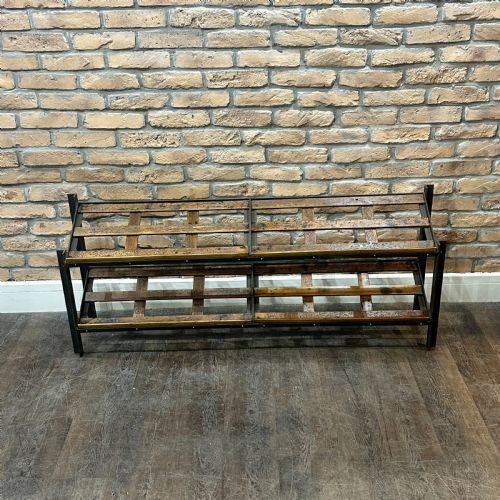
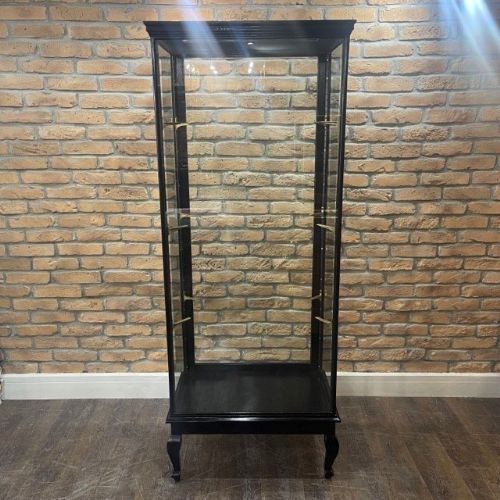


Shop Display Stand
These shop display stand pieces range from utilitarian milliner blocks to glazed cabinets, built to hold hats, garments, and wares for commercial trade.
Shop Display Stand
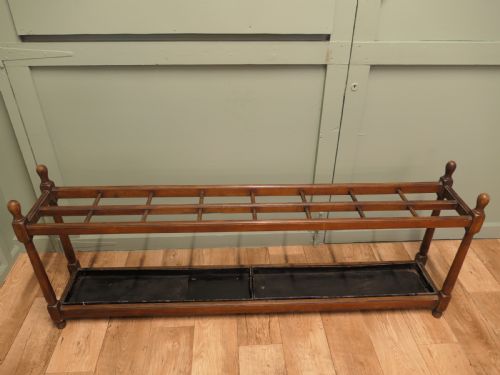
A shop display stand serves the practical purpose of presenting retail goods, spanning diverse trades from haberdashery to barbering. Buyers seeking a shop display stand encounter specialised forms including hat stretchers, cotton reel trees, and tiered metal risers.
Originating largely from the nineteenth century through the Art Deco era of the 1920s and 1930s, these commercial antiques combine sturdy iron, brass, and dense timbers like mahogany and oak.
The surviving inventory bridges large countertop cabinets and slender telescopic hat stands, reflecting the varied needs of historic shopfitters.
How They Were Made
Metal components utilise cast iron, wrought iron, and polished or bronzed brass, frequently paired with adjustable telescopic mechanisms for commercial versatility.
Cabinetry and stands employ solid mahogany, oak, fruitwood, and ebonised timber, often shaped with turned details or glazed panels to showcase merchandise.
Specialised items integrate turned beech or fruitwood for milliner blocks and wig stands, designed to withstand daily handling in busy retail environments.
Listings feature materials spanning brass, glass, cast iron, mahogany, steel, oak, and wrought iron across Victorian, Edwardian, and Art Deco eras.
What Varies in Quality
Quality rests upon the integrity of the materials and the sophistication of the mechanics, such as smooth adjustment screws on telescopic stands versus rigid fixed stems.
Fine examples display maker attribution, superior joinery in oak and mahogany, and substantial cast bronze or brass bases rather than lighter pressed metal.
The degree of original finish, whether polished brass or patinated iron, distinguishes utilitarian survivors from pieces commissioned for high-end Victorian and Edwardian emporiums.
Harris and Sheldon Ltd·Parnall & Sons·Siegel
The Shop Display Stand Glossary
- Milliner's hat sizer
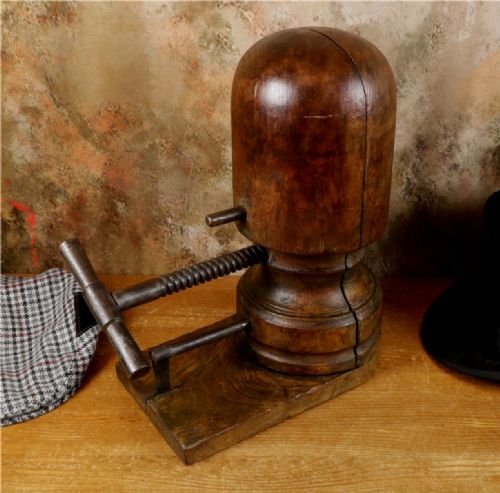
- A wooden block or stretcher used in hat-making and retail to shape or display headwear. These items often feature screw mechanisms to adjust the circumference.
- Telescopic stand
- A display fixture featuring an inner stem that slides within an outer tube to adjust height. This mechanism allowed merchants to adapt displays for windows and counters.
- Cotton reel display tree
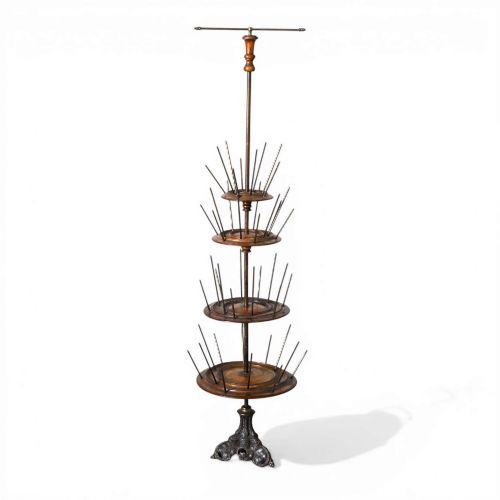
- A tiered vertical fitting designed to hold multiple spools of thread for customer selection. They showcase multi-level iron or brass branch structures.
- Ebonised
- Wood finished with a dark stain or lacquer to imitate ebony. This treatment was common on nineteenth-century display furniture to create a formal contrast with brass fittings.
Shop Display Stand: Frequently Asked Questions
How were shop display stands used originally?
Merchants utilised these fixtures on countertops and in display windows to elevate merchandise, making hats, fabrics, and small goods visible to passing customers.
Specialised stands accommodated specific items like wigs, rolls of fabric, or spools of thread to maintain tidy retail counters.
What materials are common in antique display stands?
Common materials include cast iron, wrought iron, brass, and bronze for structural frames and telescopic stems. Timber elements feature oak, mahogany, fruitwood, and beech.
Glass panels and mirrored backs frequently appear in larger countertop cabinets and show cases from the Victorian and Edwardian periods.
How do I date a shop display stand?
Dating relies on stylistic clues, such as the heavy cast iron and rich mahogany typical of nineteenth-century pieces, versus the geometric lines of 1920s Art Deco bronze and oak.
Manufacturer marks, where present, provide direct attribution to firms operating during the late Victorian and interwar commercial eras.
Are telescopic stands adjustable?
Many metal stands incorporate sliding vertical rods secured by thumbscrews, allowing merchants to alter the height of hats or garments in window displays.
This functional adaptability distinguishes commercial shop fittings from static domestic decorative objects.