
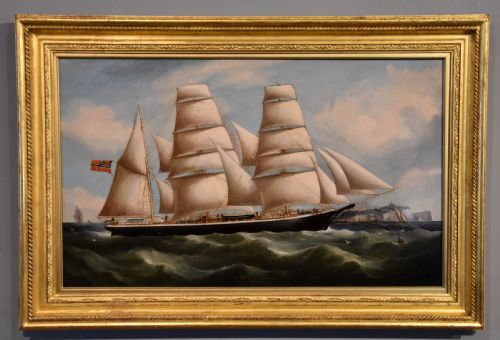


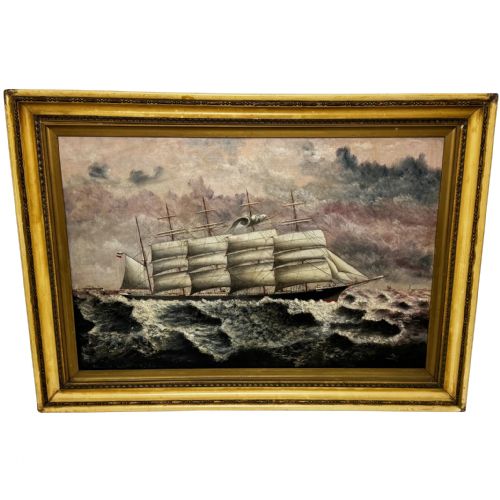


Ship Portrait Oil Painting
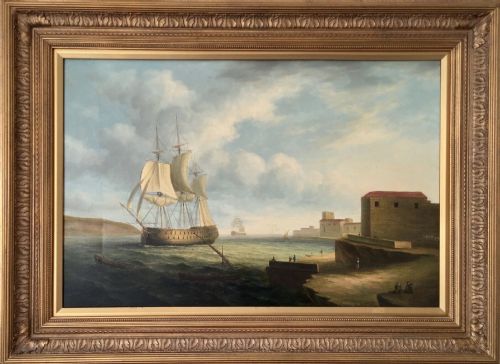
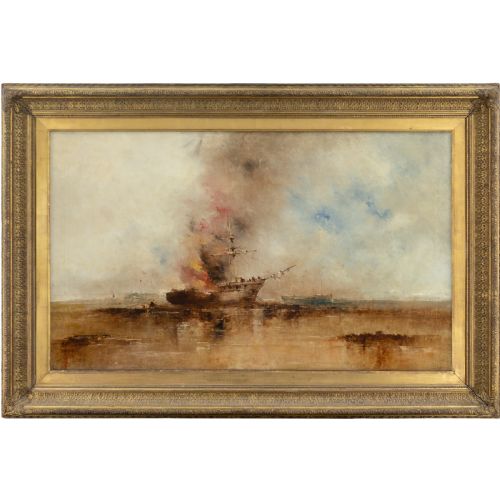
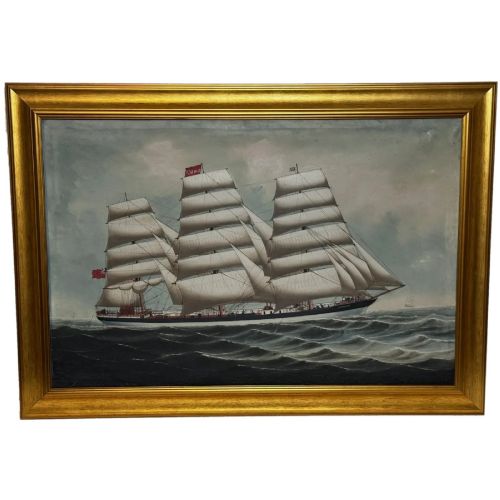
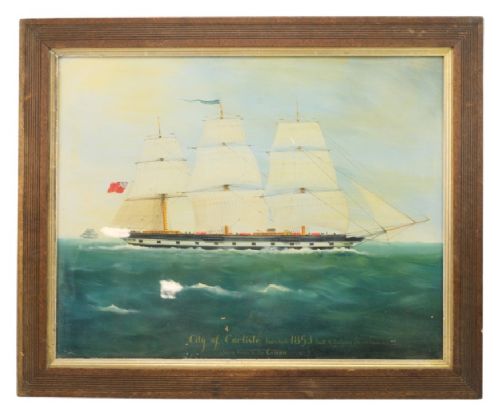
A ship portrait oil painting captures the specific vessel, recording maritime history through detailed canvas and panel works.
Ship Portrait Oil Painting
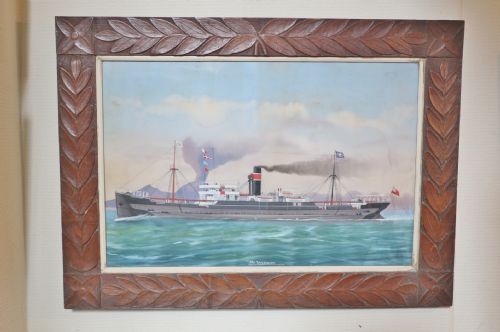
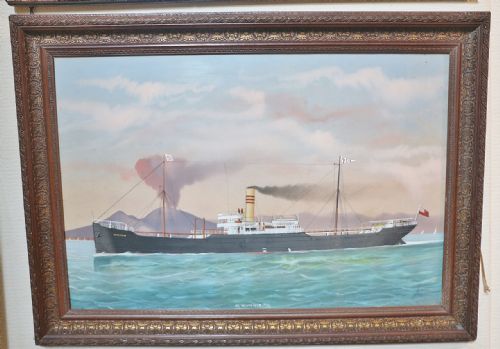
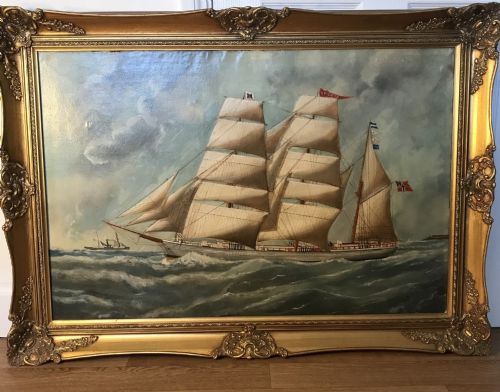
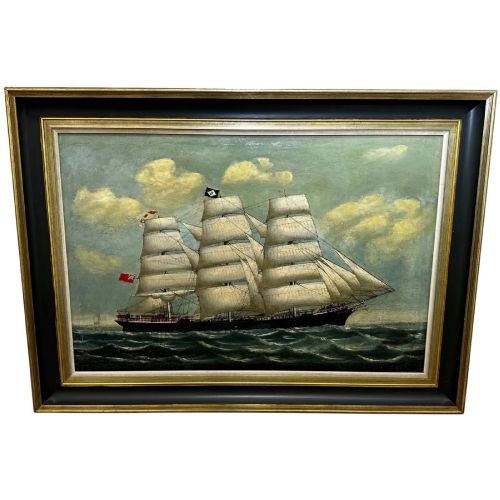
A ship portrait oil painting depicts named vessels, ranging from galleons and three-masted barques to steamships and ocean liners. Buyers seek these works to document specific maritime histories, naval vessels, and commercial sailing ships through authentic period depictions.
The pieces on this page span the nineteenth century, the Victorian era, and the Edwardian period up to the mid-twentieth century. Works frequently record named vessels such as the clipper ship Thermopylae or the barque Vick, often shown off coastlines or in heavy seas.
Surviving examples emerge from English, Scottish, American, and Anglo-Chinese schools, alongside works attributed to specific marine painters. These paintings combine historical documentation of shipping lines with traditional marine art styles.
What varies in quality
Quality in a ship portrait oil painting depends upon the precision of the vessel's rigging, hull proportions, and architectural accuracy. Master painters captured nautical mechanics and atmospheric conditions with exactness, whereas lesser works rely on formulaic waves and generic hulls.
The handling of light on water and the contextual detail of the background - such as identifiable lighthouses, harbours, or storm conditions - separate standard pierhead paintings from superior artistic records. Provenance, attribution to recorded marine artists, and original framing also elevate the standing of a piece.
Early marine artists occasionally added tiny, disgruntled-looking seagulls to stormy canvases just to emphasise the miserable weather.
Reginald Arthur Borstel·Lai Fong·Richard B. Spencer·Joseph Heard·Samuel John Milton Brown·Johan Jens Neumann
The Ship Portrait Oil Painting Glossary
- Pierhead painting
- A genre of ship portrait created specifically for sailors and shipowners, typically showing a vessel departing or arriving at a known port. These works prioritise accurate representation of the ship over artistic landscape conventions.
- Barque
- A sailing vessel with three or more masts having the fore and mainmasts square-rigged and the mizzenmast fore-and-aft rigged. This rig type appears frequently in nineteenth-century maritime art.
- Giltwood
- Wood carved and coated with gold leaf or gold paint, commonly used for the ornate frames enclosing antique marine oil paintings. Original frames help preserve the historical context of the artwork.
- Clipper
- A very fast nineteenth-century merchant sailing ship with three masts and a square rig, built for speed on trade routes. Paintings of clippers celebrate the height of the age of sail.
Ship Portrait Oil Painting: Frequently Asked Questions
What is a ship portrait?
A ship portrait is a specialised marine painting commissioned to show a specific vessel from a precise angle, often highlighting its name, flags, and rigging.
Unlike general seascapes, these works function almost as architectural drawings of ships, created to satisfy shipowners, captains, and maritime enthusiasts.
How do I identify the ship?
Artists often inscribed the vessel's name directly onto the canvas, within the foreground waves, or on the original frame plaque.
Details such as specific house flags, funnel markings on steamships, and port landmarks like Valletta or Hong Kong provide further clues for identification.
Where were they displayed?
These paintings traditionally hung in the offices of shipping companies, maritime merchants, and the homes of ship captains.
Today, collectors place them in studies, living rooms, and libraries where traditional wood furniture and maritime decor complement the nautical subject matter.
How do I date these paintings?
Dating relies on vessel types, such as transitioning from wooden sailing barques to steel-hulled steamships, alongside artist signatures and stylistic periods.
Victorian and Edwardian costume in accompanying figures, canvas stamps, and framing materials also help establish the era of creation.