




Sheraton Style Oval Table
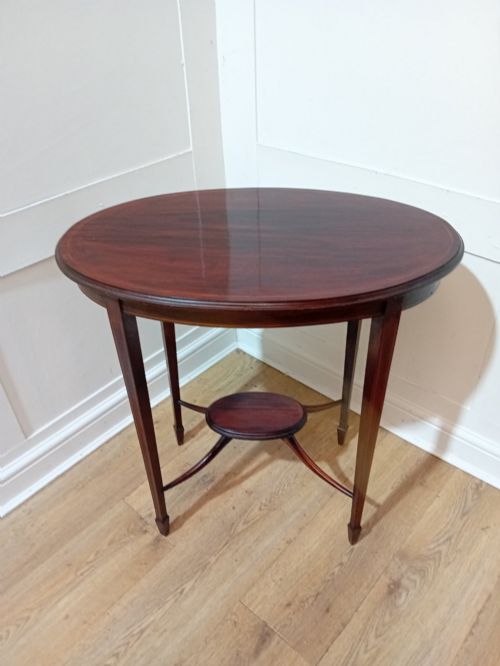
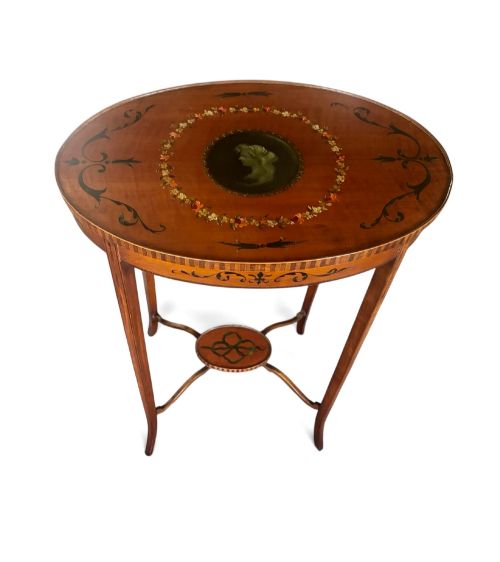
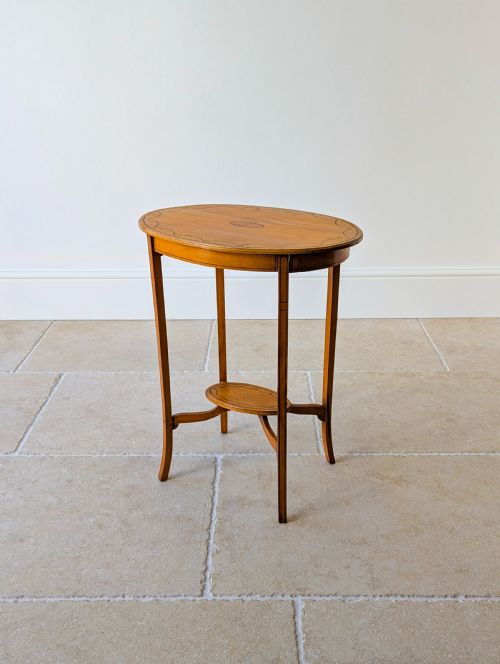
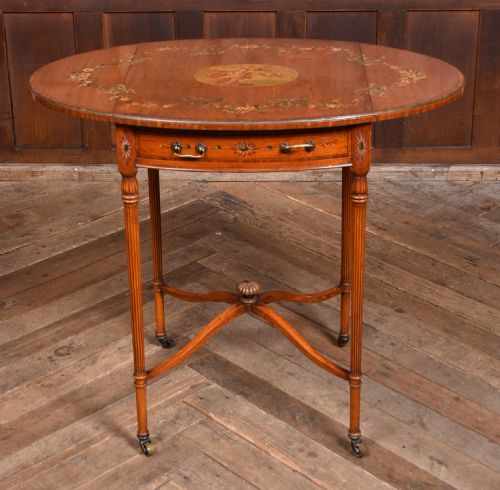
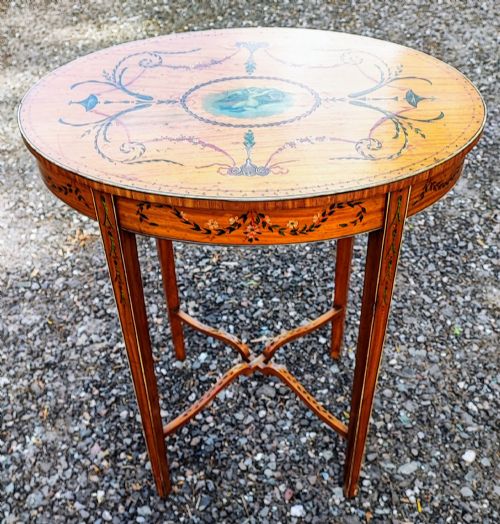
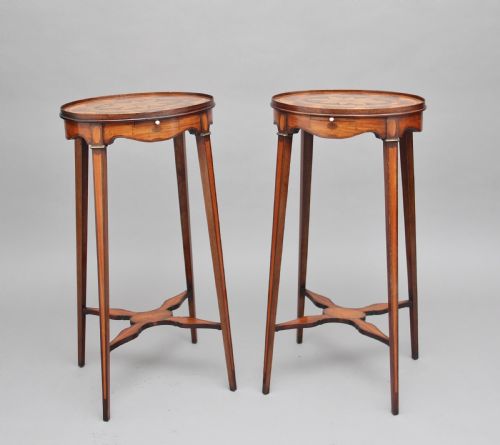
A sheraton style oval table brings refined neoclassical grace to a room, offering slender tapered legs and delicate satinwood inlay.
Sheraton Style Oval Table
A sheraton style oval table is a refined piece of furniture rooted in late eighteenth-century design principles, often characterised by graceful proportions and delicate woodwork. When searching for a sheraton style oval table, buyers frequently encounter nineteenth-century revival interpretations alongside genuine pieces from the Georgian era.
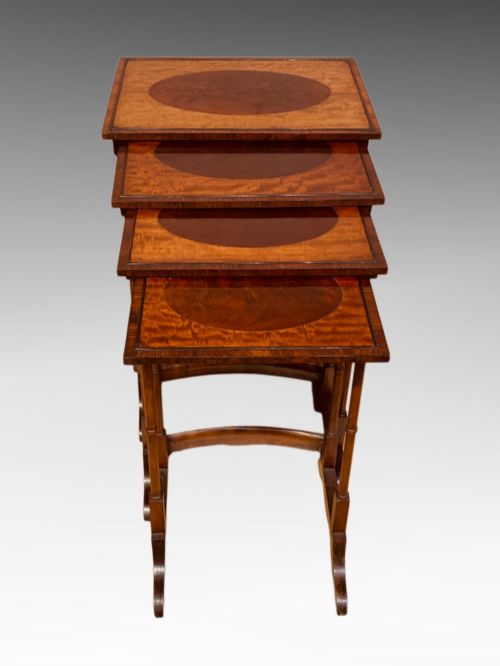
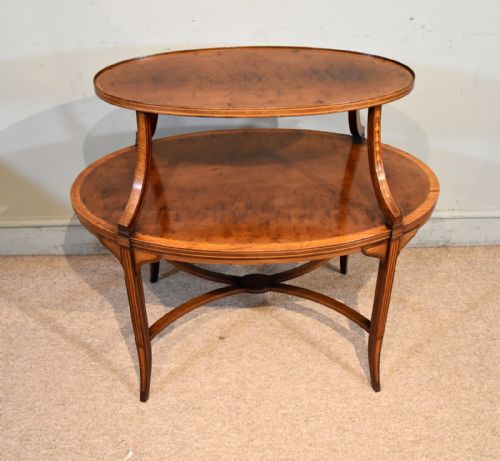
The selections available range from occasional tables and Pembroke formats to drop-leaf variations and centre tables. These pieces utilise distinctive geometric outlines, curving gracefully to soften the interior layout of a reception room or boudoir.
Makers across the Georgian, Victorian, and Edwardian periods drew heavily on classicism, producing items that function practically as tea tables, writing supports, or decorative display surfaces. The enduring appeal lies in this combination of utility and restrained ornamentation.
How they were made
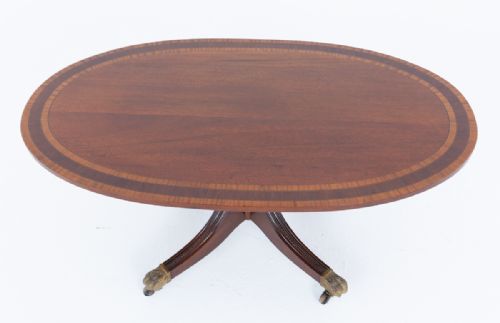
Cabinetmakers constructed these tables primarily using solid mahogany and smooth satinwood veneers, often incorporating contrasting boxwood inlay to define the edges and borders. Master craftsmen selected timber with careful grain patterns to create subtle visual depth across the table top.
Listings span the Georgian period through the Edwardian era, featuring mahogany, satinwood, and painted decoration across occasional, Pembroke, and centre table forms.
What varies in quality
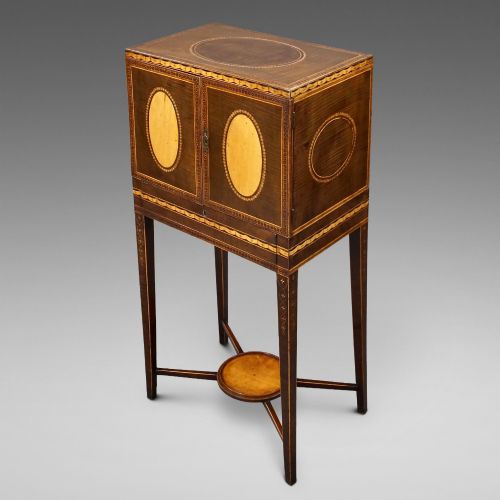
The standard of execution in inlay work and marquetry distinguishes simpler production from finer examples. Precise, tight joints around the borders and delicate contrasts in the boxwood demonstrate superior bench skill.
Selection of timber grain and the crispness of painted floral motifs or neoclassical scenes determine the visual standing of the piece. Tables featuring balanced proportions and well-preserved original surfaces carry greater character and presence.
The Sheraton Style Oval Table Glossary
- Satinwood
- A hard, yellowish timber prized for its smooth texture and light, reflective sheen when polished. It frequently serves as a decorative veneer on classical tables.
- Pembroke table
- A small table featuring hinged drop leaves on two opposing sides, supported by folding brackets or swing legs. This format allowed easy repositioning within domestic interiors.
- Inlay
- A technique where pieces of contrasting wood, such as boxwood, are inserted into recessed cavities on the surface to form decorative patterns. It defines the classical outlines of these designs.
- Étagère
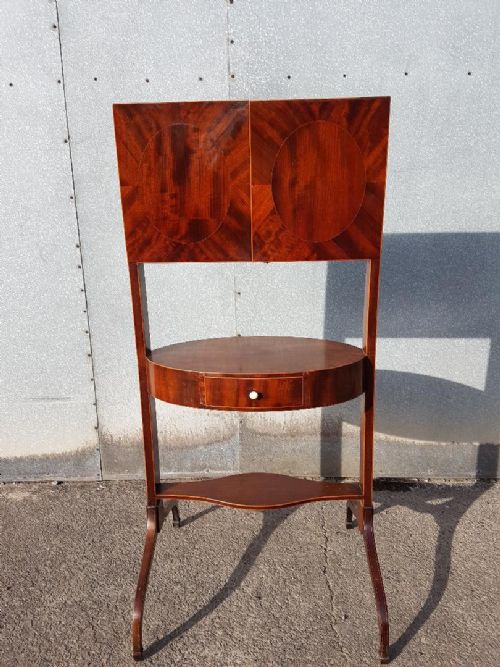
- A set of open shelves arranged in tiers, designed for displaying small objects or holding books. These portable stands share the refined style of the period tables.
- Neoclassical
- An artistic movement reviving classical Greek and Roman motifs, characterised by symmetry, straight lines, and restrained ornamentation. It heavily influences the decoration found on these tables.
Sheraton Style Oval Table: Frequently Asked Questions
What is a sheraton style oval table used for?
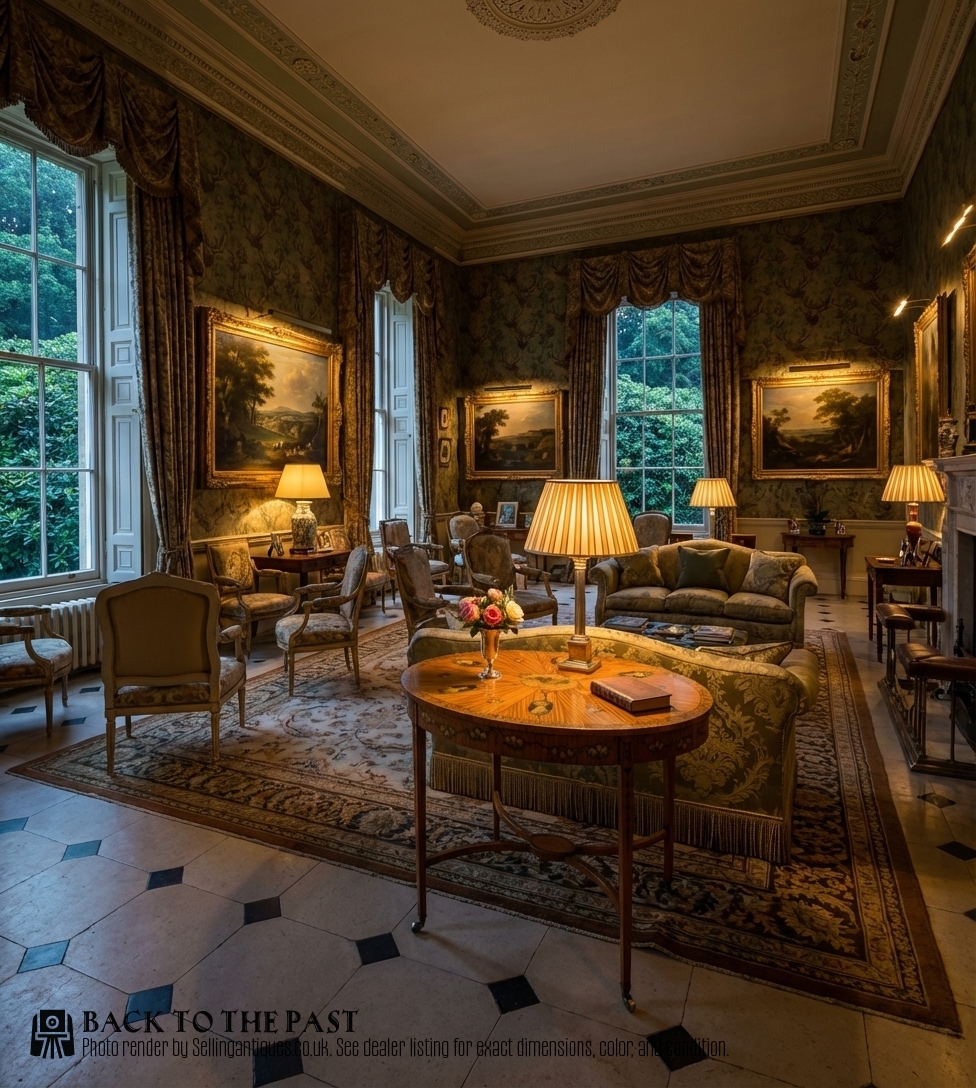
These tables served historically as occasional surfaces for holding tea equipment, books, or decorative ornaments in principal rooms. Their manageable scale allowed them to be moved easily around the interior.
Today, buyers utilise them as coffee tables, bedside stands, or accent pieces in drawing rooms. The elegant oval shape softens the corners of modern furniture layouts.
How do I distinguish Georgian pieces from revival eras?
Georgian examples date from the eighteenth or early nineteenth century and exhibit hand-cut construction markers and natural timber ageing. The joinery and patination reflect the working methods of period cabinetmakers.
Revival pieces, produced during the Victorian and Edwardian periods, often display machine-assisted precision and specific revival labels in their titles. These later interpretations faithfully copy the earlier neoclassical aesthetic.
What materials are typical for these tables?
Mahogany forms the primary structural timber for many examples, offering durability and a deep reddish-brown colour. Satinwood frequently appears as a contrasting veneer across the top surfaces.
Boxwood inlay, glass inserts, and hand-painted floral decorations add further decorative contrast. Brass accents also appear on specific hardware and fittings.
How should I care for a satinwood surface?
Protect the delicate timber from direct sunlight to prevent the light satinwood finish from fading over time. Use coasters and avoid placing damp items directly onto the polished wood.
Apply a traditional wax polish occasionally to nourish the grain and maintain the natural lustre. Dust gently with a dry, soft cloth during routine maintenance.