


Sheraton Open Shelves
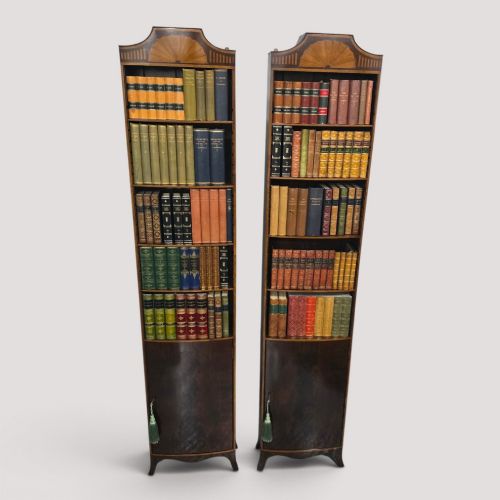
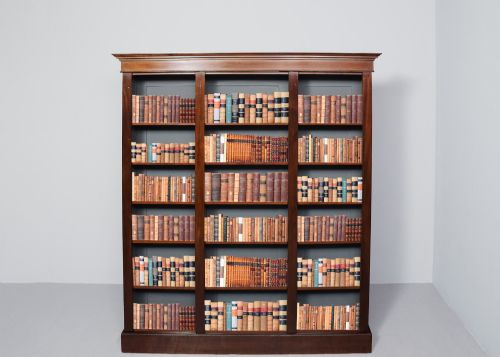
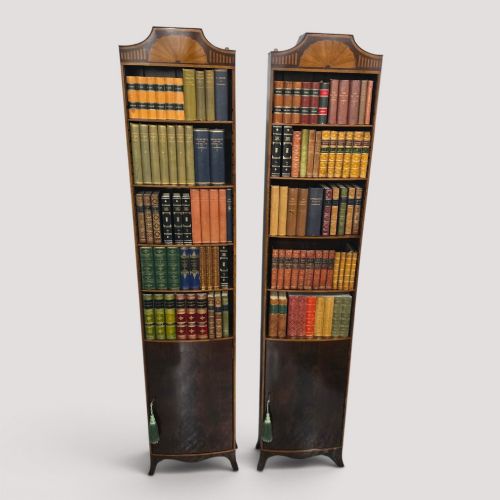
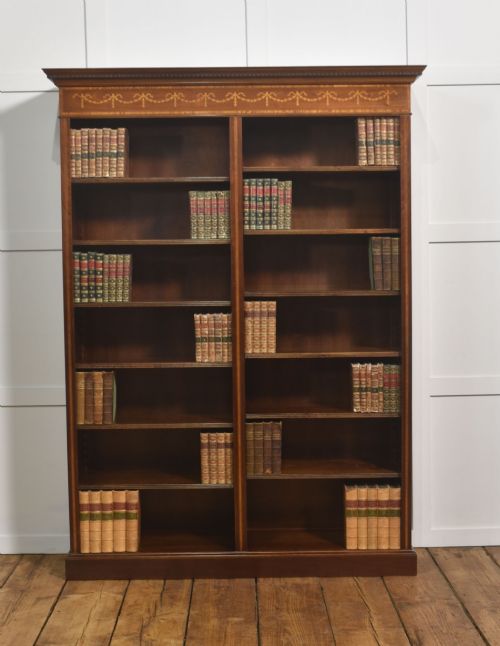
Sheraton open shelves are elegant display and storage pieces defined by refined neoclassical lines, highly prized for holding books and displaying cherished objects.
Sheraton Open Shelves
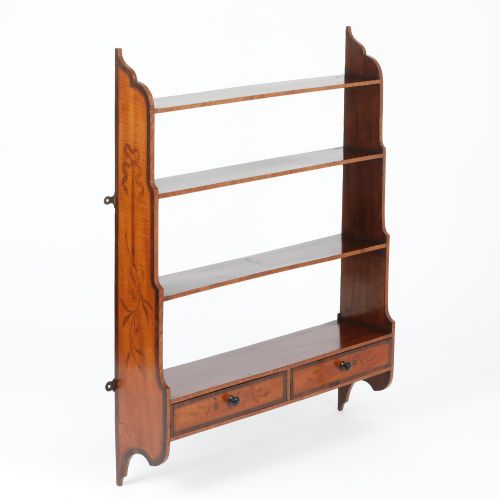
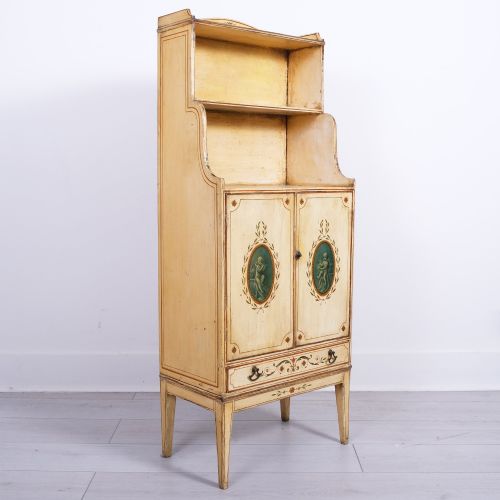
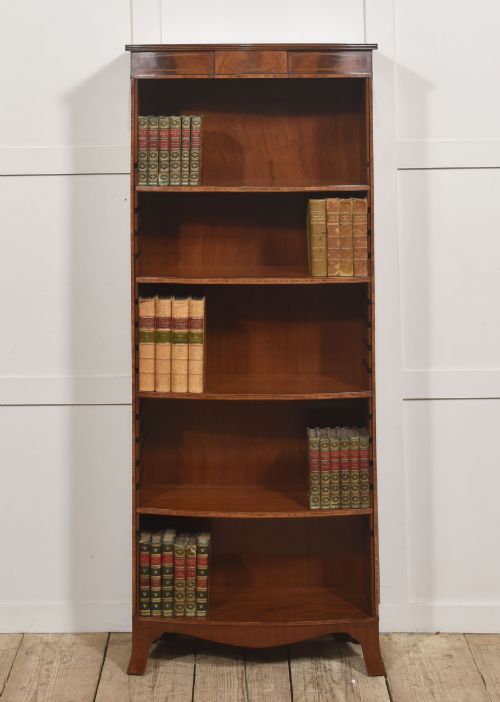
The selections on this page feature slender forms, adjustable shelving, and occasional glazed or cabinet elements, originating from periods including the 18th century, the 19th century, and the Edwardian epoch. Mahogany and satinwood form the core of what is available, often enriched by intricate inlay work and painted decoration.
Bookcases and waterfall bookshelves dominate the offerings, appearing singly or in matching pairs designed to balance a room. These pieces provide accessible display space while maintaining the restrained proportions characteristic of the aesthetic.
Materials and construction methods
Cabinet makers utilised select timbers such as mahogany and satinwood, frequently employing boxwood and brass details to accent the structure. Crossbanding and satinwood inlay define the surfaces, requiring steady hands and precise woodworking skills.
Painted wood surfaces appear on select Georgian examples, showcasing delicate decorative brushwork alongside traditional timber construction. Adjustable shelf mechanisms allow interior flexibility within sturdy structural frames.
Several pieces include delightfully petite waterfall shelves designed to hold nothing heavier than a pocket diary and a small vase.
Assessing craftsmanship and finish
Quality rests in the crispness of the inlay work and the selection of the timber grain, where highly figured satinwood or rich mahogany elevates the piece. The subtlety of painted decoration and the precision of the joinery distinguish finer examples from simpler workshop productions.
Proportion and restraint separate the most accomplished items from heavier pieces, with slim frames and balanced breakfront or bow-front profiles commanding attention. The integration of brass fittings and the preservation of original surfaces play a vital role in determining the standing of any given item.
The Sheraton Open Shelves Glossary
- Crossbanding
- A narrow strip of veneer applied to the border of a panel, running perpendicular to the grain of the central wood. This technique creates a neat framing effect along shelves and tabletops.
- Inlay
- Pieces of contrasting timber, shell, or brass set flush into the surface of a base wood to form decorative patterns. It adds visual texture without interrupting the flat plane.
- Waterfall bookcase
- A tiered set of open shelves where each level steps back from the one below it. The cascading profile provides stable support for smaller volumes and ornaments.
- Satinwood
- A light yellow-gold timber with a natural sheen, highly favoured in neoclassical furniture for banding and veneering. It brings brightness and reflective quality to cabinet surfaces.
- Frieze
- The flat decorative band running along the upper portion of a piece of furniture just beneath the cornice. It often carries inlaid motifs or painted ornamentation.
Sheraton Open Shelves: Frequently Asked Questions
Where should I place open shelves?
These pieces suit studies, libraries, and living rooms where books and decorative objects require accessible display.
Their slim proportions allow them to fit neatly against walls or into corners without dominating the floor space.
How do I adjust the shelves?
Many of these pieces feature traditional wooden support strips or pin systems that let you reposition boards to fit various book heights.
Carefully lift each shelf to clear the supports before shifting it to the desired slot.
Are these pieces suitable for heavy books?
Sturdy timber construction provides reliable support for everyday reading materials and standard octavo volumes.
Distributing weight evenly across the adjustable boards ensures the structure remains stable over time.
How can I tell a Georgian piece from a later revival?
Georgian pieces display the natural patination and structural construction methods of the late eighteenth century.
Revival pieces from the Victorian and Edwardian eras typically employ cleaner machine-cut elements while faithfully copying earlier neoclassical styles.