






Sheraton Inlaid Wooden Stands
Sheraton inlaid wooden stands combine refined geometry with delicate marquetry, offering functional elegance for displaying decorative objects in traditional interiors.
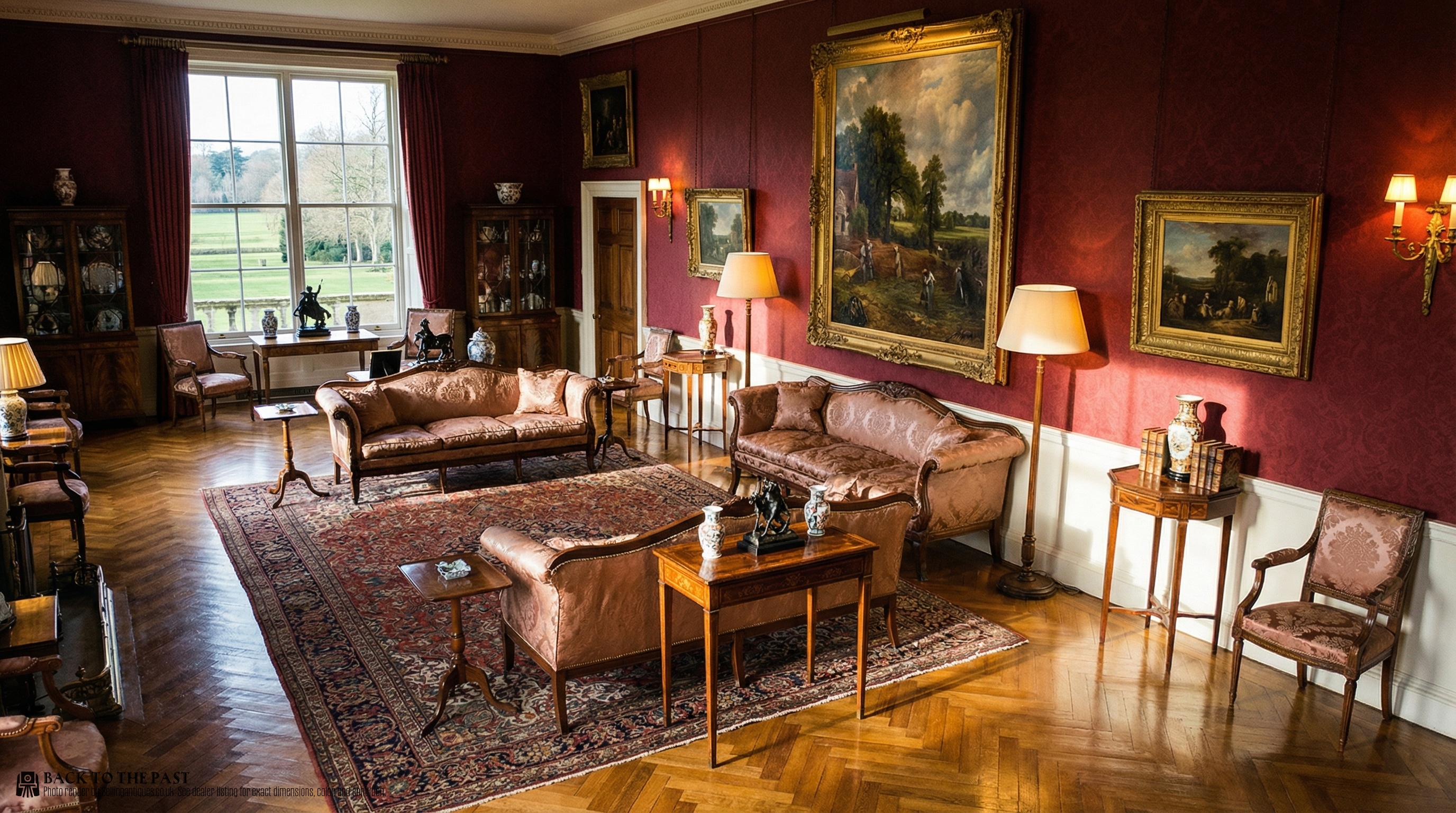
Sheraton Inlaid Wooden Stands
When you examine sheraton inlaid wooden stands, you encounter pieces designed for utility and display, ranging from small urn stands to occasional lamp tables. These objects span multiple periods, with many originating in the Georgian era and later reappearing during the Edwardian Sheraton Revival.
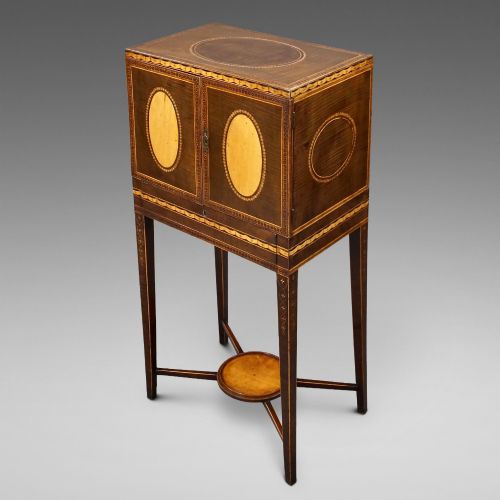
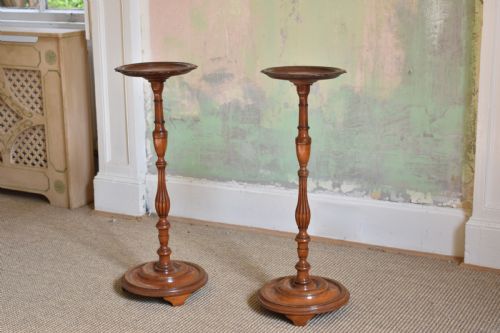
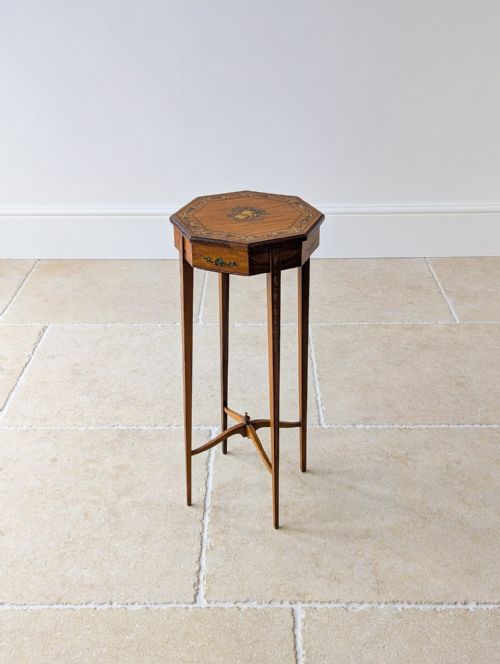
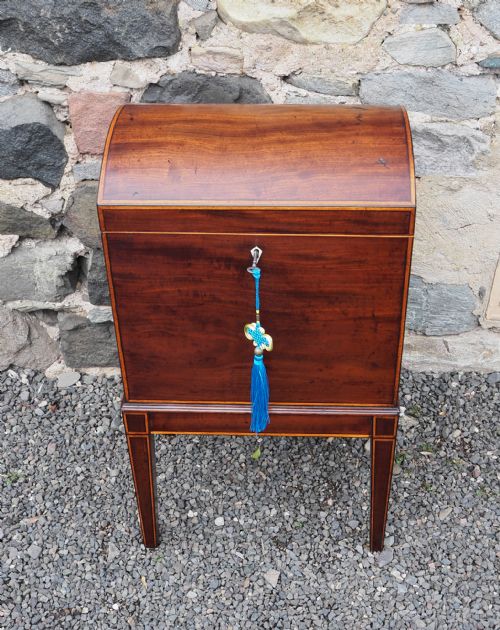
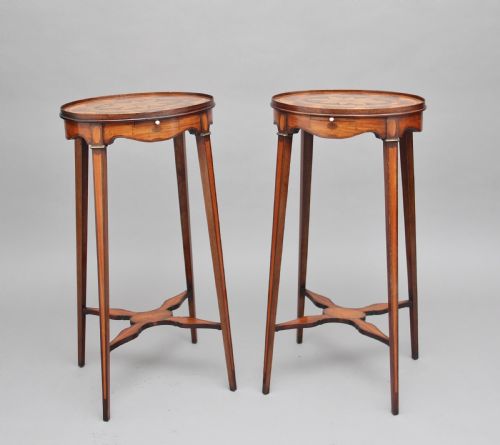
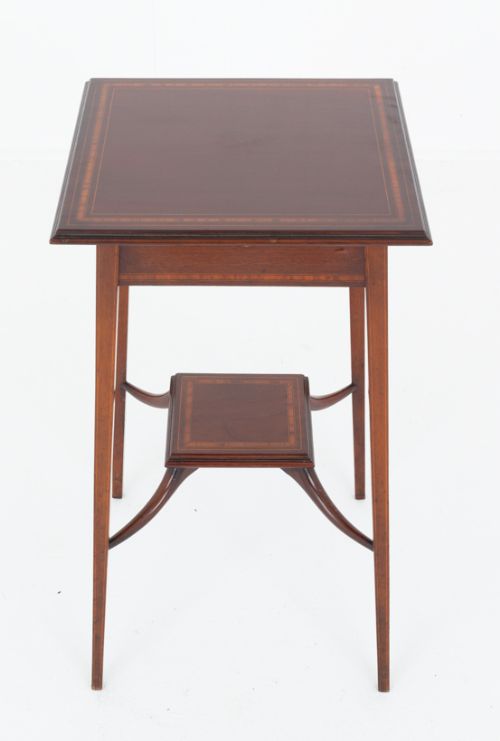
The forms on this page include octagonal urn stands, kettle stands, plant stands, and candle stands constructed primarily in mahogany and satinwood. Buyers frequently meet Edwardian interpretations that emulate eighteenth-century aesthetics through lighter framing and restrained proportions.
Originating as specialised furniture for domestic display, these pieces utilise slender legs and geometric tops to maintain a sense of lightness in a room. Their presence bridges practical surface space with decorative marquetry and banded borders.
Materials and Construction
Cabinetmakers constructed these stands predominantly using mahogany and satinwood, frequently incorporating contrasting timbers for linear banding and decorative motifs. Boxwood inlay provides sharp definition against darker mahogany surfaces, creating crisp geometric borders.
Wood inlay and marquetry techniques require precise hand-cutting of veneers to fit intricate floral or classical patterns into the primary surface. Artisans relied on traditional joinery methods to ensure stability in slender-legged tables without sacrificing delicate proportions.
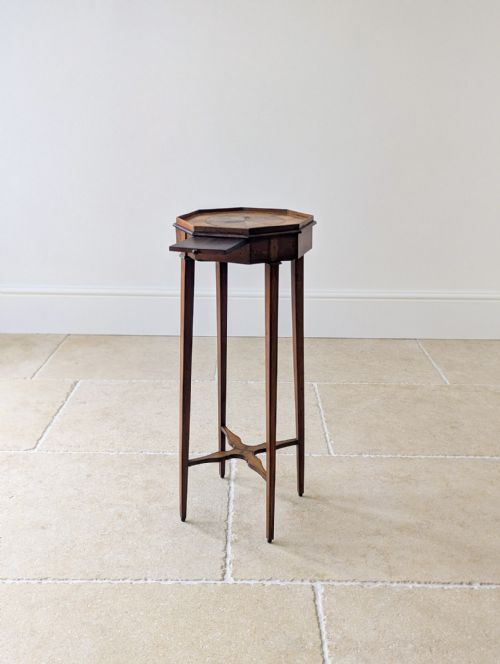
Several stands feature tiny pull-out candle slides, reminding us that eighteenth-century tea drinkers required a very specific surface for extinguishing wax.
Assessing Quality and Execution
The refinement of the inlay work separates standard production from superior examples. Sharp contrast in the boxwood and satinwood elements indicates careful selection of timber by the maker.
Proportion and structural harmony dictate the standing of each piece. Superior examples maintain balance across slender legs and tapered supports, whereas lesser pieces display heavier framing that compromises the intended lightness.
The Sheraton Inlaid Wooden Stands Glossary
- Sheraton Revival
- A late nineteenth and early twentieth century design movement that reinterpreted eighteenth-century neoclassical furniture forms. This style frequently utilised satinwood and mahogany with delicate boxwood inlay.
- Marquetry
- The art of applying pieces of veneer to a structure to form decorative patterns and pictures. Craftsmen used various coloured woods to achieve pictorial depth on table tops.
- Urn Stand
- A small, tall table specifically designed to hold a tea urn during the eighteenth century. These pieces often feature pull-out slides and octagonal or square tops.
- Torchere
- A tall, slender stand intended to support a candle or light fixture. They typically feature tripod bases and classical columnar shafts.
- Satinwood
- A durable, lustrous timber native to India and the West Indies, known for its golden-yellow colour. It was favoured by eighteenth and nineteenth-century cabinetmakers for decorative veneers.
Sheraton Inlaid Wooden Stands: Frequently Asked Questions
What is an urn stand?
An urn stand is a small, elevated table originally designed to hold a heavy hot water urn for tea service. Their compact tops and tall proportions made them convenient for positioning near seating areas.
Over time, these versatile pieces transitioned into general display tables for porcelain, lamps, or decorative ornaments in drawing rooms.
How do I spot Sheraton Revival?
Sheraton Revival pieces date from the late nineteenth and early twentieth centuries, mimicking the lighter neoclassical lines of the 1700s. They often employ satinwood, extensive boxwood inlay, and painted floral motifs.
Examining the underside, secondary woods, and hardware helps distinguish these later interpretations from genuine eighteenth-century originals.
Where were these stands used?
These stands occupied principal reception rooms, drawing rooms, and parlours of period homes. Their primary function was supporting small decorative objects, candles, or tea equipment.
Today, they function effectively as lamp tables or plant stands in traditional and contemporary living spaces alike.
What woods are most common?
Mahogany and satinwood dominate the construction of these tables, providing strong structural integrity and rich surface grain. Boxwood and various contrasting timbers appear frequently in the decorative inlay.
Less common variations include yew wood and harewood, which introduce alternative tones to the standard mahogany palette.
How do I care for inlaid wood?
Inlaid surfaces require protection from direct sunlight and extreme humidity fluctuations to prevent veneer lifting or timber shrinkage. Gentle dusting with a dry cloth preserves the polished finish.
Avoiding silicone-based polishes ensures the antique timber and delicate boxwood lines retain their natural appearance over time.