
Sheraton Furniture
Sheraton furniture brings together light woods and refined classical lines from the Georgian era through to the Edwardian revival.
Sheraton Furniture
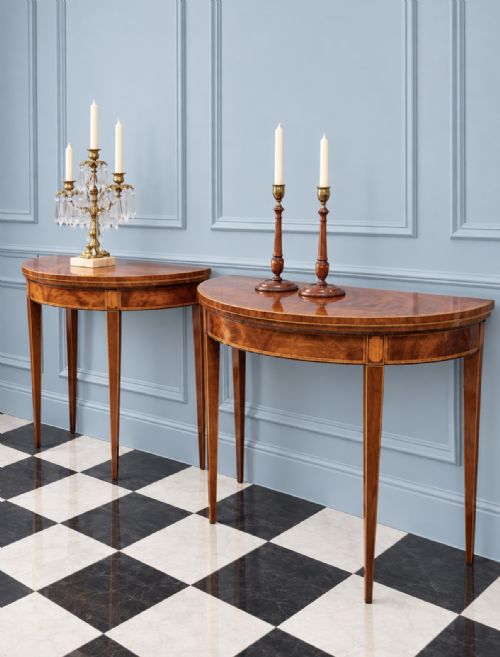
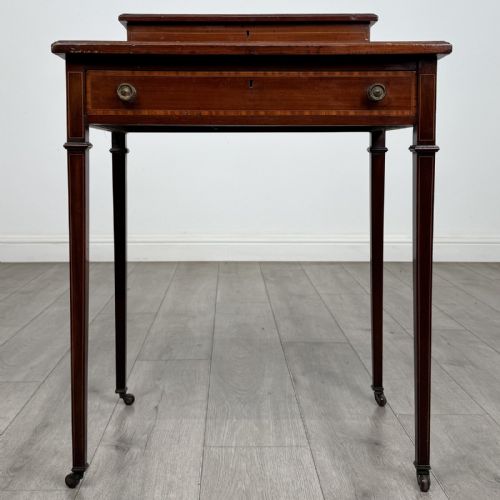
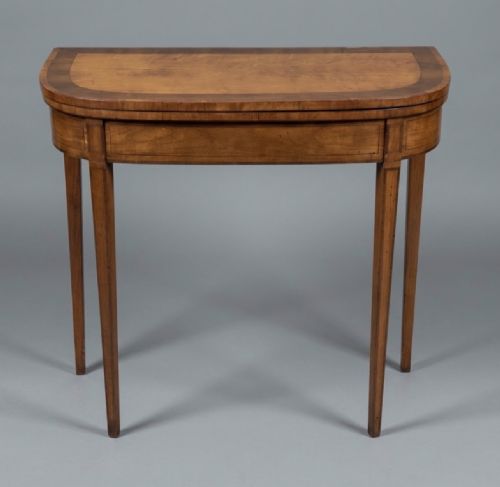
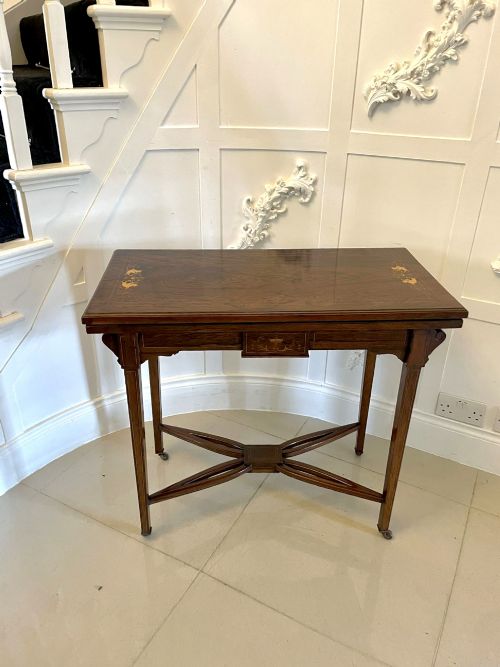
When you examine sheraton furniture, you encounter light timber finishes and upright, balanced proportions that define late eighteenth-century design. The pieces on this page span several eras, originating from the Georgian period through to the Edwardian and Victorian revivals.
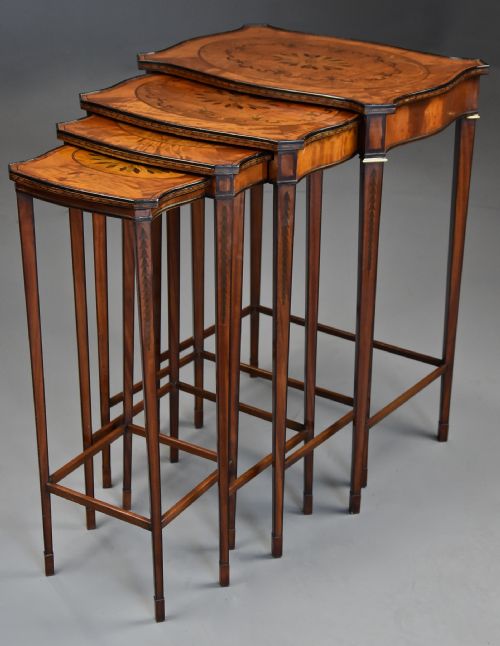
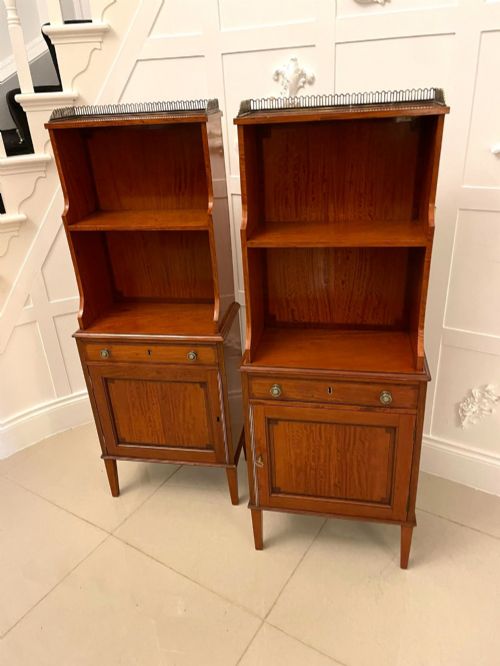
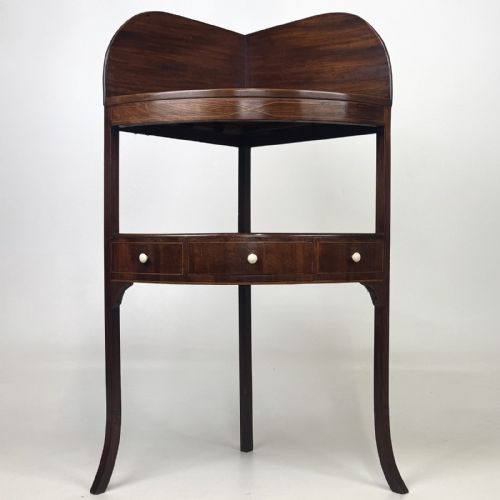
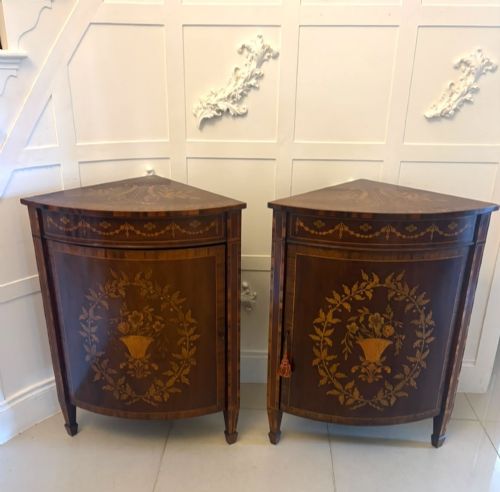
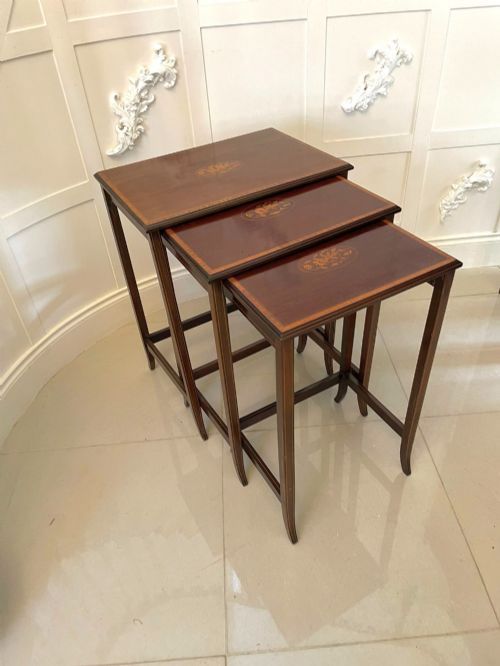
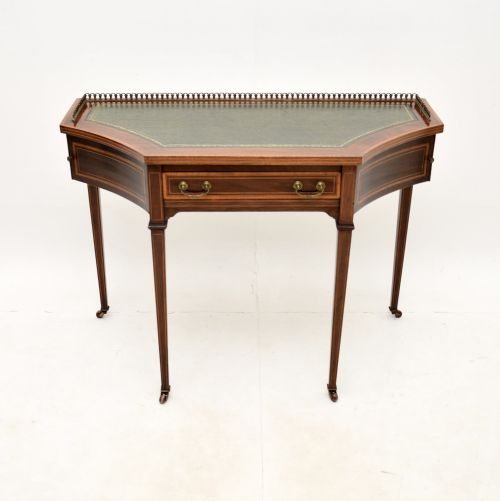
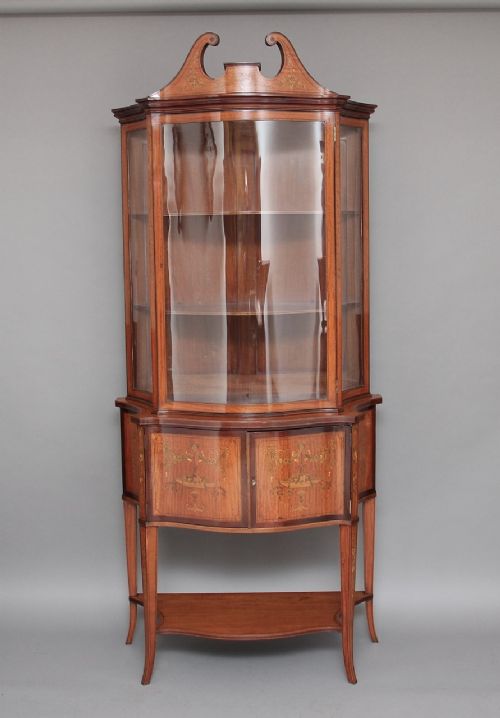
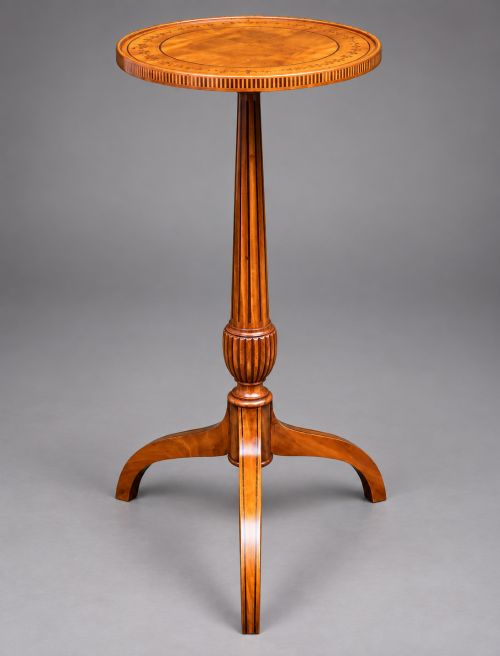
Dining chairs, card tables, side cabinets, and display pieces form the core of what is available. Many examples incorporate satinwood and mahogany, often enhanced by painted floral motifs and subtle marquetry inlay.
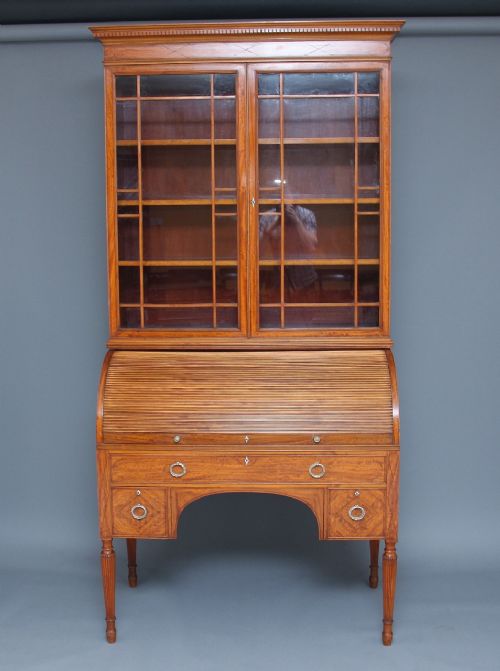
The aesthetic prioritises elegance and utility, producing items like Pembroke tables, writing desks, and bookcases that suited fashionable homes of the period. Later revivals from the nineteenth and early twentieth centuries faithfully copy these lighter, graceful forms.
Materials and construction
Cabinetmakers relied on mahogany and satinwood as primary timbers, often pairing them with rosewood and boxwood for contrasting crossbanding and fine stringing. These woods provided a smooth canvas for delicate painted decoration or complex marquetry panels.
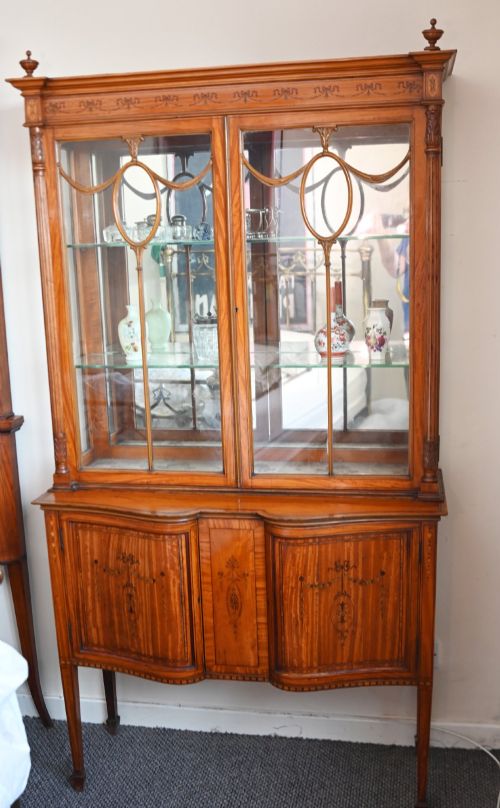
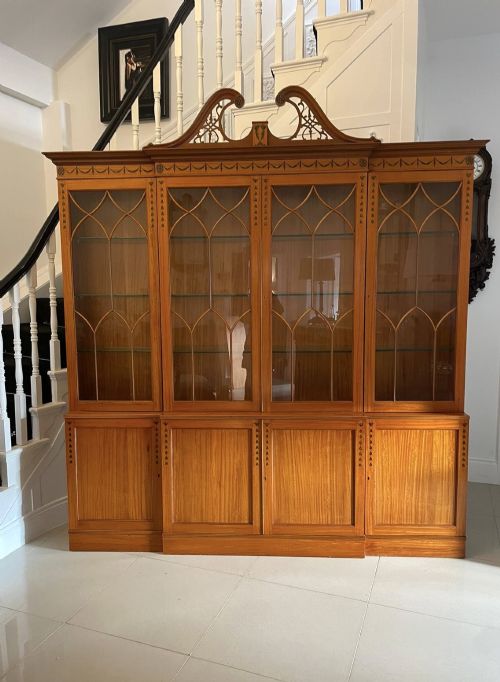
Structural elements frequently included brass hardware, glass panels for bookcases and display cabinets, and occasionally fabric linings. Joinery techniques ensured sturdy frames for items ranging from small occasional tables to large wardrobes and sideboards.
Listings feature items spanning the 18th century, Georgian, Regency, Victorian, and Edwardian periods, utilising mahogany, satinwood, and rosewood.
Assessing quality and execution
The distinction between standard items and exceptional pieces rests on the precision of the inlay and the crispness of any hand-painted decoration. Finer examples display meticulous craftsmanship in timber selection, ensuring grain patterns complement the overall shape.
Makers known for high output, such as Edwards & Roberts or Gillows, typically employed superior timber preparation and more intricate brass fittings. The integrity of the original surfaces and the subtlety of the colour ageing also determine the standing of each piece.
Gillows·Edwards & Roberts·Hewetsons London·Hampton & Sons London·J Shoolbred
The Sheraton Furniture Glossary
- Crossbanding
- A strip of veneer applied to the border of a table top or drawer front so the grain runs perpendicular to the main surface. This technique creates a neat framing effect common on fine cabinet work.
- Satinwood
- A lustrous, yellowish timber imported from the West Indies and Ceylon, prized for its golden sheen. It serves as a primary veneer on many decorative tables and cabinets.
- Marquetry
- The art of forming decorative patterns by fitting together small pieces of various coloured woods and veneers. It differs from inlay by assembling the entire design before applying it to the carcass.
- Astral glazing
- A method of dividing glass panes within cabinet doors using slender wooden bars. This creates an open, geometric grid that lightens the appearance of large bookcases.
- Étagère
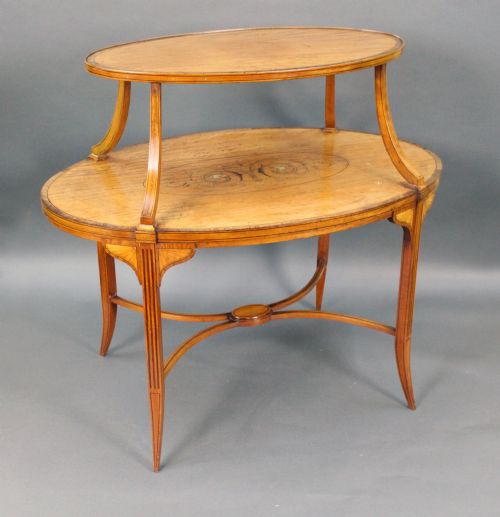
- A set of open shelves supported by small columns, designed for displaying ornaments and small objects. These tiered tables became particularly popular during the later revival periods.
Sheraton Furniture: Frequently Asked Questions
How do I identify true Sheraton style?
Authentic pieces or later revivals typically feature straight tapered legs, contrasting wood veneers, and classical motifs derived from ancient architecture. Look for geometric balance and light proportions rather than heavy, carved elements.
Craftsmen often utilised satinwood, mahogany, and fine boxwood stringing to delineate panels and drawer fronts, maintaining a restrained and elegant silhouette.
Were these pieces used in dining rooms?
Dining chairs, sideboards, and serving tables were standard fixtures in period dining spaces. Sideboards provided surfaces for serving food, while cellarets and cabinets stored glass and silverware.
Chairs from this tradition feature open backs with carved or inlaid splats, designed to accompany formal dining tables during the Georgian and Regency eras.
How do I care for satinwood surfaces?
Keep delicate timber pieces away from direct sunlight and heat sources to prevent the wood from fading or drying out. Gentle dusting with a soft, dry cloth is usually sufficient for regular maintenance.
Avoid using silicone-based polishes or excessive moisture, which can damage aged finishes and delicate painted decorations over time.
What is the difference between Georgian and revival pieces?
Original eighteenth-century items show the hand-cut joinery and timber ageing consistent with the period of origin. Revival pieces, made during the Victorian and Edwardian eras, often utilise machine-sawn elements and slightly different secondary woods.
Both categories hold distinct appeal, with revival pieces often demonstrating exceptional nineteenth-century cabinetmaking skill.