
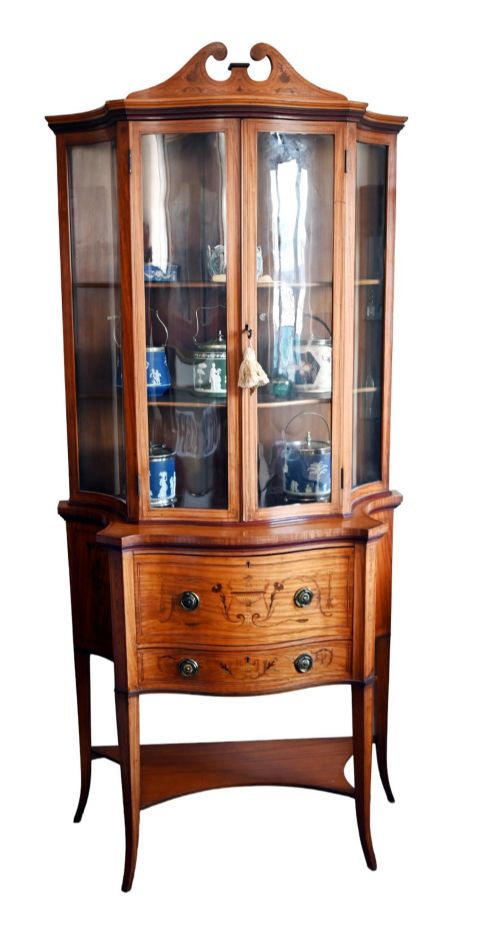
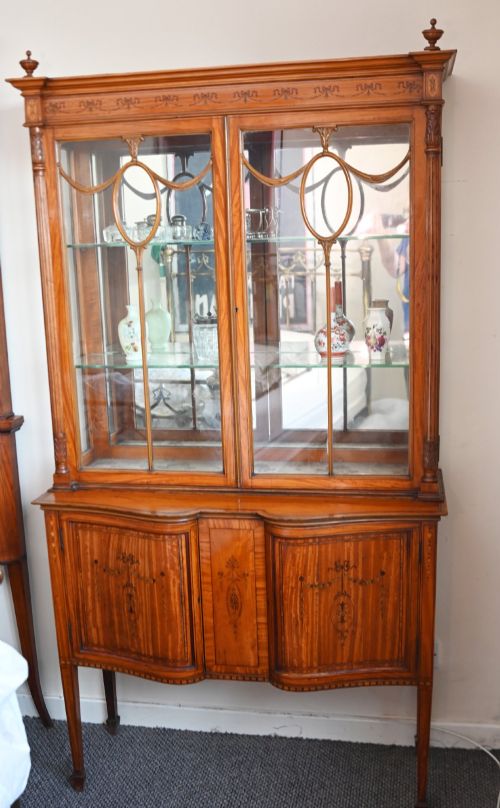
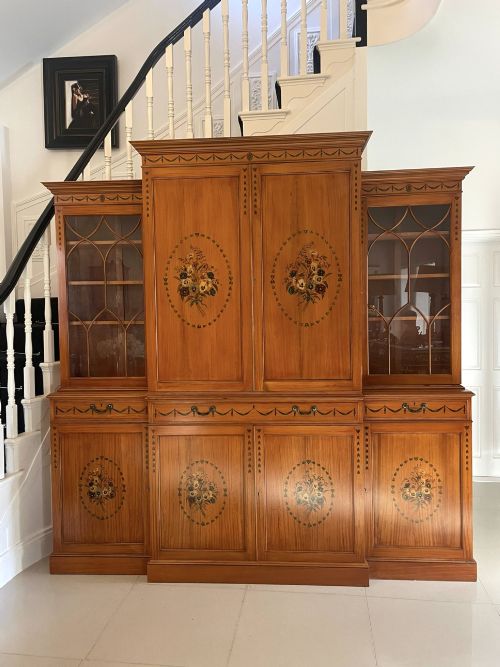
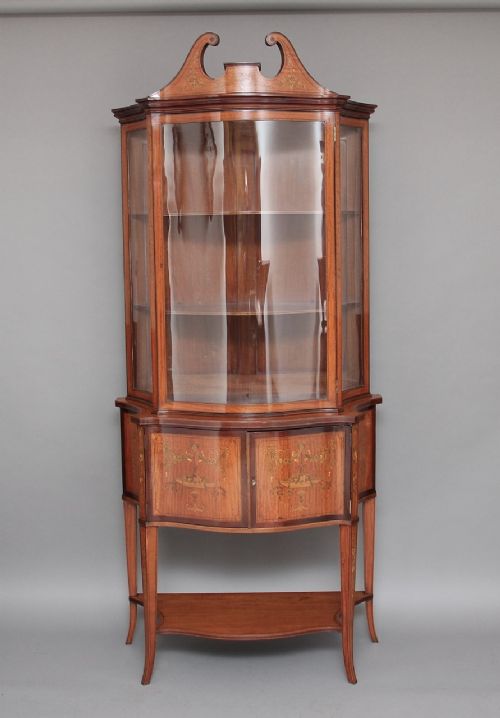

Sheraton Display Cabinet
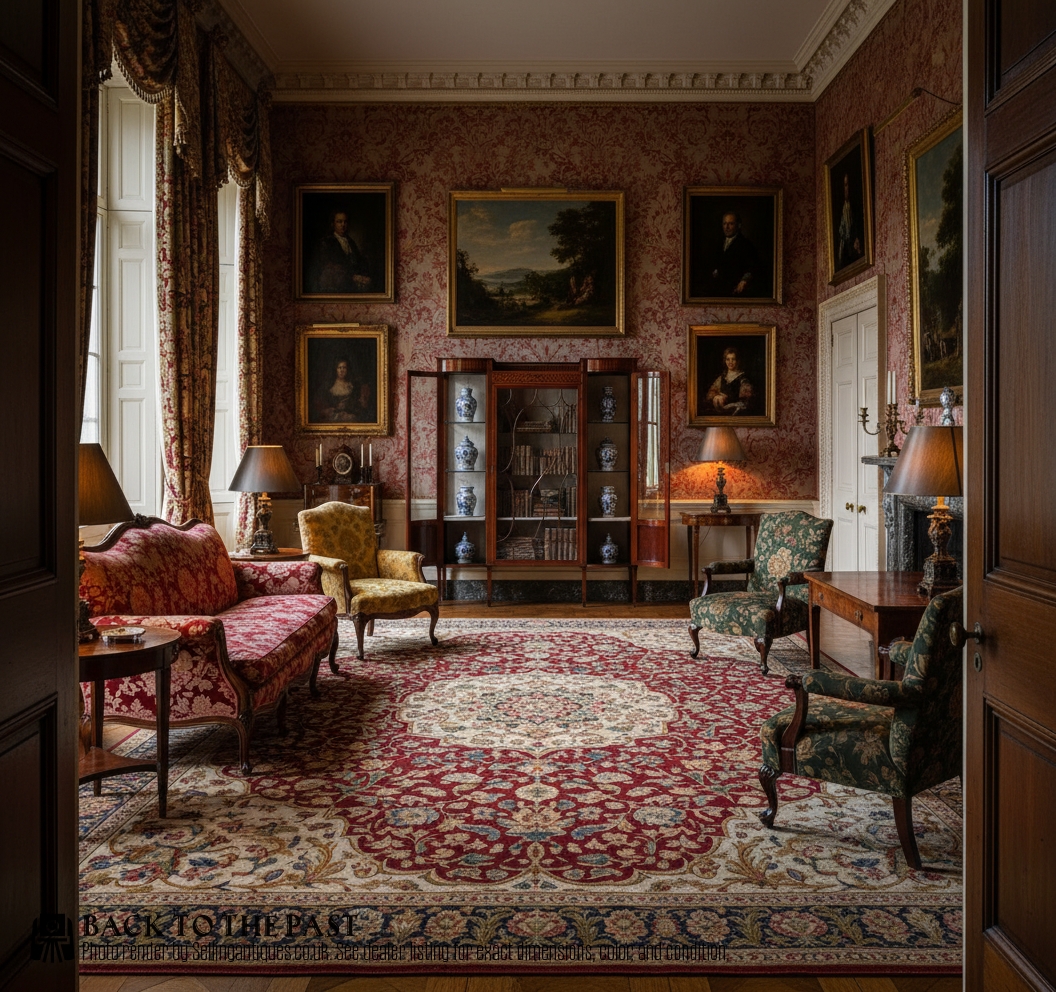
A sheraton display cabinet brings refined neoclassical elegance into a room while safely showcasing cherished porcelain and glassware.
Sheraton Display Cabinet
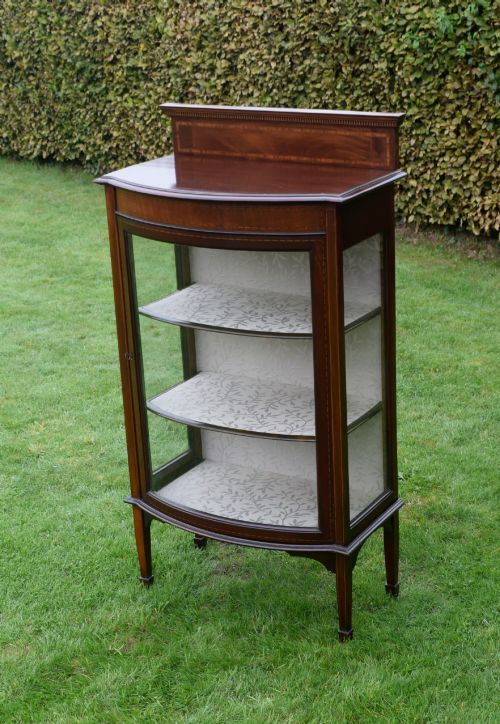
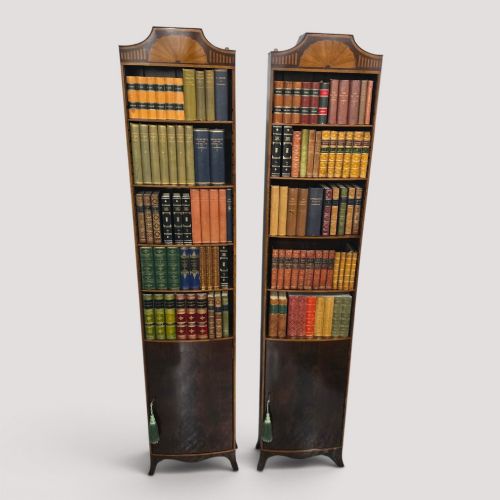
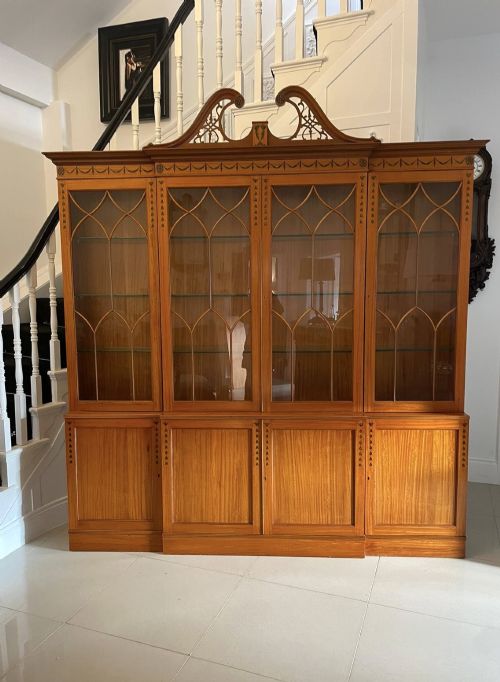
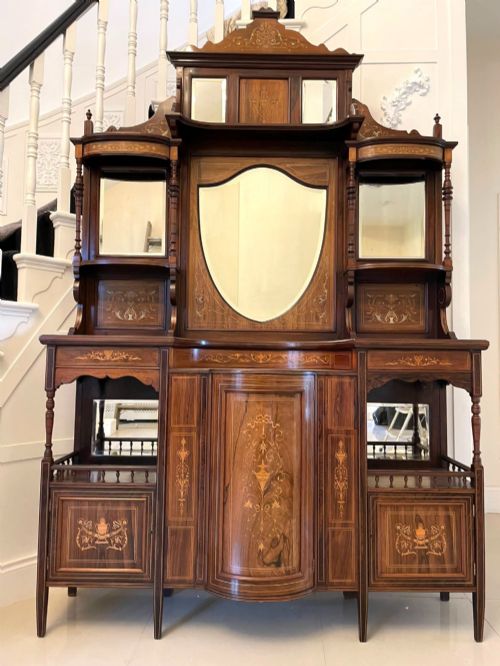
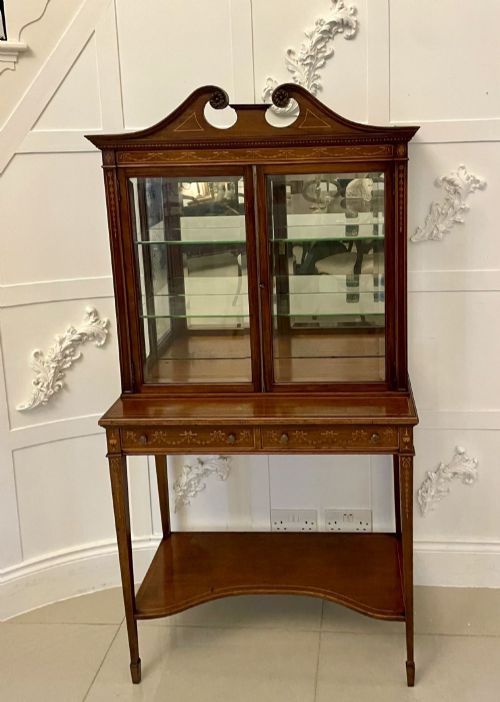
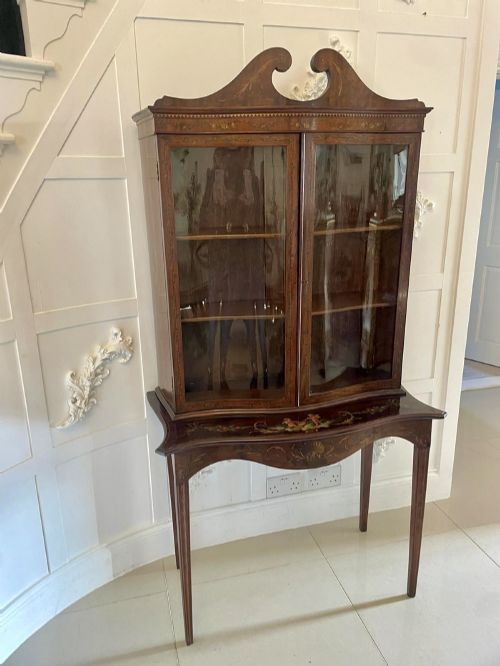
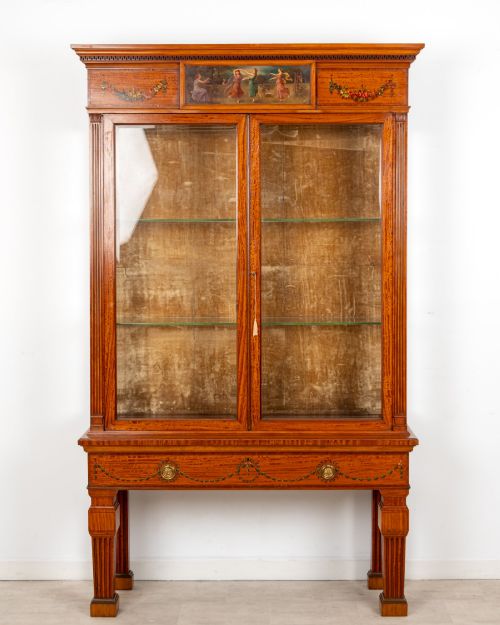
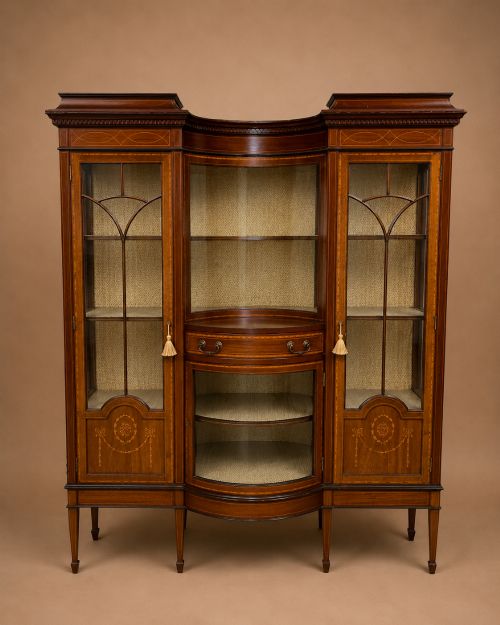
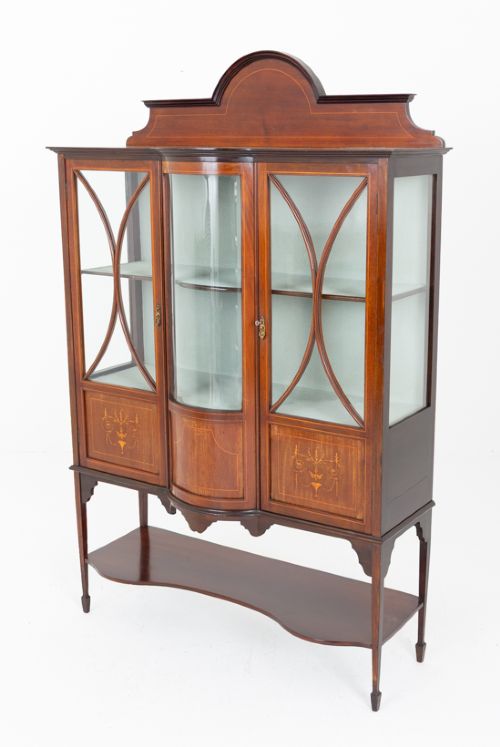
A sheraton display cabinet encompasses various refined storage and showcase forms, ranging from towering breakfronts and bow-fronted vitrines to compact corner cabinets and delicate cabinets on stand. These pieces emerge predominantly from the late 18th-century Georgian and George III eras, alongside a widespread revival during the Edwardian period and the late 19th century.
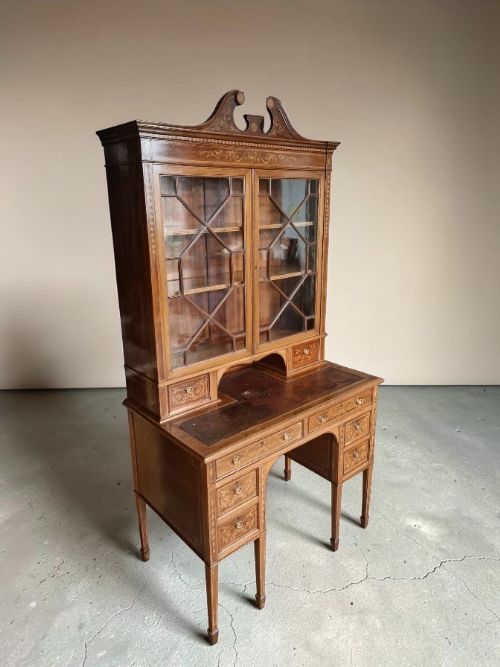
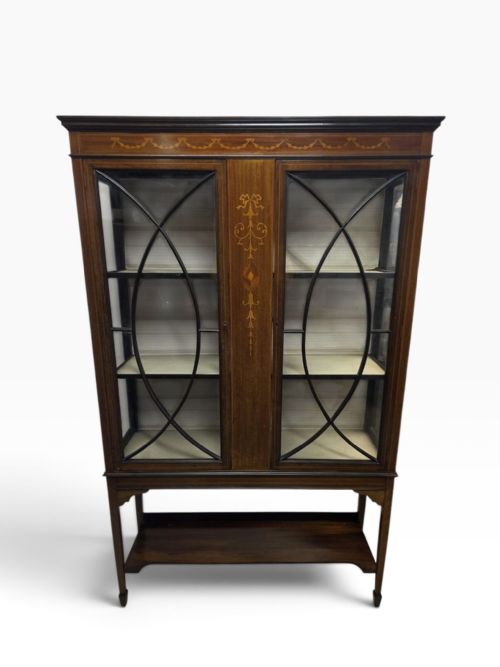
The version most commonly encountered on this page is the Edwardian or Sheraton Revival mahogany display cabinet, often featuring glazed doors, delicate satinwood inlay, and painted decoration. Alongside these upright display pieces, collectors regularly encounter specialised variations such as bijouterie tables, secretaire bookcases, and serpentine side cabinets.
Materials and Construction
Cabinetmakers constructed these pieces primarily using solid mahogany and rich satinwood, occasionally incorporating rosewood, harewood, and brass hardware to elevate the design. Surfaces frequently display intricate marquetry and satinwood inlay, utilising contrasting timbers to form neoclassical motifs and geometric borders.
Glazing takes the form of delicate astragal bars dividing the glass panes of doors and bookcases, while select pieces feature hand-painted floral or classical decoration applied directly onto the wood.
Some delicate cabinets hide tiny secretaire drawers designed for stashing clandestine letters behind drop-front writing surfaces.
Craftsmanship and Proportion
The distinction between standard examples and the finest pieces lies in the precision of the cabinetwork, the depth and intricacy of the inlay, and the crispness of any painted decoration. Superior makers executed cabinet doors, bowed glass fronts, and astragal bars with meticulous alignment, ensuring balanced proportions that honour neoclassical design principles.
The choice of primary timber and secondary woods dictates the longevity and visual resonance of the piece, with dense, figured mahogany and luminous satinwood marking out the upper tier of execution.
Hampton & Sons·Edwards & Roberts·Maple & Co
The Sheraton Display Cabinet Glossary
- Astragal glazed
- Glass panes held within a network of slender wooden bars, creating an elegant grid pattern across cabinet doors.
- Satinwood inlay
- Contrasting blonde timber inserted into darker primary woods to form decorative lines, swags, and neoclassical motifs.
- Breakfront
- A piece of furniture where the central section projects forward from the flanking outer sections.
- Bijouterie table
- A glass-topped display table specifically designed for showing small valuable objects, medals, or jewellery.
- Marquetry
- Elaborate veneer work arranged in pictorial or geometric patterns using various coloured woods.
Sheraton Display Cabinet: Frequently Asked Questions
How do I date a sheraton display cabinet?
Original 18th-century pieces display the hand-cut joinery, timber shrinkage, and subtle construction traits characteristic of the Georgian period. Revival pieces from the Victorian and Edwardian eras often show machine-made consistency and specific interior lining papers typical of late 19th-century workshop production.
Examining the underside, backboards, and hardware alongside the timber choice clarifies whether a piece originates from the late Georgian era or the subsequent Edwardian revival.
Where should I place a corner cabinet?
A corner cabinet fits neatly into empty room junctions, utilising vertical space without cluttering the main floor area. These pieces work particularly well in dining rooms or drawing rooms to display collections of china.
Ensure the piece sits level against both adjoining walls and away from direct sunlight to protect the polished mahogany or satinwood surfaces.
How do I care for antique satinwood?
Dust surfaces regularly with a soft, dry cloth and avoid using modern silicone sprays or harsh chemical cleaners. Maintaining stable indoor humidity prevents timber splitting and protects delicate painted decorations.
Applying a traditional beeswax polish sparingly helps nourish the grain and preserves the subtle lustre of the wood over time.