
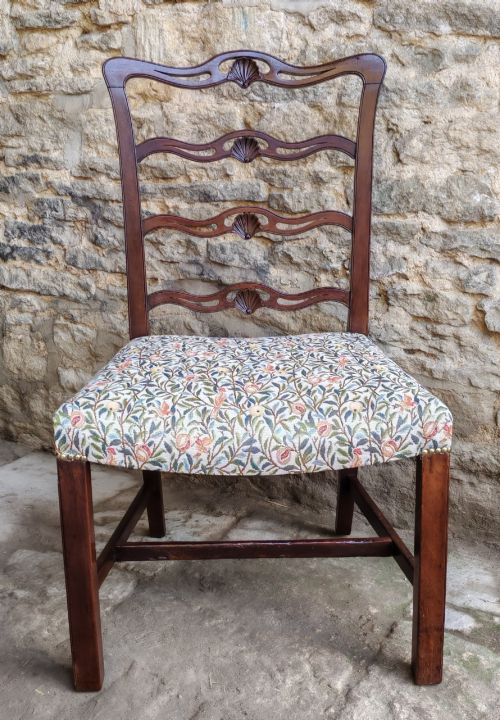
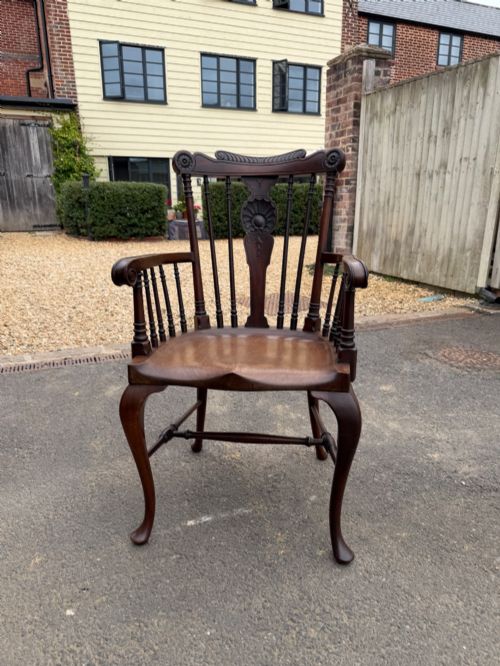
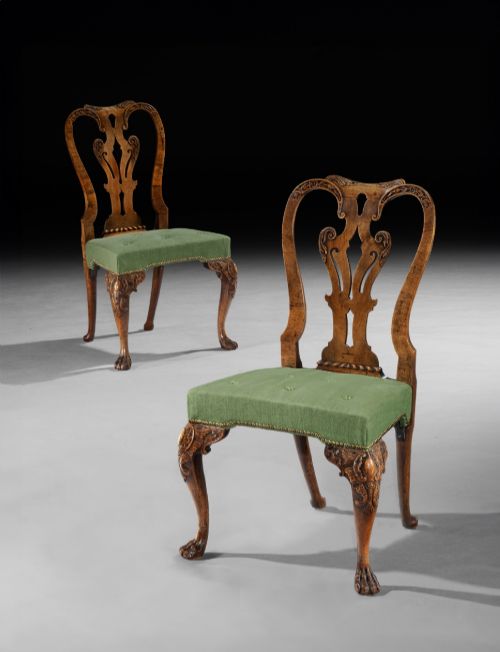
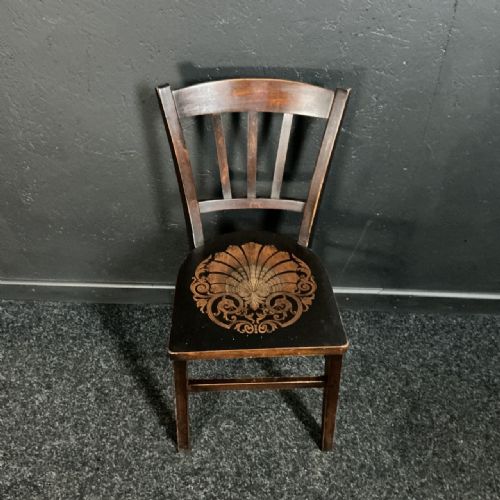


Shell Carved Desk
A shell carved desk brings tangible warmth and historical texture to a study, uniting practical workspace with classic decorative carving.
Shell Carved Desk
A shell carved desk combines utilitarian form with ornamental shell motifs, drawing on 18th Century and later revival periods.
The pieces listed span Georgian forms like the kneehole desk and later walnut revival interpretations from around 1900.
Buyers will encounter both genuine antique examples and period revival iterations that emulate earlier Georgian craftsmanship.
Materials and construction methods
Cabinetmakers constructed these desks primarily in mahogany and walnut, utilising dense hardwoods suited to intricate chisel work.
Carvers shaped the signature shell motifs directly into the timber frame, often incorporating brass hardware for handles and fittings.
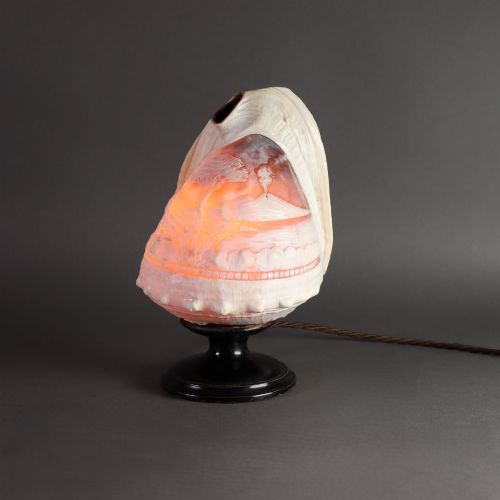
One conch shell cameo lamp on record depicts Mount Vesuvius behind the Bay of Naples, proving that Grand Tour souvenirs could carve out a glowing niche.
Distinctions in craftsmanship
Superior examples display crisp, deeply undercut carving on the shell motif rather than shallow, mechanical stamping.
The selection of timber grain and the integrity of internal drawer construction separate standard utility pieces from finer work.
The Shell Carved Desk Glossary
- Kneehole desk
- A compact desk featuring a central recess for the user's legs, flanked by pedestals of small drawers. This form became particularly popular during the Georgian period.
- Revival
- A later stylistic movement that copies or adapts historical designs from earlier centuries. Edwardian and early 20th-century makers frequently revisited Queen Anne and George II styles.
- Lowboy
- A small side table with drawers, often used as a dressing table or writing desk. Early examples frequently showcase cabriole legs and shell motifs.
- Brass
- An alloy of copper and zinc utilised for drawer pulls, escutcheons, and structural mounts on desks. It provides a durable and contrasting metallic accent against dark hardwoods.
Shell Carved Desk: Frequently Asked Questions
How do I date a desk?
Examine the secondary woods used inside the drawers and the construction methods of the joints. Hand-cut dovetails and timber choice usually point towards earlier Georgian origins rather than later revivals.
Look closely at the wear patterns and the finish of the timber. Original patination develops over decades of use and cannot easily be replicated by modern staining techniques.
Are these desks practical for daily work?
Many antique desks offer sufficient surface area and drawer storage for modern writing tasks. However, historical kneehole heights can occasionally be lower than contemporary office furniture.
Check the internal clearance of the central recess before purchase if you intend to sit at the desk for extended periods. A supportive chair of appropriate height ensures comfortable daily use.
What is a kneehole desk?
A kneehole desk is a freestanding writing table featuring a central knee space with banks of small drawers on either side. It provides organised storage while maintaining a compact footprint.
This form emerged during the 18th century and remains a favoured choice for studies and bedrooms due to its balanced proportions.
How should I care for walnut furniture?
Walnut timber benefits from consistent indoor humidity and protection from direct sunlight, which can bleach the warm brown tones. Dust the surface regularly with a soft, dry cloth.
Apply a quality beeswax polish sparingly once or twice a year to nourish the wood grain. Avoid silicone-based sprays that can penetrate the historic finish and attract dust.