
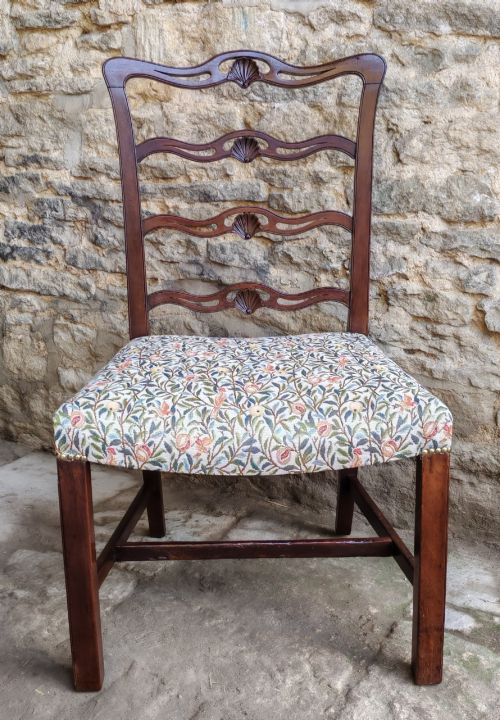
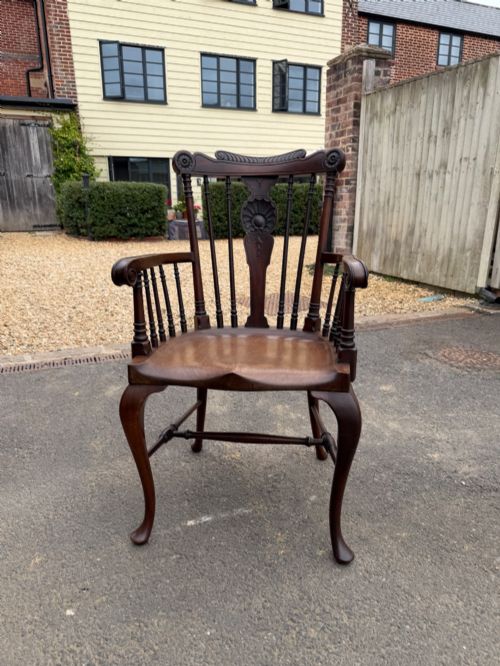
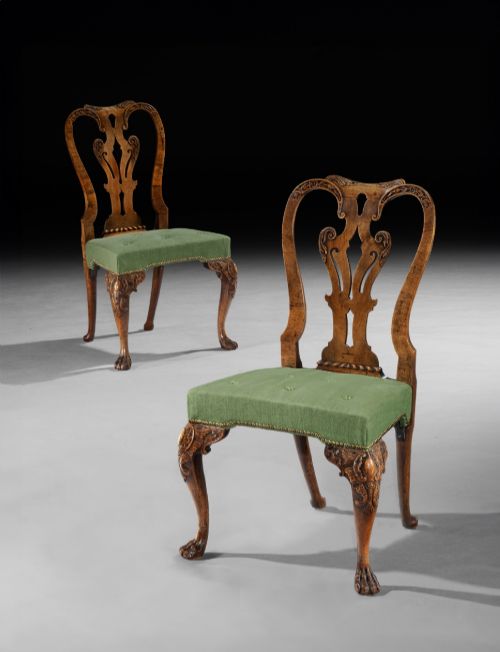
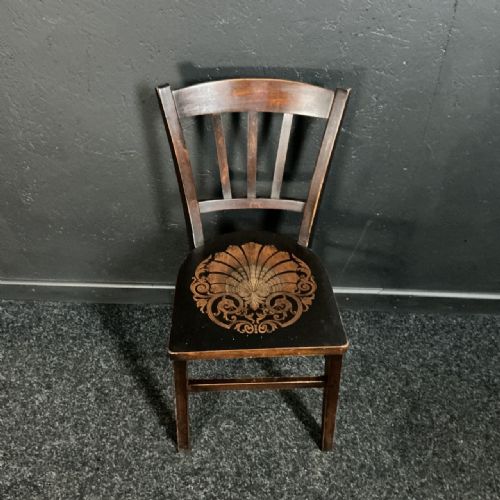


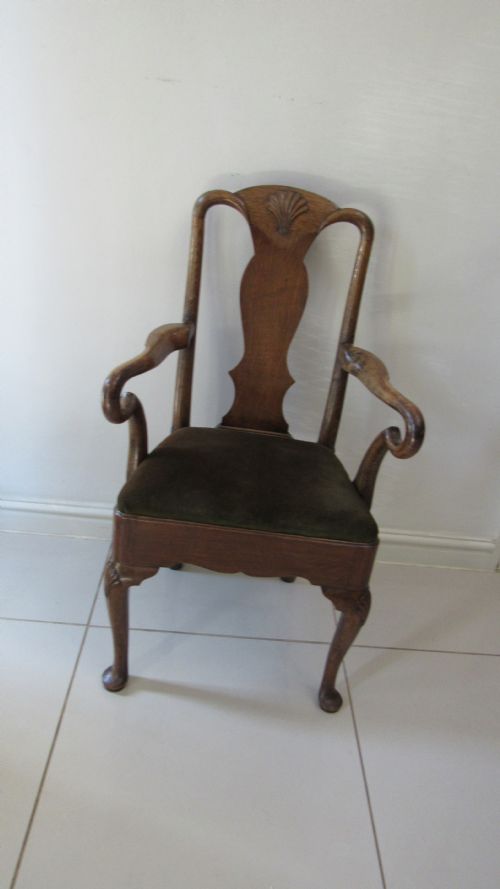
Shell Carved Desk Chair
These shell carved desk chair pieces bring period character to a study, built from timber and designed for daily seating.
Shell Carved Desk Chair
A shell carved desk chair sits within a broader landscape of seating seen across the centuries, drawing on historical forms from the Georgian and Edwardian eras. Buyers search for these pieces to add period presence to a workspace, encountering side chairs, armchairs, and revolving designs.
The evidence shows forms spanning the eighteenth, nineteenth, and early twentieth centuries, alongside revivals that echo earlier craftsmanship. Mahogany and walnut appear frequently as the primary woods, often shaped into specific chair types.
While the search specifies a desk chair, listings include related seating such as side chairs, corner chairs, and armchairs from periods like the Georgian and Edwardian years. These variants share the structural timber framing and decorative carving traditions typical of their respective decades.
How they were made
Cabinetmakers constructed these frames principally using dense hardwoods such as mahogany and walnut, selected for their strength and ability to hold fine detail. Beech and plywood also appear in the material record for specific structural or later components.
Woodworkers shaped the timber through traditional joining methods, carving decorative elements directly into the solid wood grain. Upholstered elements incorporate textiles, leather, and tapestry supported by internal padding.
Metal components such as brass supplement the wooden construction, particularly in pivoting mechanisms for revolving office seating.
Listings span the eighteenth century through the Edwardian era, featuring mahogany, walnut, beech, and brass.
What varies in quality
Quality rests upon the crispness of the timber carving and the selection of figured wood veneers or solid planks. Rich grain patterns in mahogany and walnut distinguish finer examples from standard utilitarian seating.
Structural integrity depends on the precision of the joinery and the survival of the original timber frame without excessive replacement parts. The integration of functional elements, such as revolving pivots in nineteenth-century examples, marks the distinction between standard and superior execution.
The Shell Carved Desk Chair Glossary
- Mahogany
- A durable tropical hardwood prized for its deep reddish-brown colour and stable grain. It became the dominant timber for fine British furniture from the eighteenth century onward.
- Walnut
- A rich brown timber with varied grain patterns widely utilised in cabinetmaking before mahogany rose to prominence. Red walnut variants also feature in regional British and Irish furniture production.
- Bentwood
- Wood softened through steaming and bent into curved structural forms. This technique gained widespread use during the late nineteenth and early Edwardian periods.
- Corner chair
- A seating form designed to fit into the corner of a room or serve as a writing chair, featuring a diagonal orientation with a curved backrest supported on multiple posts.
- Revival
- A nineteenth or twentieth-century design movement that reinterprets earlier historical styles such as George II or Chippendale. These pieces emulate historical aesthetics whilst utilising contemporary construction methods of their own era.
Shell Carved Desk Chair: Frequently Asked Questions
How do I date an antique desk chair?
Dating relies on examining the timber species, construction joints, and decorative motifs against known historical periods. Subtle shifts in leg styles and edge profiles help narrow down the decade of manufacture.
Secondary woods and tool marks on hidden surfaces offer further clues to the workshop practices of the era in which the chair was built.
Were these chairs originally used at desks?
Many chairs serving as desk seats today were originally made as dining, parlour, or reading chairs. Domestic furniture often moved between rooms and functions over the course of its lifespan.
Revolving formats specifically intended for writing desks emerge more clearly by the late nineteenth century alongside the growth of dedicated home and office studies.
How do I care for antique wood and leather?
Maintain wooden surfaces by keeping them away from direct sunlight and rapid humidity changes to prevent timber splitting. Regular gentle dusting preserves the natural finish of the polish.
Leather upholstery benefits from specialised balms to prevent drying and cracking while retaining its pliable texture over time.
What is the difference between original and revival pieces?
Original pieces were manufactured during the exact historical reign or period they represent, carrying the authentic wear and construction methods of that time. Revival furniture dates from a later century, such as the Victorian or Edwardian eras, but deliberately copies the aesthetic of earlier Georgian masters.
Both categories hold historical interest, though collectors often distinguish between an eighteenth-century original and a twentieth-century interpretation.