


Sheffield Silver Barware
Sheffield silver barware brings historic drinking vessels and table accessories to hand, uniting Georgian ceremony with the social rituals of the bar.
Sheffield Silver Barware
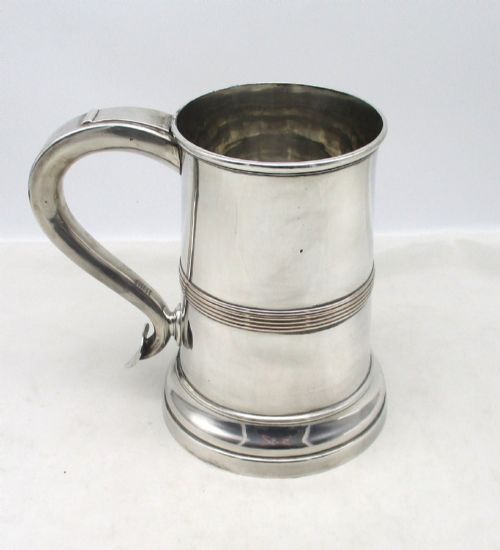
When you search for Sheffield silver barware, you encounter pieces designed for the service of wine, beer and spirits across several centuries. The selection ranges from early George III tankards and Georgian wine coasters to Art Deco cocktail shakers and mid-century wine accessories.
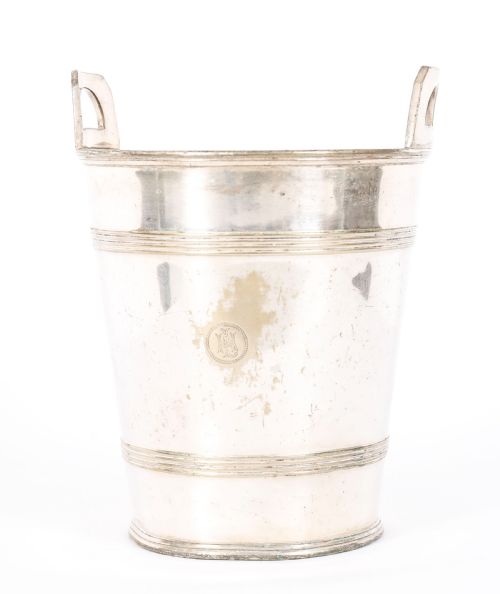
The most frequent examples on this page are wine coolers and bottle coasters in Old Sheffield Plate or silver plate, alongside heavy tankards and jugs originating from the nineteenth century. These forms reflect the changing styles of hospitality, shifting from formal dining tables to cocktail cabinets.
Objects span periods from the eighteenth century through the Regency and Victorian eras into modern British design. Makers utilise traditional methods to shape copper, silver plate and sterling silver into durable items intended for actual service.
Materials and construction
Makers produced traditional pieces using Old Sheffield Plate, a process fusing a thin sheet of silver to a thicker copper core. This technique created sturdy barware that retained the appearance of solid silver while offering the strength of copper beneath.
Later manufacturing shifted towards electroplated silver on copper or base metal, alongside solid sterling silver components. Artisans applied details such as chased armorials, turned wooden bases for coasters, and gilt interiors for wine accessories.
Napier Clan barware brings a touch of Scottish heritage directly to the nineteenth-century cocktail hour.
Standards of craftsmanship
Quality depends on the crispness of chased detail, the integrity of the fused silver layer over copper, and the preservation of original marks. Pieces showing minimal wear to the plated surfaces display superior original manufacture.
Weight and balance distinguish sturdier examples, particularly in wine coolers, tankards and heavy coasters. Items retaining original wooden inserts, maker marks, and unpolished engraving represent higher standards of period craftsmanship.
Hutton Sheffield·James Dixon & Sons·John & Thomas Settle·Matthew Boulton & Co.
The Sheffield Silver Barware Glossary
- Old Sheffield Plate
- A composite material formed by fusing silver to a copper ingot, developed in the eighteenth century. This method predates electroplating and leaves a characteristic edge where the copper base metal shows.
- Wine Cooler
- A vessel designed to chill bottles or hold ice for service at the table. These pieces often feature heavy handles, liners, and classical forms derived from Regency or Georgian design.
- Wine Coaster
- A small circular tray, frequently fitted with a turned wooden base and green baize underneath. They protected polished dining tables from moisture rings during the circulation of wine bottles.
- Tankard
- A tall, cylindrical drinking vessel with a single handle, usually made in quart or pint sizes. Georgian and nineteenth-century examples in Old Sheffield Plate or copper provided robust service for beer.
- Cocktail Shaker
- A container used to mix drinks by shaking, prominent in twentieth-century barware. Art Deco and later examples employ silver plate and clean geometric lines suited to modern entertaining.
Sheffield Silver Barware: Frequently Asked Questions
What is Old Sheffield Plate?
Old Sheffield Plate is an early composite material made by heat-fusing a sheet of silver onto a copper core before rolling them into sheets. This technique predates nineteenth-century electroplating.
Items made this way display durability and a characteristic warm glow where the silver layer interacts with the underlying copper over decades of use.
How do I date a wine cooler?
Dating relies on stylistic details such as neoclassical proportions, armorial engravings, and the presence of early maker marks or fused plate edges. Regency and Georgian examples exhibit distinct handles and rim mounts.
Comparing the weight, construction method and decorative motifs against documented pieces from the eighteenth and nineteenth centuries helps confirm the period.
Can I use these items daily?
Many pieces of barware were built for practical hospitality and remain sturdy enough for contemporary use. Tankards, coasters and coolers function well when handled with reasonable care.
Polishing requires gentle agents suitable for silver plate to preserve the underlying metal layers and any applied gilt interiors.
Why do some coasters have wooden bases?
Coasters were fitted with turned wooden bases to provide stability and support for heavy glass decanters or wine bottles. The wood also accommodated a baize lining underneath.
This construction protected dining tables from scratches and absorbed condensation while the vessels circulated among guests.