

Sheffield Plated Silver
Sheffield plated silver brings together the rich warmth of copper and a bright silver layer through a historic fusing technique that defined Georgian dining tables.
Sheffield Plated Silver
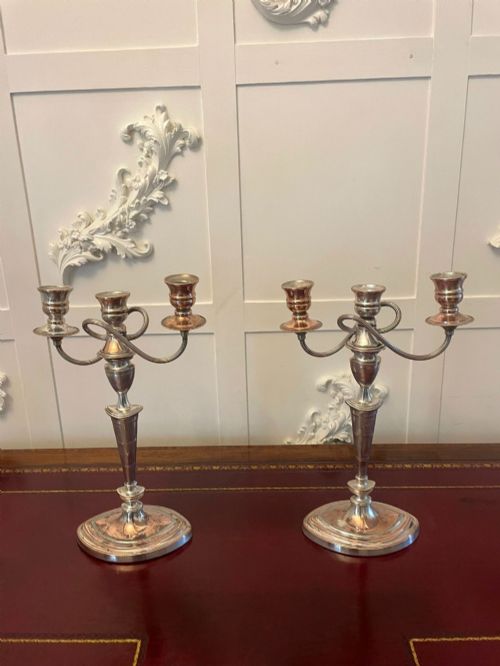
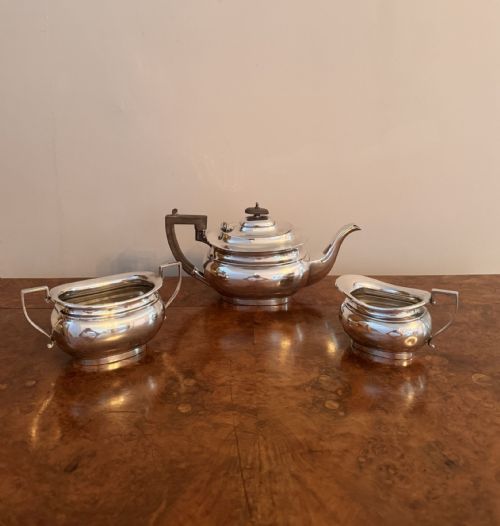
When you search for sheffield plated silver, you encounter functional and decorative items designed for dining, hospitality, and display across the eighteenth and nineteenth centuries. These pieces range from substantial wine coolers and candelabra down to delicate pin trays, card trays, and perfume funnels.
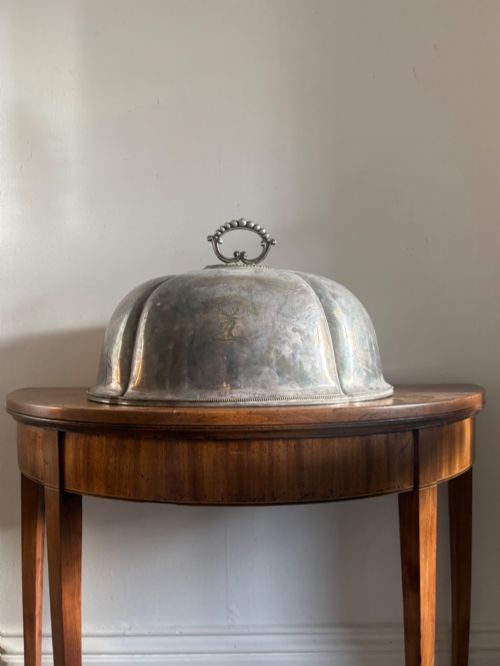
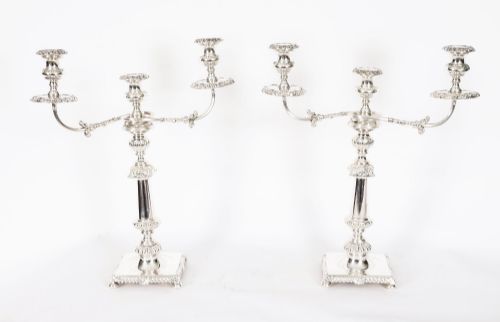
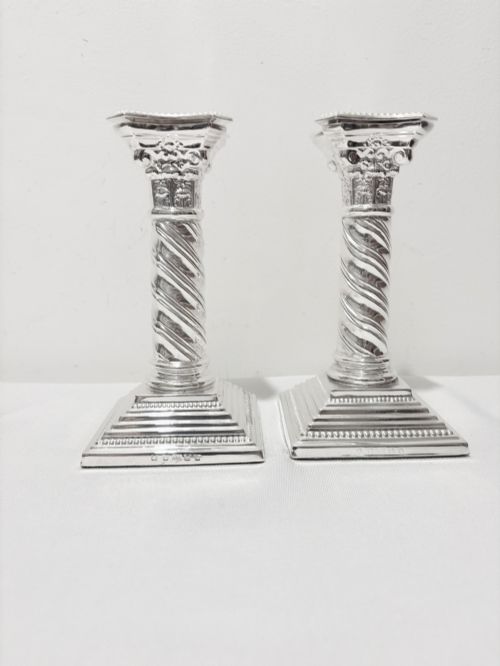
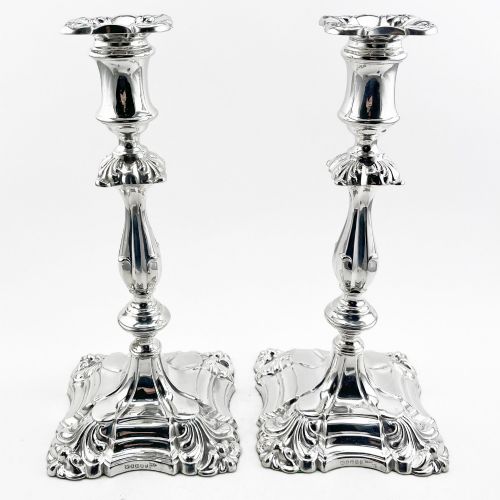
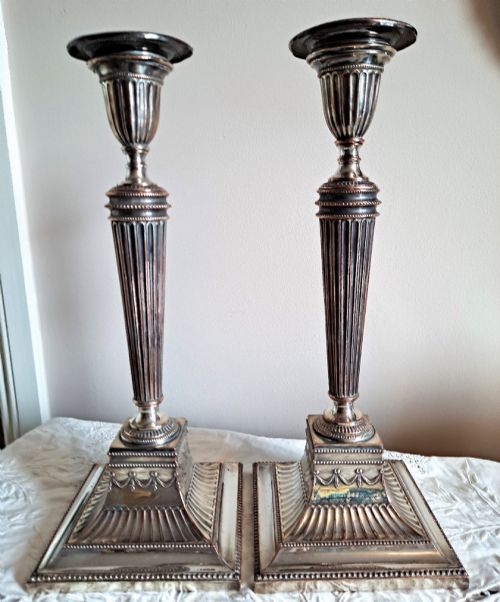
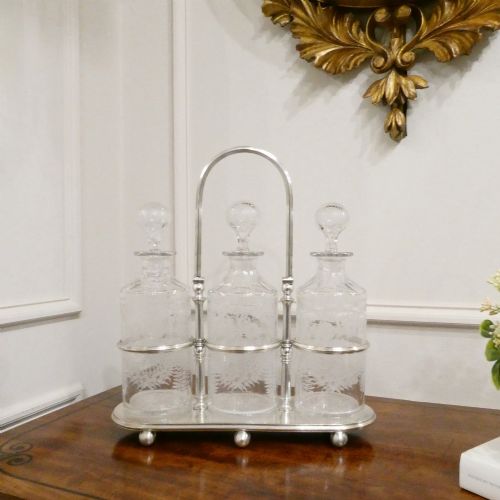
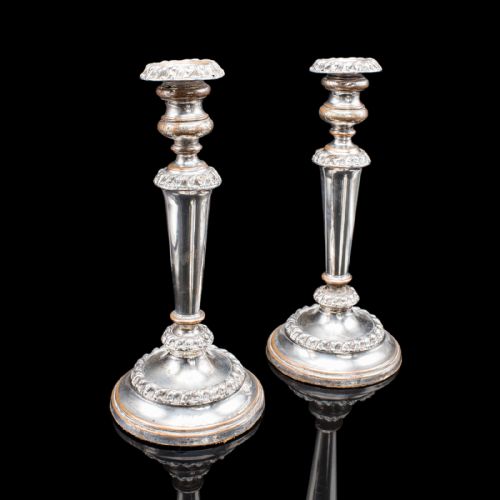
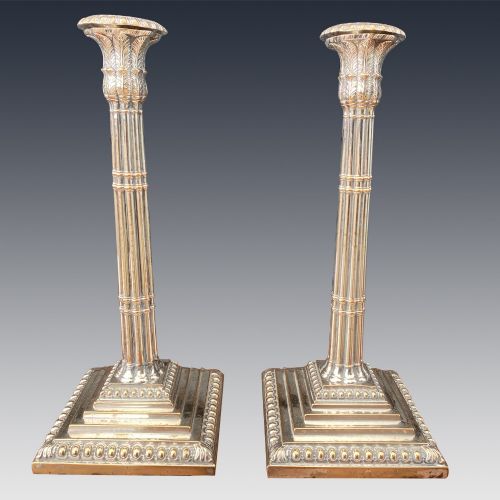
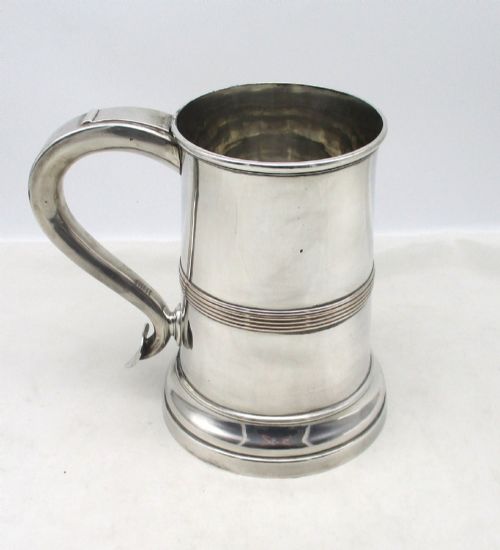
The versions you meet most frequently on this page belong to the Georgian and Victorian periods, with notable representations of Old Sheffield Plate alongside later Victorian and Edwardian silver plate. Forms include candlesticks with removable sconces, tea caddies, meat domes, sauce tureens, and tankards.
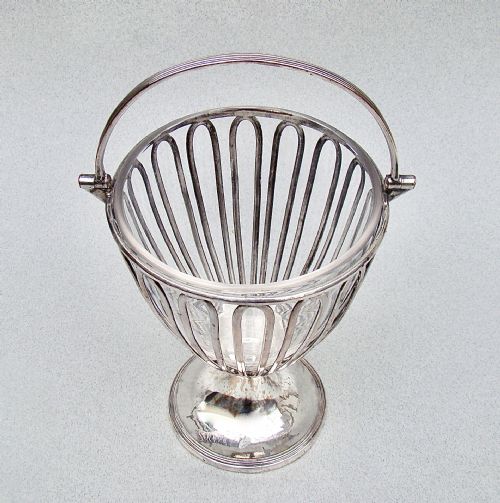
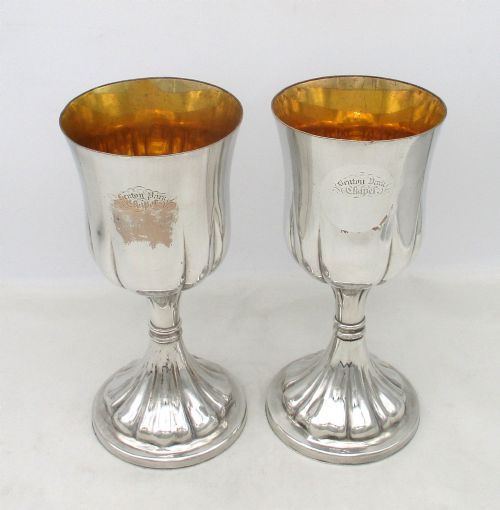
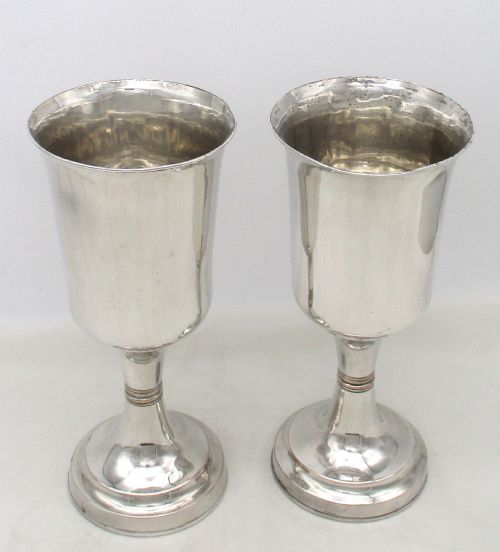
Makers produced these items to serve wealthy households and civic spaces, creating items such as church chalices and large multi-piece candelabra suites. The variety extends to wirework baskets, chestnut urns, and telescopic candlesticks reflecting shifts in domestic tastes.
How they were made
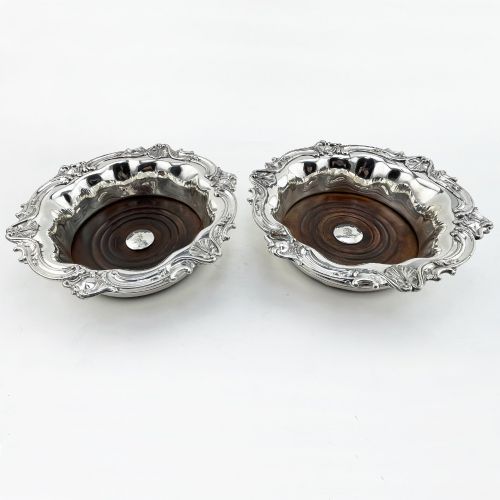
Makers forged these objects by fusing a sheet of silver to a thicker ingot of copper with heat and pressure, then rolling the combined metal into sheets for fabrication. This fusion process resulted in sturdy materials that artisans shaped into complex forms like lyre-shaped candelabra and curved wine coolers.
Craftsmen enriched the surfaces through engraving, chasing, and adding applied silver wire borders to hide exposed copper edges at seams and rims. Handles and mounts often utilised cast silver or plated components soldered securely to the main body.
Sheffield Plated Silver Retail Price Guide 2026
Typical asking prices for sheffield plated silver among the pieces listed under this phrase on Sellingantiques today, from the lower quarter to the upper quarter. They describe what is for sale here now, not the wider market.
The listings feature copper, silver plate, Old Sheffield Plate, silver, wood, and gold gilt across eighteenth and nineteenth-century forms.
What varies in quality
Quality rests primarily on the integrity of the fused silver layer and the crispness of the original chasing and engraving. Pieces that retain their full silver thickness without excessive wear down to the underlying copper demonstrate superior initial manufacture and careful handling.
Proportion and decorative restraint set finer examples apart from heavier, later Victorian productions. The skill required to execute complex forms like telescopic mechanisms or intricate wirework baskets determines the standing of individual items.
Joseph Rodgers & Sons·Hutton Sheffield·Martin Hall & Co·Roberts Cadman·Henry Wilkinson·Creswick·Richard Morton·Matthew Boulton
The Sheffield Plated Silver Glossary
- Old Sheffield Plate
- A material created by fusing silver onto a copper base, typical of items made before the invention of electroplating.
- Sconces
- Removable drip pans fitted to the top of candlesticks to catch melting wax during use.
- Meat Dome
- A large domed cover placed over joints of meat on platters to retain heat at the table.
- Wirework Basket
- An open-framework vessel constructed from soldered metal wires, popular for holding fruit or bread.
- Candelabra
- Branched lighting fixtures designed to hold multiple candles simultaneously on dining surfaces.
Sheffield Plated Silver: Frequently Asked Questions
How do I spot real old sheffield plate?
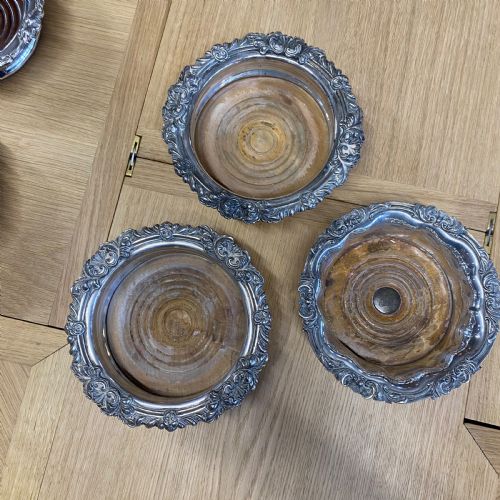
Look for a subtle yellowish copper show-through along edges and raised points where the thin silver layer has worn away through polishing.
Old Sheffield Plate was made by fusing silver and copper together before rolling, rather than using an electrical current.
What is the difference between old sheffield plate and silver plate?
Old Sheffield Plate uses a mechanical fusion of silver and copper sheet, whereas later silver plate relies on electroplating onto a base metal.
Electroplated items usually lack the distinctive copper bleed lines found on genuine eighteenth and early nineteenth-century fused wares.
How should I clean my sheffield plated items?
Use a gentle, non-abrasive silver polish and a soft cloth to preserve the remaining silver layer over the copper substrate.
Avoid vigorous rubbing on edges and raised motifs where the underlying copper is most vulnerable to exposure.
Why do some pieces show copper underneath?
Generations of cleaning wear down the micro-thin layer of silver bonded to the copper ingot during the original manufacturing process.
This telegraphs the authentic age and working history of the piece rather than marking a manufacturing defect.