





Sheffield Plated Pot
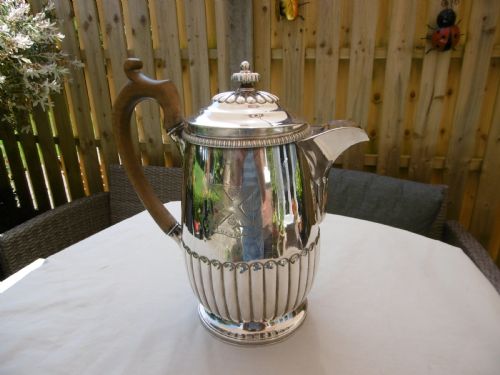
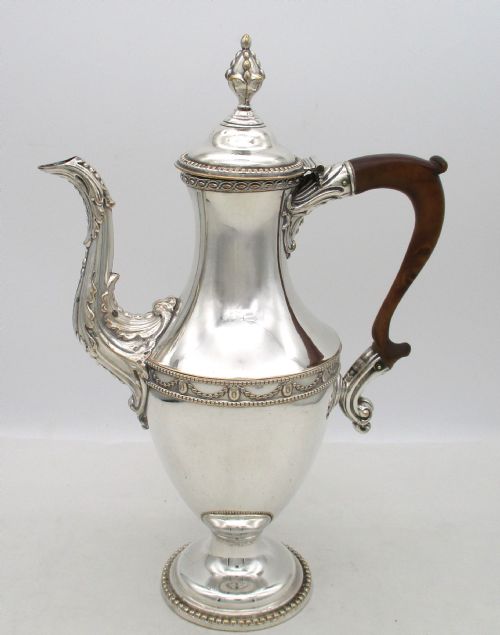
These sheffield plated pot examples offer the warmth of Georgian and Regency serveware fused from silver and copper.
Sheffield Plated Pot
A sheffield plated pot brings domestic silver work from the eighteenth and nineteenth centuries into daily use without solid silver prices. When you search for this phrase, you find coffee pots, teapots, gravy warmers or argylls, and jugs spanning the Georgian and Regency periods.
The material identity rests on old Sheffield plate, where a thin sheet of real silver is fused to a heavier copper core. Pieces range from tall eighteenth century forms to compact Regency shapes on stands.
Makers and marks vary, from early workshop stamps to unmarked jugs and coffee pots. You meet pieces intended for formal dining tables, breakfast service, and fluid warming.
How they were made
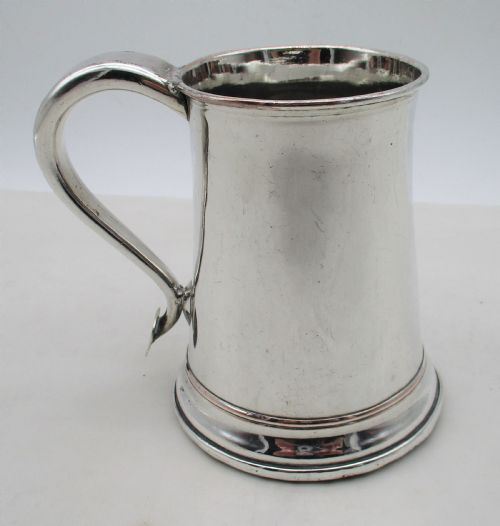
Makers fused silver and copper together through heat and pressure before shaping the metal sheets into coffee pots and tankards. This fusion process created a durable material that could be hammered and soldered into complex forms.
Details like bone handles, wooden insulators, and cast mounts were added to handle heat during service. Interior surfaces often retained copper linings or tin washes suited for liquids.
Craftsmen utilised rolling mills to produce uniform sheets of old Sheffield plate, ensuring even thickness across large coffee jugs and gravy warmers.
Sheffield Plated Pot Retail Price Guide 2026
Typical asking prices for sheffield plated pot among the pieces listed under this phrase on Sellingantiques today, from the lower quarter to the upper quarter. They describe what is for sale here now, not the wider market.
What varies in quality
The extent of silver wear revealing the underlying copper core separates utilitarian items from surviving display pieces. Heavier gauge metal and crisp cast borders indicate superior manufacturing effort.
Original components such as wooden finials, bone spacers, and matching stands preserve the integrity of a pot. Maker attributions through early touchmarks add historical weight to specific examples.
Matthew Boulton·John Hoyland
The Sheffield Plated Pot Glossary
- Old Sheffield Plate
- A composite material made by fusing a sheet of silver to a copper ingot. This technique preceded modern electroplating.
- Argyll
- A vessel designed to keep gravy or water warm via a central heating cylinder. These were vital for rich eighteenth century dining.
- Georgian
- The period spanning the reigns of the first four Georges. It encompasses classic proportions and restrained decorative styles.
- Regency
- An era defined by classical revival forms and bolder decorative motifs. Pieces from this time often feature distinct collar mounts and crisp handles.
- Silver Plate
- A general category of metal objects coated in a thin layer of silver. In older pieces, this often refers to fused plate rather than electroplate.
Sheffield Plated Pot: Frequently Asked Questions
What is a sheffield plated pot?
A sheffield plated pot is a holloware vessel made from fused silver and copper sheets. These pieces date primarily from the Georgian and Regency eras.
They served functional roles on dining and tea tables, offering the appearance of solid silver through traditional fusion techniques.
How do I clean a sheffield plated pot?
Clean these items with mild soapy water and a soft cloth to protect the thin outer layer of silver. Avoid harsh abrasive polishes that can wear through the plating to the copper beneath.
Gentle care preserves the surface tone and any surviving maker marks on the metal.
How do I date a sheffield plated pot?
Dating relies on stylistic clues like handle shapes, finials, body proportions, and any visible maker marks. Eighteenth century forms tend to be taller, while Regency pieces often incorporate classical revival motifs.
Material composition also helps, as old Sheffield plate predates nineteenth century electroplating methods.
Why do some pots have wooden parts?
Wooden handles and bone insulators prevented heat transfer from hot liquids to the user's hand. These organic elements were standard on coffee pots and teapots during the eighteenth and nineteenth centuries.
They add functional contrast to the silver and copper body of the vessel.