








Sheffield Plate Tableware
Sheffield plate tableware brings genuine Georgian and Victorian elegance to the dining room through copper fused with silver.
Sheffield Plate Tableware
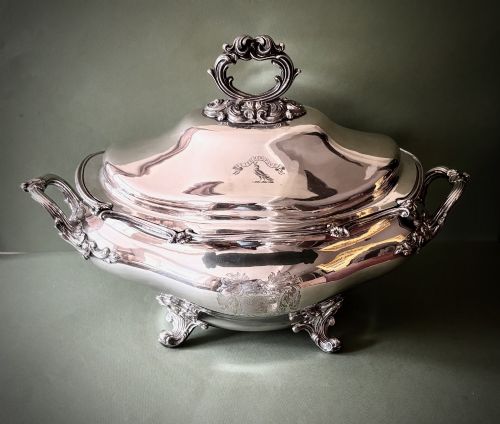
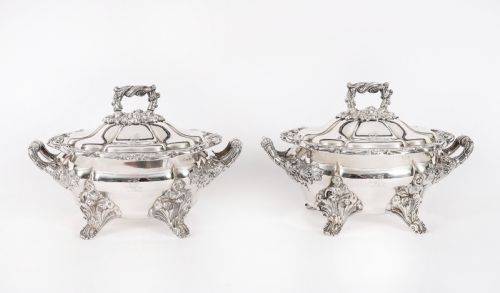
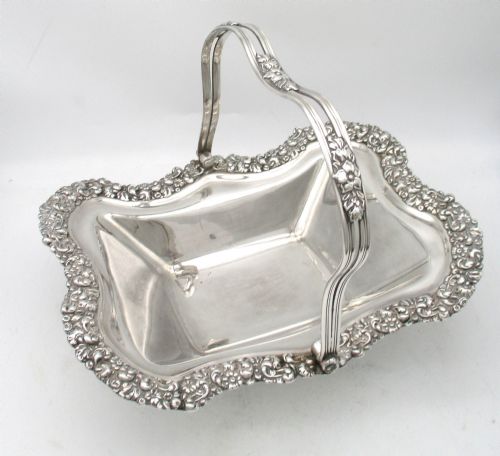
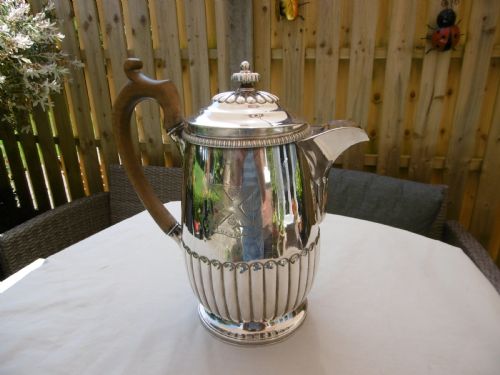
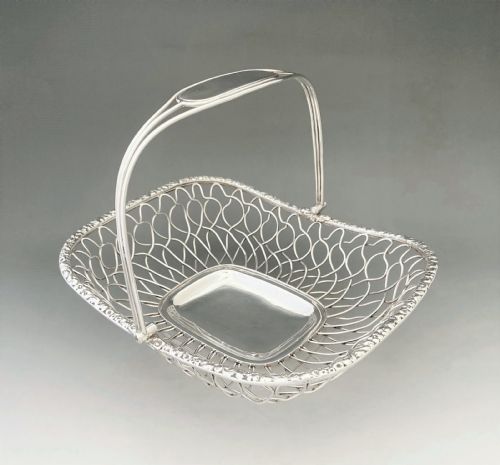
Sheffield plate tableware encompasses domestic serving vessels and dining accessories produced primarily during the Georgian and Victorian eras. These items include coffee pots, tureens, baskets, sauce boats, and serving dishes created to mimic solid silver.
Buyers on this page encounter various forms ranging from large coffee pots and soup tureens to delicate sweetmeat baskets and napkin rings. The selection draws heavily from 18th century, Georgian, and 19th century manufacturing traditions.
Coffee pots and sauce boats dominate the offerings, often displaying classical proportions and decorative crests. Such pieces formed the backbone of formal dining before modern electroplating superseded the older fusion method.
How they were made
The technique relies on fusing a thin sheet of silver to a thicker body of copper, sometimes with gold wash accents applied to the interior of vessels. This method created durable items that combined the appearance of silver with the structural rigidity of base metal.
Craftsmen shaped the fused metal sheets by hand or utilised wirework techniques, particularly evident in baskets and coasters. Edges were frequently reinforced with applied silver wire to conceal the underlying copper seams.
Sheffield Plate Tableware Retail Price Guide 2026
Typical asking prices for sheffield plate tableware among the pieces listed under this phrase on Sellingantiques today, from the lower quarter to the upper quarter. They describe what is for sale here now, not the wider market.
The object forms include coffee pots, baskets, napkin rings, wine coasters, and knife trays spanning several distinct design periods.
What varies in quality
Quality rests upon the preservation of the original silver layer and the crispness of chased or engraved crests and decorative borders. Pieces that retain their heavy copper core without excessive bleeding through wear show superior initial craftsmanship.
Proportion and form separate standard production items from workshop pieces bearing identifiable maker marks. The balance of handles, feet, and applied mounts dictates the visual harmony of each vessel.
Matthew Boulton·John Hoyland·Robert and Belk·Walker Knowles·Cresswick
The Sheffield Plate Tableware Glossary
- Old Sheffield Plate
- A composite material made by fusing a sheet of silver to a copper ingot, invented in the 18th century. This predates modern electroplating and leaves a characteristic edge where the copper shows.
- Sweetmeat basket
- A small decorative container used for serving sweet confections, nuts, or small fruits during dessert courses. These often feature intricate wirework or pierced metal designs.
- Mazarine
- A flat draining plate or insert placed inside a dish to keep food separated from accumulated juices. They appear in silver plate and metal variants.
- Wine coaster
- A small wheeled or stationary tray designed to hold a wine bottle and protect the dining table. Georgian examples frequently incorporate wooden bases beneath the metal rim.
- Gold wash
- A thin layer of gold applied to the interior of silver or plated vessels, such as sugar bowls or mugs. This protected the base metal from acidic contents.
Sheffield Plate Tableware: Frequently Asked Questions
What is old sheffield plate?
Old Sheffield plate is a composite material formed by thermally fusing silver and copper together before rolling them into sheets. This method creates items that look like solid silver but possess a copper core.
Items made this way date primarily from the eighteenth and nineteenth centuries. Over decades of polishing, the copper beneath sometimes begins to show through the worn silver surface.
How do I clean old sheffield plate?
Cleaning requires a gentle silver polish and a soft cloth to avoid removing the remaining silver layer. Harsh abrasives will expose the copper underneath too quickly.
Stored pieces benefit from dry environments and anti-tarnish cloths. Regular minimal maintenance preserves the soft lustre better than aggressive scrubbing.
Are these pieces safe for food?
Most of these items served historical dining functions such as holding coffee, sauce, or biscuits. Many modern buyers continue to use them for similar dry or liquid service.
Buyers concerned with hygiene should inspect the interior surfaces for heavy wear or exposed copper. Gold wash interiors often provided extra protection against acidic foods.
How do I date a piece?
Dating relies on stylistic clues such as Georgian neoclassical lines, Victorian ornamentation, and manufacturing markers like edge wires. Maker marks stamped into the metal also help narrow the production decade.
Object forms changed alongside dining habits between the eighteenth and twentieth centuries. Comparing weight, construction methods, and crests offers further chronological context.