


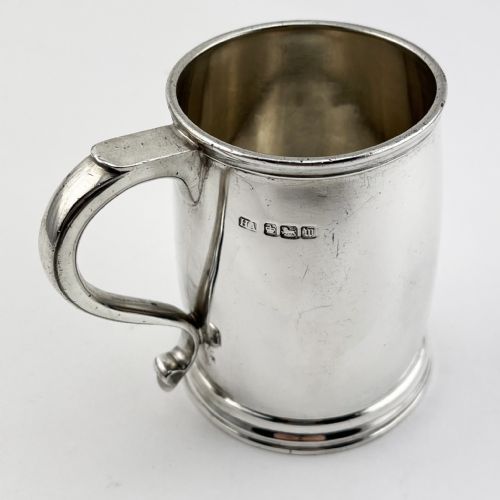


Sheffield Hallmarks Silver
Sheffield hallmarks silver brings together centuries of British metalworking, offering practical tableware and decorative objects stamped with the crown and the Yorkshire town's mark of authenticity.
Sheffield Hallmarks Silver
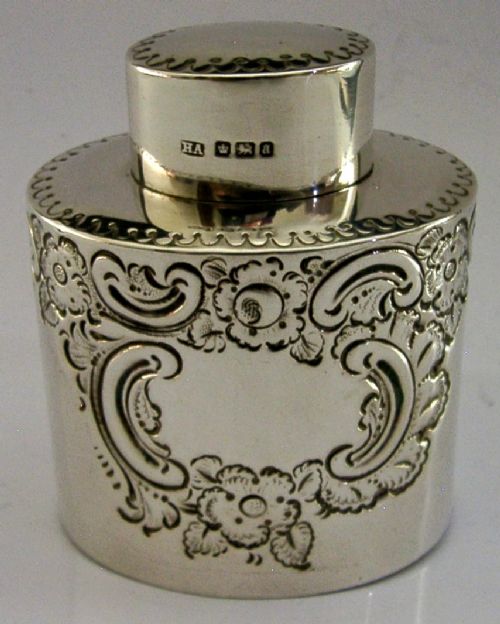
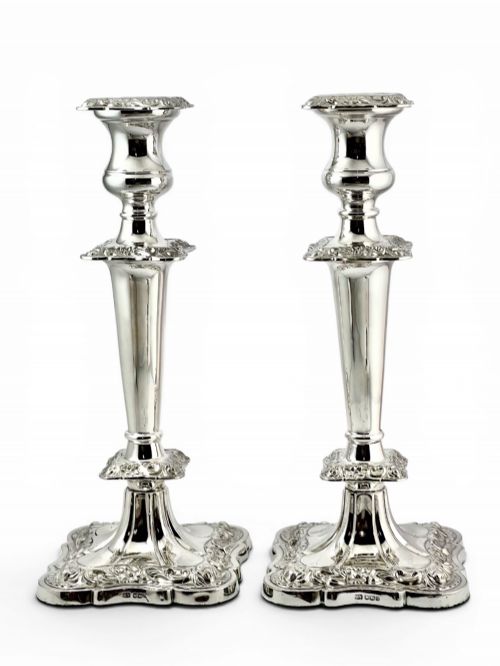
Sheffield hallmarks silver comprises a diverse array of domestic objects, ranging from tea caddies and candlesticks to cutlery sets and hip flasks. These pieces reflect the industrial output of a major manufacturing centre through the nineteenth and twentieth centuries.
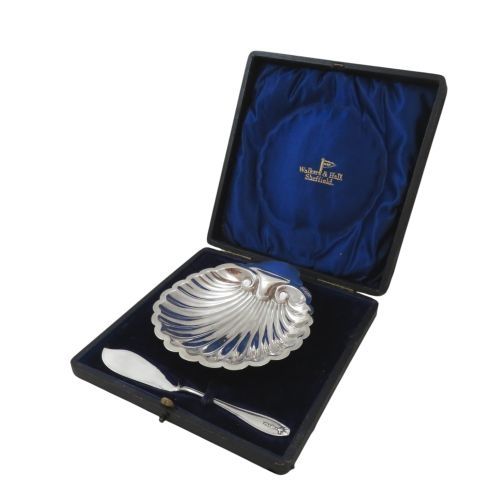
The items most frequently encountered in this selection span the Victorian, Edwardian, and George V periods, alongside later mid-century examples. Buyers will find functional dining items such as butter dishes, sauce boats, and sugar sifters bearing the distinct Yorkshire town mark.
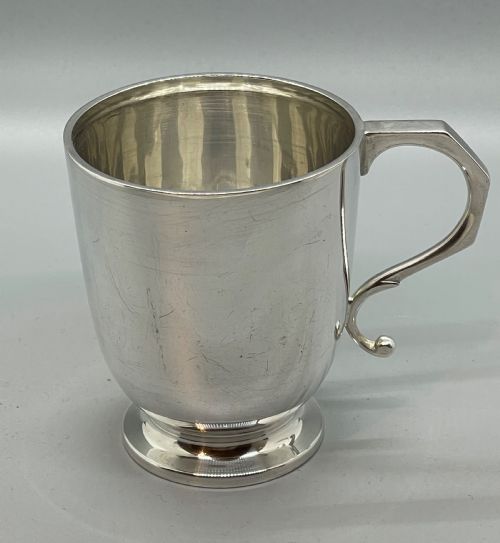
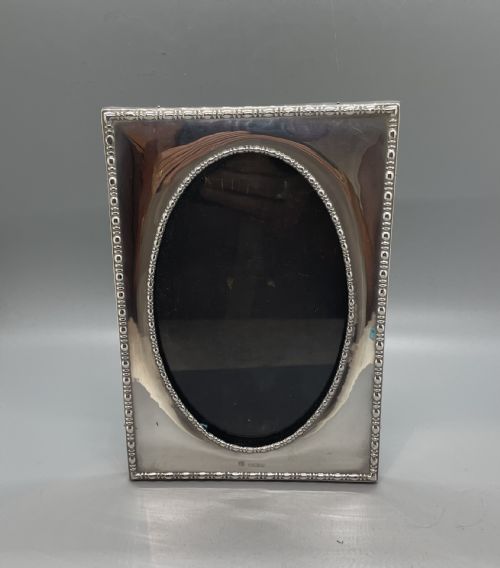
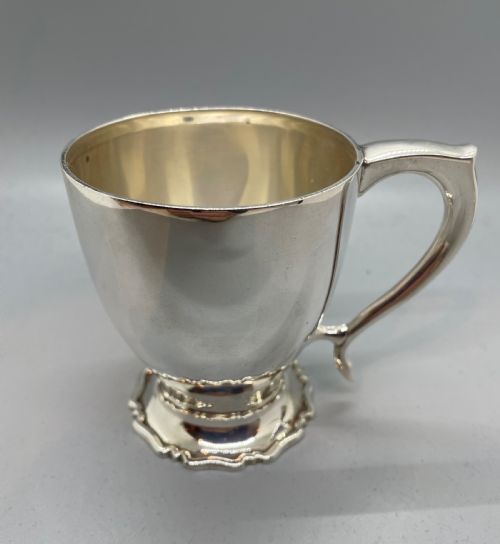
Domestic silver from this source includes decorative pieces like bonbon bowls, picture frames, and table lamps alongside personal items like christening mugs and pocket watches. Each object carries the official stamp certifying its metallic standard and place of assay.
How They Were Made
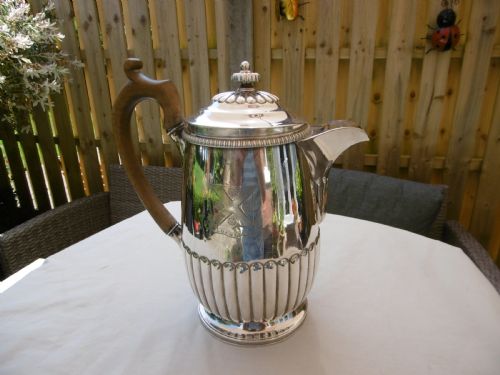
These items are constructed primarily from sterling silver, frequently combined with supporting structural materials such as wood and ebony in items like candlesticks or table lamps. Fitted presentation boxes and interior linings incorporate velvet, silk, and other fabrics.
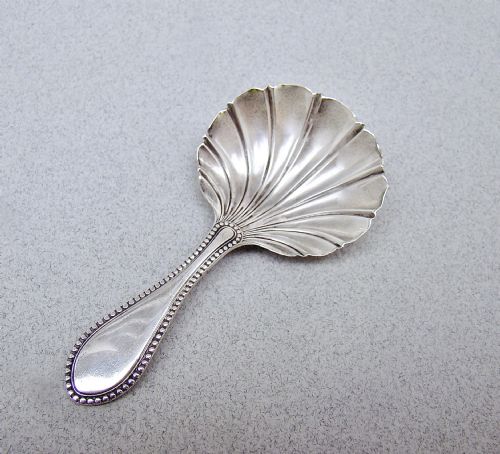
Manufacturing methods involve silversmithing techniques including casting, hammering, and detailed piercing or engraving, as seen on grape scissors, caddy spoons, and photo frames. Specialised additions integrate glass inserts for condiment sets and mother of pearl handles for cutlery.
Miniature silver furniture complete with tiny stringed instruments offers a charming glimpse into Victorian whimsey.
What Varies in Quality
Quality in these items is determined by the crispness of the original chasing and the weight of the metal utilised in the body of the object. Substantial gauge silver provides greater durability and resistance to denting, particularly on items intended for daily dining use.
The level of preservation of the original hallmarks stamped into the metal dictates historical integrity, alongside the presence of fitted cases or original associated components. Maker attribution to notable workshops adds further distinction to individual pieces.
Martin Hall And Co·Matthew Boulton·James Dixon And Sons Ltd·Thomas Bradbury And Sons Ltd·James Deakin And Sons·Chawner And Co·Viners·Walker And Hall·Cooper Brothers And Sons·John Round·Henry Wilkinson·Harry Atkin
The Sheffield Hallmarks Silver Glossary
- Hallmark
- Official stamps applied to precious metals indicating the standard of purity, the assay office, and the date of testing. For this category, the town mark is the Yorkshire rose or the later symbols specific to the local assay office.
- Sterling silver
- An alloy containing a defined proportion of pure silver and other metals to ensure structural strength. This standard is denoted on British items by the lion passant mark.
- Caddy spoon
- A small specialised spoon designed for measuring loose tea leaves from a storage container. These often feature decorative bowls shaped like shells or leaves.
- Assay office
- The official body responsible for testing the purity of precious metal items and stamping them with guarantees of standard. The local testing office operated under specific statutory authority.
- Condiment set
- A matched group of small containers used for holding table seasonings such as salt, mustard, and pepper. They frequently include small matching spoons and blue glass liners.
Sheffield Hallmarks Silver: Frequently Asked Questions
How do I read a date letter?
British assay offices stamped a specific sequential letter of the alphabet onto each piece to indicate the exact year of testing. These alphabetic cycles changed font style and shield shape with each chronological period.
Matching the specific letter shape and cartouche outline against official assay records reveals the precise year the item left the workshop.
Can I use silver cutlery daily?
Sterling silver items are durable enough for regular use, provided they receive proper cleaning and careful hand washing after dining. Storing pieces away from rubber and humidity prevents tarnishing.
Using flatware frequently helps maintain a natural patina while keeping the items integrated into modern domestic life.
What does the lion mark mean?
The lion passant symbol guarantees that the item meets the strict British sterling standard of silver purity. This stamp confirms the alloy contains the required proportion of precious metal.
Alongside the maker mark and the date letter, this standard mark forms part of the full assay sequence.
How should I clean silver?
Gentle washing with warm soapy water and a soft cloth removes everyday oils and dust without abrading the surface. Specialised silver dips or pastes should be applied sparingly to avoid removing fine engraving.
Polishing with a clean microfiber cloth restores the natural lustre of the metal safely.