






Shaped Gilt Wall Mirror
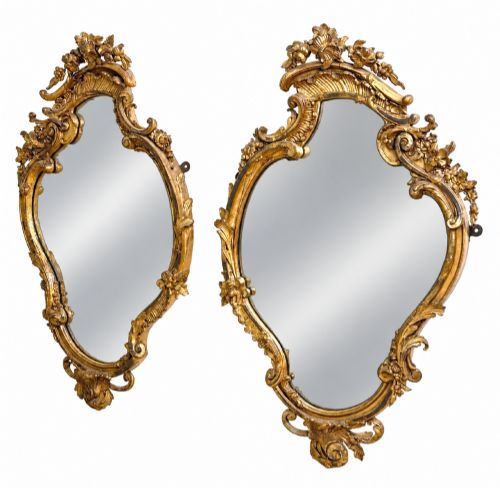
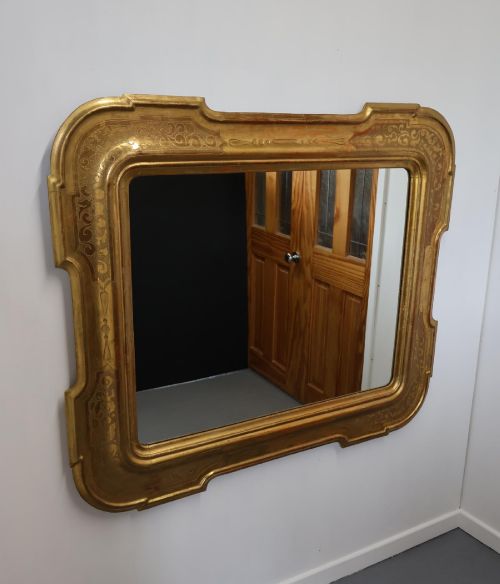
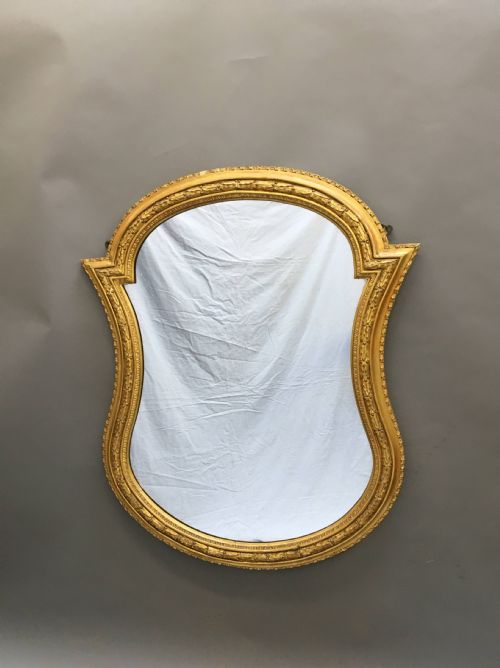
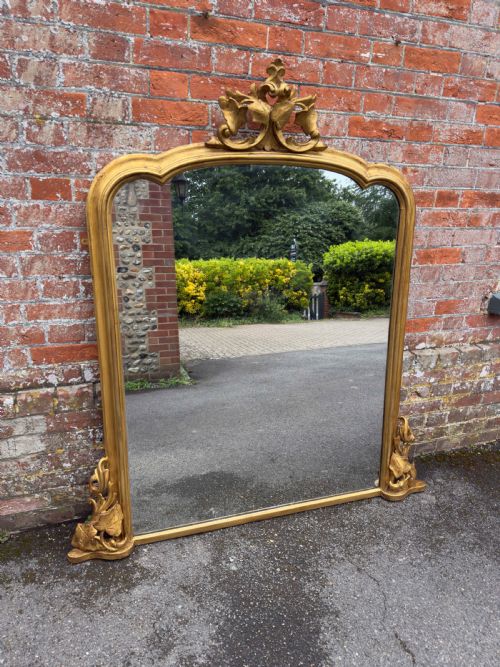
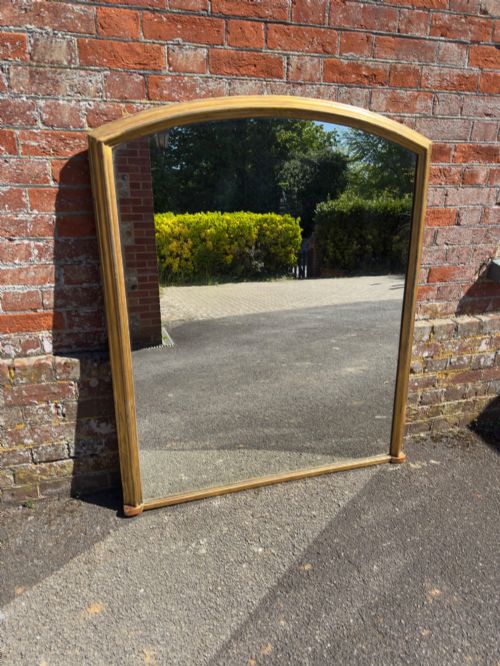
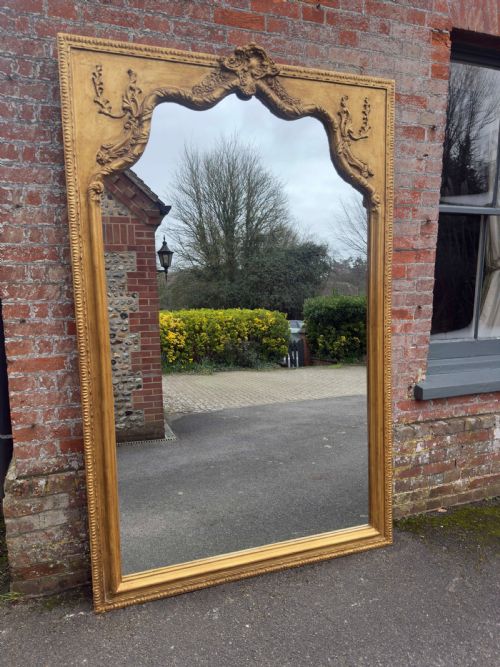
A shaped gilt wall mirror brings warmth and light to a room through curved wooden frames finished in gold.
Shaped Gilt Wall Mirror
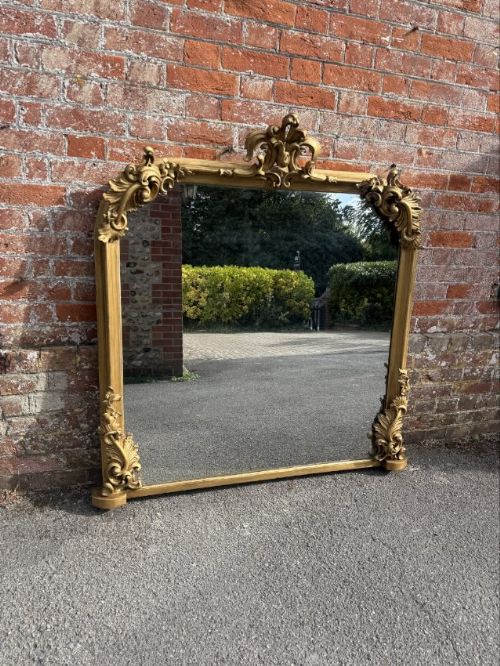
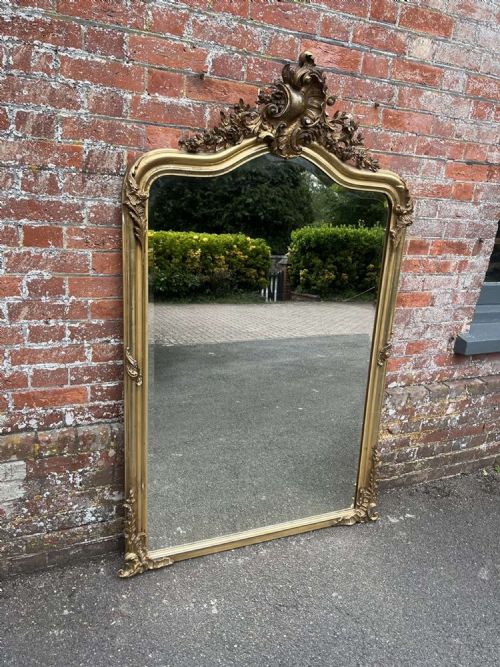
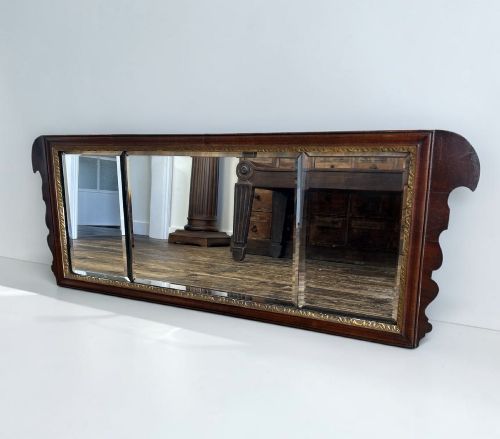
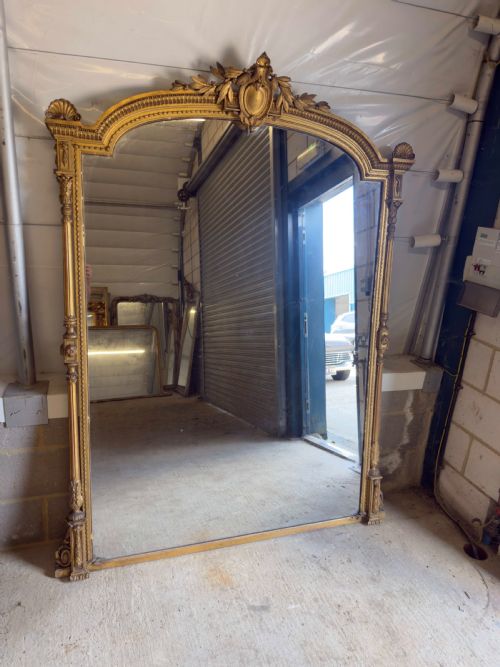
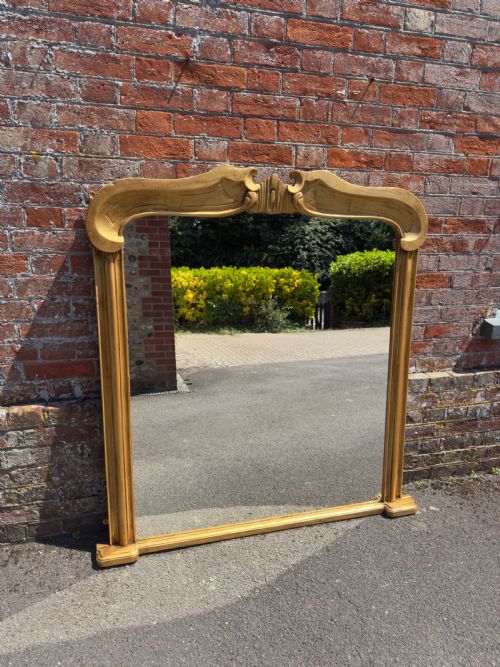
When searching for a shaped gilt wall mirror, buyers encounter large overmantle glasses and tall pier mirrors from the nineteenth century alongside Georgian walnut pieces. English and French workshops dominate the selection, often taking inspiration from Rococo revival designs with scrolling contours and ornate crests.
Most examples found here date from the mid to late nineteenth century, utilising carved wood and gesso frameworks to achieve dramatic arched and shaped tops. These pieces served primarily above drawing room mantelpieces or between windows, designed to reflect natural daylight deep into Victorian and Georgian interiors.
How they were made
Carved wooden foundations, typically pine or walnut, provide the structural framework for these mirrors. Artisans applied layers of gesso over the carved base, building up fine details and relief ornament before applying gold leaf or liquid metal finishes.
Glass plates were silvered by hand, fitting into rebated frames often secured with original wooden backs. Pier mirrors and overmantles frequently incorporated parcel gilt details on walnut veneers, combining dark timber tones with bright metallic highlights.
Shaped Gilt Wall Mirror Retail Price Guide 2026
Typical asking prices for shaped gilt wall mirror among the pieces listed under this phrase on Sellingantiques today, from the lower quarter to the upper quarter. They describe what is for sale here now, not the wider market.
Listings feature eighteenth-century Georgian walnut pieces alongside nineteenth-century French and English overmantle mirrors finished in gesso and gold leaf.
What varies in quality
Depth and crispness of the carved ornament distinguish finer examples from simpler production. Carvings executed directly in solid wood rather than moulded composition gesso show superior handwork and longevity.
The survival of original gilding and silvered glass plates elevates a piece significantly. High quality is also evident in well-proportioned framing that retains its original structural integrity without undue warping of the wooden elements.
The Shaped Gilt Wall Mirror Glossary
- Gesso
- A plaster-like mixture applied to wood frames to create a smooth surface for gilding. Artisans modelled intricate relief designs directly into this compound.
- Giltwood
- Timber that has been coated with gold leaf or metallic paint. It forms the lustrous surface characteristic of these antique mirrors.
- Overmantle Mirror
- A wide glass designed specifically to hang above a fireplace mantel. These pieces often span the width of the hearth.
- Pier Mirror
- A tall, narrow glass made to fit the wall space between two windows. They frequently match console tables placed below them.
- Parcel Gilt
- A finishing technique where only specific portions of a wooden object, such as carved highlights, receive gilding while the base wood remains visible.
Shaped Gilt Wall Mirror: Frequently Asked Questions
Where should I hang a large overmantle mirror?
These mirrors traditionally sit directly above a fireplace mantel to anchor the main wall of a principal reception room. Their generous proportions reflect light across the entire floor space.
Ensure the wall fixings are secured firmly into masonry or substantial timber studs to support the considerable weight of the carved wood and glass.
How do I clean antique gilt frames safely?
Dust the carved surfaces gently with a soft, dry brush to remove settled particles without disturbing the fragile gold leaf. Avoid using any liquid cleaners or chemical sprays.
Moisture can penetrate microscopic cracks in the gesso and cause the historic gilding to flake away from the wooden substrate over time.
What is the difference between a pier mirror and an overmantle?
Pier mirrors are built taller and narrower to fit wall spaces situated between architectural openings like windows. Overmantle mirrors are broader horizontally to suit the proportions of a fireplace.
Both types utilise shaped frames, but their original domestic functions determined these distinct dimensional ratios.