




Sevres Style Clock
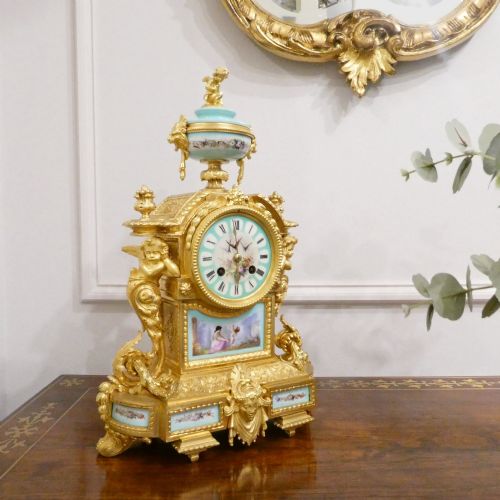
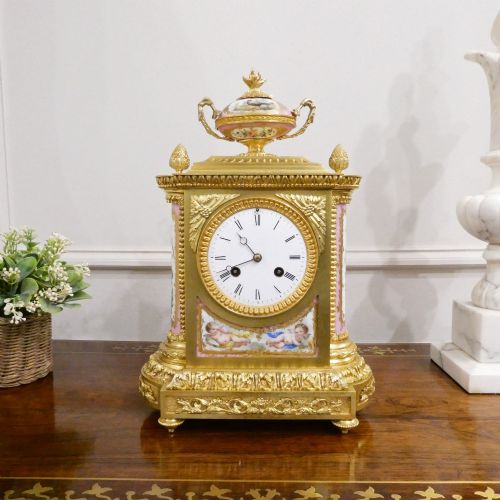
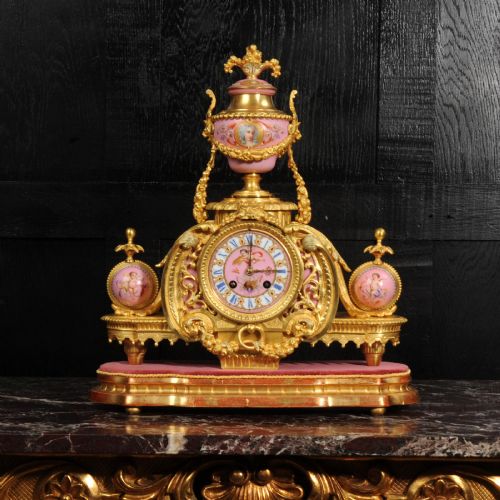
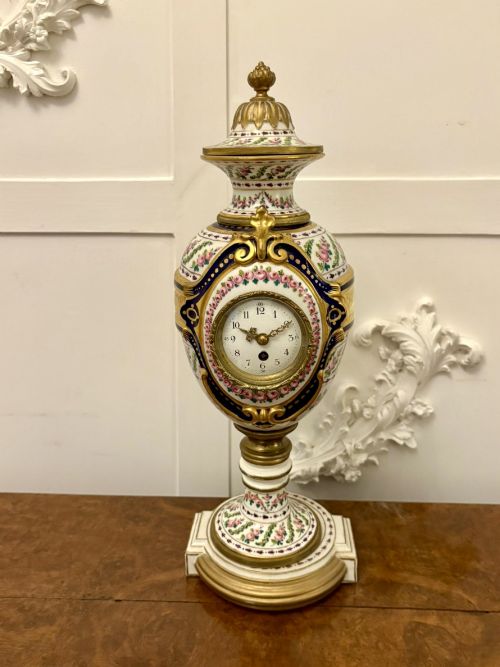
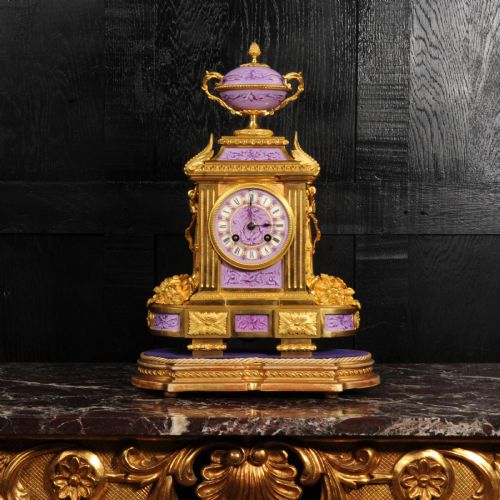
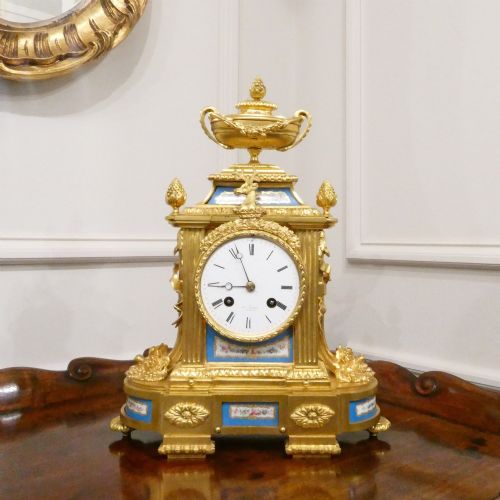
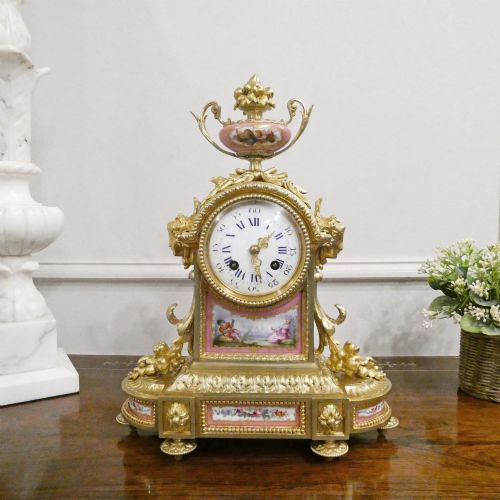
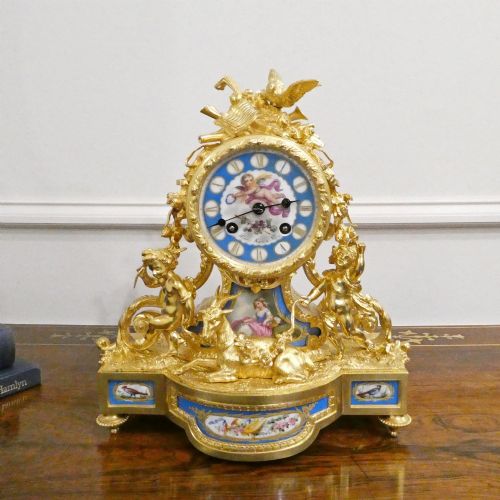
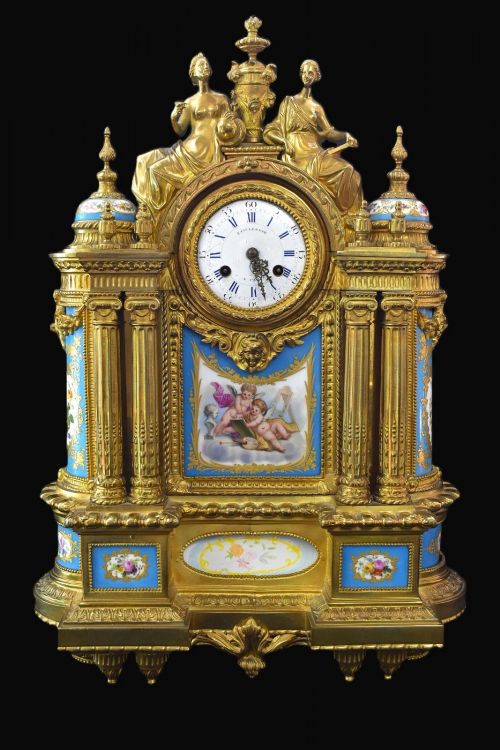
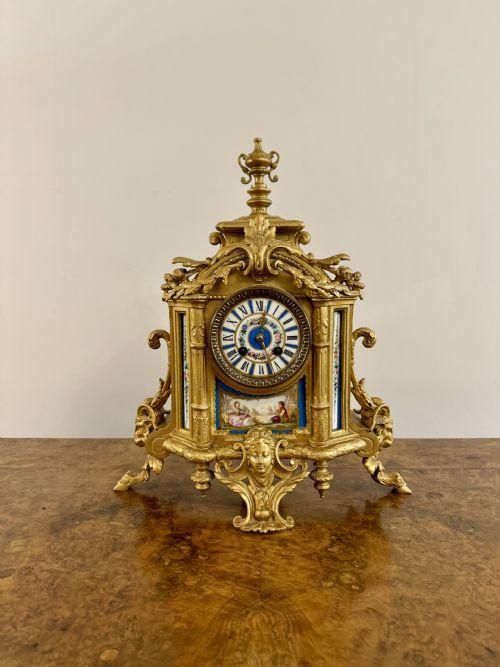
When you search for a sevres style clock, you are looking at nineteenth-century French mantel clocks mounted with hand-painted porcelain plaques.

Sevres Style Clock
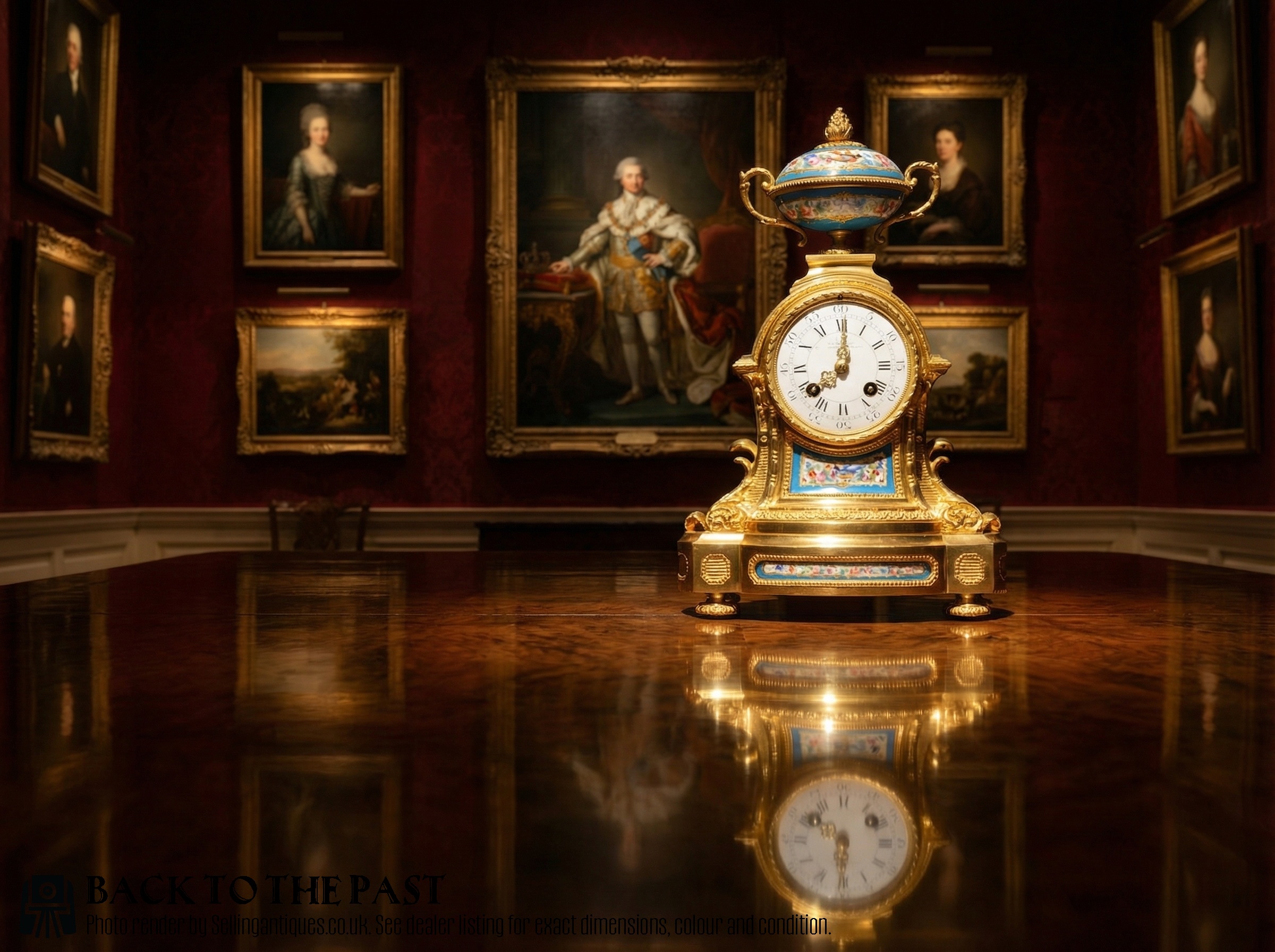
A sevres style clock typically takes the form of a mantel clock or a larger clock garniture set complete with matching side urns. The pieces seen here emerge predominantly from the nineteenth century, spanning periods from the 1850s through to the 1890s under Victorian, Napoleon III, and Louis XVI revival aesthetics.
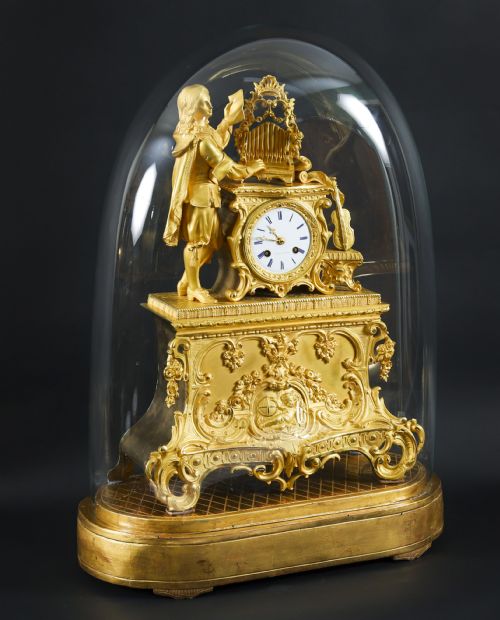
Most examples combine classical architectural or rococo bronze work with painted ceramic panels depicting pastoral scenes or floral motifs. Buyers will frequently encounter urn-shaped bodies, drum head designs, and lyre clock configurations housed beneath glass domes.
How they were made
The construction of a sevres style clock relies on the combination of cast ormolu, gilt bronze, or gilt metal framing porcelain components. Founders shaped the metal mounts into elaborate scrollwork, floral garlands, and classical figures before applying gilding.
Porcelain plaques and dial faces were hand-painted with ceramic colours and enamel, often incorporating cobalt blue grounds known as bleu de roi. Movements were produced by specialist clockmakers and fitted into the cast metal chassis alongside glass panels and brass gears.
Sevres Style Clock Retail Price Guide 2026
Typical asking prices for sevres style clock among the pieces listed under this phrase on Sellingantiques today, from the lower quarter to the upper quarter. They describe what is for sale here now, not the wider market.
Listings feature items from the 1850s to the 1900s, constructed predominantly from porcelain, ormolu, gilt bronze, and enamel.
What varies in quality
The distinction between standard and superior pieces rests on the crispness of the bronze casting and the artistry of the hand-painted porcelain. Finer examples display deeply chased gilt bronze mounts with sharp botanical or figural detail rather than softened, mass-produced cast surfaces.
Quality also depends on the pedigree of the movement maker and the preservation of the porcelain enamel. Clocks bearing the signatures of noted makers demonstrate superior mechanical execution alongside carefully preserved ceramic panels free from hairline cracks or restoration.
Jean-Baptiste Delettrez·Achille Brocot·Henry Marc·Japy Freres·Etienne Lenoir·Le Roy et Fils·PH Mourey·Vincenti of Paris
The Sevres Style Clock Glossary
- Ormolu
- A gilt bronze technique involving the application of finely ground gold mercury amalgam to a bronze base. This process creates a warm, durable golden finish characteristic of nineteenth-century French luxury objects.
- Garniture set
- A decorative grouping consisting of a central clock flanked by matching ornamental side pieces such as urns or vases. These sets were designed to create a symmetrical display on a mantelpiece.
- Bleu de roi
- A rich cobalt blue ceramic glaze used extensively on nineteenth-century porcelain panels. The deep hue serves as a dark backdrop for gilt highlights and hand-painted reserves.
- Clock dial
- The face of the clock where the hours and minutes are marked, often constructed from enamel on copper or individual porcelain cartouches. Surviving dials frequently feature delicate handwritten numerals.
- Glass dome
- A blown glass cover positioned on a wooden base to protect delicate ormolu and porcelain clocks from dust. These covers frequently accompanied nineteenth-century French clock sets.
Sevres Style Clock: Frequently Asked Questions
What is a sevres style clock?
A sevres style clock is a nineteenth-century French timepiece featuring hand-painted porcelain plaques mounted within a gilt bronze or ormolu case. These objects draw inspiration from earlier royal French porcelain factories.
They reflect revival aesthetics such as Louis XVI and Rococo styles, combining decorative ceramic panels with mechanical clock movements housed in ornate metalwork.
How were clock garniture sets used?
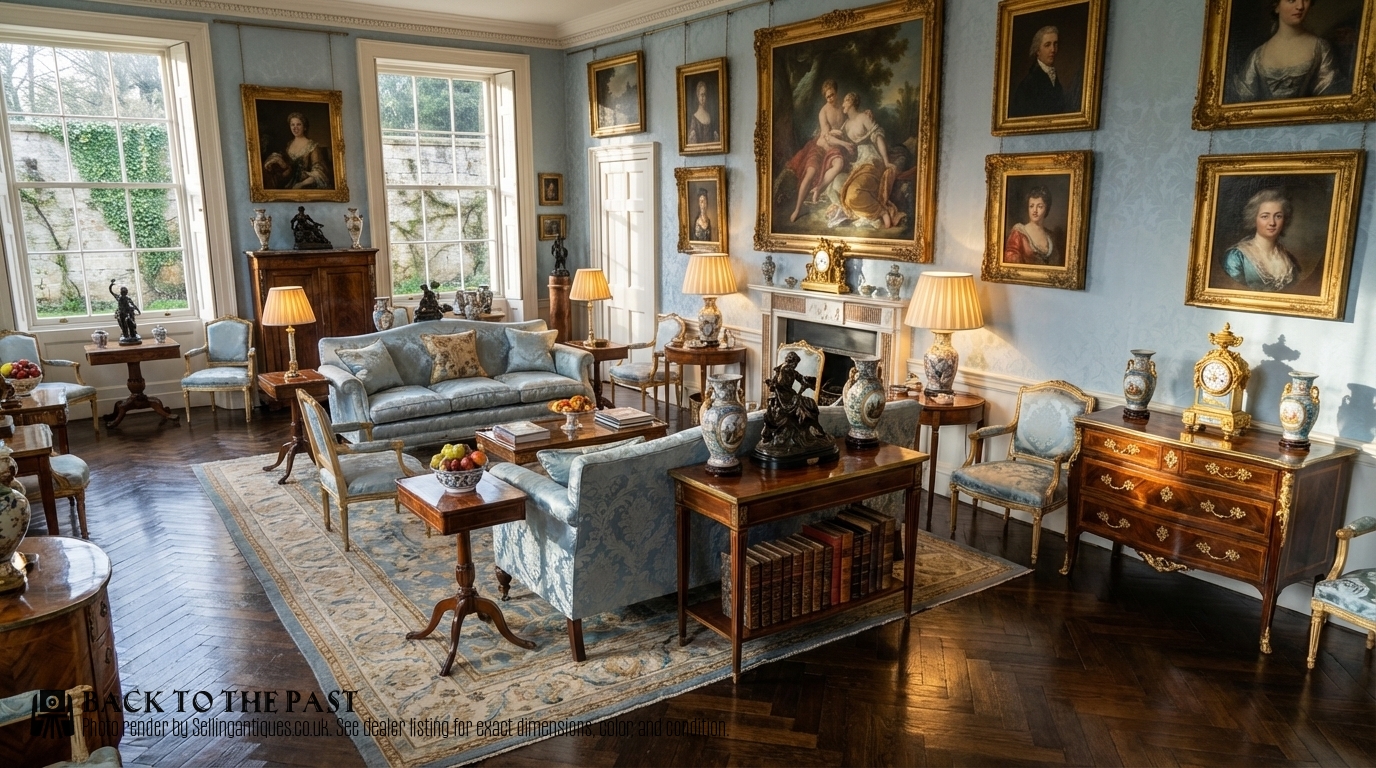
Clock garniture sets were placed centrally on mantelpieces above fireplaces, accompanied by matching side urns or candelabra. They served as both functional timekeepers and status symbols in nineteenth-century formal reception rooms.
The complete arrangement created a balanced decorative scheme that dominated the architectural focus of a Victorian or Napoleon III interior.
How do I care for my clock?
Living with these clocks involves placing them on stable, level surfaces away from direct sunlight and fluctuating temperatures. Dust the ormolu and glass gently with a soft brush without applying chemical cleaners to the gilt surfaces.
Mechanical movements require periodic professional servicing and oiling to ensure accurate timekeeping and to prevent wear on the brass gears.
How can I tell the period?
Dating a sevres style clock involves examining the casting techniques, the style of the numerals on the dial, and any maker stamps on the movement backplate. Nineteenth-century pieces often display foundry marks or maker signatures associated with the Paris bronze and clockmaking industries.
The specific revival style, such as Napoleon III or Louis XVI revival, provides further clues regarding the decade of manufacture between 1850 and 1900.