



Sevres Porcelain Mounted Table
When you search for a sevres porcelain mounted table, you enter a world of nineteenth-century French luxury where timber frames meet hand-painted ceramic plaques.
Sevres Porcelain Mounted Table
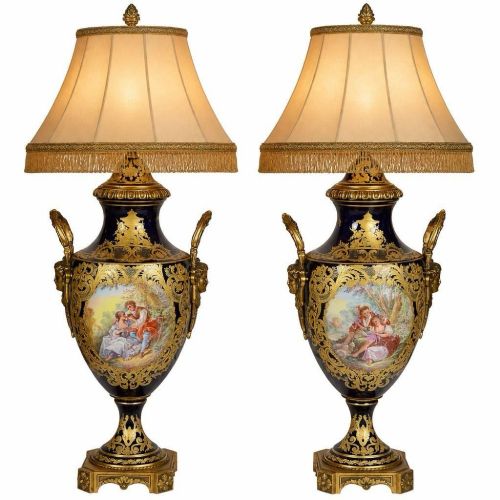
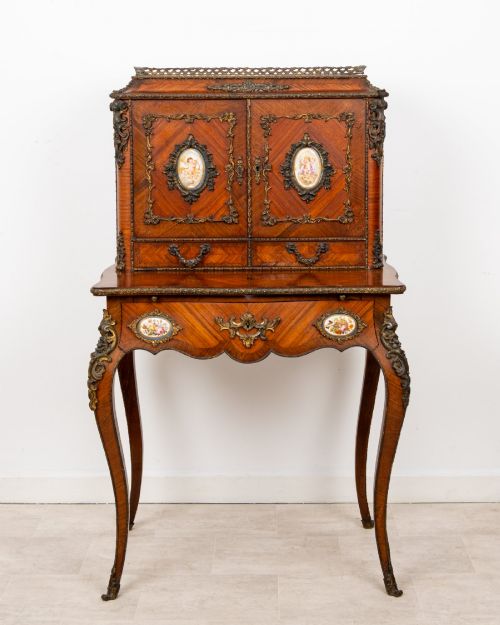
A sevres porcelain mounted table brings together fine French cabinet-making and decorated porcelain plaques, predominantly originating from nineteenth-century revival periods. These pieces include writing tables, centre tables, and occasional work tables designed for opulent nineteenth-century interiors.
The form relies on a wooden skeleton, often kingwood, walnut, or rosewood, inset with painted porcelain panels depicting pastoral scenes or floral motifs. You are most likely to encounter nineteenth-century examples bearing Louis XV or Louis XVI revival characteristics.
Beyond standard tables, the broader category encompasses related salon furniture like writing desks and dressing tables that share the same distinctive ceramic mounts. Each piece serves as a functional item of furniture that doubles as a display of decorative artistry.
What varies in quality
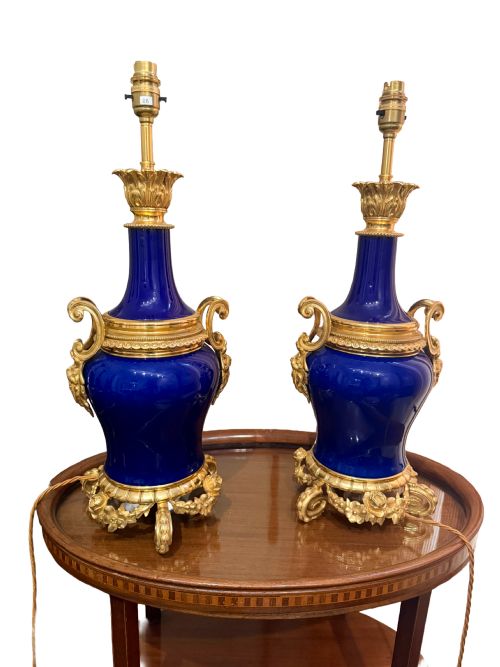
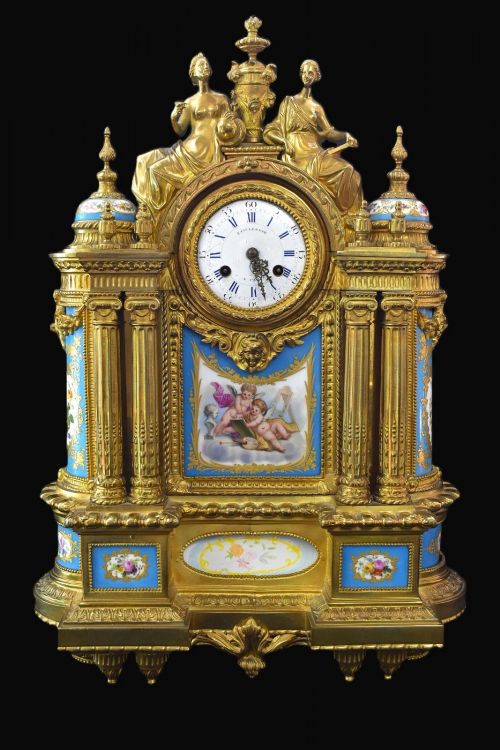
The crispness of the ormolu chasing sets the better examples apart from standard production, as finer metalwork displays sharp detail rather than soft, blurred casting. The quality of the hand-painted porcelain plaque, judged by the delicacy of the brushwork and depth of the glaze, dictates the tier of the piece.
Timber selection and cabinet-making integrity also define the upper range, where matching wood veneers and sturdy structural joinery persist without warping. A cohesive design where porcelain, bronze, and wood harmonize in proportion indicates superior atelier production.
Secret drawers and hidden compartments frequently surprise those who explore the inner workings of nineteenth-century French desks.
Etienne Lenoir·JP Delettrez·Miroy Frères·J.B. Delettrez
The Sevres Porcelain Mounted Table Glossary
- Ormolu
- Gilt bronze applied as a decorative mount on furniture and clocks. This technique involves coating cast bronze with a gold amalgam or gold leaf.
- Bonheur du jour
- A small light ladies desk featuring a raised cabinet or tier with drawers and shelves above the writing surface. This form gained popularity during the eighteenth century and saw a major revival in the nineteenth century.
- Bureau plat
- A flat-topped free-standing writing desk fitted with one or more drawers in the frieze. These tables typically feature leather writing inserts and elaborate gilt bronze mounts.
- Jardiniere
- A decorative stand or container designed to hold plants or floral arrangements. In these listings, they often incorporate porcelain plaques and ormolu mounts to match salon tables.
- Kingwood
- A dense, heavily figured Brazilian timber with dark violet-brown and golden stripes. Cabinet-makers utilised this wood extensively for high-end French revival furniture veneers.
Sevres Porcelain Mounted Table: Frequently Asked Questions
What rooms suit a porcelain mounted table?
These tables find a natural home in drawing rooms or studies as centrepieces or writing surfaces. Their decorative presence allows them to stand freely in the middle of a room rather than pushed against a wall.
Because they combine wood, bronze, and ceramic, they pair well with neutral surroundings that let the intricate details and painted plaques stand out without visual competition.
How do I care for ormolu mounts?
Maintenance requires only a soft, dry cloth to remove dust from the crevices of the gilt bronze. Avoid chemical polishes, as abrasive cleaners strip the gold gilding from the bronze surface permanently.
Keep the timber and porcelain away from direct sunlight and strong heat sources to prevent the wood from splitting and the glaze from crazing over time.
Are these tables sturdy enough for daily use?
While structurally sound, antique writing and centre tables are better suited for light administrative tasks or display rather than heavy daily service. The delicate porcelain plaques and protruding ormolu mounts demand careful treatment to avoid accidental knocks.
Placing them away from high-traffic household corridors preserves both the delicate veneer work and the mounted ceramic elements.
How do I distinguish revival styles from earlier periods?
Nineteenth-century revival pieces often display machine-assisted precision in their ormolu casting and standardised porcelain kiln transfers alongside hand painting. Examining the interior secondary woods and construction hardware usually reveals the true nineteenth-century manufacturing date.
Comparing the proportion and symmetry against eighteenth-century exemplars highlights the heavier, more eclectic decorative choices typical of Napoleon III and Second Empire workshops.