




Seventeenth Century Style Desk
A seventeenth century style desk brings substantial timber work and period form into a room, offering practical writing space with historic character.
Seventeenth Century Style Desk
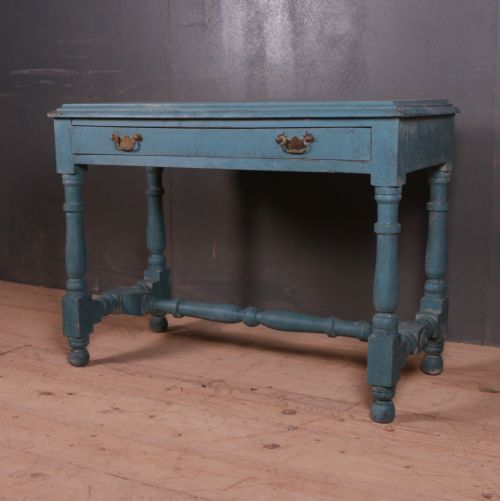
When you search for a seventeenth century style desk, you encounter pieces drawing on historical forms like the Jacobean Revival and William and Mary styles. These desks and writing bureaux utilise traditional joinery and robust proportions suited to study and writing.
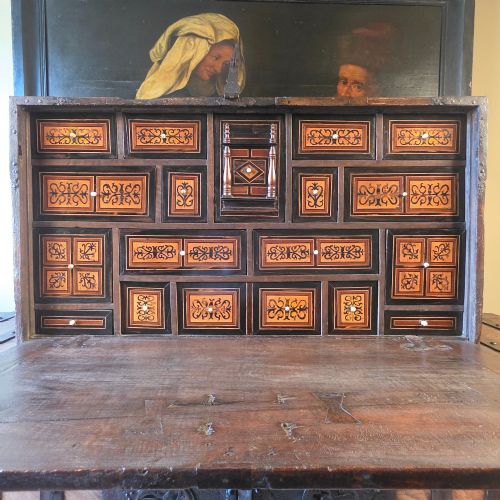
The selection includes oak kneehole writing desks and oak writing bureaux made during revival periods alongside period pieces such as bible boxes. These variations provide distinct workspace options ranging from compact desk tops to larger freestanding furniture.
Makers across different eras adapted seventeenth century design vocabulary to create functional furniture for contemporary use. The resulting pieces combine period aesthetics with the utility expected of a working desk.
Materials and Construction
The construction relies heavily on solid oak and walnut, chosen for their durability and distinctive grain patterns. Cabinetmakers shaped these primary timbers using traditional hand woodworking techniques.
Detailing often incorporates brass hardware, iron accents, and occasional bone or inlay work to accent the woodwork. These secondary materials provide functional strength and visual contrast against the dark timber surfaces.
Materials documented across these desks include solid oak, walnut, fruitwood, and rosewood, often complemented by brass, iron, and bone.
Evaluating Quality and Execution
Quality in these desks rests on the selection of timber and the precision of the joinery. Finer examples display carefully matched wood grains and tightly fitted joints that endure decades of daily use.
The sophistication of the carving and inlay work separates standard revival pieces from finer interpretations. Skilled execution in hardware placement and surface finishing elevates the overall presence of the desk.
The Seventeenth Century Style Desk Glossary
- Bible Box
- A small wooden box with a sloping lid, historically used to hold large books and writing materials. These early forms often sat on tables before dedicated writing furniture evolved.
- Kneehole Desk
- A freestanding desk featuring a central recess for the sitter's legs, flanked by pedestals of drawers. This form became popular for organised storage and writing.
- Writing Bureau
- A desk featuring a hinged sloping flap that opens to reveal a fitted interior of small drawers and pigeonholes. It provides a concealed writing surface when closed.
- Jacobean Revival
- A nineteenth and twentieth century architectural and furniture style reviving the heavy oak aesthetic of the early seventeenth century. It emphasises turned legs, paneling, and dark finishes.
- William and Mary Style
- A design period characterised by Dutch and baroque influences, featuring trumpet turning, seaweed marquetry, and walnut veneers. Furniture from this tradition appears lighter in scale than earlier Jacobean work.
Seventeenth Century Style Desk: Frequently Asked Questions
What is a seventeenth century style desk?
A seventeenth century style desk is a piece of furniture built to emulate the heavy timber forms and joinery of the 1600s, often produced during later revival periods. These desks provide a dedicated writing surface while displaying historical characteristics like turned legs and paneling.
They serve as both practical workstations and focal points in a study or library. Their design reflects centuries of woodworking tradition adapted for modern domestic use.
How do I date a revival desk?
Dating a revival desk involves examining the timber preparation, tool marks, and secondary woods used in the interior construction. Machine-cut components usually point to nineteenth or twentieth century production rather than the 1600s.
Hardware styles and the ageing of the finish also offer clues to whether a piece dates from the original era or a later revival movement.
How should I care for a walnut or oak desk?
Maintaining these wooden desks requires keeping them away from direct heat sources and strong sunlight to prevent the timber from splitting or fading. Regular dusting with a soft, dry cloth preserves the finish without building up residue.
Applying a traditional beeswax periodically nourishes the wood and maintains a natural lustre. Avoid using modern silicone polishes which can damage historic or traditional surfaces.
What is the difference between a bureau and a kneehole desk?
A bureau typically incorporates a hinged writing flap that pulls down or slants forward, concealing a set of small interior compartments and drawers. This design allows the user to hide paperwork away when not in use.
A kneehole desk provides a fixed flat top for writing with built-in pedestals of drawers on either side of a central opening. It remains open and ready for use at all times.