

Seventeenth Century Oak Side Table
A seventeenth century oak side table brings honest timber and centuries of domestic use straight into a modern room.
Seventeenth Century Oak Side Table
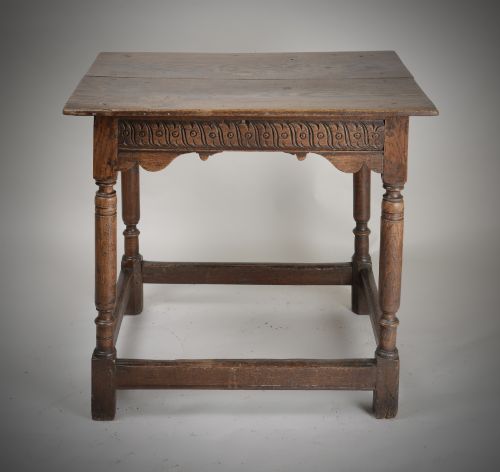
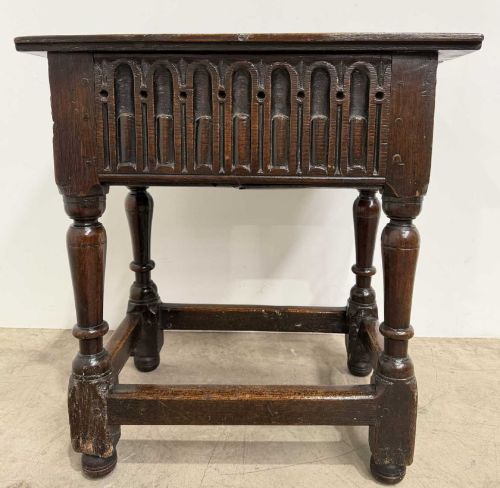
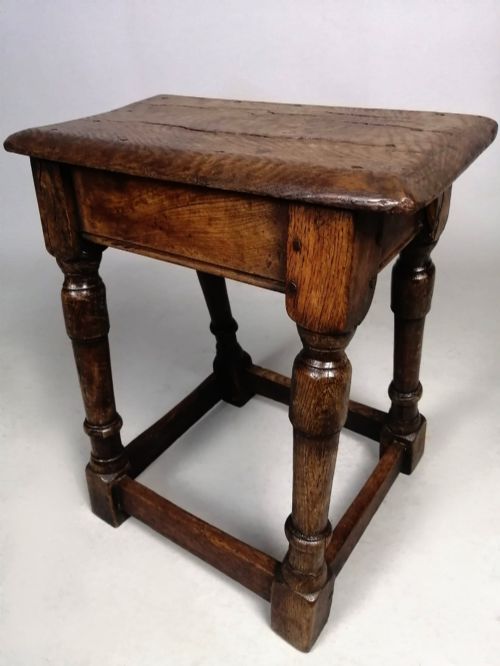
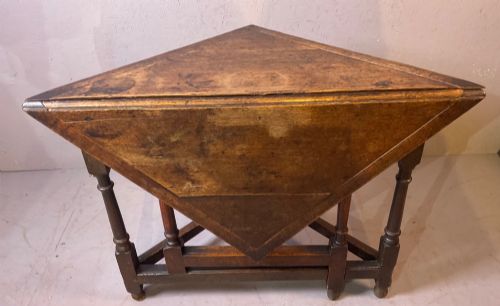
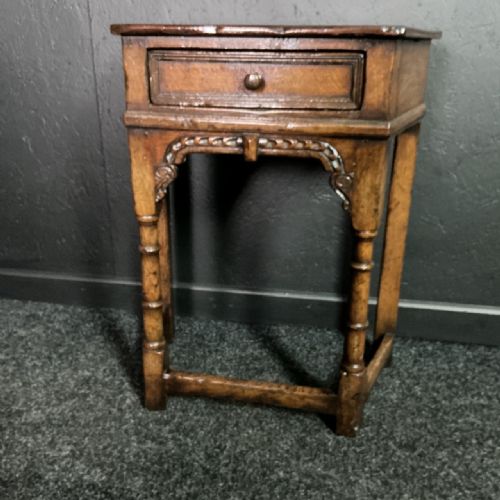
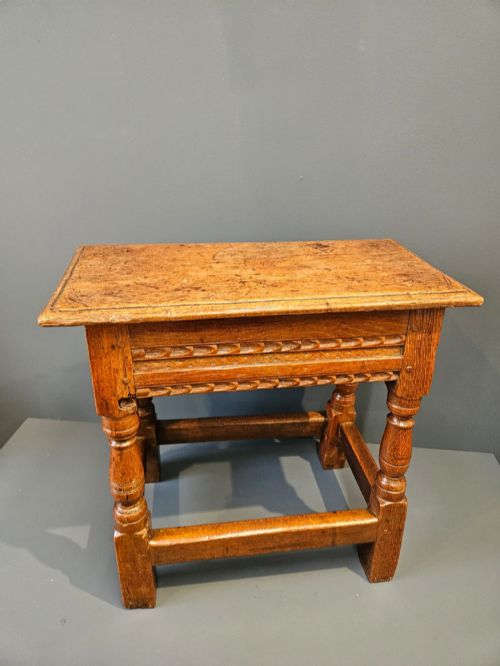
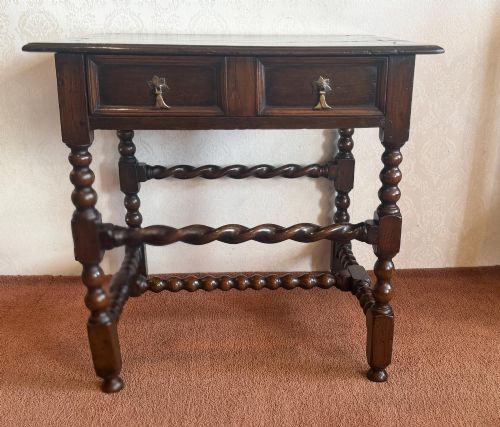
A seventeenth century oak side table is a sturdy domestic furnishing built from native British timber during a period of straightforward joinery. These tables frequently appear alongside related forms like joint stools, low dressers, and gateleg tables originating from the seventeenth century and later revival periods.
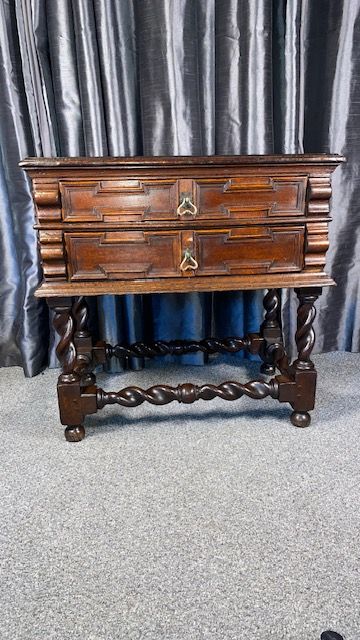
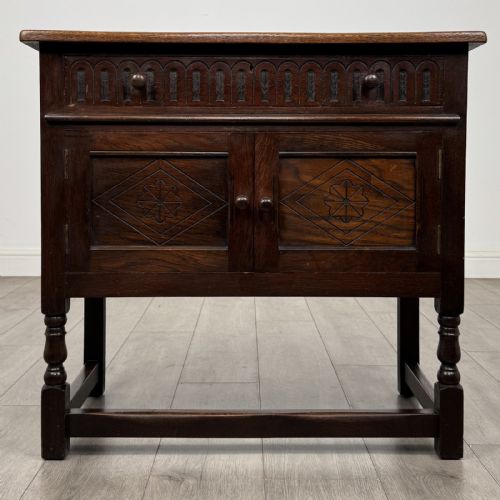
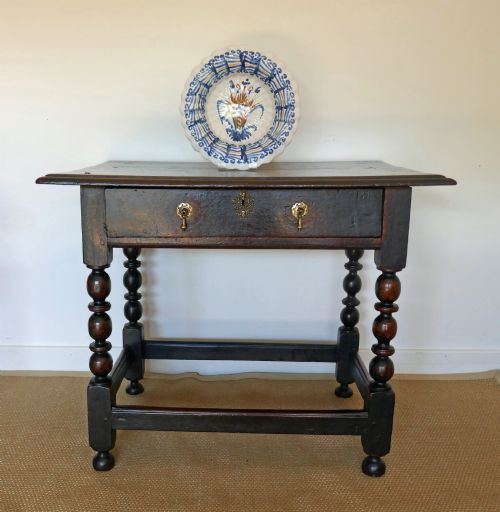
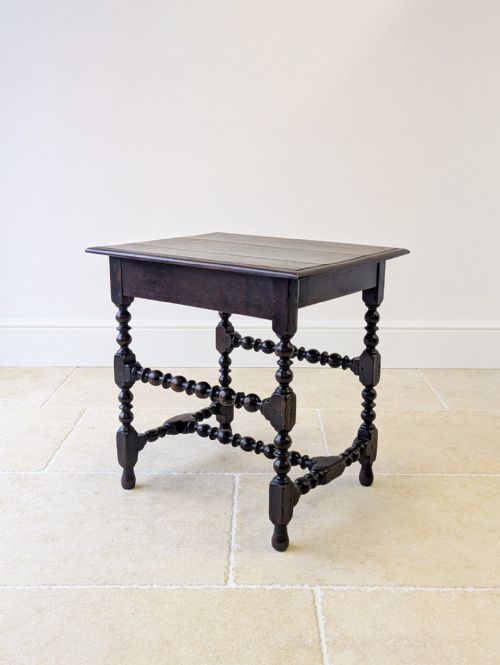
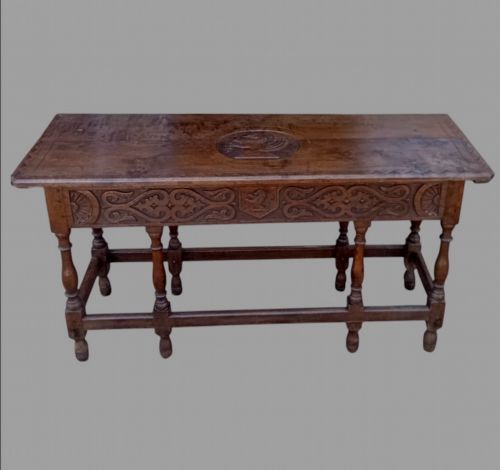
Buyers encounter genuine seventeenth-century examples alongside later interpretations made around 1750, 1900, and 1920 in Jacobean styles. The forms range from simple lowboys and side tables with turned supports to larger servers and credence tables featuring carved or moulded details.
What varies in quality
The distinction between ordinary and exceptional pieces rests upon the crispness of the hand-carved details and the proportion of the timbers. Bold proportions and well-defined geometric mouldings on drawer fronts elevate the visual weight of a side table.
Original surface patination and the retention of primary timbers without excessive modern intervention dictate the character of the piece. Tables that maintain their period construction integrity without later alterations command greater attention from collectors.
Seventeenth Century Oak Side Table Retail Price Guide 2026
Typical asking prices for seventeenth century oak side table among the pieces listed under this phrase on Sellingantiques today, from the lower quarter to the upper quarter. They describe what is for sale here now, not the wider market.
The listings span several centuries of production, recording seventeenth-century originals alongside eighteenth-century items and 1920s revival furniture.
The Seventeenth Century Oak Side Table Glossary
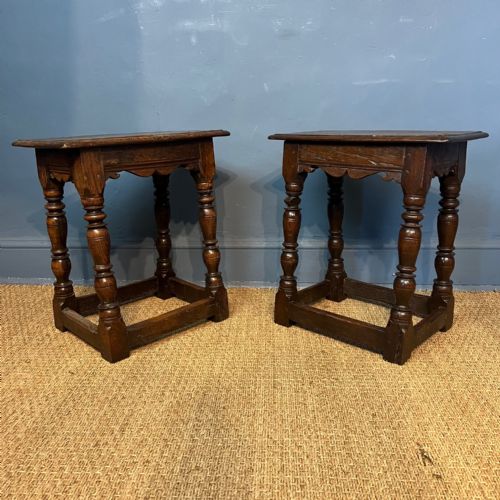
- Joint Stool
- A sturdy wooden seat constructed with pegged mortise and tenon joints rather than turned legs glued into a seat. These functional pieces share construction methods with early side tables.
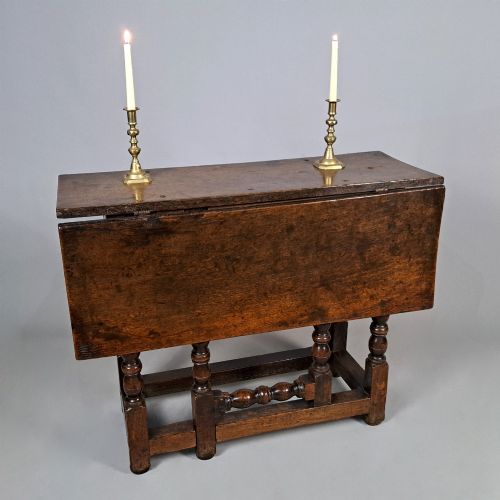
- Gateleg Table
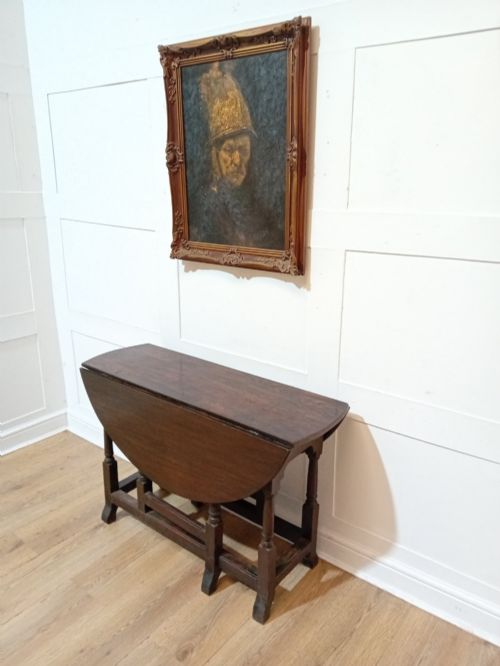
- A drop-leaf table with hinged flaps supported by swinging legs that pivot outward like a gate. This form allowed flexible surface space in seventeenth-century interiors.
- Lowboy
- A small table with one or more drawers, typically standing on four legs, used as a side table or dressing table. The form developed further refinement into the eighteenth century.
- Credence Table
- A folding table with a semicircular or polygonal top supported by a hinged leg that swings out to reveal a concealed interior space. These tables often feature rich carved decoration.
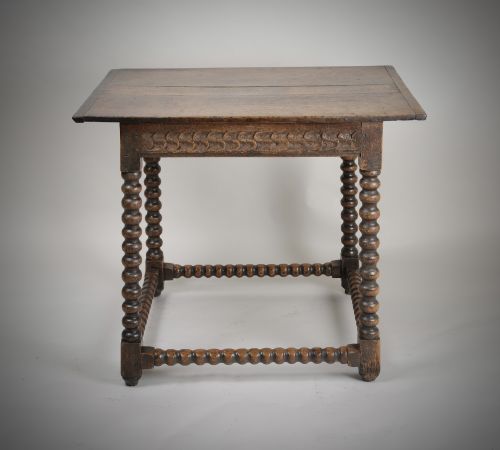
- Bobbin-Turned
- A style of furniture turning that creates a series of rounded spheres resembling bobbins along the length of a leg or stretcher. It appears frequently on seventeenth-century supports.
Seventeenth Century Oak Side Table: Frequently Asked Questions
How do I spot a true seventeenth century piece?
Examine the construction methods beneath the top and inside the drawers for hand-cut joints and wooden pegs rather than modern screws.
Look for surface wear and timber shrinkage that develops naturally over centuries of exposure to domestic environments.
What is a gateleg table used for?
A gateleg table provides an expandable surface that folds down compactly against a wall when floor space is limited.
In seventeenth-century homes, these versatile pieces served dining, writing, and general utility functions.
Are later revival tables worth buying?
Twentieth-century revival pieces built in the Jacobean style offer sturdy construction and period character without the age or investment of seventeenth-century originals.
These later interpretations provide practical surfaces for everyday domestic use while echoing early forms.
How do I clean an antique oak table?
Dust the timber regularly with a soft, dry cloth and avoid applying modern silicone polishes that can damage the antique finish.
Maintain a stable room humidity to prevent the solid oak panels from splitting or warping over time.