



Seventeenth Century Oak Seat
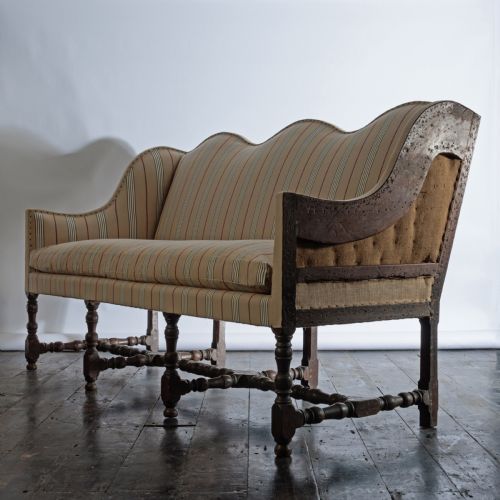
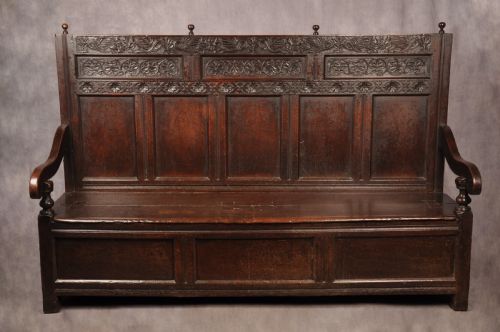
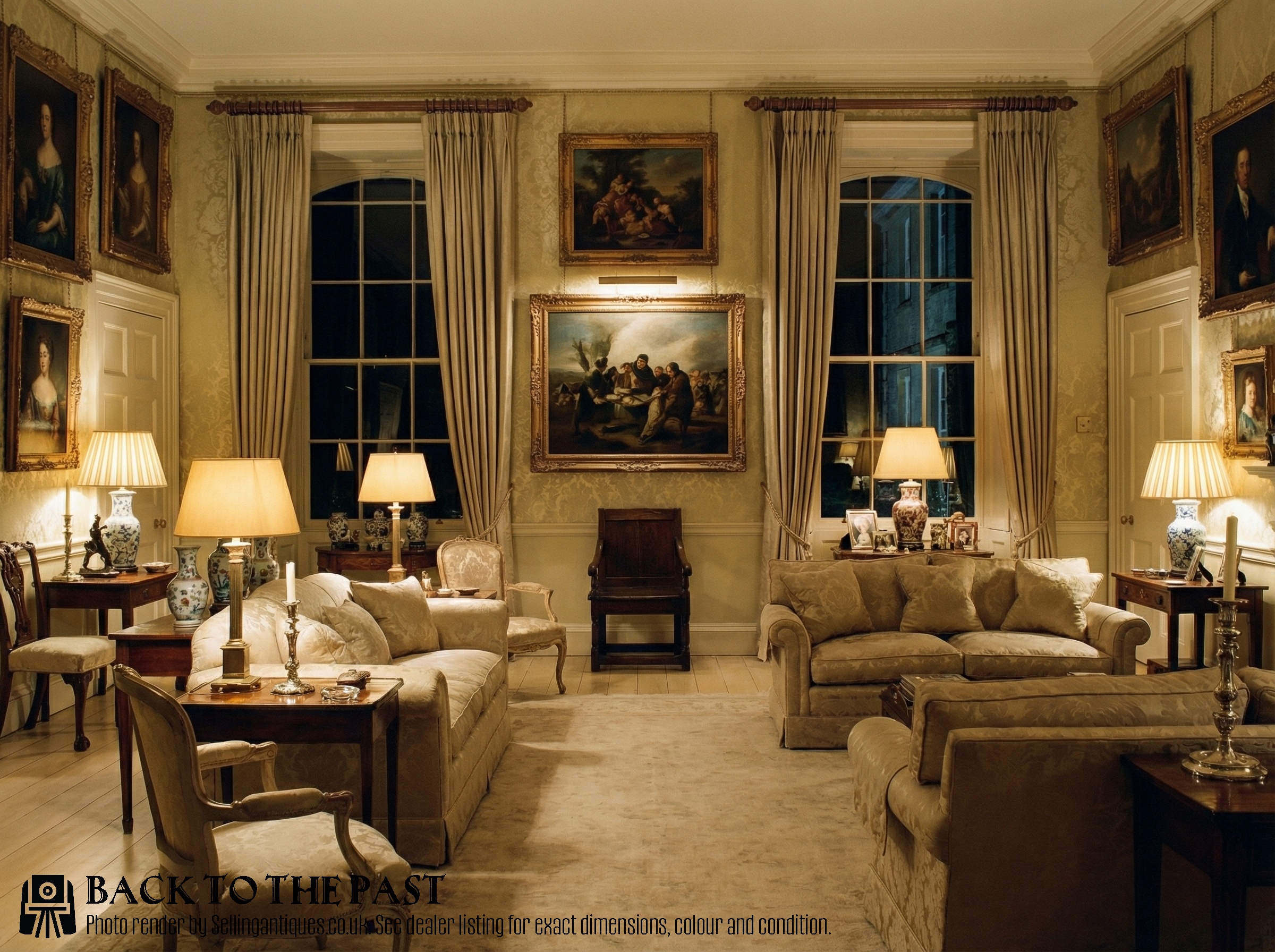
A seventeenth century oak seat brings heavy timber, solid joinery, and centuries of domestic history straight into a room.
Seventeenth Century Oak Seat
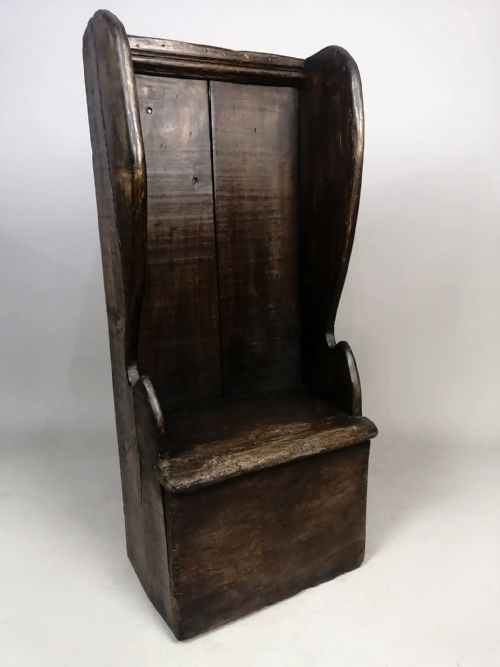
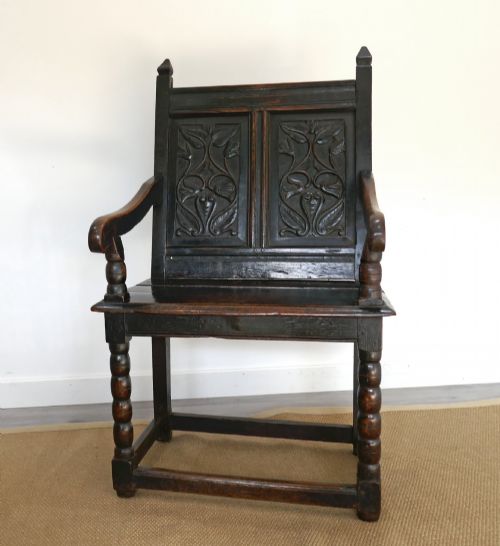
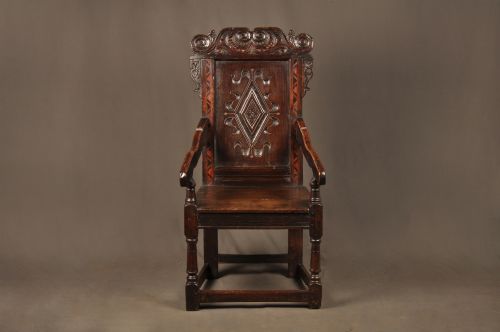
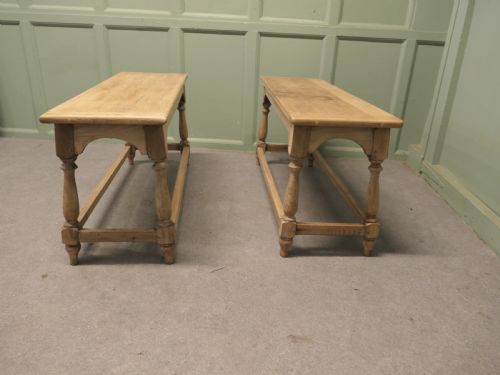
A seventeenth century oak seat encompasses sturdy wainscot chairs, joint stools, settles, and benches built to withstand daily use. Buyers often encounter regional variants such as North Country box settles, Lancashire or Cheshire wainscot chairs, and Scottish armorial clan chairs.
While many examples date directly to the seventeen hundreds and earlier, the selection also includes later nineteenth century revival pieces and twentieth century interpretations. These objects span simple side chairs and dining chairs up to large armchairs and wingback sofas.
How they were made
Construction relies heavily on solid oak and fruitwood timbers, joined with traditional pegged mortise and tenon joints that provide structural rigidity without metal nails. Some pieces incorporate secondary materials like walnut for contrast or structural support.
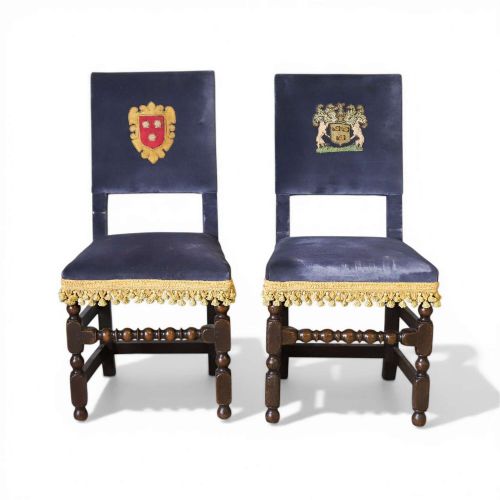
Upholstery on padded variants utilises traditional fillings secured with cotton, jute, and velvet, often finished with decorative metallic fringe or heraldic crests.
Listings include seventeenth century pieces alongside nineteenth century Victorian items, 1900 bleached oak, and 1920 Jacobean style reproductions.
What varies in quality
Quality rests in the integrity of the original timber and the crispness of any carved detailing, distinguishing provincial vernacular work from high-status regional commissions. The survival of an uncompromised structural frame without excessive timber replacement elevates an example.
Subtleties in proportion and the weight of the timber influence desirability, as heavier, denser oak components denote a higher grade of domestic or institutional furniture from the period.
The Seventeenth Century Oak Seat Glossary
- Wainscot chair
- A heavy wooden armchair featuring a solid panel back, typically constructed from oak during the seventeenth century. This form evolved from joined furniture techniques and provided a status seat in the household.
- Joint stool
- A low wooden stool constructed using pegged joints rather than turned legs glued together. These sturdy items served multiple seating and utility purposes in early homes.
- Box settle
- A high-backed wooden bench with a closed base compartment beneath the seat for storage. They protected sitters from draughts in large halls.
- Jacobean style
- A design aesthetic spanning the early seventeenth century characterised by straight lines, dark woods, and geometric or strapwork carving. Later revival periods replicated these motifs.
- Fruitwood
- A dense timber harvested from fruit-bearing trees such as pear or apple, utilised for smaller chairs and child-sized seating where fine turning was desired.
Seventeenth Century Oak Seat: Frequently Asked Questions
How do I spot a true seventeenth century piece?
Examine the timber shrinkage, the tool marks left by hand working, and the construction methods used in the frame. Genuine early pieces display hand-pegged joinery and natural oxidation that modern replicas struggle to replicate.
Consider the historical context of the regional styles, such as Lancashire or West Country framing techniques, which provide vital clues to the origin and date of manufacture.
Can I use an antique oak chair daily?
Solid oak furniture from this era was built for heavy, utilitarian domestic service and remains remarkably durable. Regular use is entirely practical provided the joints remain stable and weight is distributed evenly.
Keep the timber away from direct heat sources and sudden humidity changes to prevent the old wood from drying out or splitting.
How should I care for velvet upholstery on old chairs?
Vacuum the fabric gently with a soft brush attachment to remove dust without crushing the pile. Protect the textile from direct sunlight to prevent fading of the rich colours.
Check the underlying webbing and fringe periodically to ensure the historical upholstery materials remain secure and supported.