
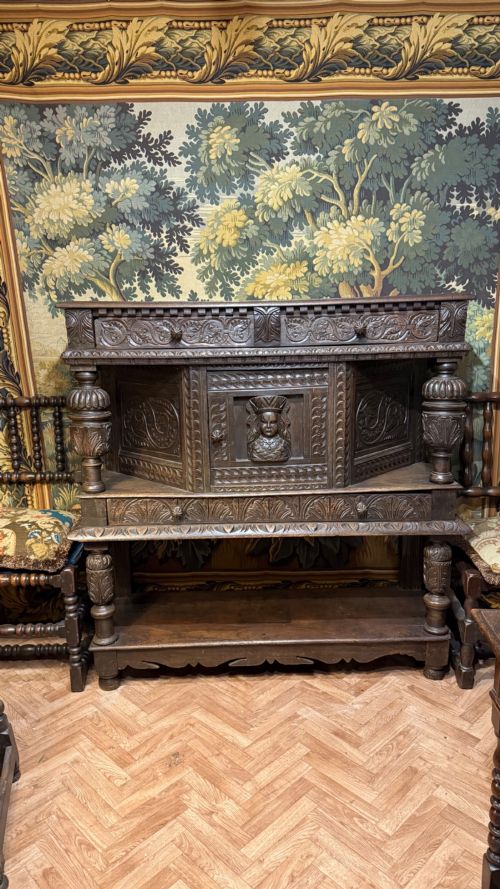

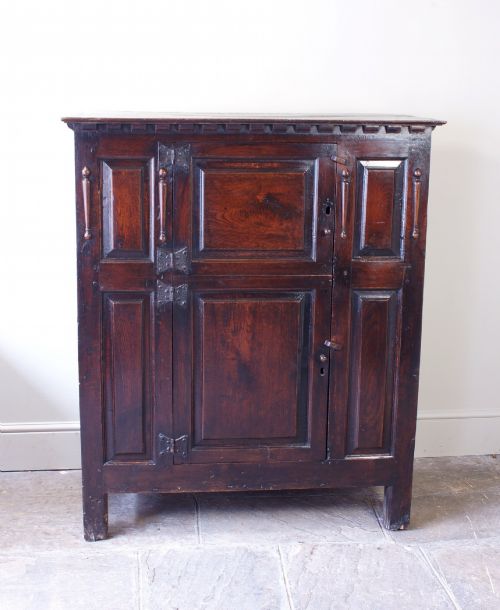


Seventeenth Century Livery Cupboard
A seventeenth century livery cupboard is a robust storage piece offering historic presence and practical shelving, built to hold provisions in early English interiors.
Seventeenth Century Livery Cupboard
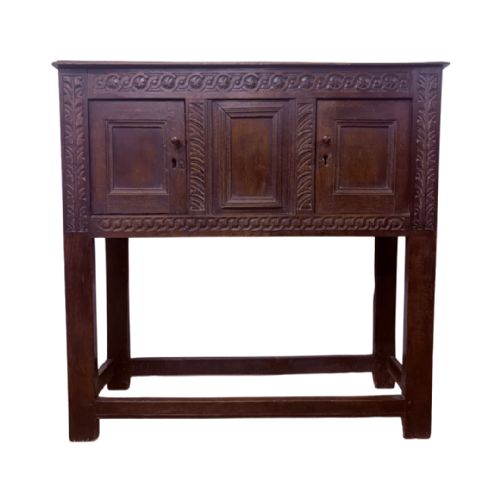
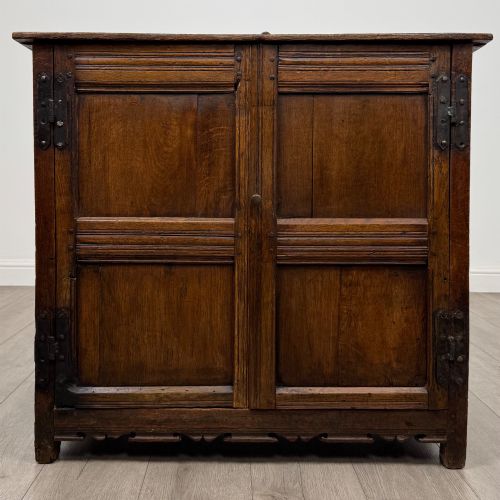
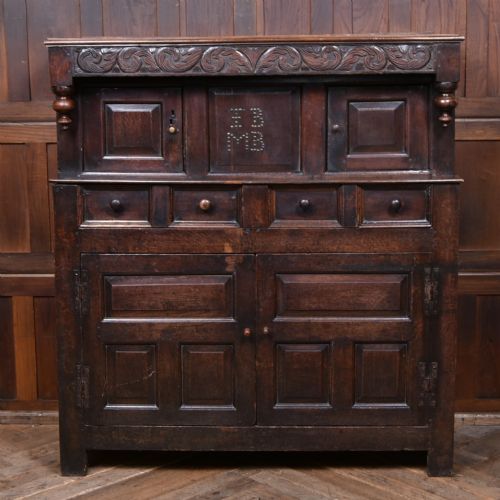
When you search for a seventeenth century livery cupboard, you encounter substantial timber furniture designed for domestic storage and food preservation in early households. The examples gathered here span court cupboards, wall cabinets, hutches, and cupboards on stands from the seventeenth century and related eras.
You are most likely to meet joined oak constructions, often attributed to Jacobean, Charles II, or Carolean styles, alongside vernacular country interpretations. These pieces frequently feature carved panels, enclosed upper sections, and sturdy framework suited to daily historical domestic use.
The regional origins and periods represented in these listings demonstrate considerable variety, including Welsh oak pieces and later interpretations from the nineteenth and twentieth centuries. Each form demonstrates the evolving domestic requirements of early modern households through distinct configurations of doors, drawers, and open tiers.
Materials and construction methods
The primary material across these pieces is English oak, supplemented by fruitwood inlay for decorative contrast on select surfaces. Joiners utilised traditional frame and panel techniques to accommodate the natural expansion and contraction of solid timber over centuries.
Iron and wrought iron hardware, including strap hinges and latches, secure the doors alongside brass components on refined examples. Carved ornamentation, geometric mouldings, and incised details finish the structural joinery without relying on modern adhesives.
Materials recorded across the inventory include solid English oak, wrought iron hardware, brass details, and delicate fruitwood inlay.
Assessing quality and craftsmanship
The distinction between ordinary and exceptional pieces lies in the crispness of the hand carving and the integrity of the original joined oak framework. Finer examples display balanced proportions, integrated timber patination, and minimal replacement to the primary structure.
Surface condition and the survival of original wrought iron or brass furniture elevate specific items above standard regional variants. The depth of the fruitwood inlay and the sophistication of the Jacobean or Carolean stylistic details further separate standard utility pieces from high-status commissions.
The Seventeenth Century Livery Cupboard Glossary
- Joined oak
- Furniture construction using mortise and tenon joints pinned with wooden dowels rather than nails. This method creates a rigid skeletal frame capable of supporting heavy loads.
- Court cupboard
- A formal sideboard or storage cabinet featuring multiple tiers, often with enclosed upper compartments. These pieces served to display plate and store food in wealthy households.
- Livery cupboard
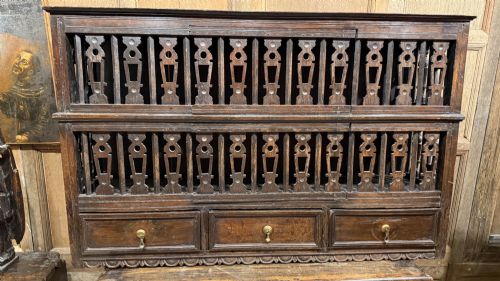
- A small storage cabinet ventilated with turned spindles or pierced panels, originally used to hold rations and candles for servants. The term derives from the French word for delivery.
- Jacobean style
- The prevailing design aesthetic during the reign of James I, characterised by heavy proportions, geometric panel moulding, and strapwork carving. It forms a primary stylistic baseline for seventeenth-century woodwork.
- Fruitwood inlay
- The practice of recessing contrasting light fruitwoods into an oak background to form geometric or floral patterns. This decorative technique highlights the skill of the cabinetmaker.
Seventeenth Century Livery Cupboard: Frequently Asked Questions
How were livery cupboards used?
Households used livery cupboards to distribute daily rations and provisions to staff and family members before main meals. The ventilated sections allowed air circulation around perishable items.
Over the centuries, their function shifted from utilitarian food storage to prominent display furniture for pewter and valued household items.
How do I live with an oak cupboard?
Living with an antique oak cupboard involves placing the piece away from direct heat sources and dramatic humidity fluctuations to protect the ancient timber. Regular dusting with a soft cloth preserves the natural wax finish and accumulated patination.
These substantial cabinets anchor modern dining rooms, hallways, and living spaces, providing practical shelving while displaying historic character.
How do I tell court cupboards apart?
Court cupboards generally feature multiple levels or enclosed upper sections designed for display and storage, whereas livery cupboards specifically incorporate ventilated panels for provisions. Examining the configuration of doors, open shelves, and turned supports clarifies the specific form.
Stylistic cues such as Carolean carving or Jacobean mouldings help date the construction and identify regional cabinetmaking traditions.