




Serpentine Stone Carving
These serpentine stone carving pieces bring classical antiquity and monumental forms into the room with heavy, polished mineral weight.
Serpentine Stone Carving
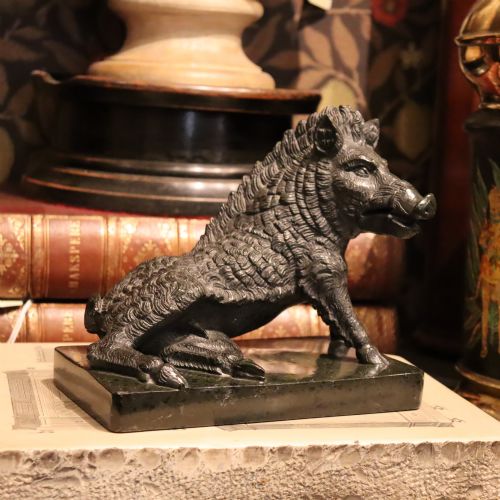
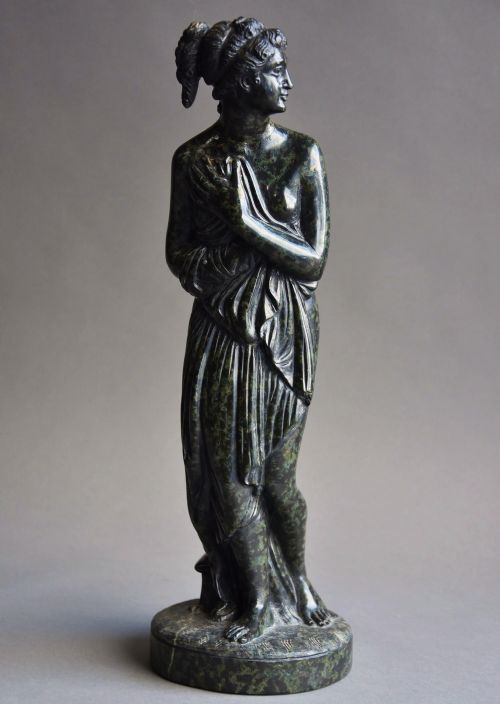
A serpentine stone carving spans sculptural figures, architectural columns, and decorative desk ornaments produced across the nineteenth century. These objects draw heavily on classical antiquity, taking the form of Roman hounds, Florentine boars, and mythological figures like Venus Italica.
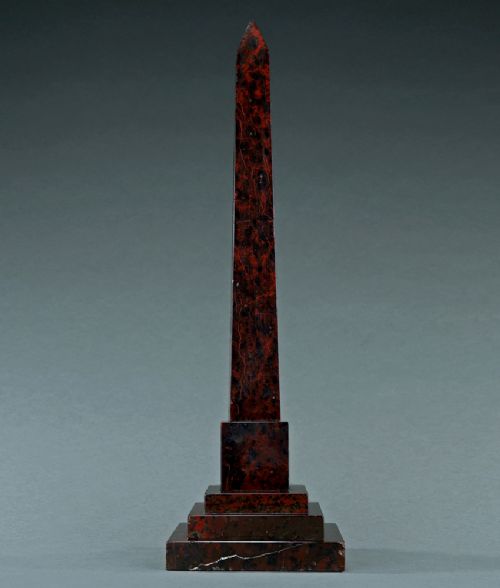
Most examples date from the Victorian era, particularly the late nineteenth century, utilising rich green and red mineral varieties. They function primarily as decorative focal points on consoles, mantels, and dedicated stone pedestals.
Materials and methods
Carvers shaped these dense mineral blocks using specialised cutting tools, lathes, and abrasive hand polishing to bring out the natural veining of the stone. Artisans selected materials such as Cornish serpentine, Bowenite, and variegated green marble for their deep coloration and smooth finish.
Many works combine turned architectural elements like columns and obelisks with hand-chiselled figural details after antique sculpture. The final surfaces were rubbed down to a high gloss that highlights the mineral inclusions and clouding within the matrix.
Serpentine Stone Carving Retail Price Guide 2026
Typical asking prices for serpentine stone carving among the pieces listed under this phrase on Sellingantiques today, from the lower quarter to the upper quarter. They describe what is for sale here now, not the wider market.
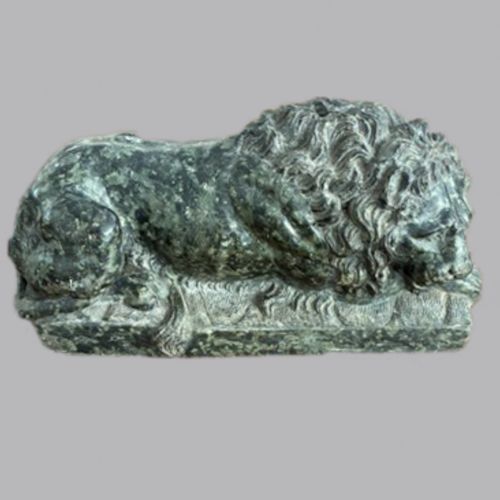
Several Victorian artisans found inspiration in ancient Roman dogs, ensuring that bad-tempered hounds keep eternal watch from nineteenth-century mantelpieces.
Distinctions in quality
The refinement of the chisel work separates routine souvenir production from masterworks after the antique. Superior carvings capture the musculature and anatomical tension of subjects like the Dogs of Alcibiades with anatomical precision.
The choice of raw mineral stock dictates visual depth, with intensely variegated green and red varieties commanding attention. Intricate assembly of multi-part objects, such as pedestals and urns, reveals the skill of the lapidary workshop.
The Serpentine Stone Carving Glossary
- Grand Tour
- A cultural journey through Europe undertaken by wealthy young men in the eighteenth and nineteenth centuries. Travellers collected miniature marble and serpentine sculptures to prove their classical education.
- Serpentine
- A group of green hydrous magnesium silicate minerals often cut and polished for ornamental objects. The stone takes its name from its mottled, serpent-like skin appearance.
- Bowenite
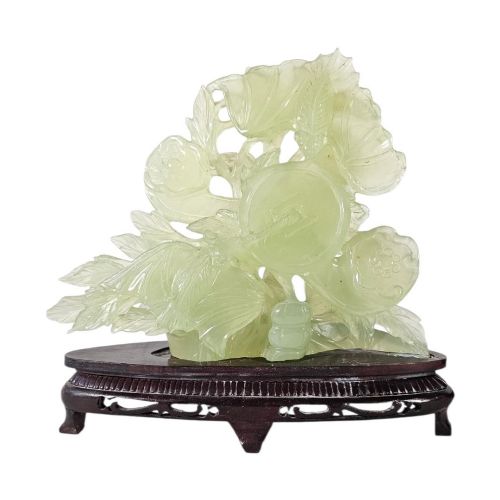
- A hard, compact variety of serpentine prized for its jade-like translucence and pale green colour. Chinese artisans carved this material into complex figural groups.
- Neoclassical
- An artistic movement drawing inspiration from the classical art and culture of ancient Greece and Rome. This style manifests in strict symmetry, urns, columns, and heroic animal figures.
- Ecclesiastical font
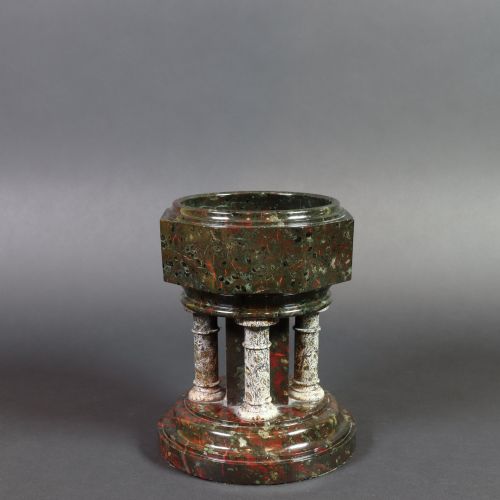
- A basin used for Christian baptism, sometimes replicated in miniature stone models by nineteenth-century lapidaries. These display miniature Gothic or Romanesque architectural detailing.
Serpentine Stone Carving: Frequently Asked Questions
What is serpentine stone?
Serpentine is a mineral group characterised by a smooth, mottled green or red surface that takes a high polish. Craftsmen use it for decorative carvings due to its weight and visual depth.
It resembles marble in feel but contains different magnesium silicate compounds with distinctive clouding and veining patterns.
Where were these carvings made?
Production centres include workshops in Italy catering to Grand Tour travellers, regional British hubs working with Cornish stone, and Chinese imperial workshops carving Bowenite.
Italian pieces frequently replicate famous Roman and Florentine sculptures found in museums, while British items often focus on local mineral specimens and architectural models.
How do I display these pieces?
These heavy mineral objects require sturdy surfaces like strong console tables, heavy timber sideboards, or dedicated stone pedestals. Their substantial weight makes them stable when placed on secure horizontal planes.
Keep them away from direct heat sources and chemical cleaners to protect the polished mineral surface from dulling over time.
How do I date a serpentine carving?
Dating relies on the stylistic context of the subject matter, such as Victorian Gothic revival motifs or nineteenth-century Grand Tour classical copies. Tool marks and the specific mineral variety also provide clues to the period of manufacture.
Comparative analysis with documented workshop pieces helps narrow down the decade of production.