
Serpentine Fronted Drawers
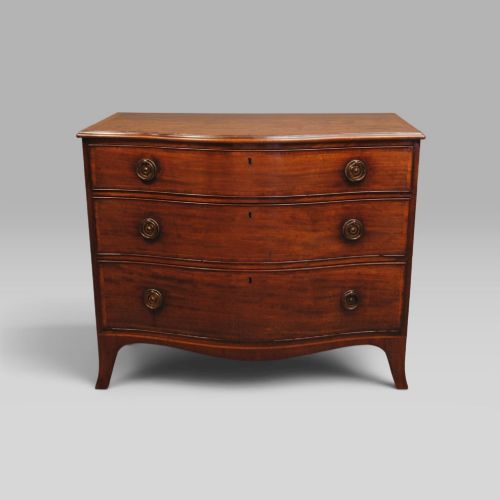
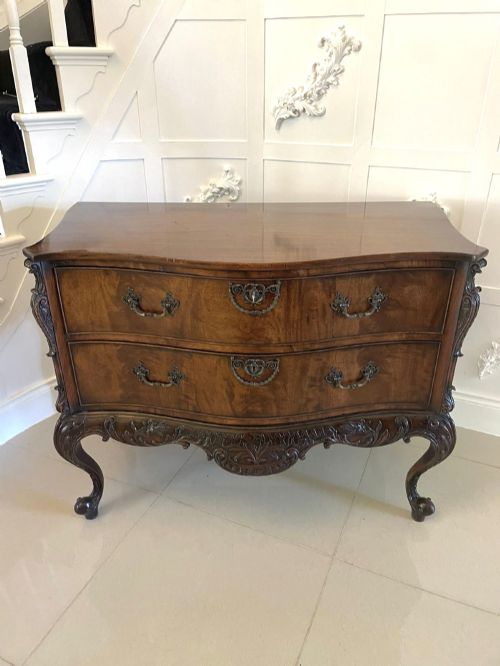
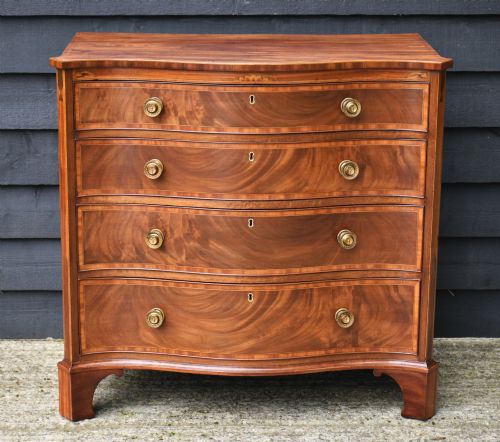
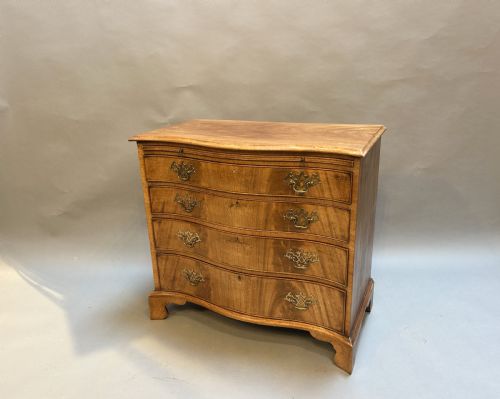
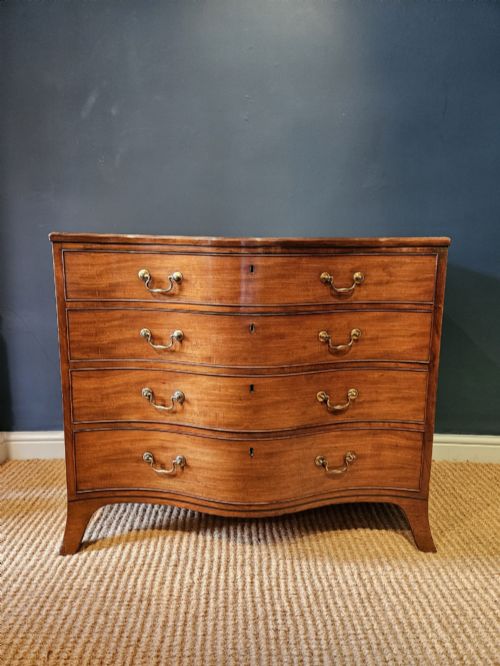
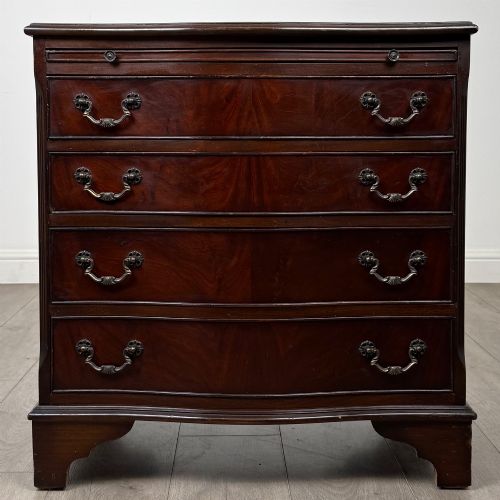
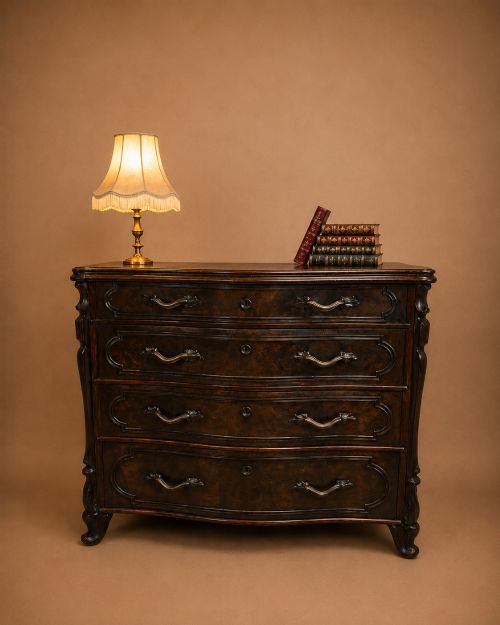
When you search for serpentine fronted drawers, you are seeking pieces defined by a gently curving line that requires immense skill to shape from solid timber.
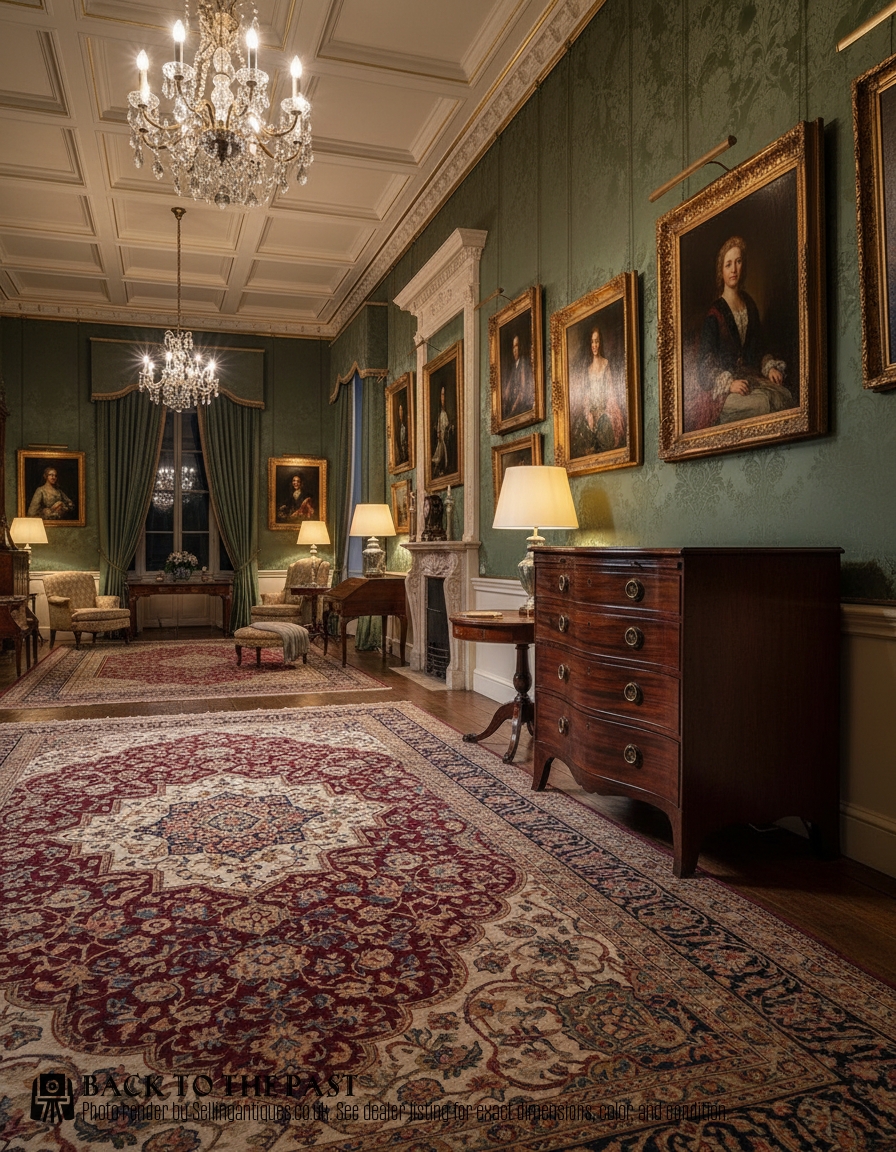
Serpentine Fronted Drawers
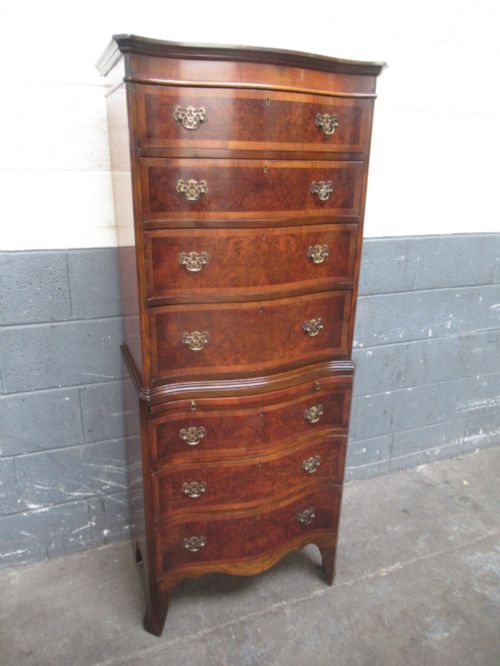
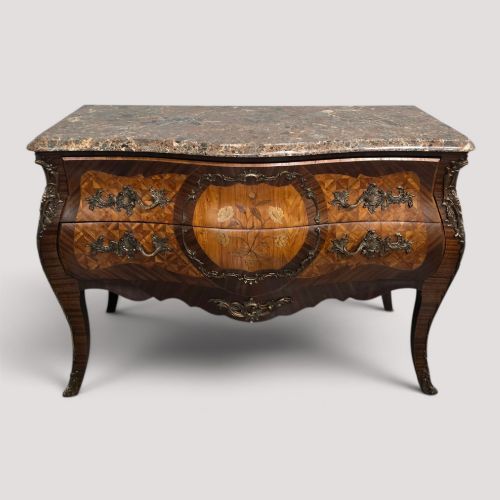
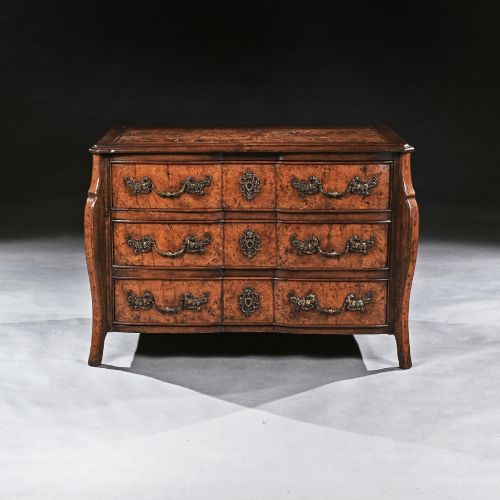
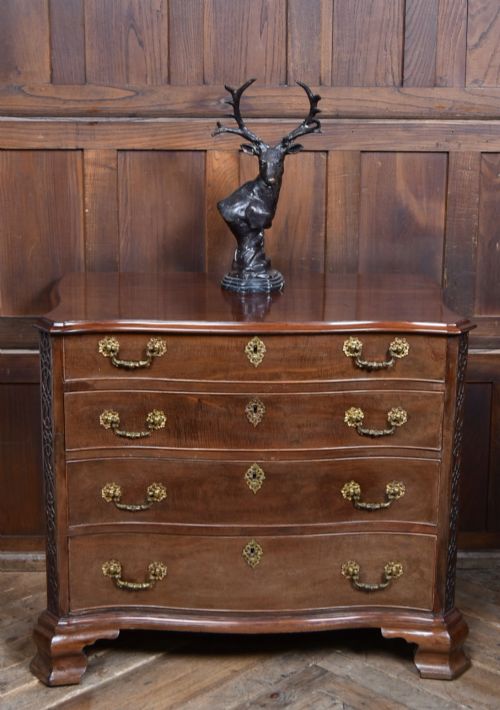
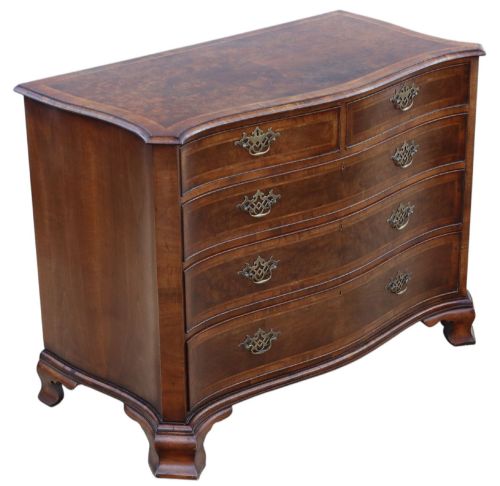
Serpentine fronted drawers encompass various forms, most commonly chests of drawers, commodes, and tallboys originating from the eighteenth century onwards. Pieces span multiple periods including Georgian, Victorian, and Edwardian, alongside later revivals.
The primary forms on this page include full-sized chests, bedside tables, and compact commodes. These items functioned historically as principal storage furniture in bedchambers and parlours.
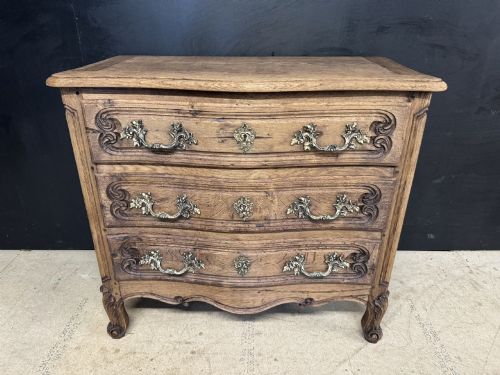
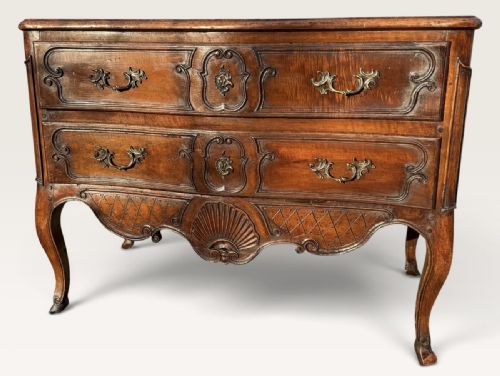
Continental examples feature prominently alongside English pieces, displaying regional variations in silhouette and decoration. Buyers will encounter walnut, mahogany, and painted finishes across these distinct origins.
How They Were Made
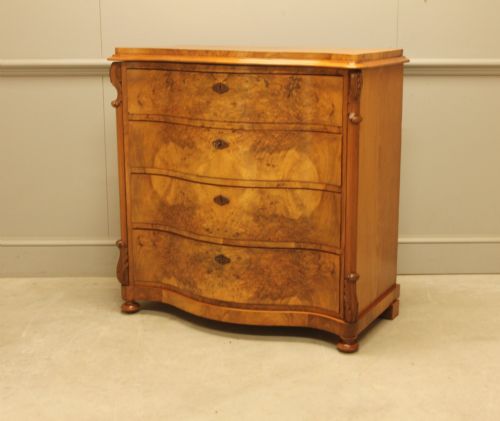
Cabinetmakers constructed these undulating facades using dense hardwoods such as mahogany and walnut, frequently applying burr walnut veneers to achieve complex grain patterns. Solid timbers were carefully selected and cut to accommodate the sweeping convex and concave curves without splitting.
Drawer fronts were shaped by hand, matching the complex contours of the cabinet carcass. Secondary timbers like oak and pine formed the drawer linings and internal framing.
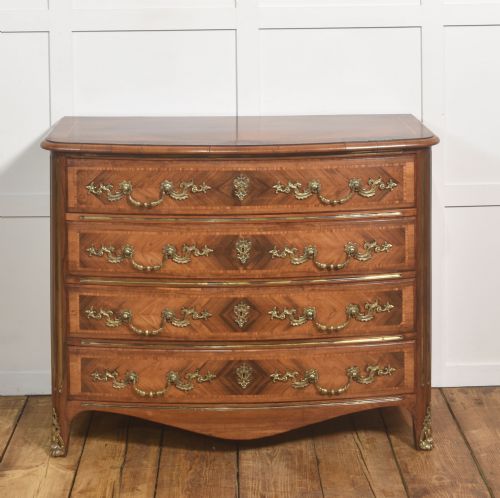
Decorative elements included crossbanding, stringing, and marquetry inlay, complemented by cast brass handles and escutcheons secured to the drawer faces.
Some miniature chests served as salesman samples to demonstrate curved joinery without carrying full-sized furniture on the road.
What Varies in Quality
The standard of timber selection and veneer matching defines the visual impact of a piece. Superior examples display continuous, symmetrical grain patterns that flow seamlessly across the undulating drawer fronts.
Construction precision dictates longevity, visible in the tightness of the dovetail joints and the smooth operation of the drawers within their curved housings. Carcass stability and the retention of original brass hardware further separate fine examples from standard production.
Maple and Co
The Serpentine Fronted Drawers Glossary
- Serpentine
- A front contour characterised by a central convex curve flanked by two concave curves. This silhouette demands precise woodworking to execute properly.
- Commode
- A low cabinet or chest of drawers, often applied to continental European forms from the eighteenth century. These pieces usually feature decorative veneers or painted finishes.
- Crossbanding
- A strip of veneer applied perpendicularly to the grain of the primary surface to form a decorative border. This technique frames the undulating drawer fronts.
- Biedermeier
- A central European style from the nineteenth century focusing on clean lines and utilitarian comfort. Pieces from this movement utilise native woods without excessive ornamentation.
- Tallboy
- A tall chest of drawers consisting of one chest stacked upon another. This form maximises vertical storage space while maintaining a compact footprint.
Serpentine Fronted Drawers: Frequently Asked Questions
Where were these pieces used?
These items served primarily as bedroom and parlour furniture for storing garments and linens. Their decorative presence also suited grand reception rooms and hallways.
Compact versions such as bedside tables and dressing mirrors functioned in intimate spaces alongside main sleeping quarters.
How do I care for wood surfaces?
Maintain timber by keeping pieces away from direct heat sources and fluctuating humidity. Apply traditional beeswax periodically to nourish the grain and protect the finish.
Avoid using modern silicone sprays or excessive moisture during routine cleaning.
How do I identify a Georgian piece?
Examine the internal construction methods, such as hand-cut dovetails on the drawer sides and the use of solid secondary timbers like oak. Eighteenth-century examples typically display proportional restraint and understated hardware.
Check for the characteristic weight and patina of aged mahogany or walnut timber.
What is burr walnut?
Burr walnut is a specialised wood veneer harvested from growth excrescences on walnut trees. It yields intricate, swirling grain patterns highly prized for luxury cabinet work.
Craftsmen applied these figured veneers to the curved drawer fronts to create striking visual depth.