

Serpentine Front Side Table
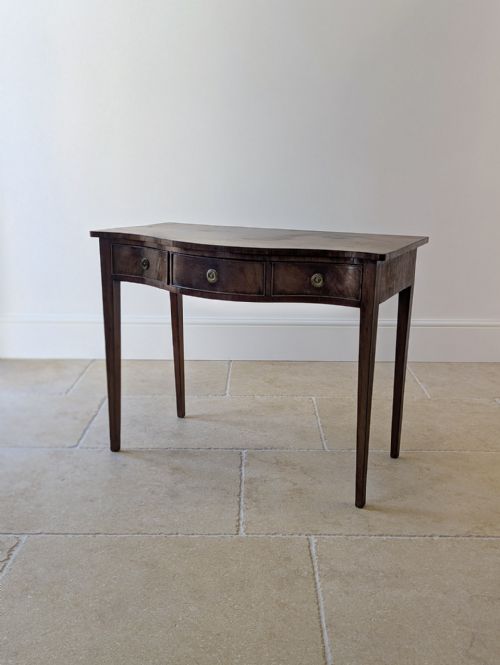
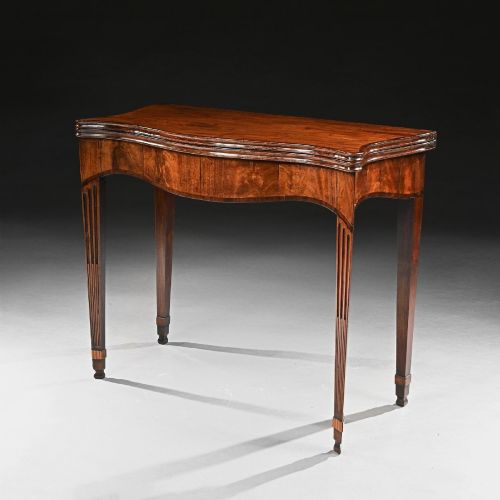
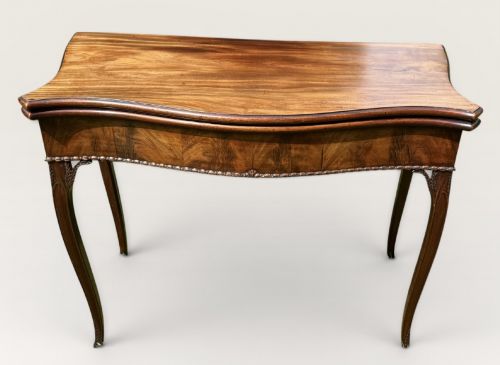
A serpentine front side table brings a fluid, undulating edge to a room, offering a distinct silhouette found across 18th-century Georgian and later revival periods.

Serpentine Front Side Table
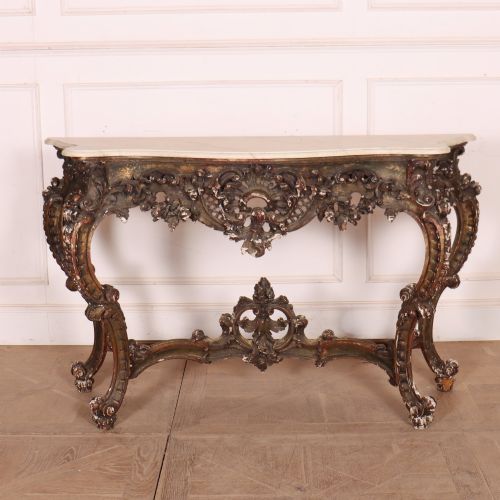
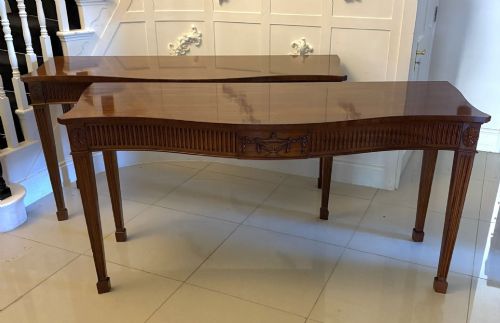
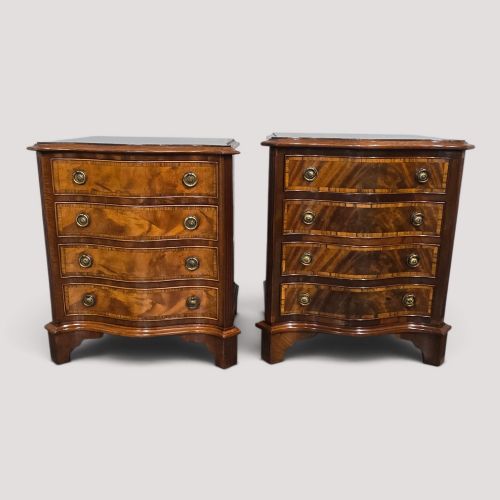
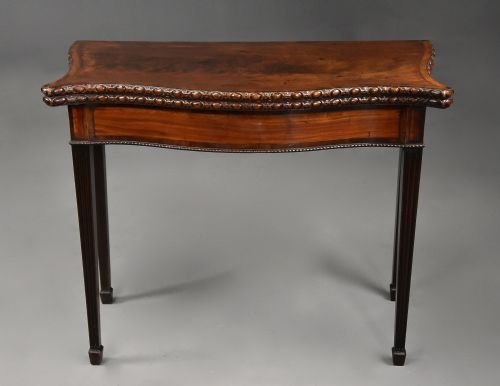
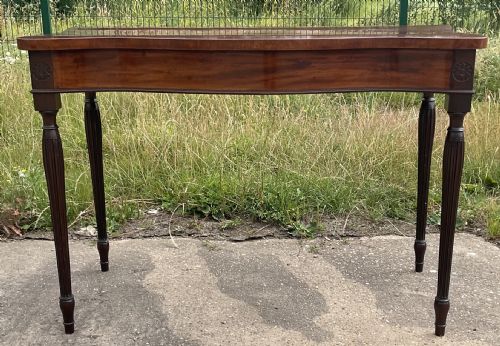
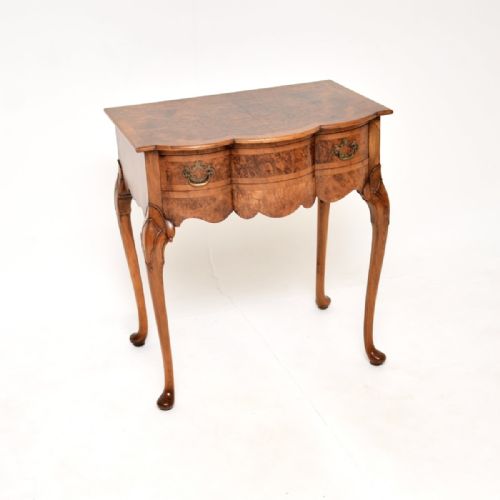
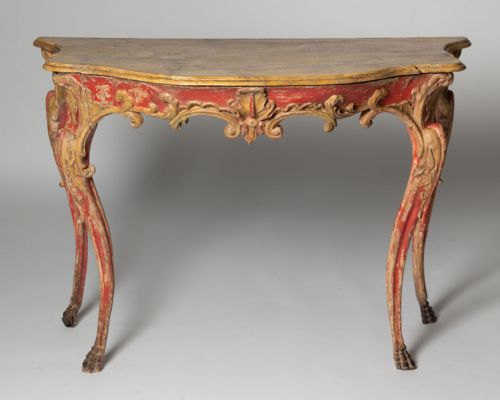
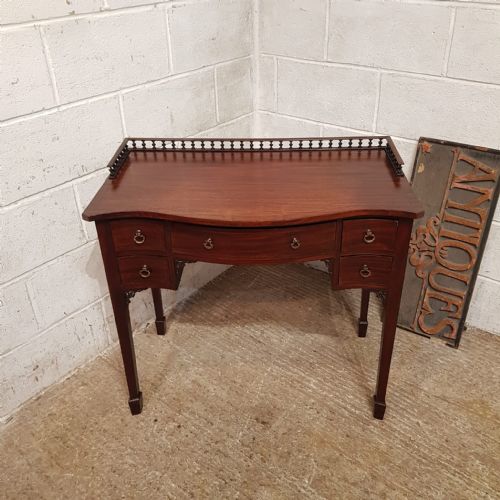
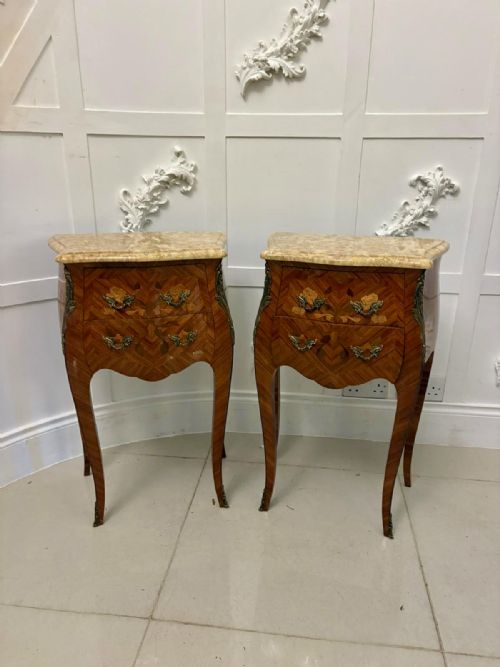
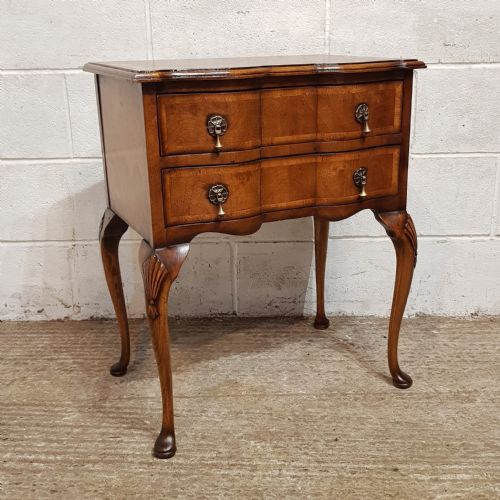
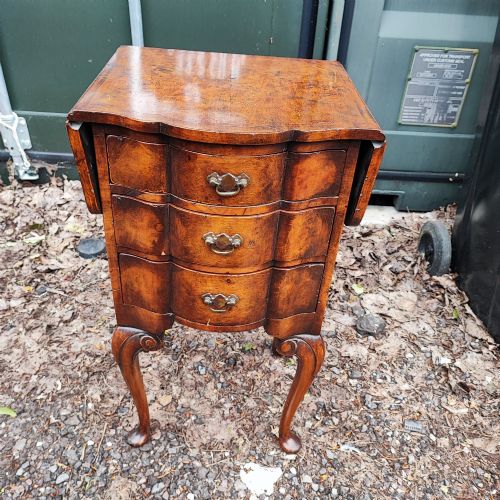
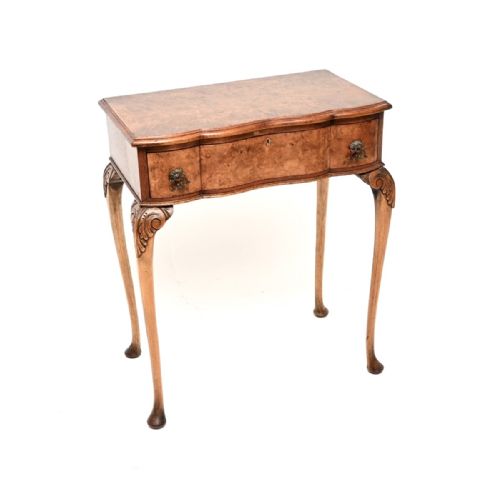
A serpentine front side table is defined by its curving front edge, sweeping inward and outward in a continuous wave. You will find this form executed as compact bedside lamp chests, serving tables, and card tables.
The pieces on this page span the Georgian period, the Edwardian era, and the early 20th century. Mahogany and burr walnut dominate the selection, often taking the form of console tables or writing desks.
How they were made
Cabinetmakers worked primarily in solid mahogany and walnut, frequently applying figured wood veneers to flat and curved surfaces alike. Marquetry inlay, brass hardware, and intricate carving appear on selected examples.
Constructing a serpentine curve required specialist skill to shape the solid timber framework and lay veneer smoothly over undulating fronts without buckling or lifting.
Serpentine Front Side Table Retail Price Guide 2026
Typical asking prices for serpentine front side table among the pieces listed under this phrase on Sellingantiques today, from the lower quarter to the upper quarter. They describe what is for sale here now, not the wider market.
Even card tables need to rest; these ones just do it with an undulating wave.
What varies in quality
Quality rests in the precision of the curved drawer fronts and the grain matching across the timber. Superior pieces exhibit crisp carving to the legs and frame rather than heavy or blunt detailing.
The depth of the original patina and the integrity of the timber movement over centuries distinguish standard examples from those of higher merit.
The Serpentine Front Side Table Glossary
- Serpentine front
- A furniture front characterised by a curving line, typically convex in the centre and concave at the sides. This shape demands expert carpentry to follow the undulating contour accurately.
- Console table
- A table designed to stand against a wall, frequently fixed with brackets. Many versions in this inventory feature the characteristic curved front edge.
- Patina
- The surface sheen and coloration developed by wood over years of handling and polishing. Good examples retain an unblemished, deep surface character.
- Marquetry
- Decorative patterns formed by inserting pieces of contrasting wood veneer into a background surface. It appears on Edwardian and French revival pieces.
- Card table
- A folding table intended for games, often featuring a baize-lined interior and a shaped top. Several period examples incorporate the curving front edge.
Serpentine Front Side Table: Frequently Asked Questions
What is a serpentine front side table?
A serpentine front side table is a piece of furniture featuring a distinctive curved front edge that sweeps inward and outward. These tables served various functions in period homes, functioning as serving surfaces, card tables, or hall furniture.
They appear in multiple timbers including mahogany and burr walnut. The curved design adds a decorative focal point to entrance halls, reception rooms, and bedrooms.
How do I date a serpentine table?
Dating relies on examining the timber species, construction methods, and hardware. Georgian examples typically show heavy mahogany framing with hand-cut dovetails.
Later Edwardian and early 20th-century revival pieces often utilise burr walnut veneers and machine-assisted construction techniques alongside period stylistic details.
Where should I place a console table?
Console tables fit well against flat walls in hallways, living rooms, or dining spaces. Their shallow depth allows them to sit comfortably in narrow passageways without blocking movement.
Pairing them with a mirror or a lamp creates a balanced display surface that highlights the curved front silhouette.
What woods were used for these tables?
Mahogany and walnut are the most common timbers found across these listings. Cabinetmakers also employed satinwood for contrasting marquetry inlay work.
Burr walnut appears frequently on Edwardian and later pieces, providing a highly figured grain pattern across the curved drawer and door fronts.