


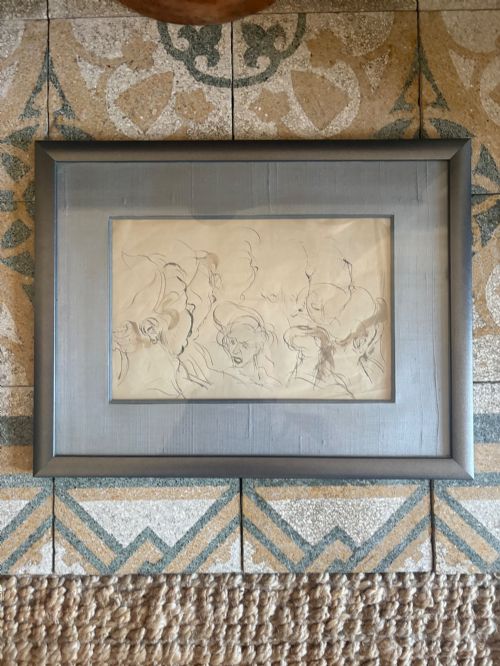


Sepia Paper Sketch
These delicate works on paper capture an artist's immediate observation, offering an intimate sepia paper sketch to hang on your wall.
Sepia Paper Sketch
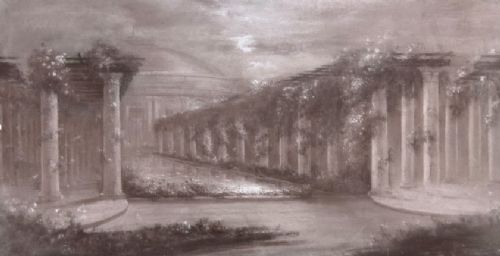
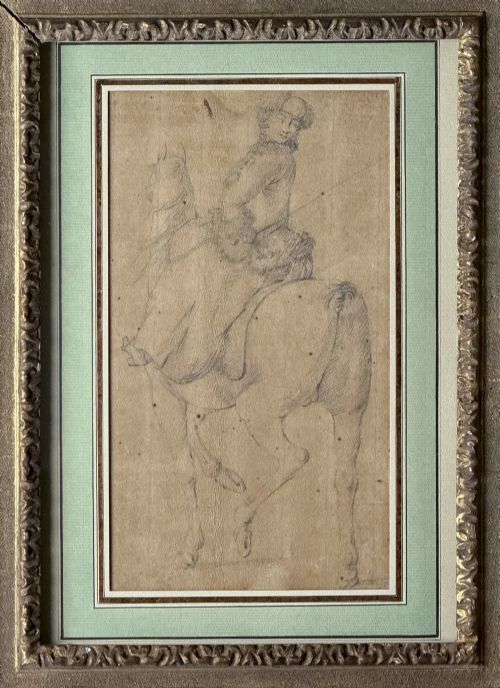
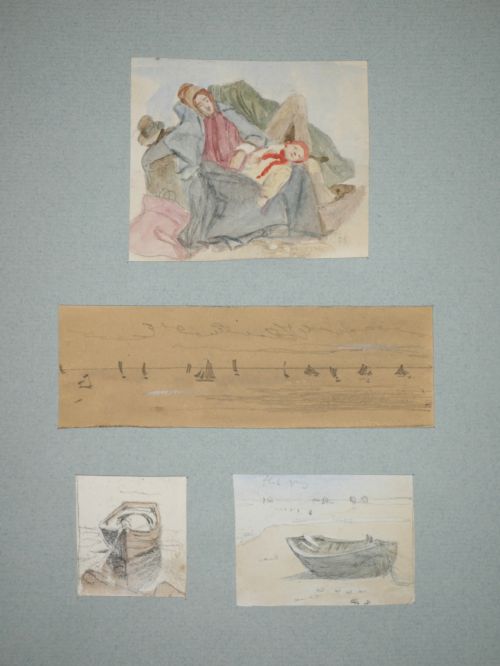
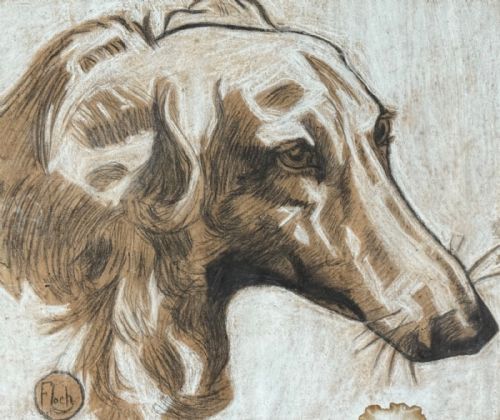
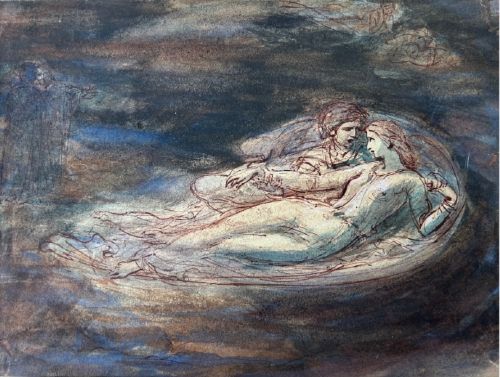
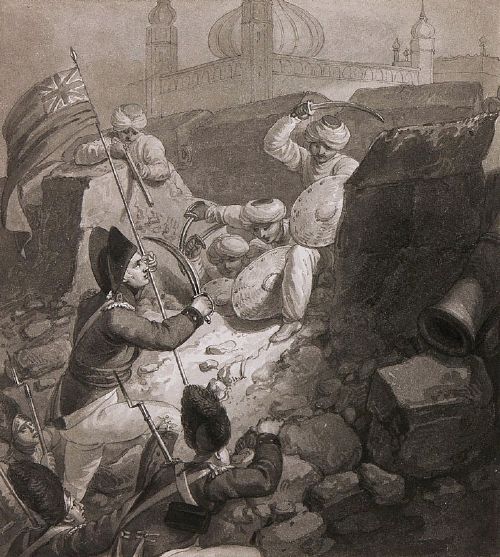
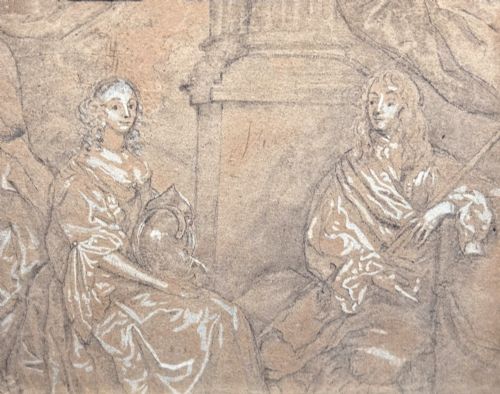
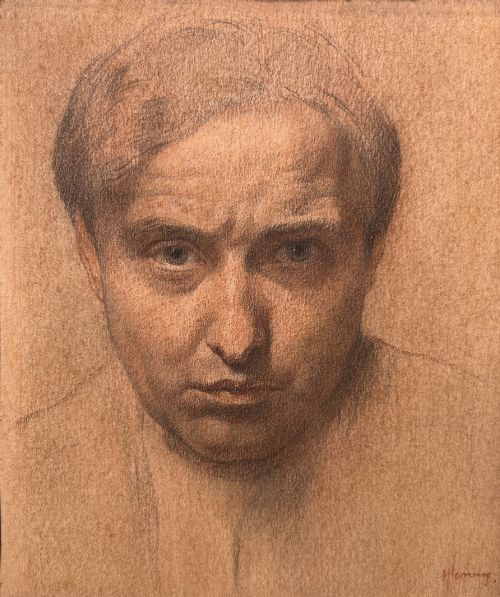
A sepia paper sketch comprises original works on paper executed in monochromatic tones, ranging from 17th-century studies to 20th-century modernist drawings. You will encounter architectural studies, military watercolours, and portrait sketches originating from British, French, and Italian schools across this selection.
Makers recorded in the evidence include named artists such as William Marshall Craig, James Smetham, and Lawrence Stephen Lowry alongside anonymous European and African school draftsmen. These pieces function as preparatory studies, finished portraits, and townscapes rendered through various historic drawing traditions.
How they were made
Draftsmen relied primarily on paper supports, sometimes buff or attached to canvas stretchers, applying mediums such as ink, wash, charcoal, graphite, and pencil. Wash techniques utilised liquid pigment diluted to achieve tonal depth, while chalk and charcoal provided immediate gestural marks.
Artists combined materials to build form, laying down pencil or ink lines before adding watercolour, gouache, or sepia washes for shading. Protective glass framing often preserves these fragile compositions against environmental degradation.
Materials recorded across the inventory include charcoal, graphite, ink, wash, watercolour, and gouache on diverse paper types.
What varies in quality
The sophistication of line and sureness of hand separate rapid academic exercises from fully realised masterworks. Confident draftsmanship reveals an artist's command over anatomy, perspective, and tonal graduation.
The survival of the paper support, the stability of the ink or wash, and the retention of original framing elements influence the integrity of the piece. Works retaining historic inscriptions, signatures, or provenance documentation carry greater historical weight.
William Marshall Craig·James Smetham·William Frederick Settle·Alfred Dehodencq·Michael Lyne·Hercules Brabazon Brabazon·Lawrence Stephen Lowry·Sir Francis Leggatt Chantrey·Fred Lawson·Theobald Chartran·Henri Josephe Hesse·Joseph Hansom
The Sepia Paper Sketch Glossary
- Wash
- A thin, transparent layer of diluted ink or watercolour applied with a brush to create tonal variations and shadows in a drawing.
- Preparatory study
- A preliminary drawing executed by an artist to plan composition, lighting, or form before beginning a larger painted or sculptural work.
- Buff paper
- A warm, pale yellowish-brown paper stock frequently utilised by draftsmen in the nineteenth and twentieth centuries to provide a neutral mid-tone background.
- Gouache
- An opaque watercolour medium containing pigment mixed with a binding agent and white filler, producing a heavier, matte surface.
- Academic life study
- A drawing of a nude model, typically produced within a formal art school setting to train students in human anatomy and proportion.
Sepia Paper Sketch: Frequently Asked Questions
What is a sepia sketch?
A sepia sketch is a monochrome drawing executed in brownish pigments derived from cuttlefish ink or similar tones. These works capture direct artistic impressions on paper supports.
Artists utilised these monochromatic tones to focus purely on shadow, light, and line without the distraction of colour. They served as quick notations or finished compositional pieces alike.
How should I frame works on paper?
Works on paper require conservation-grade framing behind glass to prevent atmospheric damage and fading. Acid-free mounts keep the delicate paper surface from touching the glazing directly.
Keeping these pieces away from direct sunlight preserves the fugitive inks and watercolours used by the artists. Proper sealing protects the paper from moisture and dust accumulation over time.
How do I identify the period of a drawing?
Dating relies on stylistic markers, costume details, watermarks within the paper, and any inscribed signatures or dates. Academic drawings often follow specific institutional training methods characteristic of their century.
Examining the medium and preparation of the paper sheet offers further chronological clues. Comparative study with known works by recorded schools helps narrow down the origin.
Were these sketches meant to be finished art?
Many surviving drawings were created as preparatory studies for larger paintings or architectural projects rather than final exhibition pieces. Artists valued them as working records of a pose, building, or landscape.
Other examples, particularly portraiture and townscapes, were complete works intended for presentation or sale. Both types offer direct insight into the maker's working method.