


Sepia Paper Painting
A sepia paper painting brings tonal depth and monochrome warmth to a wall, offering a direct window into historical technique and subject matter.
Sepia Paper Painting
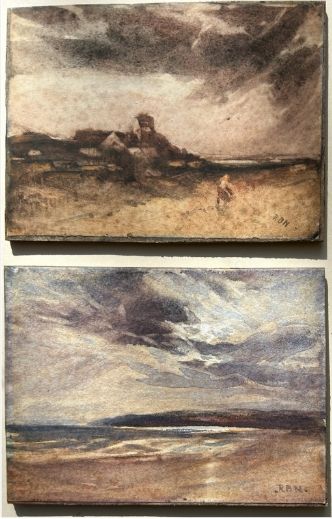
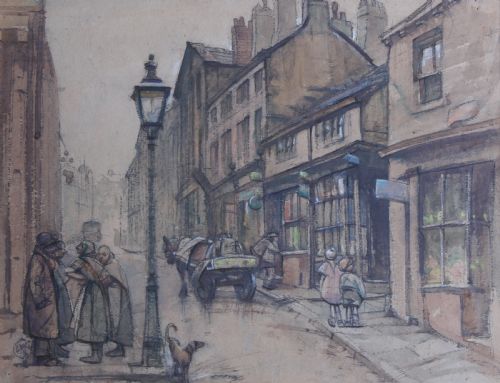
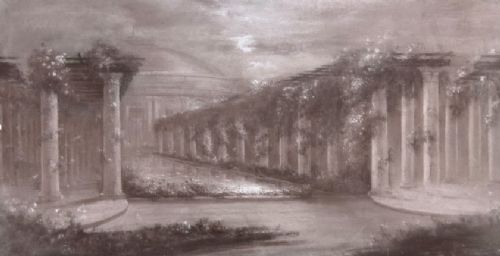
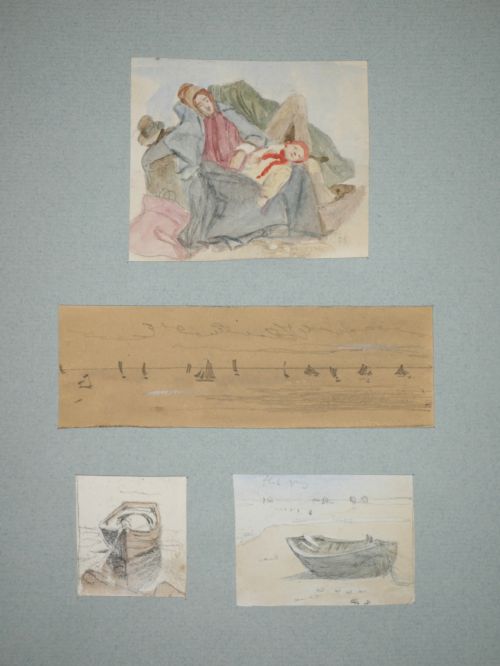
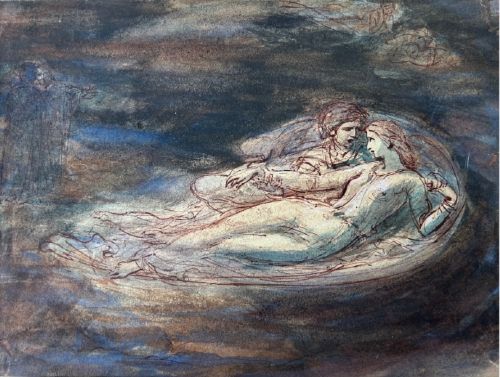
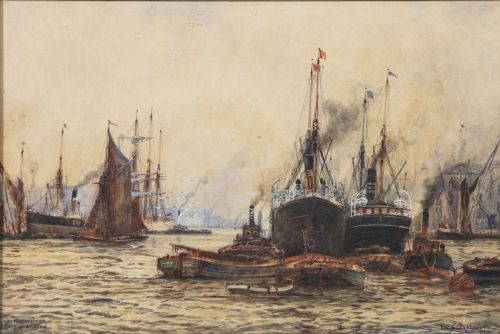
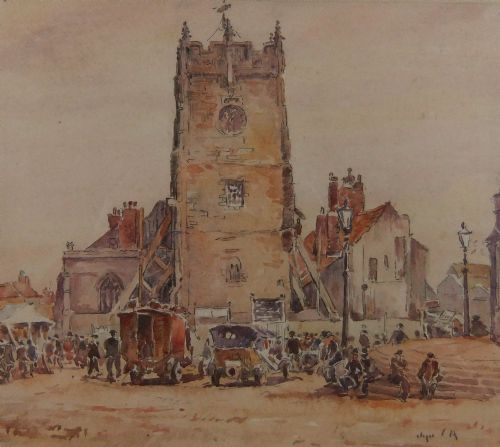
A sepia paper painting typically appears as a delicate watercolour, ink, or wash executed on paper surfaces dating from the eighteenth century through to the mid-twentieth century. Collectors seeking a sepia paper painting frequently encounter works depicting maritime scenes, coastal harbours, architectural studies, and topographical landscapes from Victorian, Edwardian, and Georgian periods.
The works span diverse regional British and European schools, capturing domestic streetscapes, military views, and figurative compositions. Many examples integrate mixed media such as pencil, gouache, and charcoal alongside monochrome pigment to build form and atmospheric shadow.
Materials and execution
Makers laid their compositions upon absorbent paper supports, applying water-soluble pigments, ink washes, and charcoal to achieve subtle tonal graduation. Pigments derived from natural sources bonded directly with the paper fibres, while supplementary pen or brush lines defined structural contours.
Framing behind glass protected these fragile works from moisture and atmospheric degradation, preserving the delicate balance of ink and watercolour pigment across centuries.
Even a quiet riverside sketch preserves the exact weather of a Tuesday in eighteen-fifty.
Evaluating quality and execution
Quality rests upon the sureness of the draughtsmanship and the artist's ability to manipulate monochrome tones for atmospheric depth rather than relying on heavy colour. Strong compositional balance and confident handling of wash distinguish superior examples from stiff or formulaic topographical sketches.
The preservation of the paper support and the clarity of the ink or pigment layers heavily influence desirability. Tonal richness that remains unfaded and crisp highlights superior historic materials.
James Smetham·William Frederick Settle·Charles James Lauder·George Arthur Fripp·Leslie Rackham·Henry Barlow Carter·Hercules Brabazon Brabazon·W Tatton Winter·Thomas Clavering Alder·Dame Laura Knight·Fred Lawson·George De Paris
The Sepia Paper Painting Glossary
- Wash
- A thin, semi-transparent layer of diluted watercolour pigment or ink spread evenly across paper to create shadow and sky effects.
- Topography
- The detailed mapping or visual recording of specific geographical locations, towns, and architectural landmarks.
- Gouache
- An opaque water-soluble paint often combined with transparent watercolour to add highlights and solid areas of tone.
- Charcoal
- A dry drawing material made from burnt organic matter, utilised for swift sketching and deep dark lines.
- Support
- The physical base material, such as paper or canvas stretcher, upon which the artist applies the artwork.
Sepia Paper Painting: Frequently Asked Questions
How should I hang a paper painting?
Position these works away from direct sunlight to prevent the ink and paper from fading over time. Ensure the room maintains stable humidity levels to protect the paper support from warping inside its frame.
Keep the backing sealed and avoid placing them on exterior walls where dampness can accumulate behind the glass.
What subjects appear most often?
Marine scenes, coastal harbours, and historic British townscapes dominate the available selection. Artists frequently recorded local architecture, rural landscapes, and architectural studies during their travels.
Figurative sketches and military compositions also emerge among eighteenth and nineteenth-century examples.
Are these works signed by artists?
Many examples feature artist signatures, initials, or contemporary inscriptions written directly onto the paper margin or mount. Unsigned pieces frequently emerge from specific regional British schools or historic anonymous portfolios.
Attributions often rely on stylistic comparison, subject matter, and period documentation recorded on the reverse of the frame.
How do I identify the period?
Stylistic cues such as Georgian costume, Victorian architectural detailing, and Edwardian maritime subjects offer immediate clues to the date of execution. Paper types, framing methods, and handwritten inscriptions on the backing further clarify the era.
Comparing the handling of wash and ink to established artists from the same decade confirms the historical timeframe.