


Secretary Bureau Desk
Secretary bureau desk designs combine a writing surface with concealed drawers and shelving, offering practical workspace and elegant storage for any room.
Secretary Bureau Desk
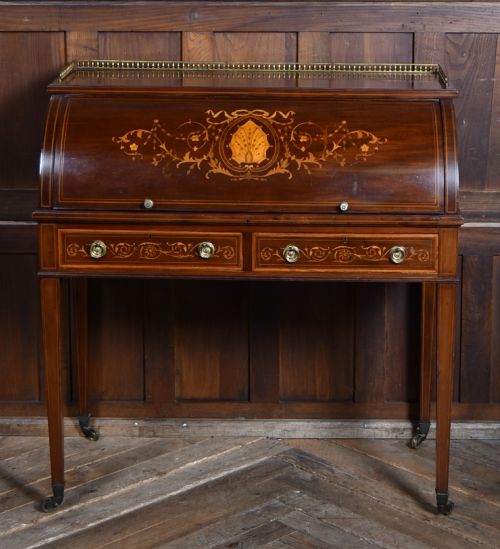
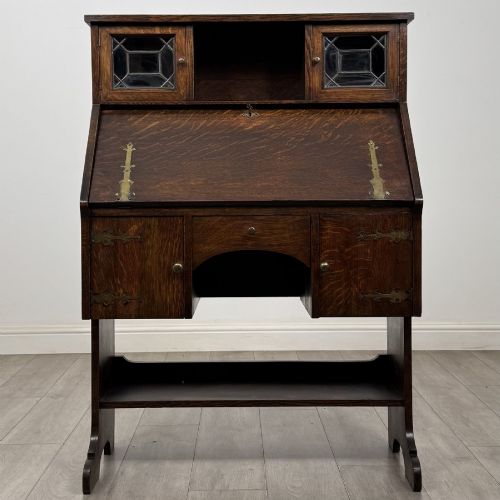
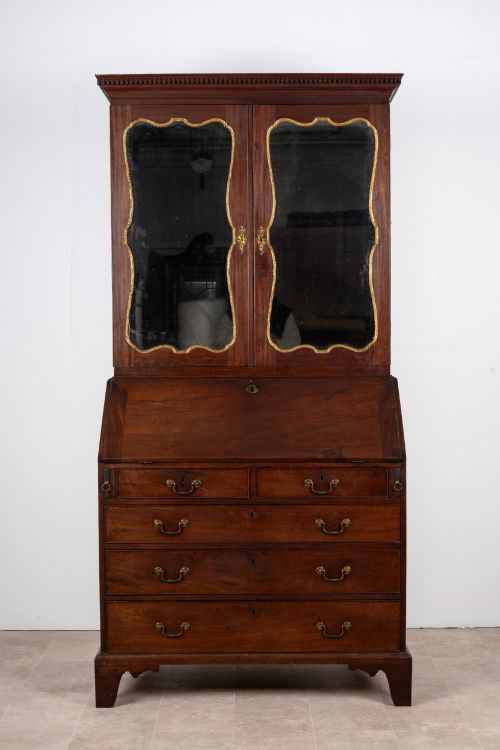
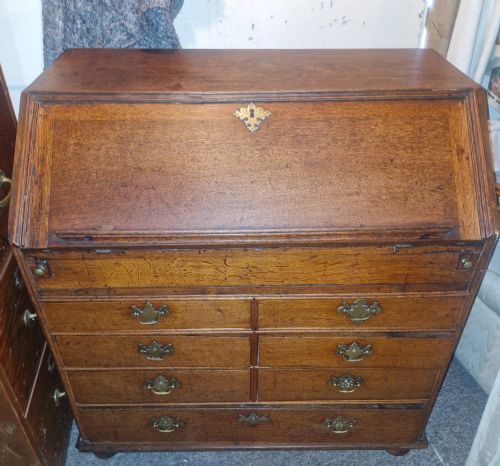
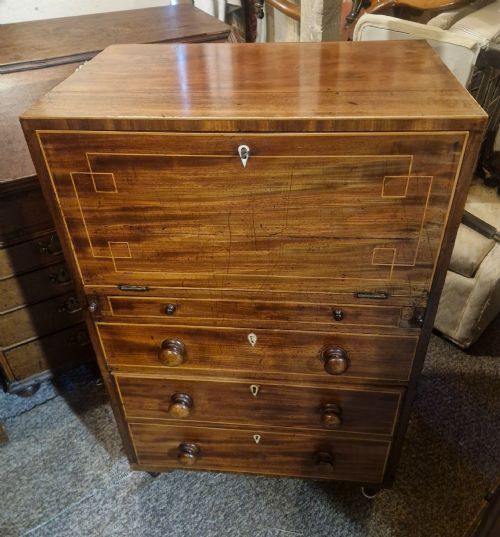
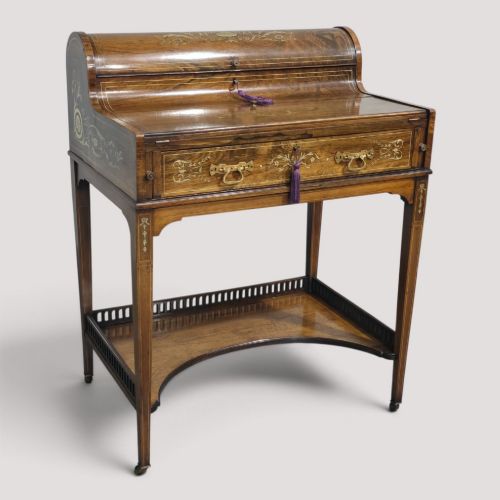
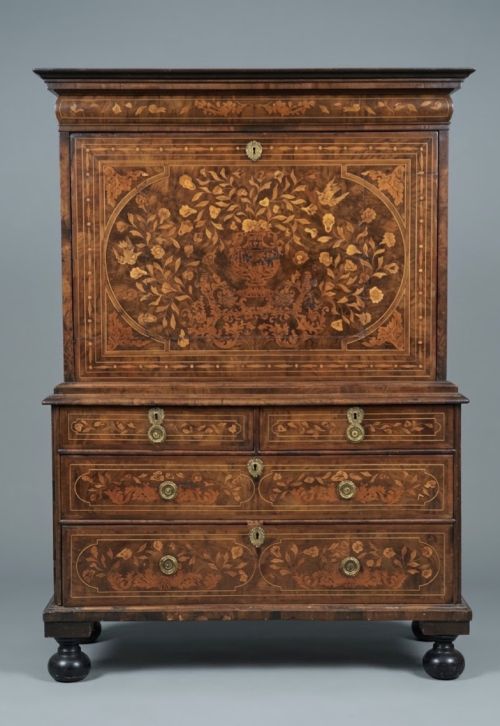
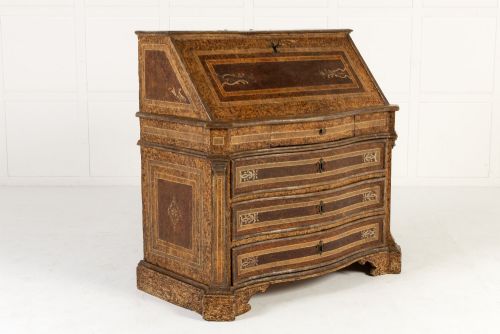
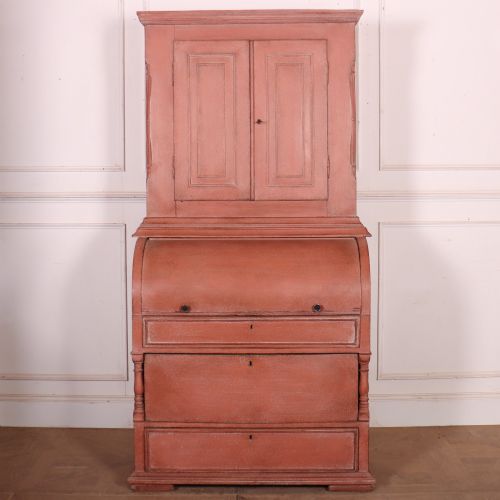
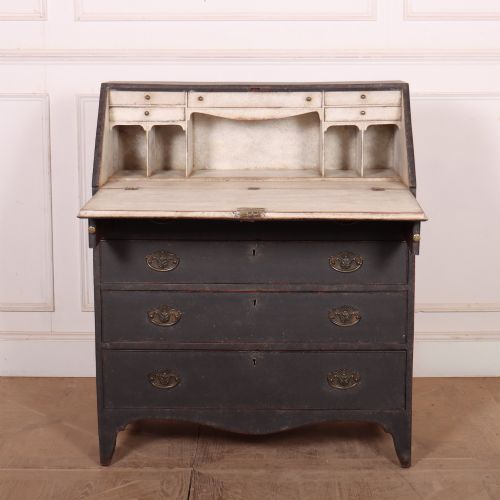
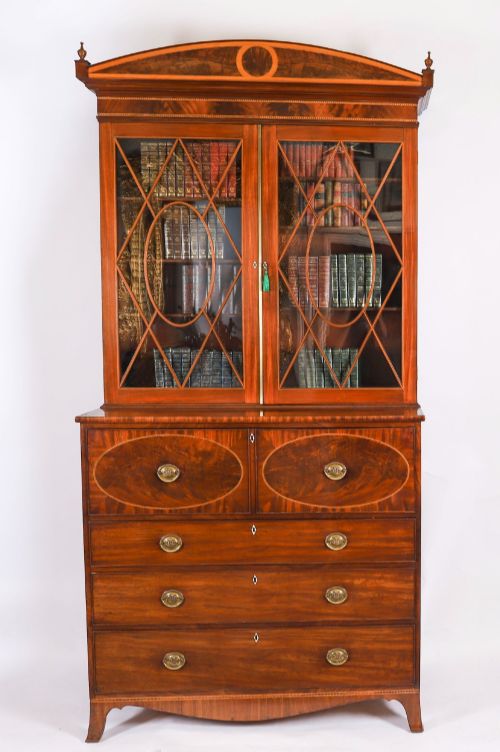
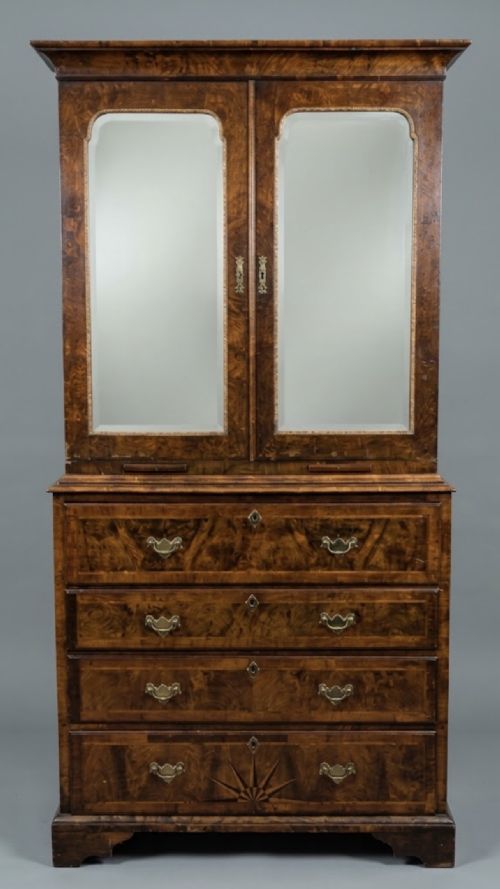
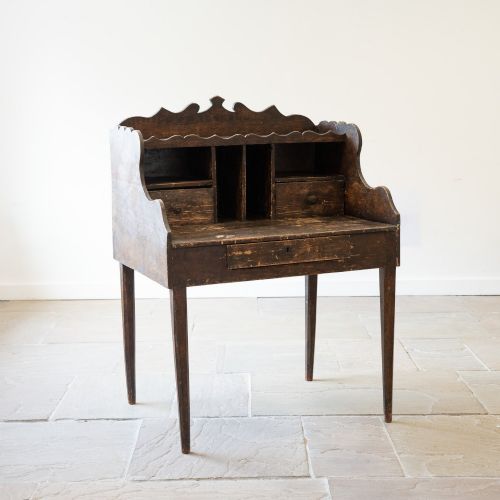
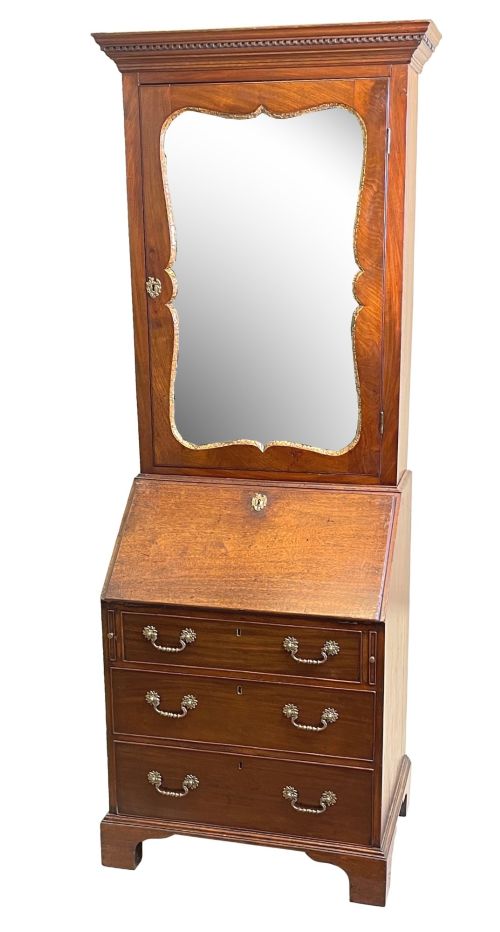
A secretary bureau desk unites a drop-front or sliding writing flap with compartments for correspondence, often surmounted by a glazed or panelled bookcase section. Buyers examining this page encounter diverse formats ranging from compact freestanding writing tables to towering two-part library cabinets.
The pieces span multiple centuries, with 18th-century walnut and mahogany examples appearing alongside Victorian walnut writing desks, Edwardian inlaid items, and 1920s oak variations. Georgian and Regency pieces dominate the earlier periods, showing refined proportions and fitted internal drawers.
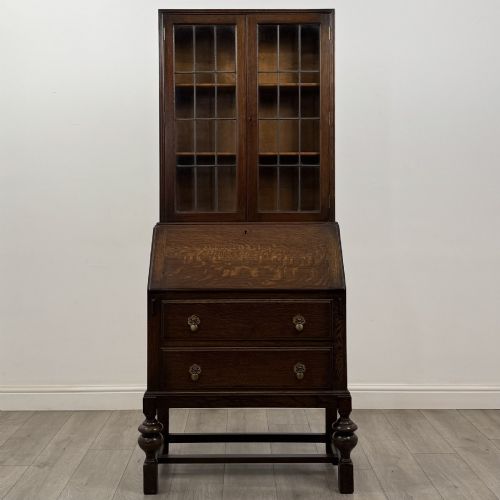
French regional pieces also appear, including kingwood escritoires, ormolu-mounted desks, and marble-topped secretaire à abattant variants. Alongside these stand simpler Jacobean revival oak bureau bookcases with barley twist legs and leaded glass doors.
Materials and construction methods
Cabinetmakers utilised dense hardwoods such as mahogany, walnut, and oak as structural foundations, frequently applying burr walnut, flame mahogany, satinwood, or kingwood veneers to external surfaces. Decorative marquetry and parquetry geometric patterns appear across French and English items.
Internal components incorporate small pigeonholes, secret compartments, and central document cupboards constructed from secondary timbers. Brass hardware, candle slides, and leaded glass panes complete the assembly of the larger bookcase variants.
Secretary Bureau Desk Retail Price Guide 2026
Typical asking prices for secretary bureau desk among the pieces listed under this phrase on Sellingantiques today, from the lower quarter to the upper quarter. They describe what is for sale here now, not the wider market.
Listings feature woods including mahogany, walnut, burr walnut, satinwood, oak, and kingwood across periods from the 17th century to Art Deco.
Factors of distinction
The hierarchy of these pieces rests on the choice of timber figure, the intricacy of internal pigeonhole arrangements, and the integrity of original veneers. Higher grade examples display carefully matched grain patterns, such as herringbone inlay or figured burr walnut, across the fall front and drawer faces.
Structural refinement also separates standard production from superior workshops, visible in the smooth movement of internal secret drawers and the precision of dovetail joints. Glazed upper doors with hand-blown glass panes and original brass mounts further elevate the standing of a piece.
E Gomme
The Secretary Bureau Desk Glossary
- Secretaire
- A piece of furniture containing a drawer or drop-front panel that folds down to reveal a writing surface and fitted interior. This term often interchanges with bureau in historical descriptions.
- Fall front
- A hinged writing flap that closes vertically to conceal the internal pigeonholes and drawers. When lowered, it rests horizontally to provide a desk surface.
- Escritoire
- A light writing cabinet or desk, typically French in origin, featuring a drop-front flap and delicate decorative veneers. These items often include ormolu mounts and parquetry details.
- Bonheur du jour
- A small ladies writing desk featuring a set of small drawers or shelves on top of the main writing surface. They frequently stand on slender legs and date from the nineteenth century.
- Candle slide
- A pull-out wooden board mounted beneath the writing flap to hold candlesticks for illumination. They provide light without risking wax drips on the desk surface.
Secretary Bureau Desk: Frequently Asked Questions
What is a secretary bureau desk?
A secretary bureau desk is a dual-purpose piece of furniture featuring a writing flap that opens to reveal small drawers and pigeonholes. Many versions also include shelving enclosed by wooden or glass doors above the desk section.
These items evolved to handle correspondence and document storage while keeping private papers concealed behind a locked fall front when not in use.
How do you use a secretary bureau desk today?
Today these desks function effectively as compact home office workspaces or living room writing stations. The drop-down flap provides a sturdy surface for a laptop or notebook.
When work finishes, simply close the flap to hide papers and maintain a tidy, uncluttered room appearance.
How do you identify an 18th-century bureau?
Eighteenth-century examples typically display solid secondary timbers, hand-cut dovetails on internal drawer sides, and rich timber patination developed over generations. The internal layouts often feature curved secret compartments and well-figured walnut or mahogany veneers.
Construction details on the back panels and drawer linings help distinguish these early pieces from later revival items.
What is the difference between a bureau and a secretaire bookcase?
A traditional bureau consists of a desk base with a sloping or vertical drop-front, whereas a secretaire bookcase incorporates an upper shelving unit designed for books. The secretaire variant merges a library bookcase with a concealed writing compartment in the central section.