
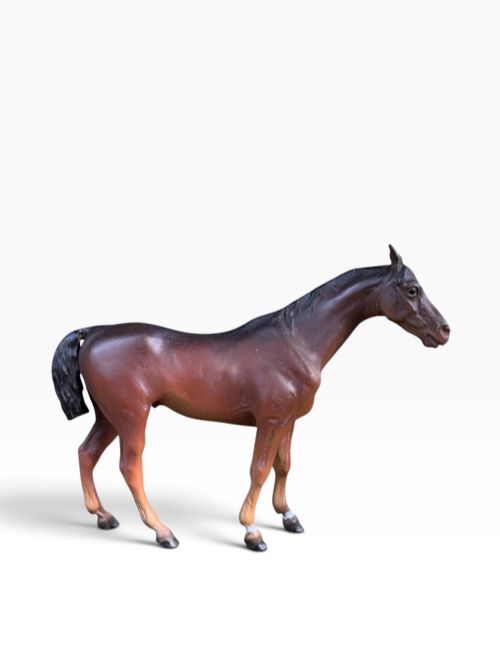
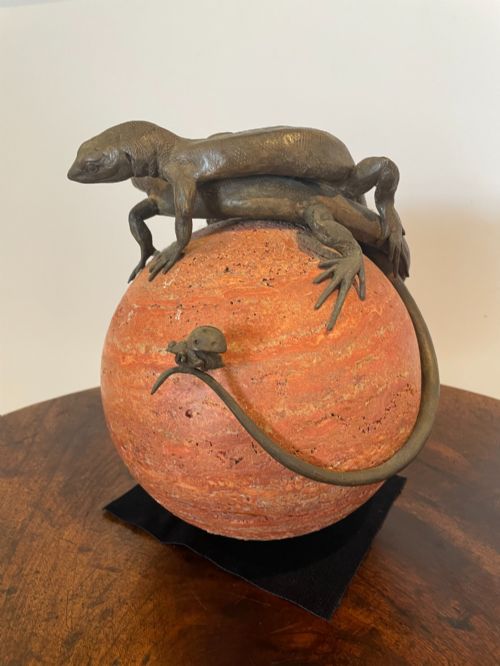
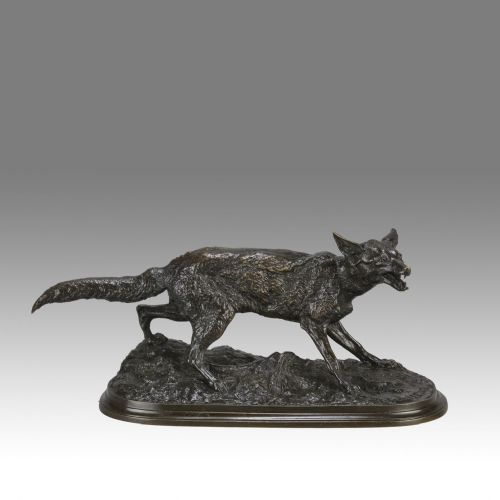
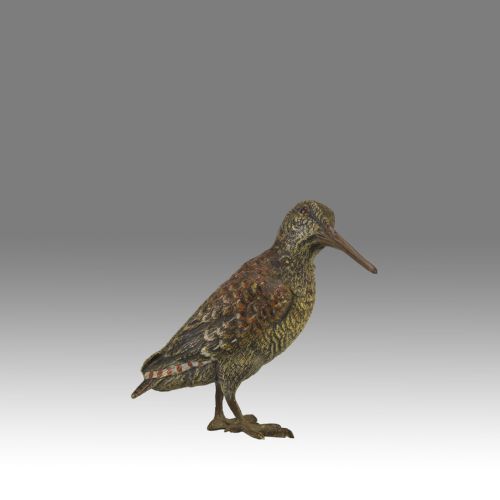
Sculptured Bronze Animal
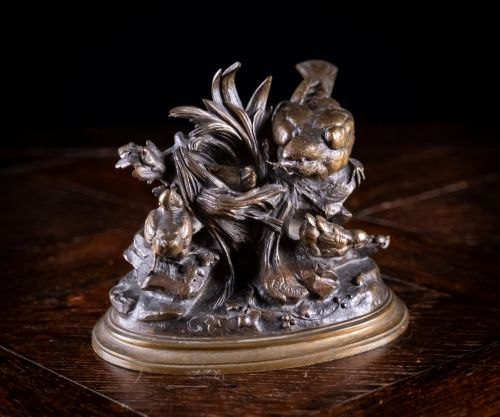
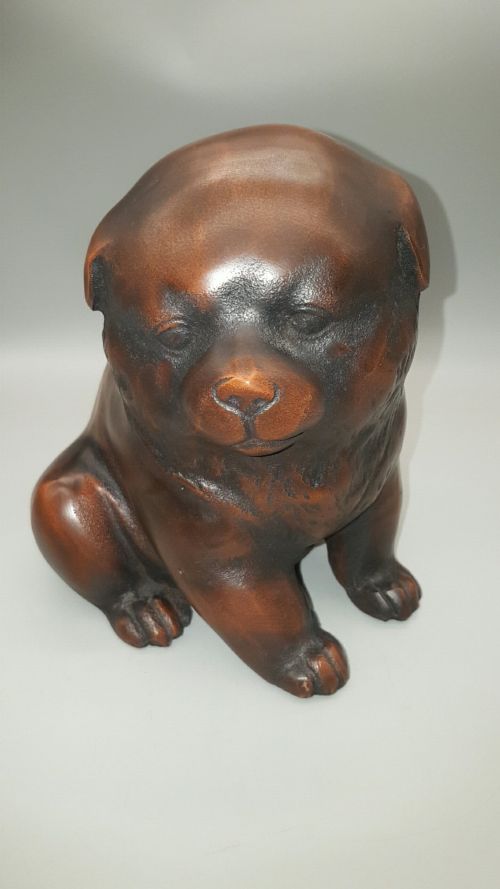
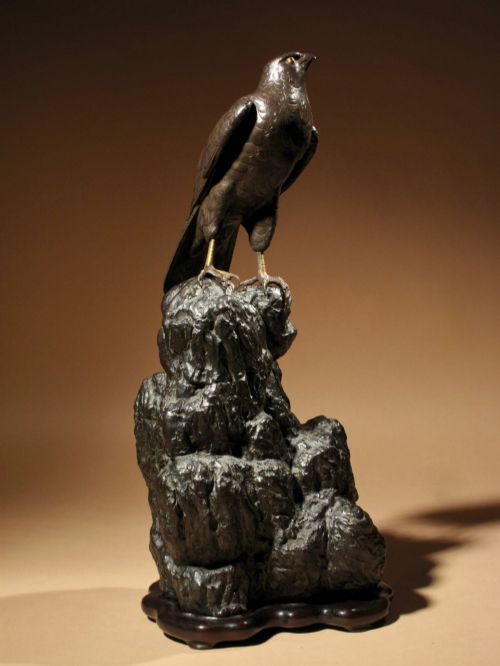
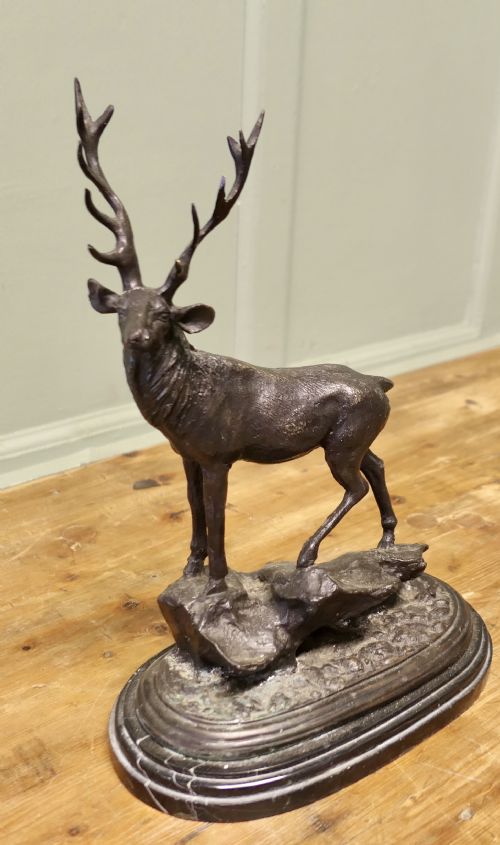
When you search for a sculptured bronze animal, you enter a diverse field of metal figures spanning European animalier schools, Austrian cold-painted works, and Japanese Meiji period okimono.
Sculptured Bronze Animal
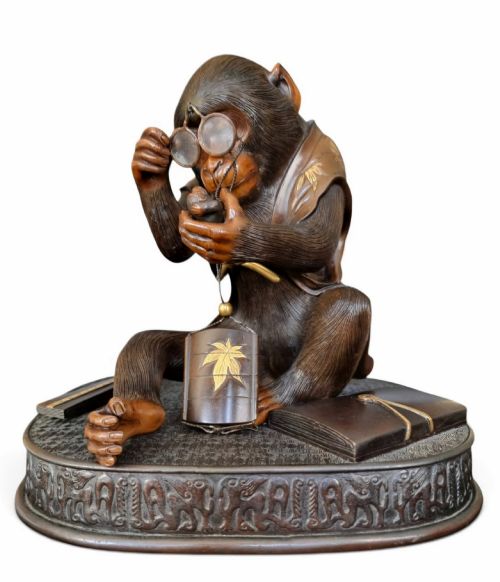
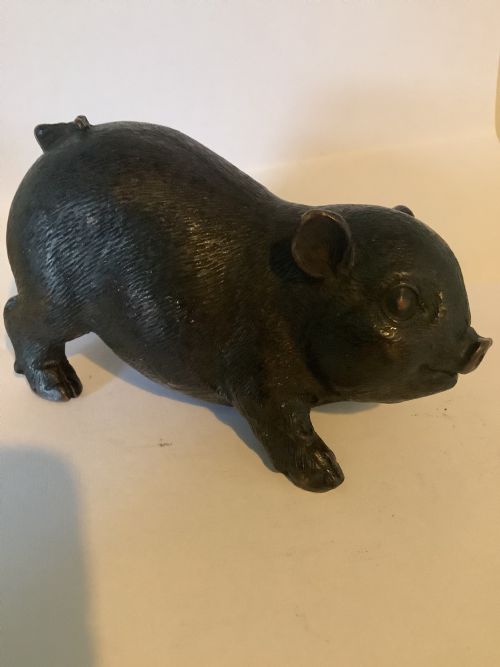
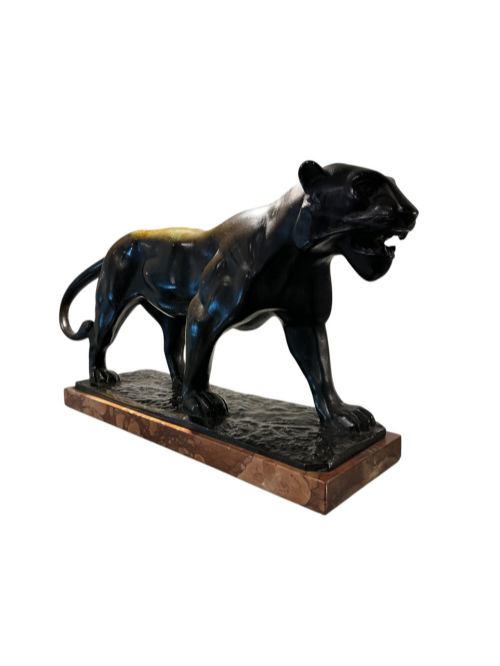
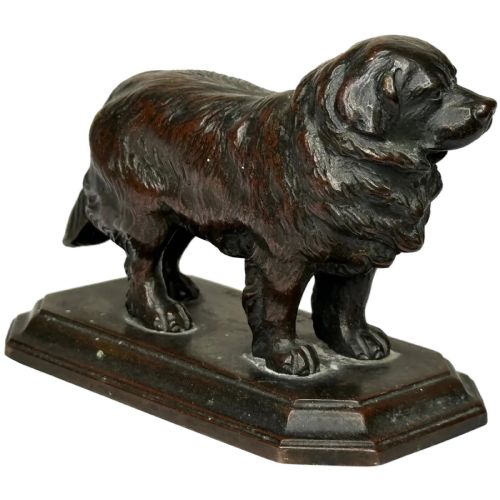
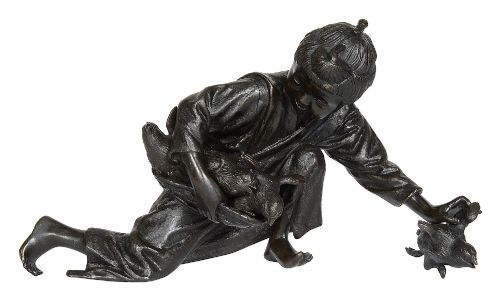
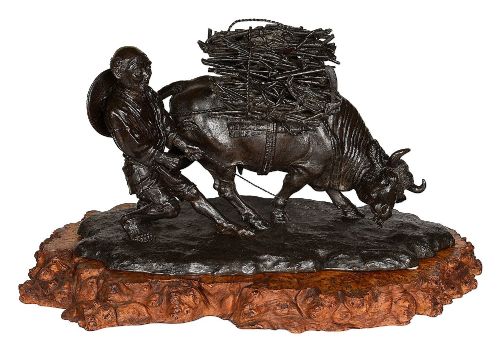
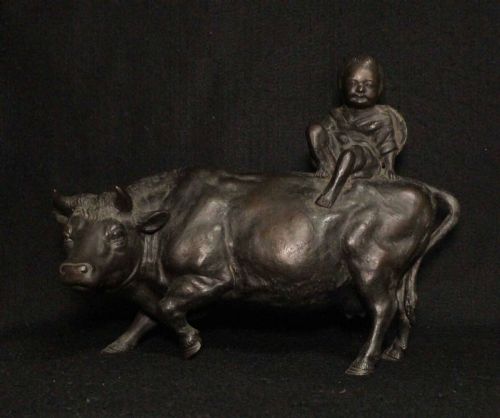
A sculptured bronze animal encompasses a wide array of metalwork forms, ranging from European animalier studies of lions and hounds to Japanese Meiji period okimono depicting monkeys, elephants, and oxen. The selections span the nineteenth and twentieth centuries, including Art Deco panthers, bookends, and small desk ornaments.
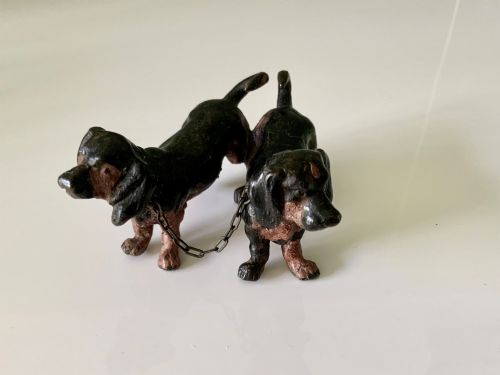
European makers often focused on naturalistic anatomical tension in predators and domestic livestock, while Austrian workshops specialised in vibrant cold-painted surfaces on birds and dogs. Japanese metalworkers captured daily scenes and mythical beasts like the pixiu dragon with intricate detail and mixed-metal accents.
How they were made
Foundry casting formed the primary method for these metal figures, utilising bronze alloys shaped through traditional techniques before receiving hand-finished patination. Many Austrian pieces required meticulous cold-painting over the metallic surface, applying pigments that settled into the textured contours.
Selected works incorporate mixed metals, ivory tusks, or diamond eyes, mounted upon bases of marble, onyx, or naturalistic bronze rock formations. Engraving and chiselling added fine surface detail to fur, feathers, and harnesses after the initial cast cooled.
Materials recorded across the inventory include bronze, paint, marble, wood, onyx, ivory, and cold-painted bronze.
What varies in quality
Quality rests upon the crispness of the casting and the sensitivity of the finishing hand, distinguishing mass production from works shaped by recognised animalier sculptors or master bronze-smiths. The retention of original cold-painted colour or rich patination dictates the visual impact of the piece.
The integration of secondary materials, such as marble plinths, onyx bases, or inlaid eyes, contributes to the overall cohesion of the sculpture. Stronger compositions capture anatomical movement and character rather than static reproduction.
P J Mêne·Franz Bergman·Alexandre Ouline·Antoine Louis Barye·Christophe Fratin·Tsunemitsu·Masaaki·Kunio Itô
The Sculptured Bronze Animal Glossary
- Animalier
- A nineteenth-century European art movement dedicated to the realistic portrayal of animals. Sculptors in this tradition focused closely on anatomical precision.
- Cold-painted bronze
- A technique where bronze figures were painted with cold enamel paints rather than fired in a kiln. The vibrant pigments often show wear from handling over time.
- Okimono
- A Japanese decorative object designed for display on a shelf or in a tokonoma alcove. These figures frequently depict animals, folk characters, or daily labour.
- Patination
- The chemical or natural ageing process that alters the surface colour of bronze. A deliberate patina enhances the depth and texture of the metal.
Sculptured Bronze Animal: Frequently Asked Questions
What is an animalier bronze?
An animalier bronze is a nineteenth-century sculpture focusing specifically on the realistic or dramatic portrayal of animals, dogs, and livestock.
These works were produced extensively in France and Britain by artists who studied anatomy closely.
How do I care for cold-painted bronze?
Cold-painted bronze requires gentle dusting with a soft, dry cloth and protection from direct sunlight and moisture.
The enamel paints used in this technique are delicate and can flake if exposed to liquid or harsh cleaning.
What is a Meiji period okimono?
A Meiji period okimono is a Japanese decorative sculpture created during the late nineteenth or early twentieth century.
These pieces often depict animals, workers, or mythical subjects cast in bronze with meticulous surface detail.
Are marble bases original to these sculptures?
Many nineteenth and twentieth-century bronze figures were mounted on marble or onyx bases by the foundry to provide stability.
Such bases are typical for Art Deco and animalier works designed for desk or mantel display.