


Sculpture Table Light
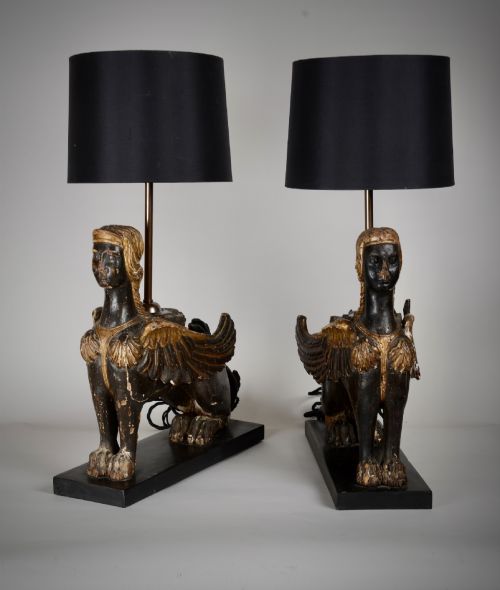
A sculpture table light combines fine figurative casting with domestic illumination, bringing three-dimensional figures and classical motifs directly onto a sideboard or desk.
Sculpture Table Light
When you search for a sculpture table light, you encounter figural works that merge decorative sculpture with functional illumination, spanning the nineteenth century through the Art Deco era.
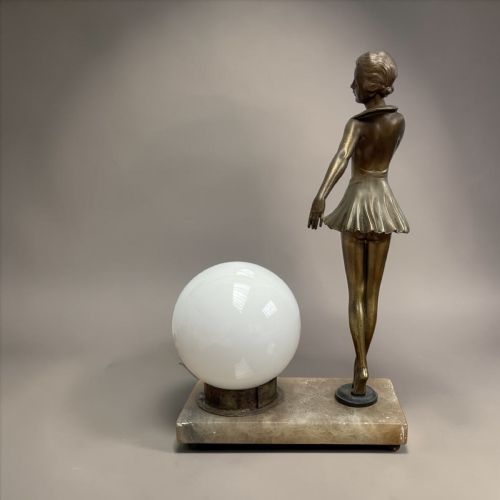
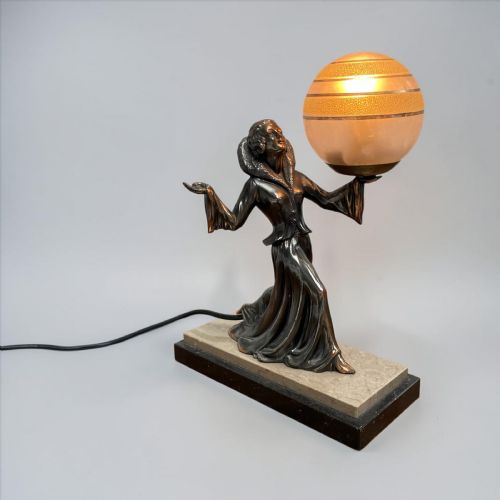
The selections on this page are heavily represented by nineteenth-century bronze and spelter figures, alongside Art Deco lady lamps and animal night lights.
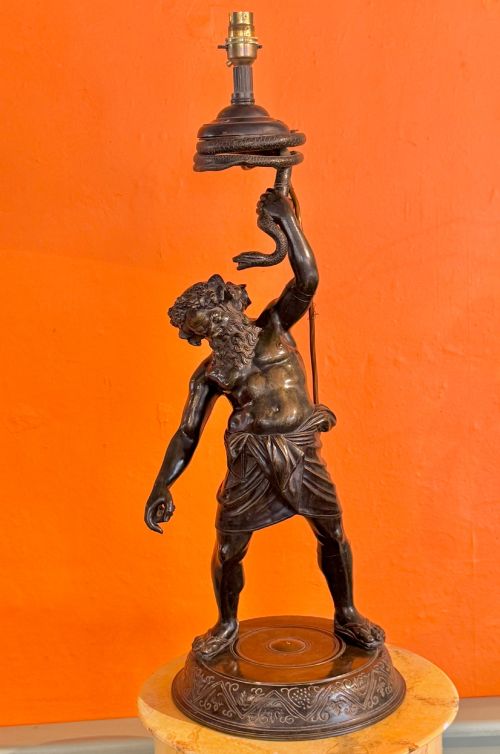
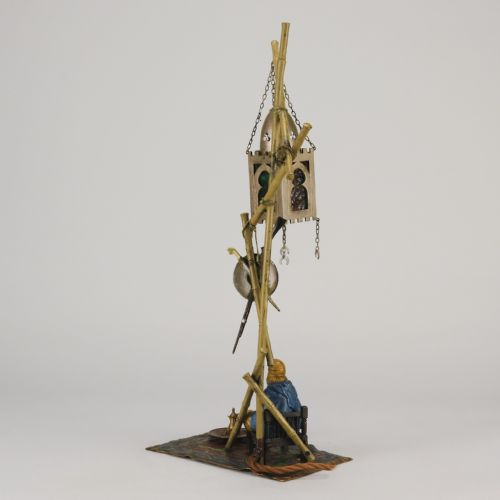
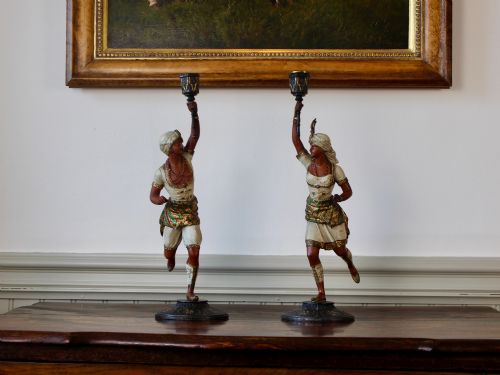
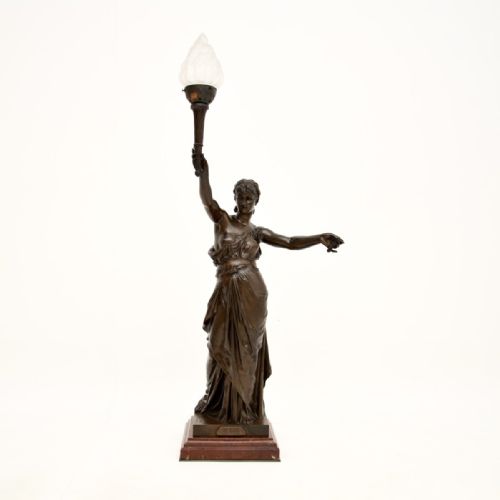
Many examples originate from French foundries, depicting classical deities, historical figures, orientalist subjects, and mythological characters adapted into lamps or candelabra conversions.
Materials and Casting Methods
The pieces rely on cast bronze, patinated or cold-painted spelter, and ormolu, frequently mounted onto heavy marble or granite plinths for stability.
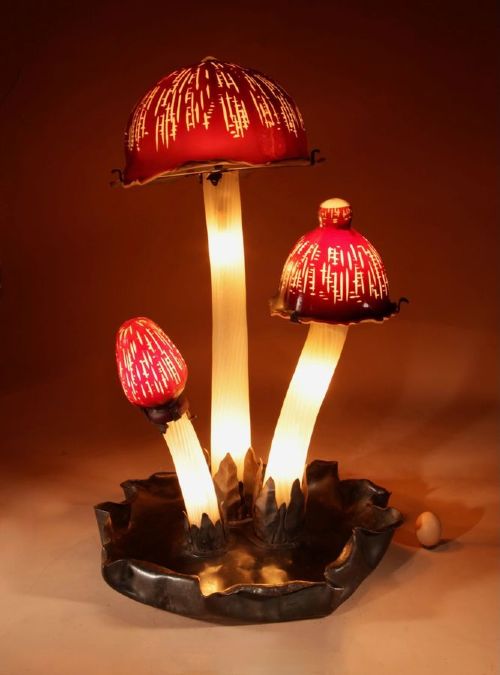
Details are often enhanced through cold-painting techniques, silvering, or the integration of carved root wood and glass shades such as frosted or mottled opaline.
Materials span cast bronze, spelter, marble, carved root wood, and frosted glass across the nineteenth and early twentieth centuries.
Judging Quality in Figural Lighting
Quality rests upon the crispness of the original metal casting and the depth of the chased surface detail, separating master foundry output from commercial reproductions.
The integrity of the patina, whether cold-painted pigments or aged bronze tones, dictates the visual success of the sculpture.
The harmony between the figurative sculpture and its base, often marble or carved wood, reveals the intentionality of the original design.
G. Amodio·Franz Bergman·Emile Picault·Argilor·Ivan Zaiec·Jean-Jules Cambos·H. Moreau·Aug. Moreau·Bruno Zach·P.Sega·Henri Honore Ple·Adrien Gaudez·Auguste Moreau
The Sculpture Table Light Glossary
- Spelter
- An alloy of zinc and lead or copper used as an economical alternative to bronze. It takes patination well and mimics heavier metals in nineteenth-century figural casts.
- Cold-Painted
- A method where paint is applied to a bronze or metal sculpture without heat firing. This technique preserves fine surface details but requires gentle handling.
- Ormolu
- Gilded bronze produced by applying a mercury and gold amalgam to the metal surface. The process creates a rich, lasting golden sheen popular in French decorative arts.
- Veilleuse
- A French ceramic or glass night light designed to hold a small internal flame or bulb. They frequently take imaginative figural forms such as animals or human characters.
- Grand Tour
- A nineteenth-century cultural journey undertaken by wealthy Europeans collecting classical antiquities and bronze reductions. These small-scale casts often formed the basis for later lamp conversions.
Sculpture Table Light: Frequently Asked Questions
What periods do these lamps cover?
The pieces span the nineteenth century through the Art Deco movement of the 1920s and 1930s. Victorians favoured classical myth and allegorical figures.
Later decades shifted toward streamlined Art Deco animal studies and stylised human figures.
Are these original lamps or conversions?
Many items began as bronze or spelter mantel sculptures, candlesticks, or vases subsequently adapted into lamps. Candlestick conversions and root wood pieces retain their original function with added wiring.
Older bases often show drill holes or internal modifications made during conversion.
How do I care for cold-painted surfaces?
Cold-painted finishes are delicate because the pigment sits on the metal rather than being baked on. Dust them gently with a dry, soft brush.
Avoid liquid cleaners, polishes, or abrasive cloths which strip the original paintwork.
What is the difference between bronze and spelter?
Bronze is a copper alloy offering high durability, sharp casting definition, and a rich natural patina. Spelter is a softer, lighter zinc-based metal used to produce accessible decorative figures.
Spelter figures are typically heavier at the base due to internal weighting or marble plinths.