



Scrollwork Metal Stands
Scrollwork metal stands bring distinctive utility and period character to interiors and gardens alike, uniting robust ironwork with intricate decorative curves.
Scrollwork Metal Stands
Scrollwork metal stands encompass various functional furnishings defined by decorative looped and curved metal elements, ranging from plant holders to bakers racks. When searching for scrollwork metal stands, buyers encounter items designed for both display and practical storage.
The pieces appearing on this page span the nineteenth century, the Edwardian era, and the early twentieth century. Plant stands, shelving units, garden tables, and bakery racks form the primary object types available.
Victorian, Art Nouveau, and rustic country styles dominate these examples, reflecting diverse aesthetic traditions from French provincial to English country house tastes. Buyers are most likely to meet plant stands and storage racks featuring open iron frames.
How they were made
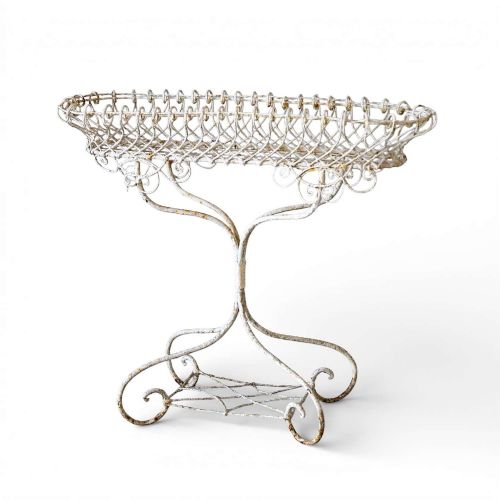
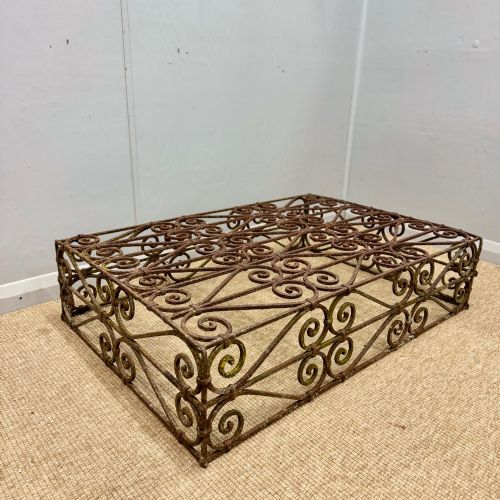
Construction relies heavily on wrought iron and painted metal, shaped by hand to create the characteristic linear scrolls and lattice baskets. Blacksmiths utilised traditional forging techniques to bend metal rods into structural frames and decorative flourishes.
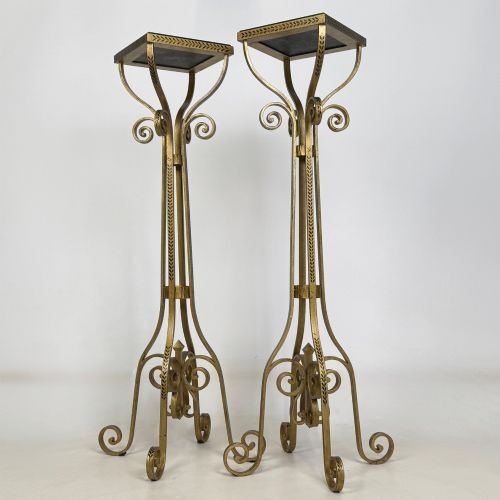
Selected pieces incorporate contrasting materials such as marble tops, wooden elements, and wire mesh panels. Paint finishes and gilded iron treatments provided both surface protection and decorative enhancement.
Listings feature items from the nineteenth century up to nineteen twenty, incorporating materials such as marble, wood, wire mesh, and wrought iron.
What varies in quality
Quality in these metal furnishings rests upon the refinement of the scrollwork and the structural integrity of the frame. Heavier gauge ironwork and finely executed hand-forged details distinguish superior examples from simpler production pieces.
The integration of secondary materials, such as fitted marble slabs or intact wire mesh, elevates the overall standard of the object. Preservation of original painted surfaces also influences the standing of each piece.
The Scrollwork Metal Stands Glossary
- Wrought iron
- Tough, malleable iron that can be heated and hammered into decorative scrolls and structural shapes. This material forms the primary framework for many period stands and racks.
- Bakers rack
- A tall open shelving unit originally used in French bakeries for cooling bread and pastries. These pieces feature sturdy metal frames and multiple tiers for storage.
- Jardiere
- An ornamental stand or receptacle designed specifically for holding plants and flowers. They often incorporate decorative metalwork to elevate greenery.
- Strapp work
- Flat metal strapping riveted or joined to create structural and decorative patterns. It provides robust support on outdoor garden tables and heavy stands.
Scrollwork Metal Stands: Frequently Asked Questions
What were scrollwork metal stands used for?
These pieces served practical roles in homes, gardens, and commercial spaces, functioning as plant holders, display tables, and storage shelving. Bakers racks accommodated cooling goods, while plant stands elevated greenery.
Over time, many of these utilitarian items transitioned into decorative interior furnishings. Their durable metal construction made them suitable for both indoor rooms and outdoor garden settings.
How do I date an iron stand?
Dating relies on examining construction methods, material types, and stylistic indicators such as Victorian or Art Nouveau motifs. Hand-forged wrought iron often points towards nineteenth-century production.
Later pieces from the early twentieth century may incorporate simpler painted metal or strapp work techniques. Comparing the specific object type and decorative details helps narrow down the period.
Can these metal stands be used outdoors?
Many of these pieces originated as garden tables, plant stands, or weather vanes designed to withstand exterior environments. Wrought iron and painted metal offer natural durability against the elements.
Exposed metal requires monitoring for surface rust, particularly on older or painted finishes. Proper maintenance ensures these stands remain functional in modern gardens.
How do I clean painted metal stands?
Cleaning requires gentle dusting with a soft cloth to remove accumulated dirt without damaging historic finishes. Harsh chemical cleaners and abrasive pads should be avoided to protect the original paint or patina.
Where surfaces show wear, minimal intervention preserves the authentic character of the piece. Regular care maintains the stability of both the metal frame and any inset marble tops.