





Scrolled Leg Occasional Table
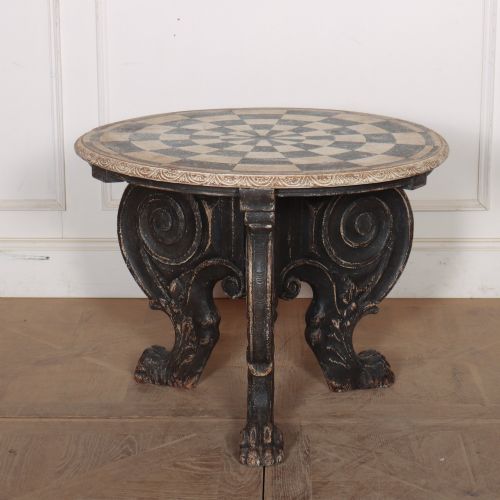
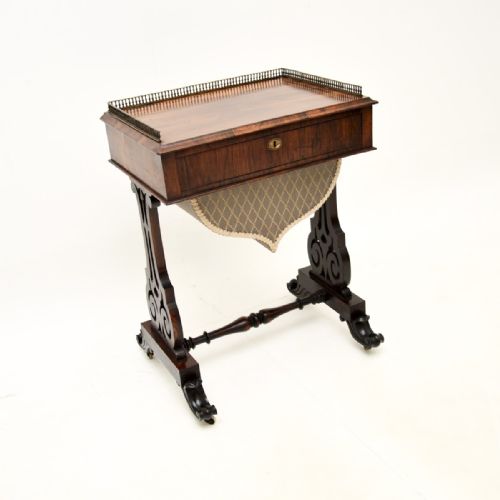
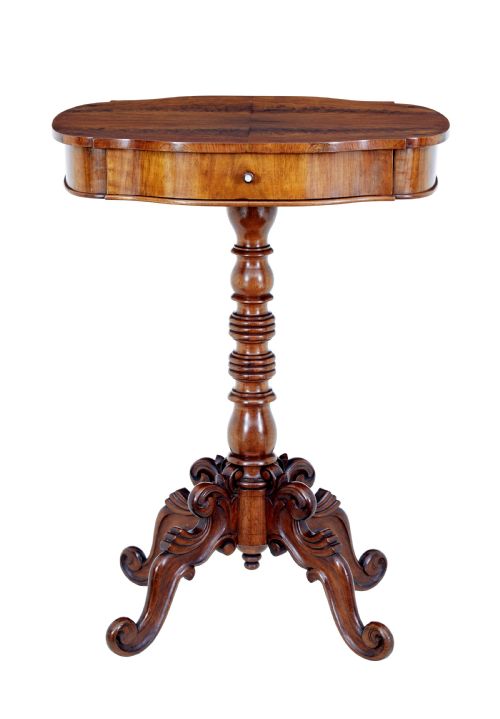
These scrolled leg occasional table examples bring dependable surface space and distinct period character into a room.
Scrolled Leg Occasional Table
A scrolled leg occasional table provides a compact, moveable surface suited to sitting rooms and halls. The selection spans the nineteenth century through the early twentieth century, taking forms such as side tables, centre tables, and console tables.
Victorian pieces dominate the offerings, frequently rendered in rich timbers with shaped or pedestal tops. Alongside standard side tables, buyers encounter distinctive regional variations including French Louis Philippe consoles and Spanish style gilded pieces.
Design vocabulary stretches from standard nineteenth century revival styles down to rustic pine and ash variants. These tables serve as practical stands for lamps and decorative objects while anchoring a room's aesthetic.
How these tables were constructed
Cabinetmakers utilised dense hardwoods such as mahogany, walnut, rosewood, and burr walnut for durability and rich figuring. Surfaces often received elaborate treatments including leather insets, marble slabs, or intricate satinwood inlay.
Structural flourishes rely on traditional joinery paired with carved details, bobbin turnings, and gilded finishes. Specimen woods and gilt accents indicate meticulous workshop practices aimed at affluent domestic interiors.
Scrolled Leg Occasional Table Retail Price Guide 2026
Typical asking prices for scrolled leg occasional table among the pieces listed under this phrase on Sellingantiques today, from the lower quarter to the upper quarter. They describe what is for sale here now, not the wider market.
One piece arrives decorated with bobbin turned elements, adding tactile charm to a sturdy mahogany frame.
What separates the finest examples
The choice of timber underpins the hierarchy, with highly figured flame mahogany, burr walnut, and rosewood commanding greater visual interest. Dense grain patterns and deliberate timber selection elevate standard tables into superior decorative objects.
Carved execution and secondary materials separate standard regional pieces from exceptional commissions. Fine specimen wood arrangements, gilt highlights, and well-executed inlaid satinwood demonstrate high workshop ambition.
Whytock and Reid
The Scrolled Leg Occasional Table Glossary
- Gueridon
- A small French table, typically supported by a central pillar or ornamental legs, designed for display or holding light objects.
- Burr walnut
- Timber taken from a walnut tree growth, prized by cabinetmakers for its swirling, highly figured grain patterns.
- Specimen woods
- Various ornamental timbers utilised together within a single surface to create geometric or mosaic patterns.
- Console table
- A table designed to stand against a wall, frequently fixed or supported by scrolled legs and brackets.
- Pedestal table
- A table supported by a single central pillar rising from a stable base rather than conventional corner legs.
Scrolled Leg Occasional Table: Frequently Asked Questions
Where should I place a centre table?
Centre tables are traditionally positioned in the middle of principal rooms as freestanding decorative pieces.
They offer all-around visual interest and function well for holding lamps or decorative collections.
How do I care for a mahogany table?
Keep wooden surfaces away from direct sunlight and excessive heat sources to prevent timber cracking.
Regular dusting with a dry cloth maintains the finish without stripping natural oils from the wood.
What is the difference between a side table and a console table?
Side tables typically feature four legs and stand freely within a room or against a wall.
Console tables are traditionally designed to stand directly against a wall, sometimes requiring attachment for stability.
How do I identify Victorian furniture?
Victorian pieces date from the nineteenth century and frequently utilise dense dark timbers like mahogany and walnut.
They often incorporate revival styles, deep carvings, and substantial proportions characteristic of the period.