




Scrolled Back Hall Chair
A scrolled back hall chair is a rigid wooden seat designed for an entryway, bringing architectural line and carved presence to a transitional space.
Scrolled Back Hall Chair
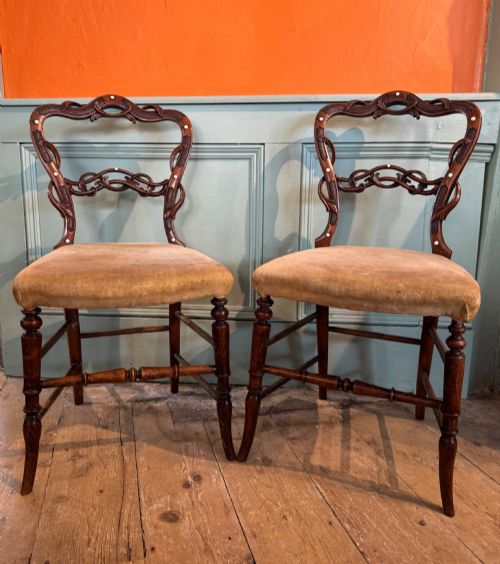
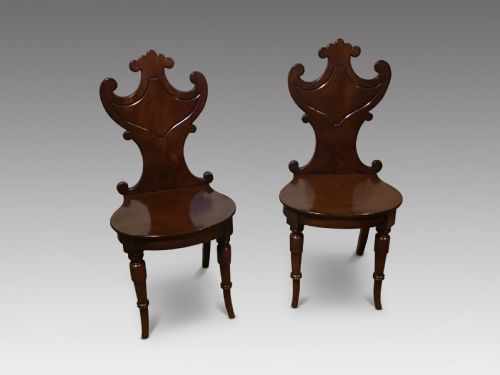
A scrolled back hall chair is primarily found in Victorian and Regency iterations, alongside earlier 17th century forms and regional variations. These pieces function as architectural seating for an entranceway or hallway, offering a solid wood construction designed for brief use rather than prolonged lounging.
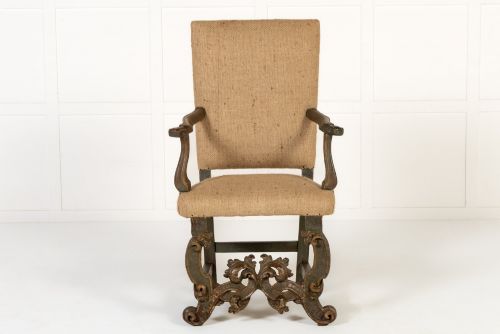
The materials span mahogany, oak, and walnut, frequently complemented by details such as cane or velvet. Examples range from simple Scottish law chambers seating to elaborate Irish sets and Italian country designs.
Most entries on this page present as upright side chairs or hall chairs featuring distinct carved backs. Buyers encounter pairs and single items alike, reflecting the original domestic arrangements of grand homes and public buildings.
How they were made
Construction relies heavily on dense hardwoods like mahogany, walnut, and oak, which provide the structural rigidity necessary for upright hall seating. Cabinetmakers shaped these timbers using traditional joinery to support heavy carving along the backrests and legs.
Surface treatment and detailing incorporate carved scrolls, bone inlay, and turned elements. Some variants introduce softer textiles such as velvet or hessian for upholstered elements, while others utilise cane panels within the wooden frame.
Some Victorian examples previously served in Scottish law chambers before finding their way into domestic hallways.
What varies in quality
The standard of a scrolled back hall chair rests upon the crispness and depth of the carved scrollwork across the timber. Superior pieces exhibit confident, hand-chiselled detailing that integrates harmoniously with the grain of the mahogany, walnut, or oak.
Proportion and timber selection dictate the visual weight of the chair. Heavier, well-figured woods paired with balanced regional styling, such as 19th Century Irish or Regency proportions, distinguish finer examples from more utilitarian seating.
The Scrolled Back Hall Chair Glossary
- Backstool
- An early form of upholstered or wooden chair without arms, common in the seventeenth century. These pieces predate standard dining chair configurations.
- Sabre leg
- A concave, outwardly curving leg shape frequently seen on Regency furniture. This profile imparts a sense of movement to heavy wooden seating.
- Carolean
- A style spanning the reign of Charles II, characterised by rich baroque carving and scrolled ornamentation. This aesthetic heavily influences later revival pieces.
- Cane
- Woven rattan or plant material utilised for seat pads and back panels. It provides a lightweight, breathable surface within a rigid wooden frame.
- Bone inlay
- Decorative fragments inserted flush into the timber surface to create contrasting patterns. This technique appears on select regional seating.
- Hessian
- A coarse woven fabric typically utilised as a sturdy backing or foundation for upholstery. It appears beneath finer top materials on padded seats.
Scrolled Back Hall Chair: Frequently Asked Questions
Where should I place a hall chair?
These upright wooden seats sit well in narrow hallways, landings, or entrance foyers where floor space is limited. Their shallow depth and striking carved backs provide a strong visual anchor without obstructing movement.
They also function effectively as decorative accent pieces in bedrooms or studies. Pairing them with a small console table completes a traditional arrangement.
How do I clean mahogany furniture?
Dust the timber regularly with a soft, dry cloth to prevent particle accumulation. Avoid silicone sprays or modern polishes that can build up a sticky residue over time.
Feed the wood occasionally with a traditional beeswax to maintain the natural lustre of the grain. Keep the chair away from direct heat sources to prevent the timber from splitting.
Are these chairs comfortable for sitting?
Hall chairs were historically designed for brief periods of waiting rather than relaxed lounging. Most examples feature solid wooden seats and upright backs that encourage an upright posture.
Some variations include upholstered pads in velvet or hessian for added cushioning. If prolonged sitting is required, consider placing a matching scatter cushion on the wooden seat.
Can I use an antique hall chair daily?
Solid hardwood construction ensures these chairs remain robust enough for regular use in modern homes. The dense timbers like oak and walnut withstand everyday wear when treated with reasonable care.
Inspect the joints periodically to ensure the frame stays tight. Avoid dragging the chair across rough flooring to protect the lower legs and feet.