


Victorian Timber Accent Chair
A victorian timber accent chair brings solid mahogany, oak, and walnut craftsmanship directly into modern hallways and bedrooms.
Victorian Timber Accent Chair
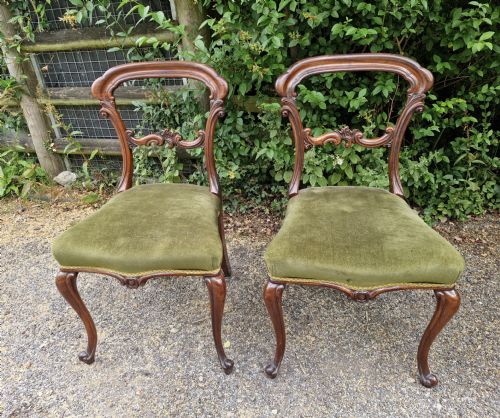
When searching for a victorian timber accent chair, buyers encounter a diverse selection of nineteenth-century seating designed for occasional use in halls, bedrooms, and reception spaces. The inventory spans straightforward wooden side chairs and elaborately carved hall chairs alongside upholstered armchairs and rocking chairs.
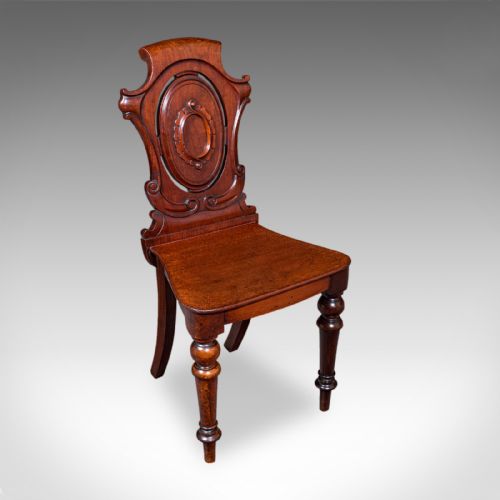
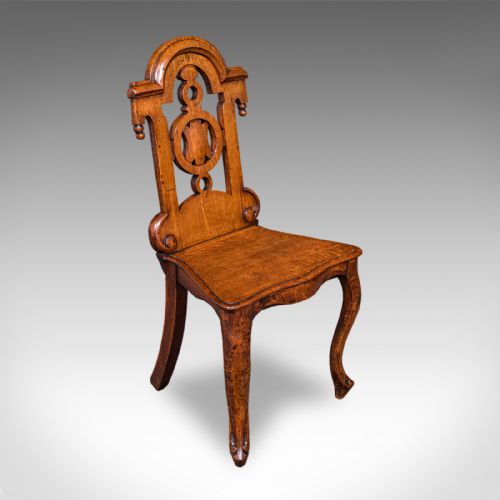
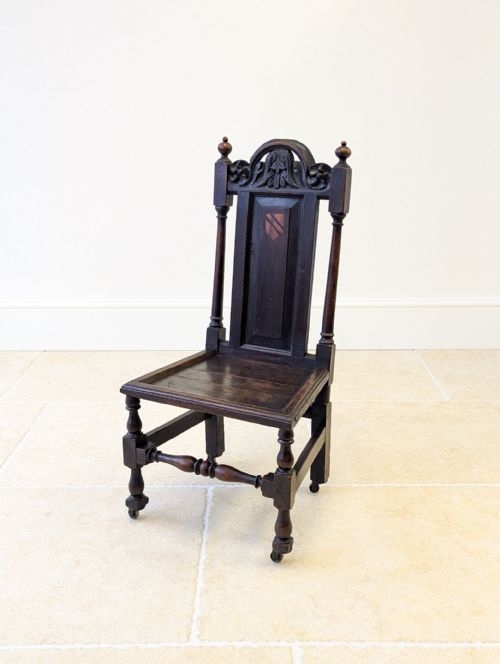
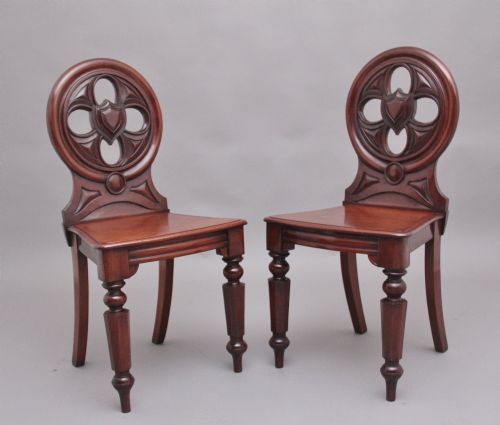
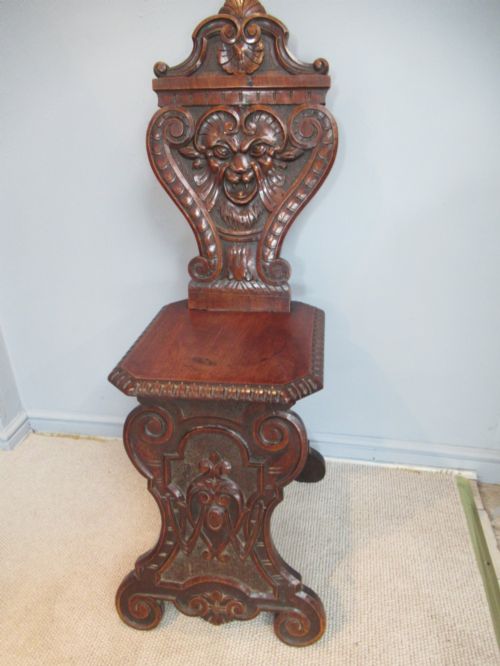
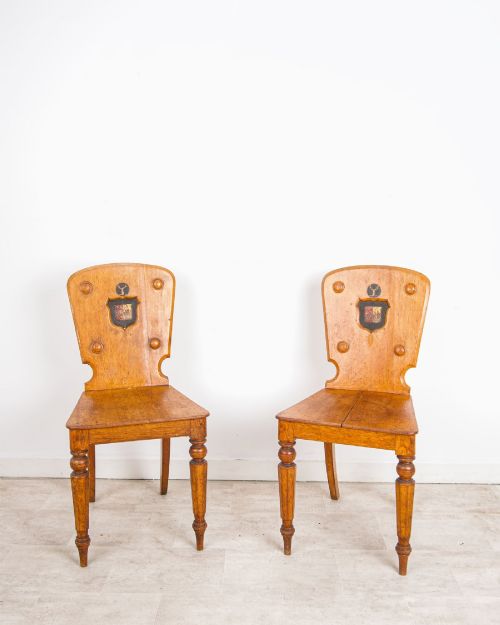
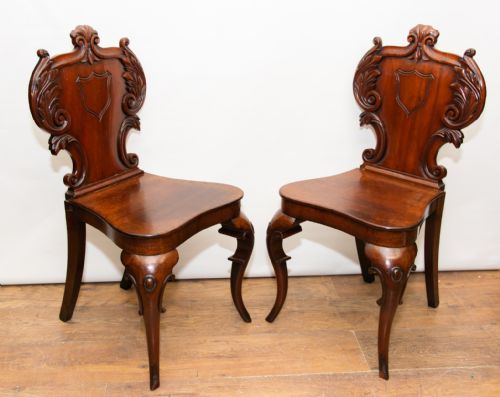
The most frequent examples appearing here are hall chairs and side chairs fashioned from dense hardwoods like mahogany and oak. These pieces often feature solid timber backs with carved heraldic shields or shell motifs, reflecting the formal tastes of the period.
Beyond the standard hall seat, the selection includes specialised forms such as nursing chairs, corner chairs, and low bedroom seats. These variations accommodate different domestic spaces while retaining nineteenth-century timber construction.
Materials and construction methods
Cabinet makers of the era relied heavily on durable timbers, predominantly mahogany, oak, walnut, and rosewood, supplemented by beech and elm for specific structural components. These woods were chosen for their grain pattern and ability to hold intricate hand-carved details.
Joinery techniques combined traditional tenon and mortise framing with turned elements and applied carvings. Metal fixings such as brass frequently appeared in structural reinforcements or decorative accents on upholstered pieces.
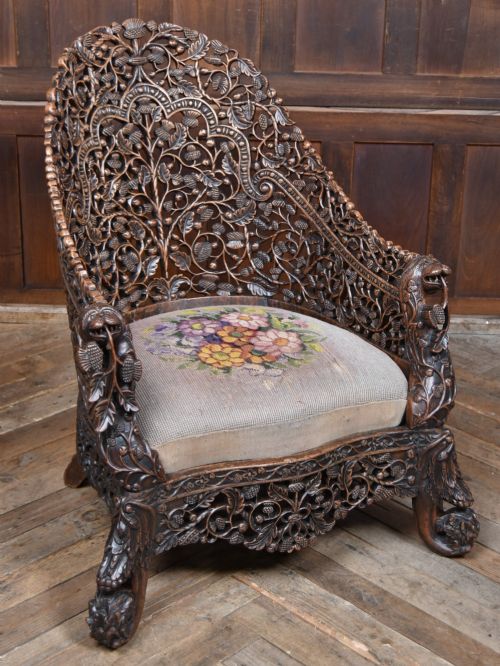
Upholstered variations integrated fabric and velvet coverings over internal padding, while rigid wooden seats relied entirely on shaped solid timber panels. Carved details on the wooden frames ranged from geometric Jacobean revival patterns to fluid Aesthetic movement motifs.
Listings feature pieces from the Victorian era alongside specific revival styles including Jacobean, Gothic, and Aesthetic Movement designs.
Distinctions in construction and design
The degree of hand-carving defines the upper tier of these pieces, separating simple utilitarian seating from bespoke workshop output. Crisp relief work on shield backs and intricate turnings indicate superior cabinet making.
Timber selection and grain continuity across structural members also distinguish finer examples. Dense, stable hardwoods like rosewood and figured walnut command attention for their finish and enduring structural integrity.
Holland & Sons
The Victorian Timber Accent Chair Glossary
- Hall Chair
- A rigid wooden seat traditionally placed in an entrance hall, featuring a solid timber back often carved with a crest or shield.
- Jacobean Revival
- A nineteenth-century design style imitating seventeenth-century English furniture through heavy proportions, geometric paneling, and deep turning.
- Aesthetic Movement
- A late-nineteenth-century design approach emphasising visual beauty, simplified forms, and Japanese-influenced decorative motifs over heavy historicism.
- Bobbin
- A style of furniture turning that resembles a string of wooden beads or spools joined end to end.
- Wainscot Chair
- An early form of heavy wooden armchair constructed primarily from panels, frequently referenced in revivalist designs of the nineteenth century.
Victorian Timber Accent Chair: Frequently Asked Questions
Where were these chairs placed?
Nineteenth-century timber chairs served specific domestic zones, with rigid hall chairs positioned in entrance spaces and reception areas for brief seating.
More comfortable upholstered variants, such as nursing chairs and bedroom chairs, occupied private rooms for daily relaxation and dressing.
How do I identify the wood?
Mahogany and walnut display deep, rich brown tones with distinctive grain figures, whereas oak exhibits a pronounced open grain and heavier weight.
Exotic additions like padouk show reddish hues, and rosewood presents dark streaking across a dense, heavy surface.
Are these chairs suitable for daily use?
Solid timber variants like hall chairs function reliably for daily seating if joints remain stable and secure.
Upholstered pieces benefit from checking internal padding and fabric condition to ensure comfortable everyday support.
What distinguishes Gothic Revival styles?
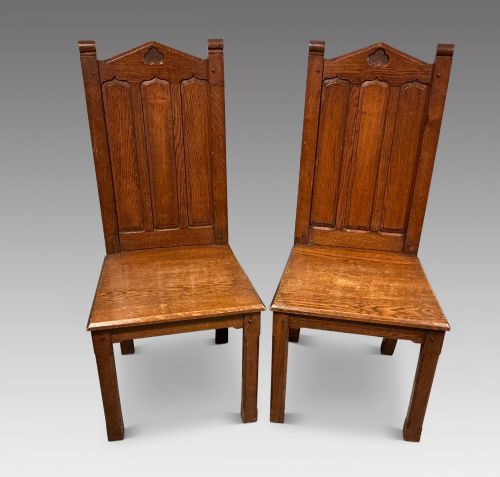
Gothic Revival seating incorporates architectural motifs borrowed from medieval churches, including pointed arches, trefoils, and heavy structural framing.
These details appear carved directly into the timber backrests of oak and walnut hall chairs from the mid-nineteenth century.