



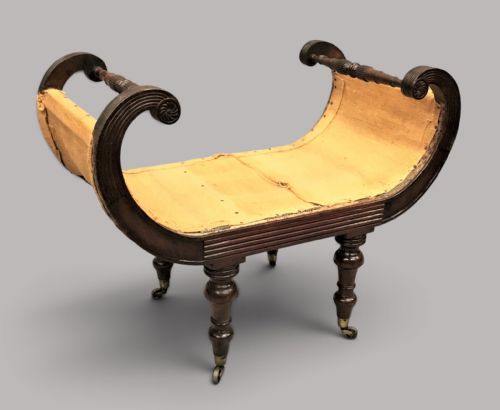


Scroll Leg Stool
Scroll leg stool examples offer classic seating forms with distinctive scrolled supports that suit traditional interiors.
Scroll Leg Stool
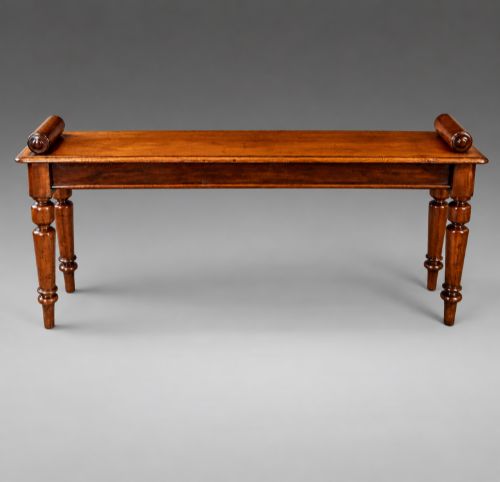
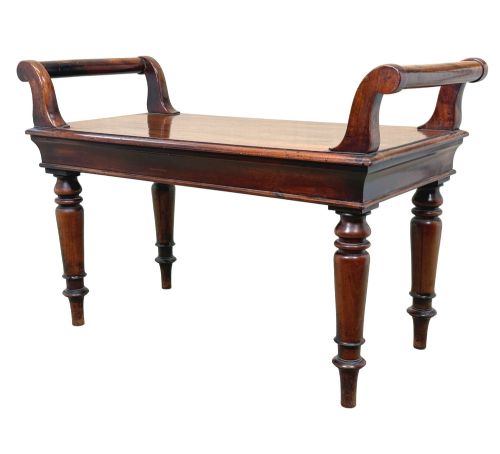
When you search for scroll leg stool, you encounter a selection of historic seating forms including footstools, window seats, and hall benches. These pieces originate from various periods spanning the seventeenth century through the nineteenth century.
Makers adapted the scroll leg design across different styles such as Carolean, George II style, and Louis XV style. This variety ensures buyers can find pieces that match specific historic interior aesthetics.
How they were made
Cabinet makers utilised dense hardwoods such as mahogany and rosewood to form the structural frames and scrolled supports. Pine also appears in painted variants, providing a stable base for decorative surface finishes.
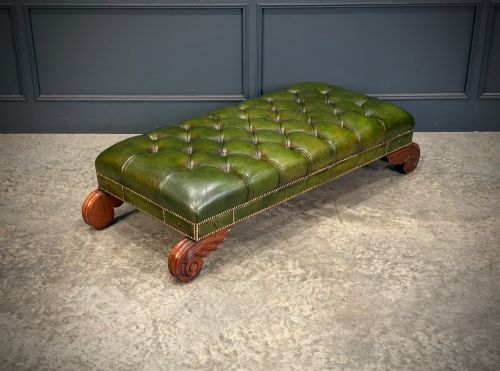
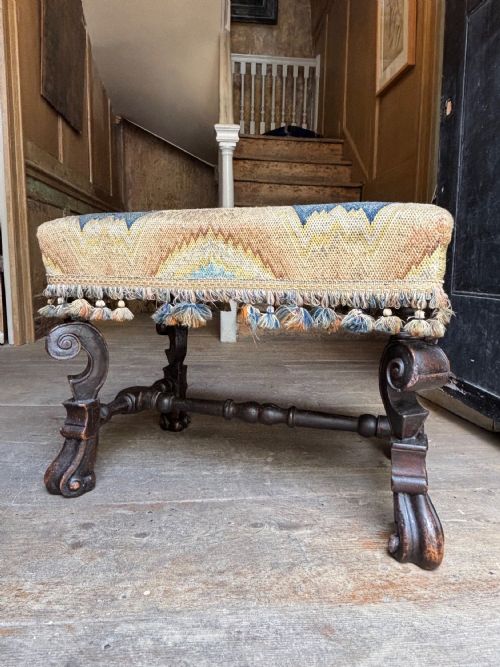
Upholstery techniques involved securing fabric, leather, tapestry, or textile over padded seats, sometimes incorporating buttoned detailing. Brass components occasionally supplemented the woodwork for structural support or decorative accent.
Scroll Leg Stool Retail Price Guide 2026
Typical asking prices for scroll leg stool among the pieces listed under this phrase on Sellingantiques today, from the lower quarter to the upper quarter. They describe what is for sale here now, not the wider market.
Early makers occasionally carved secret initials beneath the upholstery webbing, leaving a hidden signature for future restorers to discover.
What varies in quality
The refinement of the carved scroll work on the legs distinguishes standard production from more ambitious workshop output. Crisp execution of historic stylistic motifs indicates greater skill by the original maker.
Selection of primary timbers and the integrity of the original upholstery materials influence the overall character of the piece. Superior examples maintain structural cohesion in the joinery alongside well-preserved surface patination.
Gillows
The Scroll Leg Stool Glossary
- Scroll leg
- A furniture support featuring a curved, spiral termination resembling a scroll. This design appears frequently in seventeenth and nineteenth century seating.
- Window seat
- An elongated stool or bench designed to fit within a window recess. These pieces often feature upholstered tops and supportive end rails.
- Carolean
- A seventeenth century English style associated with the reign of Charles II. It is characterised by exuberant baroque forms and ornate carved woodwork.
- Regency
- A British design period spanning the early nineteenth century. Furniture from this era often draws inspiration from classical antiquity.
- Tapestry
- A heavy textile featuring woven pictorial designs. Upholsterers utilised these durable fabrics to cover formal seating.
Scroll Leg Stool: Frequently Asked Questions
What is a scroll leg stool?
A scroll leg stool is a historic seating form defined by its distinctive curved, spiral supports. These pieces function as footstools, dressing stools, or small benches within traditional rooms.
Craftsmen produced them across several centuries using timbers like mahogany and rosewood. The design ranges from simple domestic variants to highly ornate baroque interpretations.
Where were window seats placed?
Window seats historically stood in deep window recesses of large houses to provide comfortable spots for reading or viewing the grounds. They also functioned as secondary seating in halls and bedrooms.
Their elongated proportions allowed them to fit neatly against walls or beneath windows without obstructing pathways. Today they serve similar decorative and practical roles in living spaces.
How do I identify a Regency piece?
Regency pieces often display classical influences derived from Greek and Roman design. Look for clean architectural lines combined with rich timbers such as mahogany.
Detailing on these items frequently includes restrained carving, brass mounts, or buttoned leather upholstery. The period generally spans the early decades of the nineteenth century.
How do I care for antique upholstery?
Antique upholstery requires protection from direct sunlight to prevent textile fading and fabric degradation. Regular gentle dusting helps maintain the condition of delicate tapestries and leathers.
Avoid placing these items near direct heat sources which can dry out wooden frames and padding materials. Professional conservation cleaning is recommended for fragile historic textiles.