




Scottish Victorian Chest
A Scottish victorian chest offers robust storage with distinct regional joinery, drawing collectors to its deep drawers and bold wood grains.
Scottish Victorian Chest
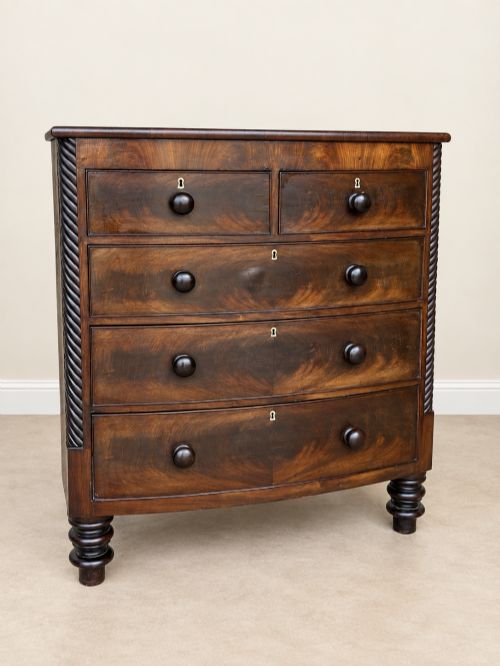
A scottish victorian chest is a sturdy storage piece defined by regional joinery, deep proportions, and generous drawer configurations. Most examples encountered here are large chests of drawers, often constructed from flame mahogany or figured mahogany.
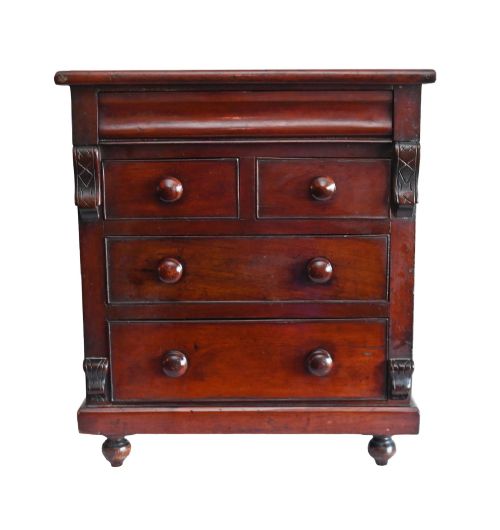
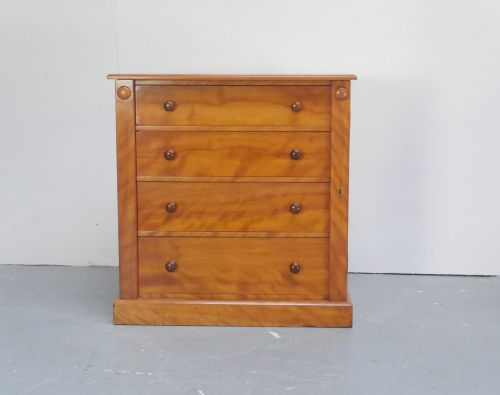
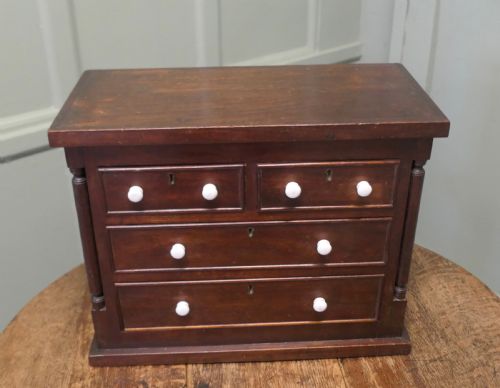
The regional variety brings specific forms like the Scotch chest, alongside tall chests featuring five, six, or seven drawers. Buyers also find miniature apprentice pieces, linen presses, blanket boxes, and specialised items like sporran chests.
Origins span the nineteenth century, with Victorian periods dominating the selection alongside 19th-century Scottish, Gothic Revival, and Scottish Regency styles.
How They Were Made
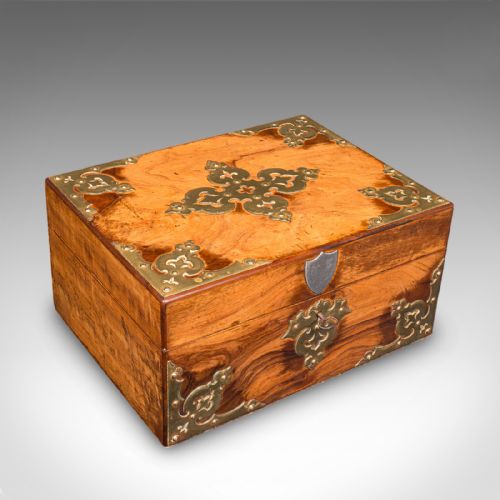
Construction relies heavily on solid mahogany, flame mahogany veneer, walnut, satinwood, and pine, occasionally supported by secondary woods like pine for internal framing. Surfaces are accented with brass hardware, iron fittings, bone details, and original wooden knobs or turned handles.
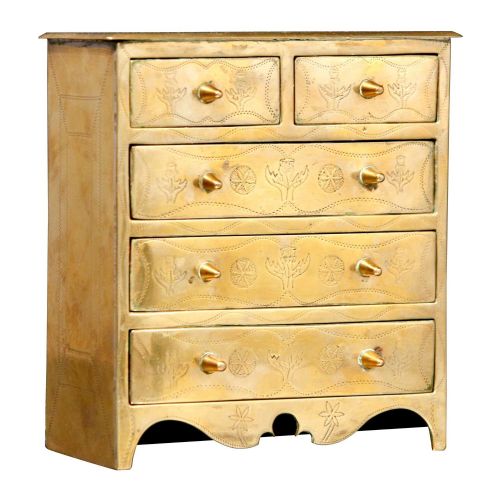
Decorative techniques include flame grain figuring, ogee mouldings, bobbin turning, and column details. Some pine pieces retain original paint finishes, while others showcase meticulous brass engraved thistles on miniature boxes.
Scottish Victorian Chest Retail Price Guide 2026
Typical asking prices for scottish victorian chest among the pieces listed under this phrase on Sellingantiques today, from the lower quarter to the upper quarter. They describe what is for sale here now, not the wider market.
Miniature apprentice chests occasionally served as jewellery boxes, complete with brass engraved thistles tucked into the tiny drawers.
What Varies in Quality
Quality rests in the intensity and book-matching of the flame mahogany or figured walnut veneers across the drawer fronts. Superior pieces exhibit crisp bobbin turning, well-executed ogee mouldings, and intact original wooden knobs or brass fittings rather than replacements.
Proportion and scale dictate the visual weight of the piece, with grander tall chests maintaining balanced drawer tiers and tight structural joinery. Original surfaces, such as untouched painted finishes on pine or clean polish on satinwood, elevate the standing of the work.
R H & J Simpson·John Taylor of Edinburgh
The Scottish Victorian Chest Glossary
- Scotch chest
- A regional furniture form typically featuring a central deep top drawer flanked by smaller drawers above a bank of graduated drawers. This layout is a hallmark of nineteenth-century Scottish cabinet making.
- Flame mahogany
- A veneer cut from the fork of the mahogany tree to create a distinctive, flickering flame pattern. It appears frequently on grand Victorian chests to provide strong visual movement.
- Ogee
- A moulding with an S-shaped profile showing a concave curve flowing into a convex curve. It adds substantial architectural depth to the frame of a chest.
- Bobbin turning
- A form of lathe-work that produces a sequence of rounded wooden beads resembling bobbins. It provides textural ornamentation on vertical framing members.
- Apprentice piece
- A miniature scale model created by a craftsman to demonstrate skill for guild acceptance or training. These items duplicate full-sized chests in every structural detail.
Scottish Victorian Chest: Frequently Asked Questions
What is a Scotch chest?
A Scotch chest is a regional nineteenth-century form characterised by a deep secret or cushion-moulded top drawer above several wider drawers. They often utilise striking flame mahogany veneers.
These pieces provide substantial storage capacity while displaying the distinctive regional proportions favored by Scottish cabinet makers.
How do I identify a Scottish chest?
Scottish chests are identified by specific drawer arrangements, such as cushion-moulded top drawers, and deep carcase dimensions. They frequently feature bold flame mahogany or fiddle-back mahogany veneers.
Regional details like bobbin-turned columns and ogee mouldings further distinguish these pieces from English equivalents of the same period.
What are apprentice pieces?
Apprentice pieces are small-scale models built by trainees to prove their mastery of woodworking techniques. They replicate full-sized chests of drawers with working miniature drawers and authentic joinery.
Collectors prize them for their meticulous detail and the high skill level required to construct furniture at such a small scale.
How should I care for mahogany veneer?
Mahogany veneer requires stable room humidity and protection from direct sunlight to prevent warping and fading. Dusting with a dry cloth and applying natural wax preserves the finish.
Avoid placing damp items directly on the surface to protect the historic polish and underlying wood.